Williams boss Vowles calls Barcelona test absence 'incredibly painful', denies weight rumors
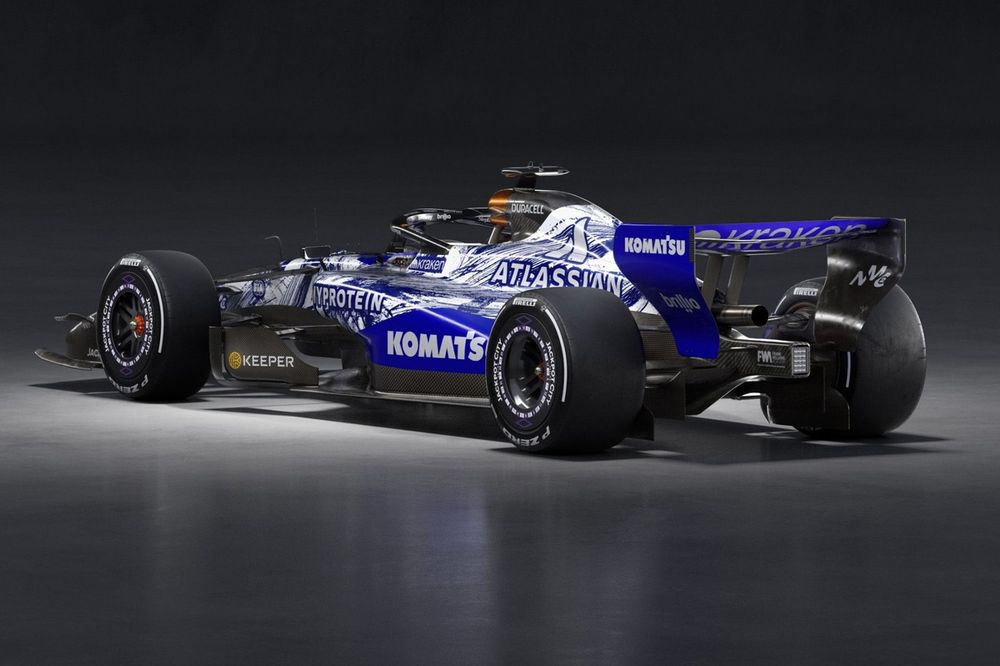
Williams F1 boss James Vowles admits missing the Barcelona test is painful but denies rumors of a heavy 2026 car, blaming delays on an overly complex design that strained production. He confirmed the car passed crash tests and will run in Bahrain, with the Barcelona skip being a strategic choice to ensure spare parts for early races.
Williams team principal James Vowles has admitted it is "incredibly painful" for the team to miss this week's Barcelona shakedown test, while firmly denying widespread rumors that its 2026 car will be significantly overweight. The team opted to skip the three-day test due to delays in its FW48 program, but Vowles clarified the car passed crash tests and will be ready for Bahrain, attributing the delay to an overly ambitious and complex production schedule rather than fundamental failures.
Why it matters:
Missing a key pre-season test represents a major setback for a team like Williams, which is in a critical rebuilding phase. The lost track time hampers data collection and driver acclimatization, putting the team on the back foot before the season even begins. Furthermore, public speculation about car weight—a critical performance metric—threatens team morale and external perception, making Vowles's direct rebuttal essential to control the narrative.
The details:
- Vowles explained the core issue is production complexity, stating the 2026 car is "about three times more complicated" than previous models, overwhelming the team's manufacturing capacity and causing parts delays.
- He confirmed the car passed all mandatory FIA crash tests, directly countering rumors that failure necessitated heavy reinforcement.
- On weight speculation, Vowles stated it is "impossible" to know the final figure until the car is fully built and sensor-free for official weighing in Bahrain, but suggested any excess would be minor ("not miles over").
- The decision to skip Barcelona was strategic: the team could have rushed a car to the test but chose not to, prioritizing the availability of spare parts and updates for the early race weekends in Bahrain and Melbourne instead.
What's next:
All focus now shifts to the second pre-season test in Bahrain. Williams will aim to prove its revised timeline correct, getting the FW48 on track without further issues. The team's performance in the opening races will be the ultimate test of whether sacrificing Barcelona track time was a prudent strategic trade-off or a costly operational misstep that leaves it playing catch-up.
Don't miss the next lap
Get the deep dives and technical analysis from the world of F1 delivered to your inbox twice a week.
Zero spam. Only high-octane analysis. Unsubscribe anytime.
Join the inner circle
Get the deep dives and technical analysis from the world of F1 delivered to your inbox twice a week.
Zero spam. Only high-octane analysis. Unsubscribe anytime.
Continue Reading
View More News