Williams Bounce Back with Strong Reliability as Sainz Leads Lap Charts in Bahrain Test Morning
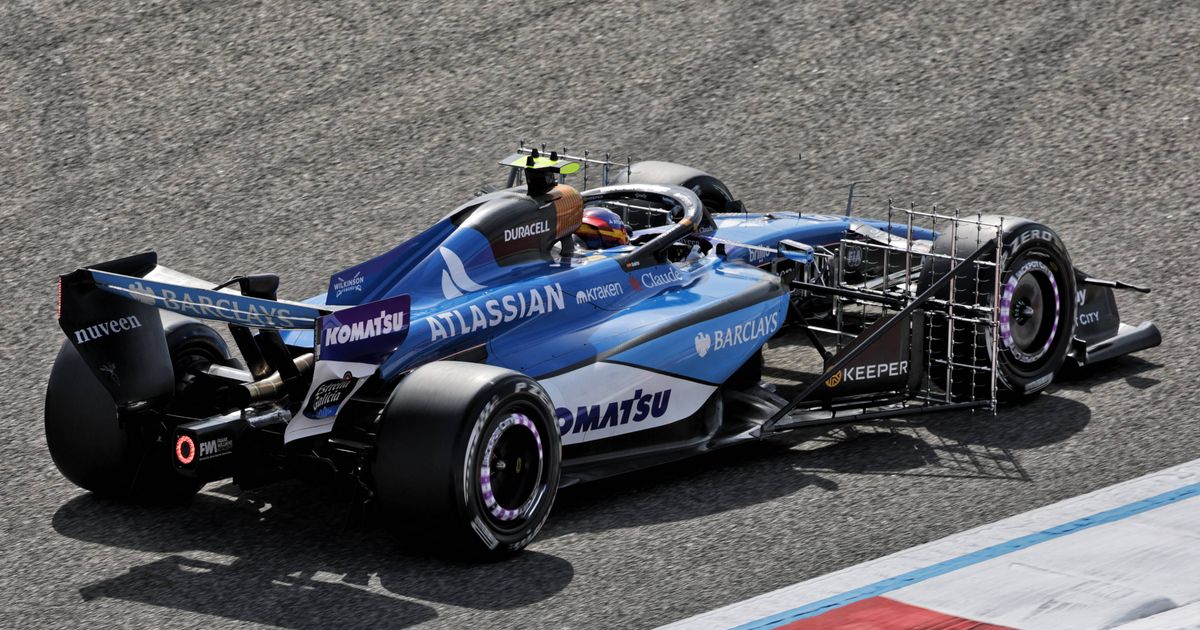
Carlos Sainz topped the lap charts but Williams' trouble-free 77 laps stole the spotlight in the first morning of F1 testing in Bahrain, providing a vital reliability answer after skipping the Barcelona shakedown. Mercedes-powered cars collectively led the mileage count, with Red Bull also showing strong early reliability.
Carlos Sainz was the busiest driver on track while Williams delivered a crucial response to preseason concerns by completing a trouble-free 77 laps in the opening morning of Formula 1's Bahrain pre-season test. The session highlighted promising reliability for several teams, particularly for Mercedes-powered cars and the Red Bull Powertrains unit in Max Verstappen's RB22.
Why it matters:
After skipping the private Barcelona shakedown, Williams needed a clean, high-mileage run to validate its new FW48 and build a foundation for the season. Achieving nearly one and a half race distances without major issues is a significant confidence boost for the team and a positive early sign for its 2026 campaign. Furthermore, strong reliability from multiple power unit manufacturers suggests the new regulatory cycle is starting on stable ground, which is critical for development.
The Details:
- Williams' Response: Logan Sargeant, driving the Williams FW48, completed 77 laps—the highest individual tally of the morning—effectively answering immediate reliability questions after the team missed the Barcelona test.
- Power Unit Performance: Mercedes-powered cars (Williams, Mercedes, and Aston Martin) collectively logged the most laps (215), indicating strong initial reliability from the German manufacturer.
- Red Bull's Strength: Max Verstappen completed 65 laps, the third-highest of the session, showcasing the robust early form of the Red Bull Powertrains engine.
- Notable Lap Counts: Red Bull junior Arvid Lindblad impressed with 75 laps for Racing Bulls, while Aston Martin's Lance Stroll (33 laps) and Williams' Franco Colapinto (28 laps) had the shortest runs, the latter due to a technical issue.
- Times Deceptive: Verstappen set the fastest time (1:35.433), but lap times remain largely unrepresentative with teams focused on system checks and data gathering in daylight conditions, far from the qualifying and race simulations expected later.
What's next:
The focus now shifts to the afternoon and evening sessions, where teams will begin more performance-oriented running under lights that better mirror Grand Prix conditions. Reliability remains the primary KPI, but observers will start looking for early clues on car balance and single-lap pace. For Williams, the goal is to maintain this flawless running to accumulate maximum data, while teams like Aston Martin will be eager to recover the lost track time from their shortened morning.
Don't miss the next lap
Get the deep dives and technical analysis from the world of F1 delivered to your inbox twice a week.
Zero spam. Only high-octane analysis. Unsubscribe anytime.
Join the inner circle
Get the deep dives and technical analysis from the world of F1 delivered to your inbox twice a week.
Zero spam. Only high-octane analysis. Unsubscribe anytime.
Continue Reading
View More News