Williams defends 2026 prep, denies weight rumors for FW48
Williams boss James Vowles explains skipping Barcelona testing was a strategic choice to protect the race-ready car and spares, not due to a major weight problem with the complex new FW48. He admits the 2026 design has pushed the team's operations to the limit.
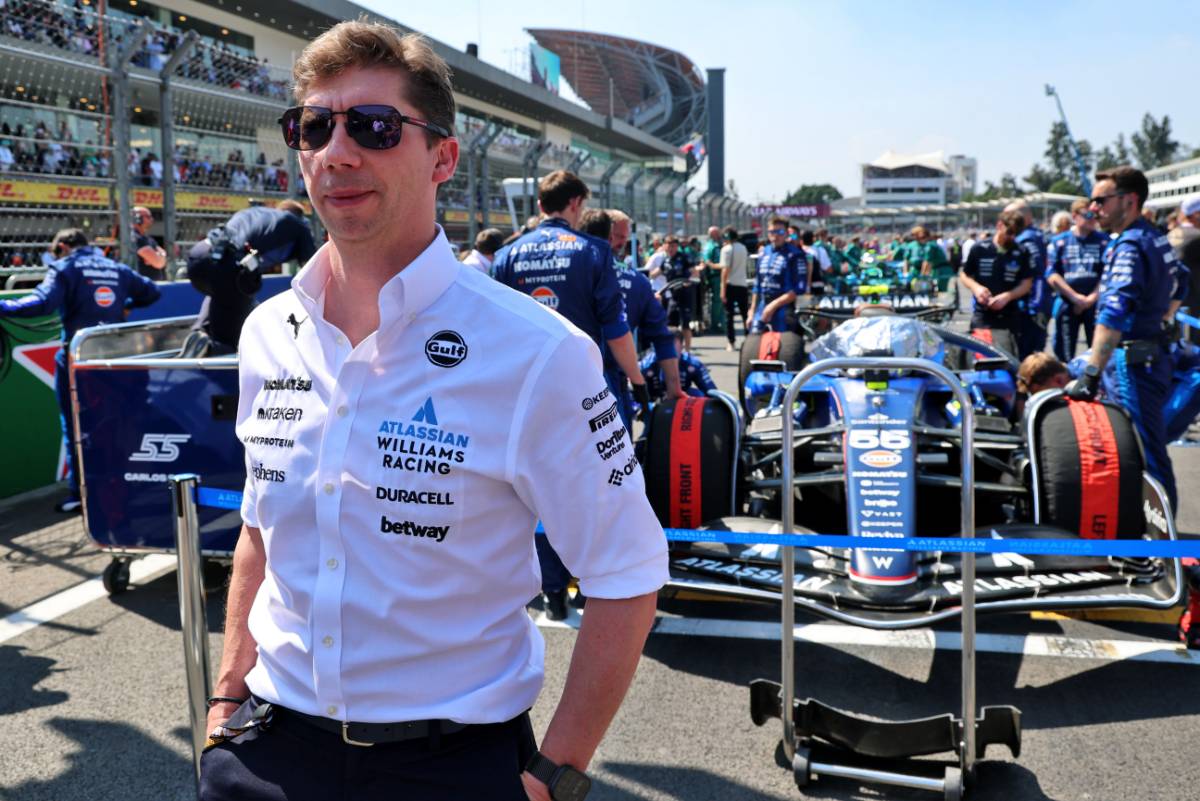
Williams team principal James Vowles has dismissed speculation of a significant weight issue with the new FW48, framing the team's controversial decision to skip the Barcelona shakedown as a painful but necessary strategic sacrifice to ensure readiness for the opening races. He revealed the 2026 car is vastly more complex than its predecessors, pushing the team's manufacturing and logistics to their absolute limit.
Why it matters:
In the high-stakes environment of Formula 1's new 2026 regulatory era, every day of pre-season testing is invaluable. Williams's choice to forfeit three days of running signals the extreme pressure teams are under and highlights the brutal trade-offs between gathering early track data and ensuring long-term operational stability. A misstep now could compromise their entire season before it begins.
The details:
- Strategic Sacrifice: Vowles stated Williams could have attended the Barcelona test but only by jeopardizing their spare parts inventory and update schedule for the early races in Bahrain and Melbourne. He deemed the shakedown, which awards no championship points, not worth that risk.
- Complexity Overload: The core challenge is the FW48's design, which Vowles described as "about three times more complicated" than previous cars. This complexity created a bottleneck, overloading the team's systems and causing delays in part manufacturing.
- Weight Rumors Dismissed: Vowles firmly denied media rumors that the FW48 is carrying a major weight penalty, calling them unfounded "murmurings." He clarified that an accurate weight measurement can only be taken with the final car assembled without sensors, which hadn't happened at the time of his comments.
- Boundary Pushing: The delays were attributed to pushing design and procedural limits, not fundamental safety failures. The car has passed its required homologation tests, albeit with some minor friction during the process.
The big picture:
Williams's situation is a microcosm of the immense challenge all teams face in 2026. Vowles's transparent explanation reveals a team making calculated, if unpopular, decisions to manage an unprecedented workload. The focus has shifted entirely to arriving in Bahrain with a reliable car and sufficient spares, betting that this foundation is more valuable than limited early-season track data. Their gamble will be tested immediately when the competitive order is revealed.
Don't miss the next lap
Get the deep dives and technical analysis from the world of F1 delivered to your inbox twice a week.
Zero spam. Only high-octane analysis. Unsubscribe anytime.
Join the inner circle
Get the deep dives and technical analysis from the world of F1 delivered to your inbox twice a week.
Zero spam. Only high-octane analysis. Unsubscribe anytime.
Continue Reading
View More News