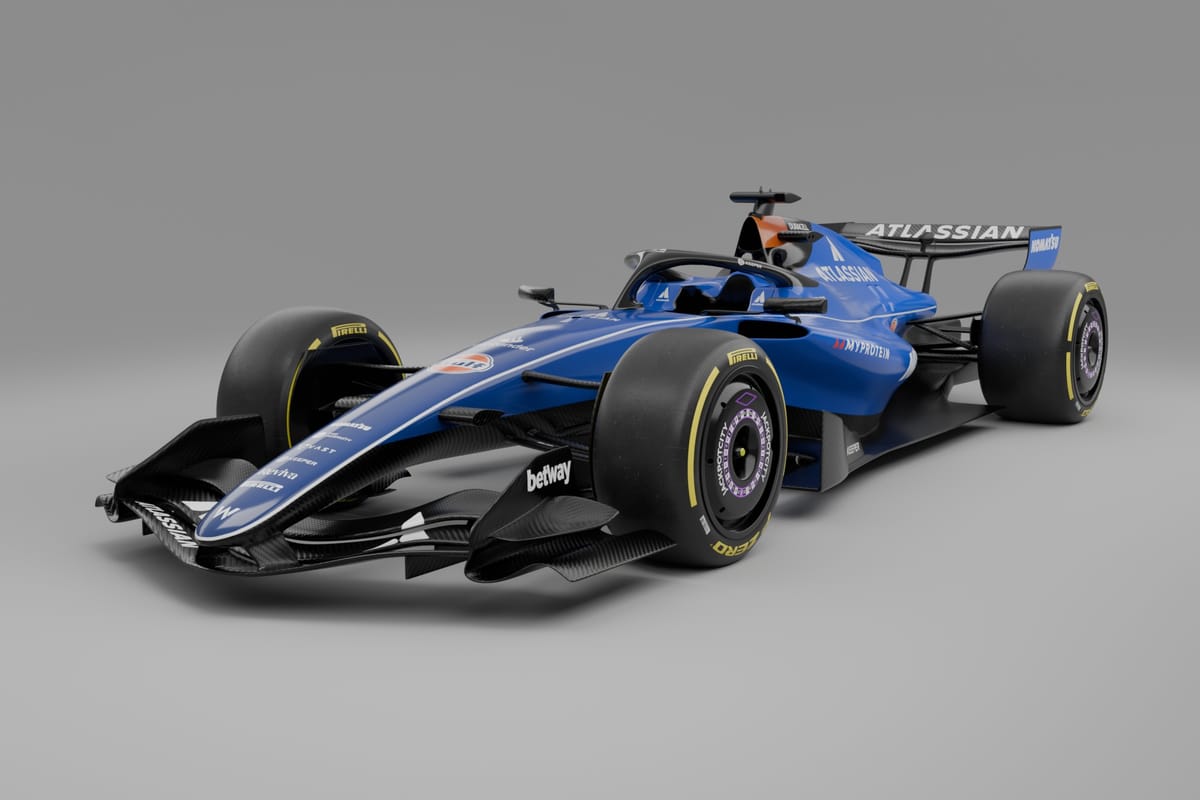
Williams denies rumors of failed tests, confirms 2026 car will run in Bahrain
Williams Team Principal James Vowles has dismissed rumors of failed crash tests and an overweight 2026 car, confirming the team passed all homologation checks. He explained skipping the Barcelona test was a strategic choice due to the unprecedented complexity of the new project, opting for advanced virtual testing instead to be fully prepared for Bahrain.
Williams has passed all necessary homologation tests for its 2026 Formula 1 car and will conduct a shakedown ahead of the official Bahrain test, despite skipping this week's pre-season running in Barcelona. Team Principal James Vowles dismissed media speculation about repeated crash test failures and a significantly overweight car, stating the team is on track for the season opener.
Why it matters:
Missing the first pre-season test is a major strategic gamble for any team, but especially for Williams as it navigates the extreme complexity of the new 2026 regulations. The decision to prioritize virtual testing and spare parts logistics over track time in Spain reveals the immense pressure teams are under to deliver these revolutionary cars on schedule and within strict new weight limits.
The details:
- Official Denial: James Vowles told media, including The Race, that Williams has "passed all necessary tests" and is ready for Bahrain. He labeled the circulating rumors as mere "murmurings."
- Weight Unknown: Vowles declined to confirm the car's exact mass, stating, "There’s no knowledge of the weight until we get to Bahrain." He acknowledged that if the FW48 is over the target, an "aggressive programme" to reduce weight will follow.
- Admitted Compromises: While not directly confirming failed tests, Vowles admitted the team pushed boundaries and faced "compromises" due to late parts, calling any issues "only a blip in the grand scheme of things."
- Unprecedented Complexity: The core reason for the Barcelona skip is the car's development challenge. Vowles described the 2026 project as three times as complicated as anything Williams has previously produced, causing parts delays.
- Virtual Alternative: To mitigate the lost track time, Williams is running an advanced Virtual Test Track (VTT) program with the car, engine, and gearbox linked together—a more sophisticated simulation than typical pre-season work.
What's next:
Williams will run its FW48 in a filming day shakedown before the official test in Bahrain begins on February 11. Vowles defended the choice to skip Barcelona, arguing that preserving resources for spares and updates for Bahrain, Melbourne, and beyond was the correct long-term decision. All eyes will be on the car's weight and reliability when it finally hits the track in Sakhir, as the entire grid battles the new 30kg lighter minimum weight requirement.
Don't miss the next lap
Get the deep dives and technical analysis from the world of F1 delivered to your inbox twice a week.
Zero spam. Only high-octane analysis. Unsubscribe anytime.
Join the inner circle
Get the deep dives and technical analysis from the world of F1 delivered to your inbox twice a week.
Zero spam. Only high-octane analysis. Unsubscribe anytime.
Continue Reading
View More News