Williams launches FW48 with Red Bull-inspired suspension
Williams has debuted its FW48 with a confirmed Red Bull-inspired suspension layout, featuring a mixed pull/push-rod design and aggressive anti-dive geometry. The team now faces a crucial data-gathering phase in Bahrain testing to validate the new concept ahead of the tight season-opening schedule.
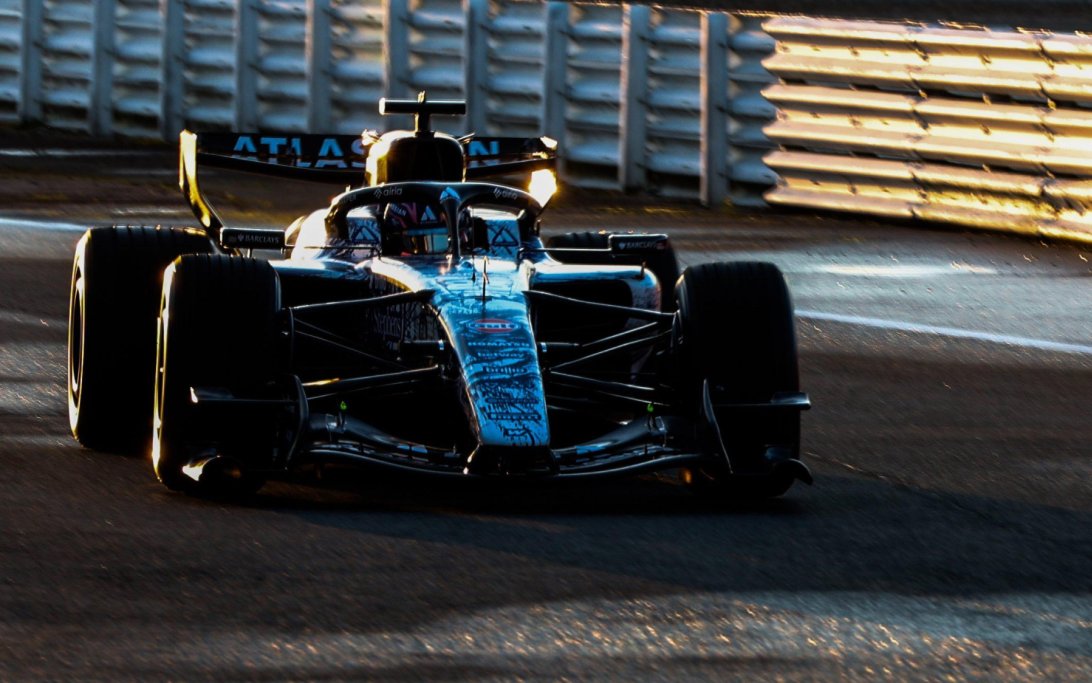
Williams unveiled its 2025 challenger, the FW48, in a shakedown at Silverstone, confirming a key technical choice kept secret until the last moment: a mixed front pull rod and rear push rod suspension system. The design incorporates a pronounced anti-dive geometry pioneered by Red Bull, aiming to create a stable platform under braking as the team begins a critical race against time to gather data before the season opener in Melbourne.
Why it matters:
For a team like Williams, which has been rebuilding its technical department and infrastructure, a bold aerodynamic concept represents a significant gamble. Adopting and adapting a front-running team's philosophy is a high-risk, high-reward strategy that could either provide a crucial performance step or lead to a difficult development path if the concept proves tricky to optimize.
The Details:
- The car's most notable feature is its suspension layout, ending speculation over whether Williams would join the trend of double push-rod designs seen on most rival cars.
- The front suspension's upper triangle is strongly inclined, creating an anti-dive effect. This system, first seen on the 2023 Red Bull and later exaggerated by McLaren, is designed to prevent the front of the car from dipping excessively under braking, improving stability and aerodynamic consistency.
- The front wing profile is also a point of interest, described as very well-profiled with elements designed to manage airflow deflection along the lower section.
- In contrast, the air intake and sidepod area appear more conventional, suggesting a focus on reliability and cooling for the initial testing phase.
- The primary objective for the Bahrain pre-season test, starting February 11th, is final validation of the new power unit packaging and energy recovery system, alongside accumulating as much mileage as possible.
What's next:
The real test begins in Sakhir. With limited pre-season running, every lap in Bahrain is precious for understanding the FW48's new concept.
- The team's immediate goal is trouble-free running to collect a baseline of data, which will be essential for preparing updates and establishing a setup window for the first race.
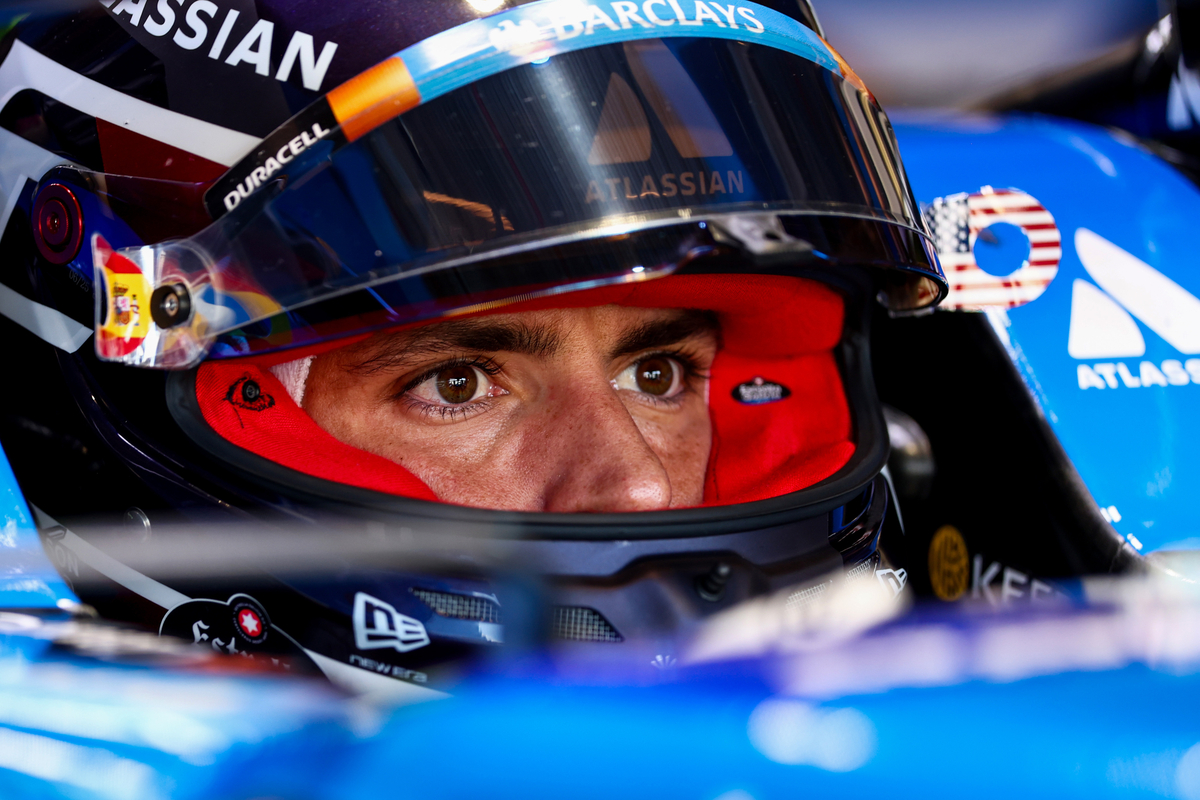
- How quickly drivers Alex Albon and Carlos Sainz can adapt to the car's braking stability and overall balance will be a key early indicator of the concept's potential.
- Success in Melbourne will depend heavily on what is learned—and potentially fixed—in the short window between the Bahrain test and the Australian Grand Prix.
Don't miss the next lap
Get the deep dives and technical analysis from the world of F1 delivered to your inbox twice a week.
Zero spam. Only high-octane analysis. Unsubscribe anytime.
Join the inner circle
Get the deep dives and technical analysis from the world of F1 delivered to your inbox twice a week.
Zero spam. Only high-octane analysis. Unsubscribe anytime.