Zak Brown dismisses Mercedes engine complaints as 'typical F1 politics'
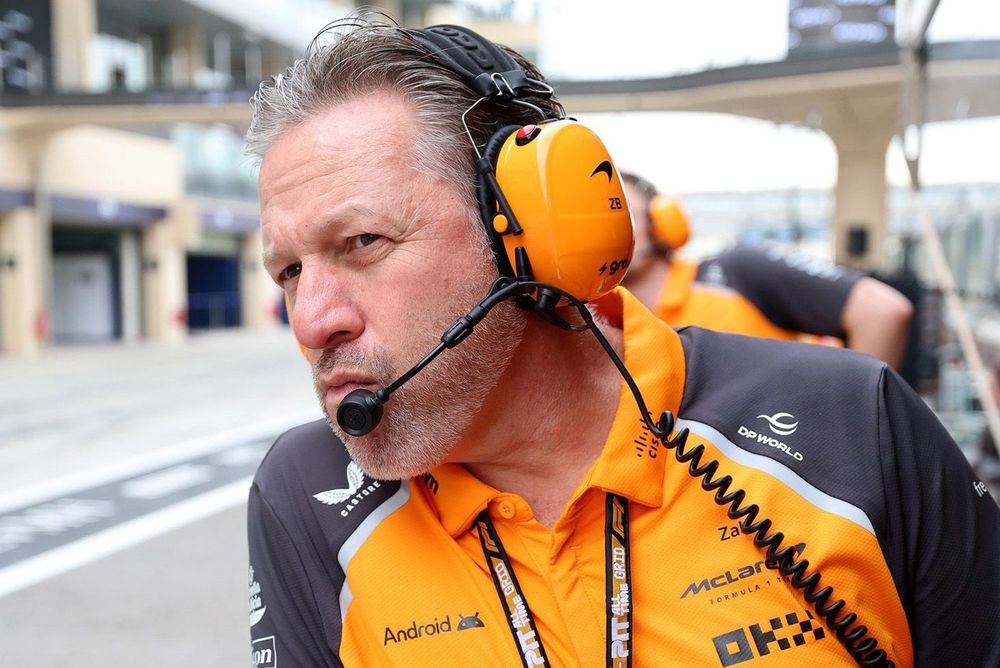
McLaren CEO Zak Brown has brushed off complaints from rival F1 manufacturers about Mercedes' power unit, calling the dispute "typical politics." He insists the Mercedes engine is fully legal and has passed all FIA tests, downplaying claims of a significant performance advantage from an alleged compression ratio loophole.
McLaren CEO Zak Brown has labeled the ongoing controversy surrounding the Mercedes power unit's compression ratio as "typical politics of Formula 1," defending the engine's legality and downplaying any significant performance advantage. The dispute centers on rival manufacturers' belief that Mercedes exploits a regulatory loophole, but Brown asserts the power unit is fully compliant and has passed all FIA tests.
Why it matters:
This public dismissal from a key Mercedes customer team CEO underscores the political dimension of technical regulations in F1. It highlights the tension between innovation within the rules and the perception of fairness, a recurring theme that can influence regulatory changes and team dynamics. The outcome could set a precedent for how the FIA manages technical interpretations in the new engine era.
The details:
- The core issue is the V6 engine's compression ratio, officially capped at 16:1 and measured by the FIA in cold, static conditions. Rivals Audi, Honda, and Ferrari suspect Mercedes has engineered a way to effectively increase this ratio under hot, running conditions for a power gain.
- Brown firmly backed Mercedes High Performance Powertrains (HPP), stating the engine is "totally compliant within the rules" and comparing the situation to past innovations like double diffusers.
- He directly countered rival narratives, saying, "I don't believe there's a significant advantage as being represented by the competition," attributing the fuss to competitive gamesmanship.
- The FIA and Power Unit Advisory Committee are discussing potential countermeasures, such as conducting tests on warmed-up engines or adding sensors. However, any rule change requires a super-majority vote from manufacturers, the FIA, and FOM.
What's next:
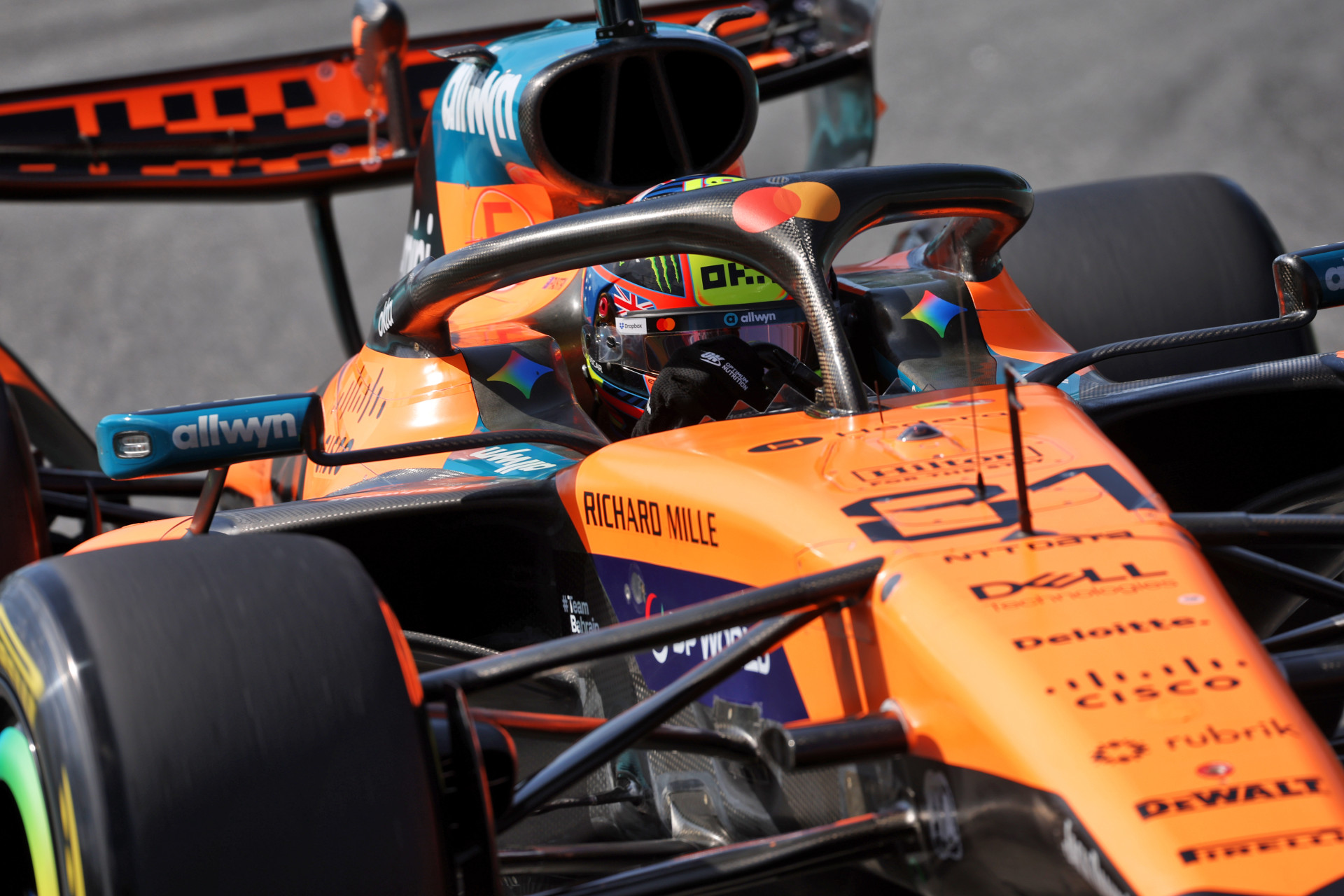
The FIA aims to resolve the matter before the 2026 season to avoid prolonged controversy. Immediate changes before the season opener in Melbourne appear unlikely, as they could necessitate complex modifications from Mercedes. Brown expressed confidence that all Mercedes-powered teams, including McLaren, Williams, and Alpine, will be on the grid in Australia, dismissing any speculation to the contrary. The discussions will continue behind closed doors, testing the governance process and the balance between technical ingenuity and the sporting regulations.
Don't miss the next lap
Get the deep dives and technical analysis from the world of F1 delivered to your inbox twice a week.
Zero spam. Only high-octane analysis. Unsubscribe anytime.
Join the inner circle
Get the deep dives and technical analysis from the world of F1 delivered to your inbox twice a week.
Zero spam. Only high-octane analysis. Unsubscribe anytime.
Continue Reading
View More News