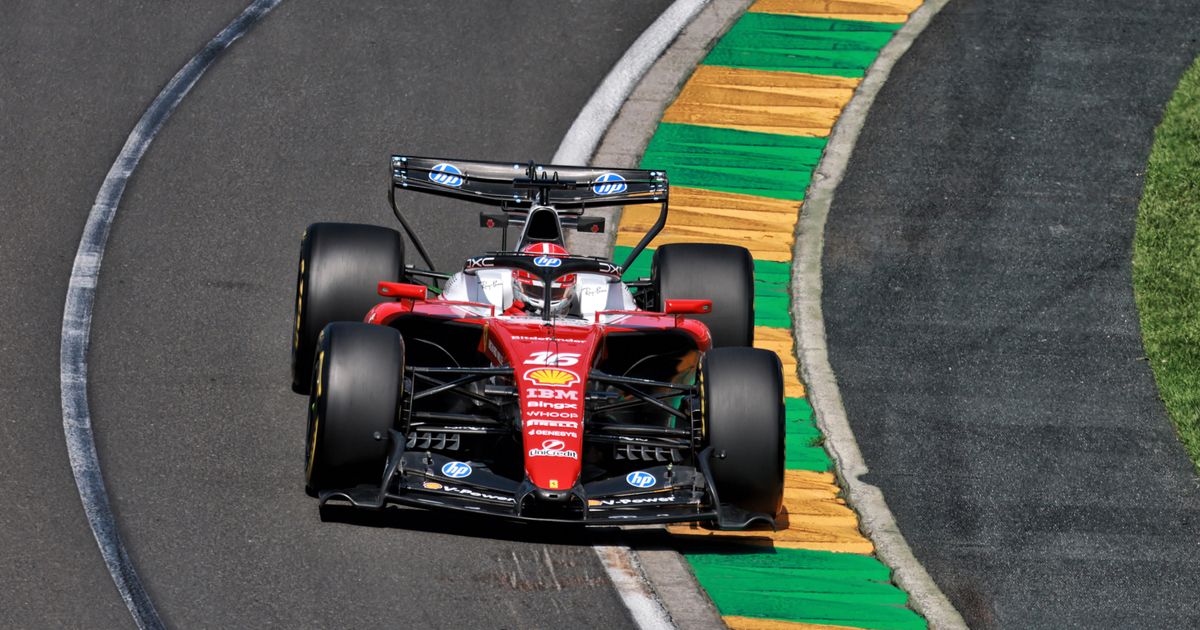
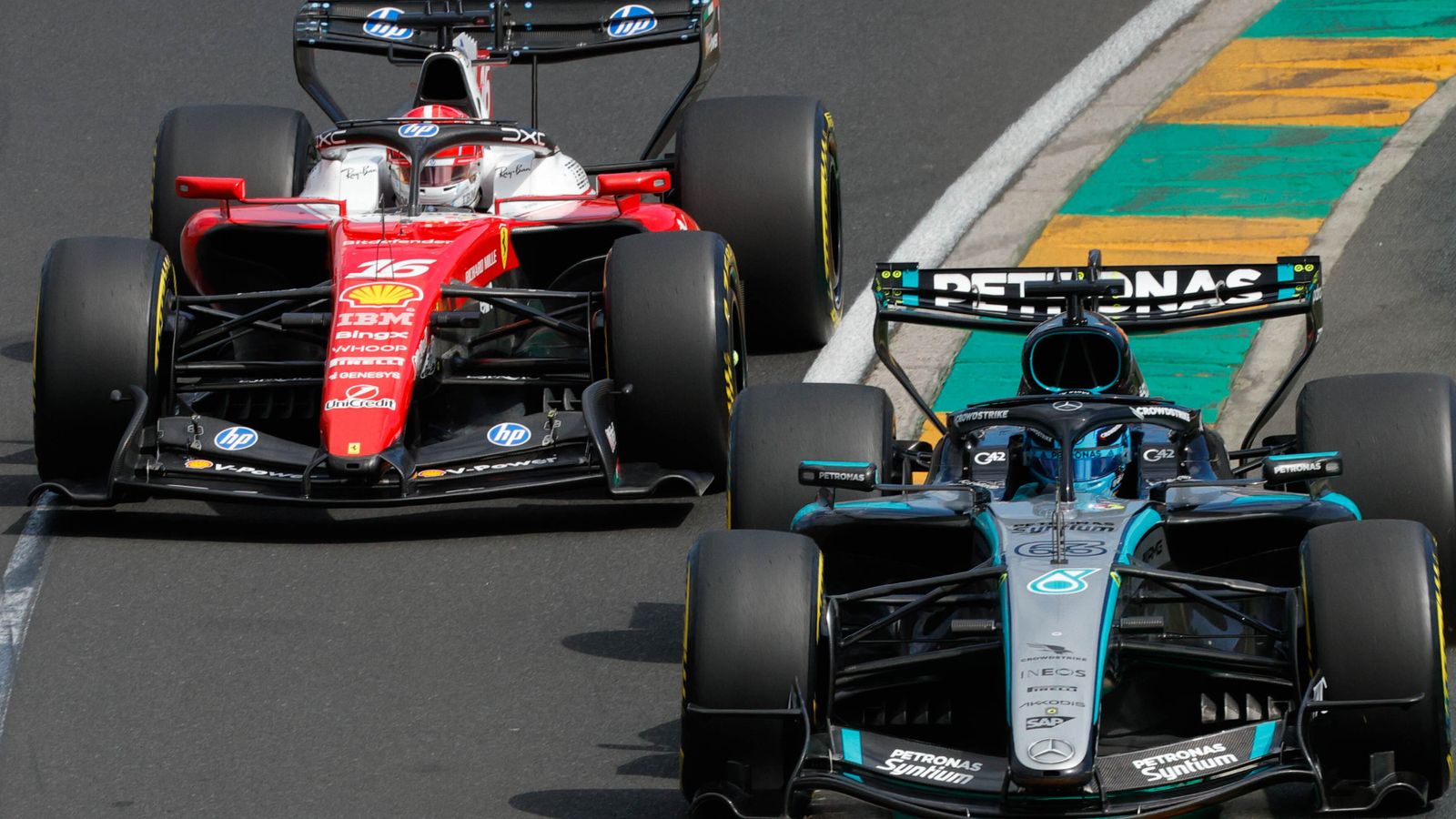
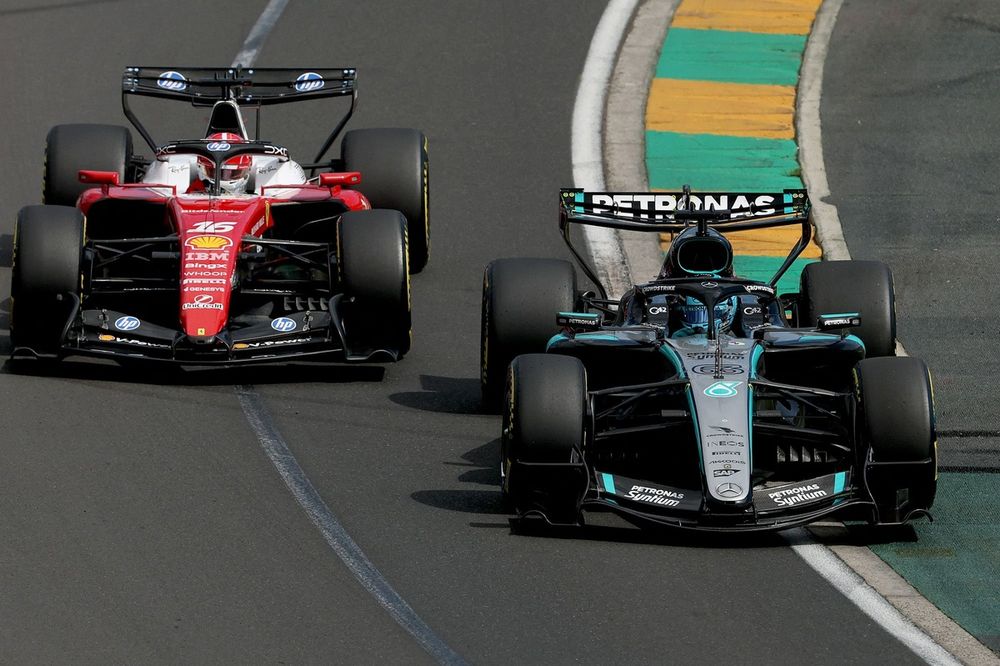
Ferrari will race its innovative rotating 'Macarena' rear wing for the first time at the Chinese GP, after fast-tracking its development following FIA approval. The design, which creates a DRS effect by rotating the wing profile, could provide a significant straight-line speed boost, but its debut comes on a challenging Sprint weekend with limited practice time.
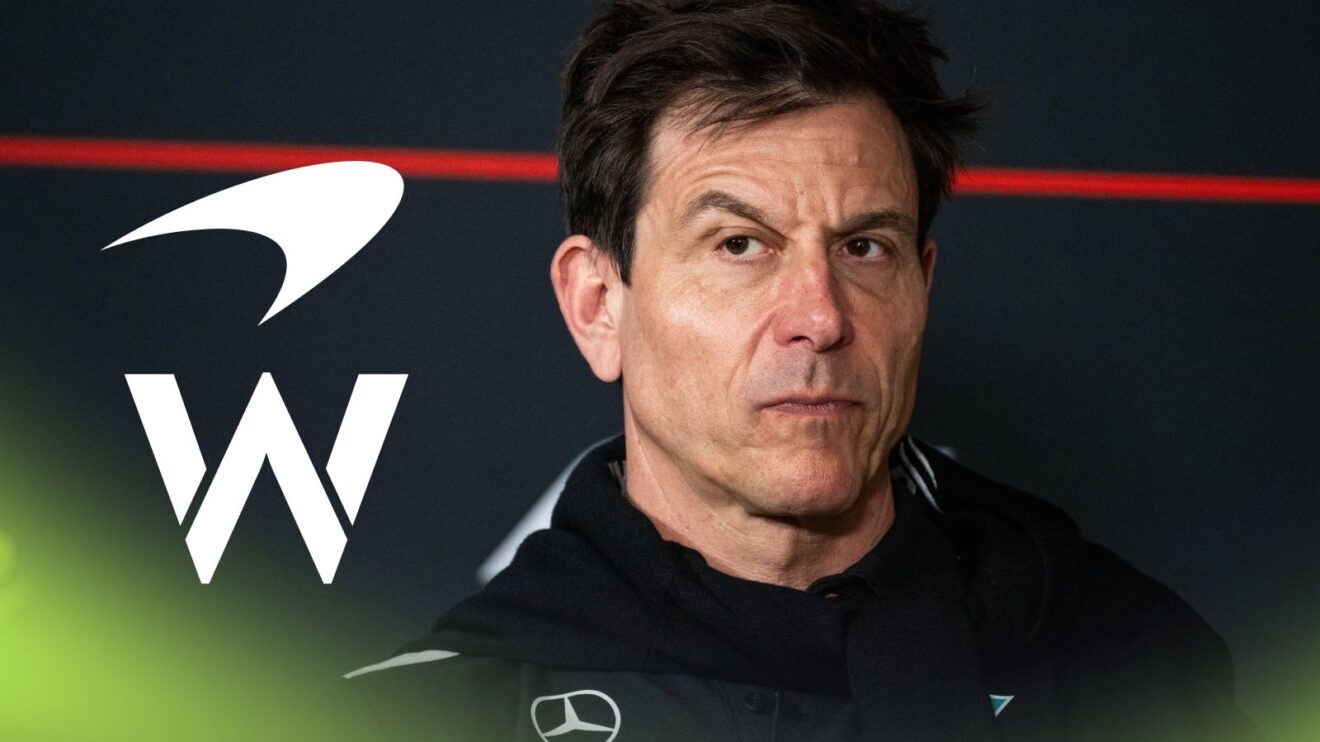
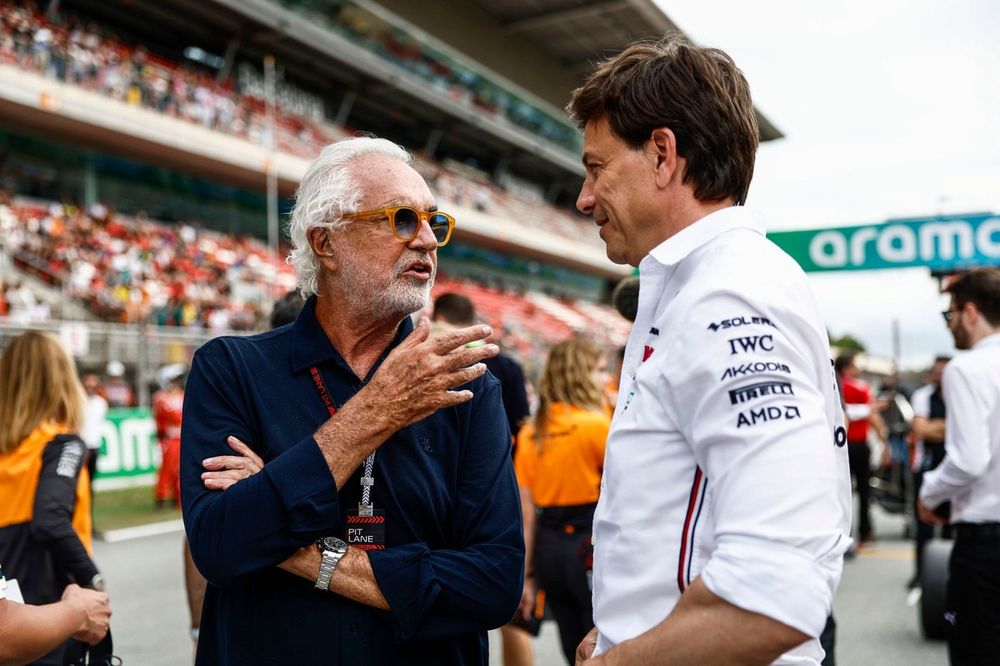
Christian Horner and Toto Wolff are reportedly among those interested in acquiring a 24% stake in the Alpine F1 team from Otro Capital. The move highlights the strategic and commercial value of F1 assets, with implications for Alpine's future and its relationship with engine supplier Mercedes.
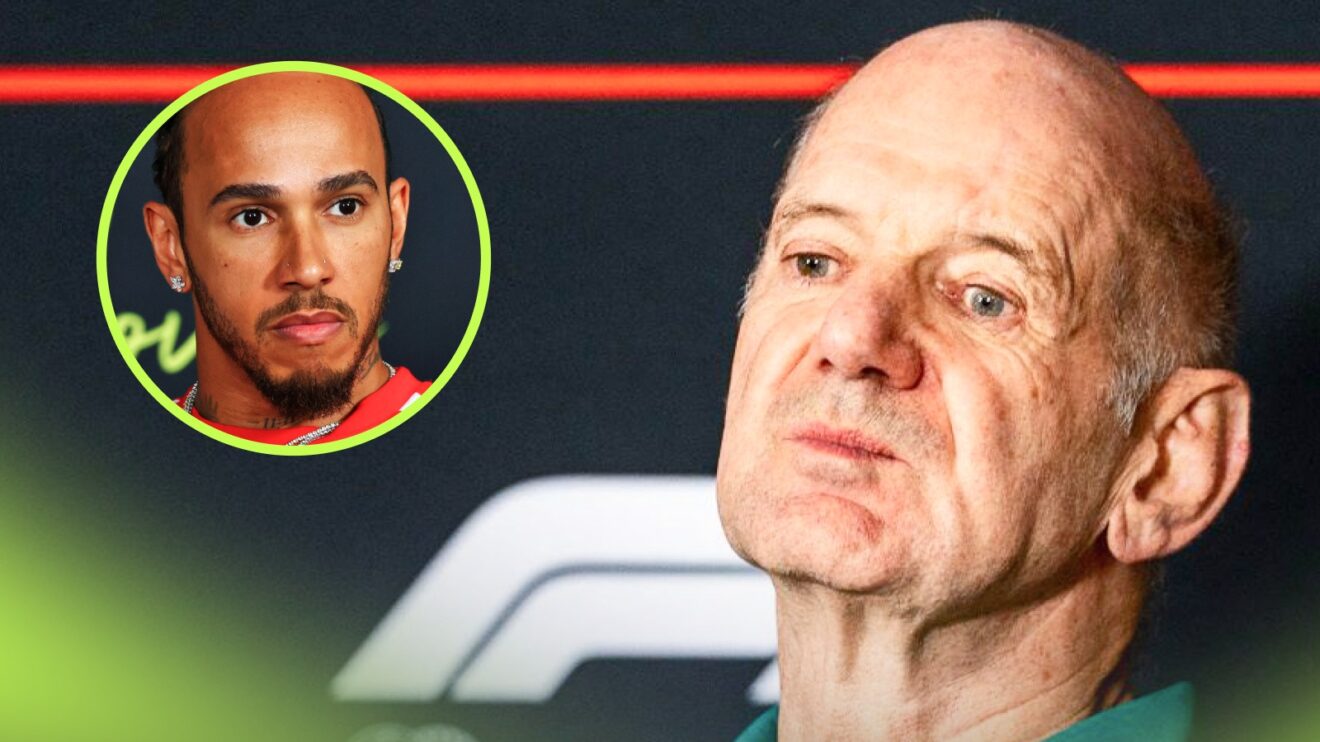
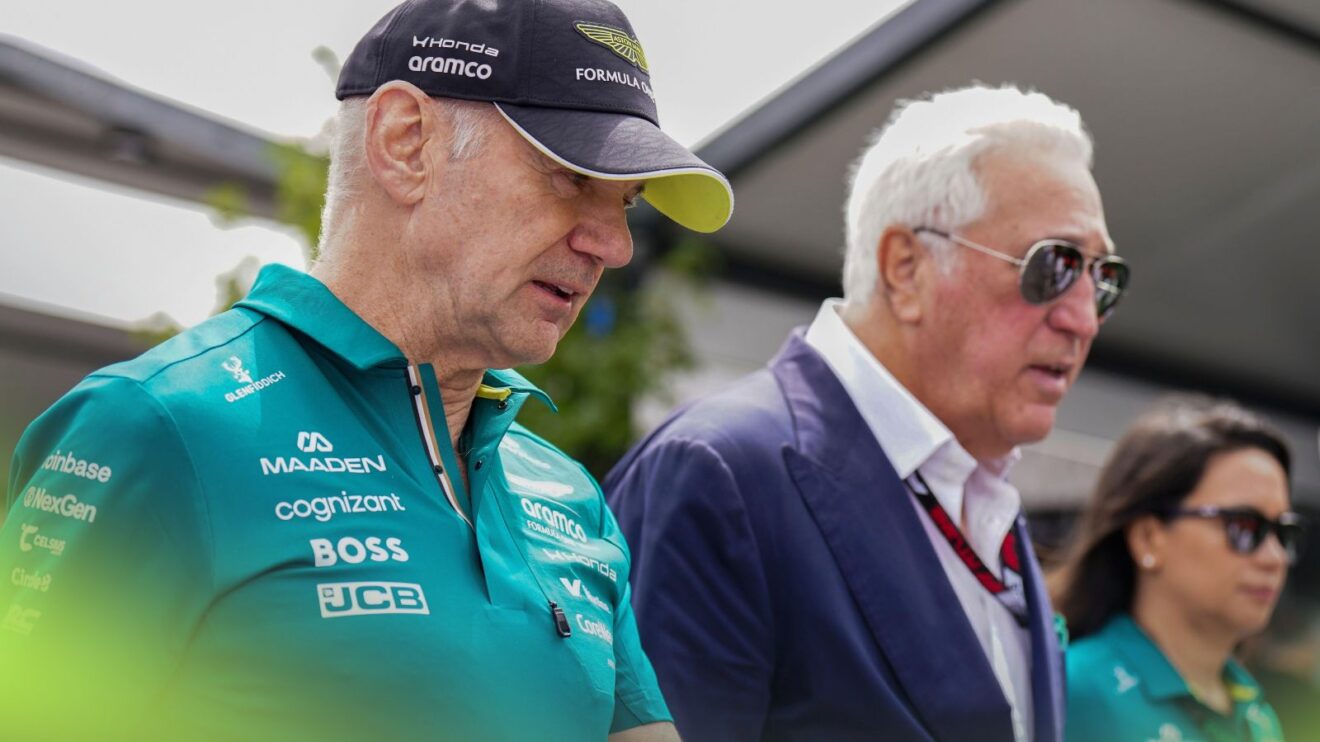
Aston Martin's Adrian Newey was seen studying Lewis Hamilton's Ferrari SF-26 on the Albert Park grid, highlighting his hands-on analysis of rival designs. This comes after a tough start for his own team and spotlights Ferrari's technically ambitious car, which is currently seen as the closest challenger to dominant Mercedes.
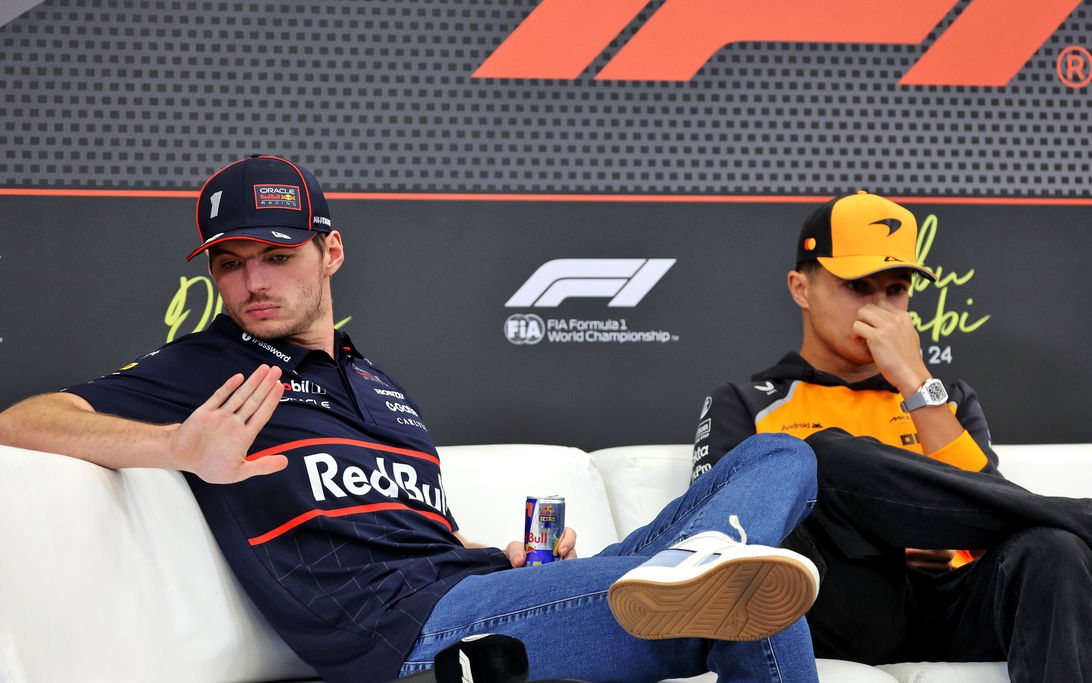
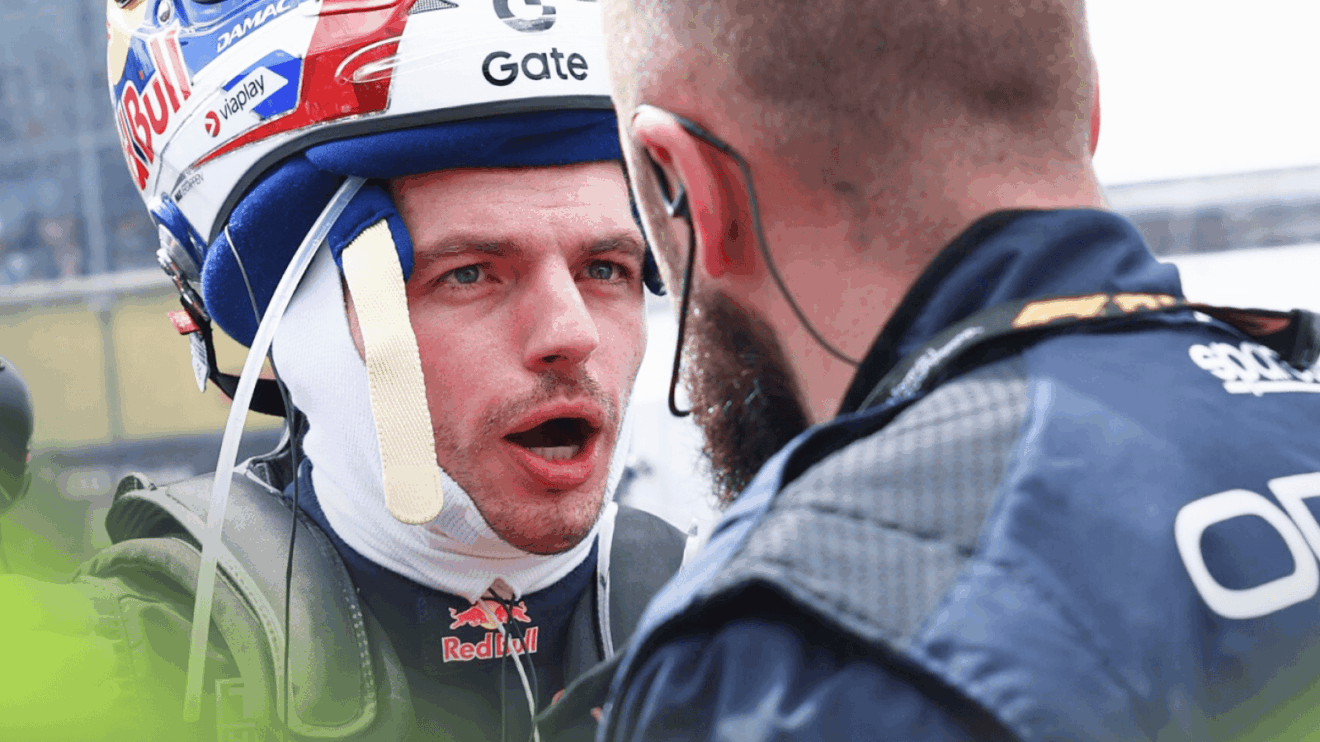
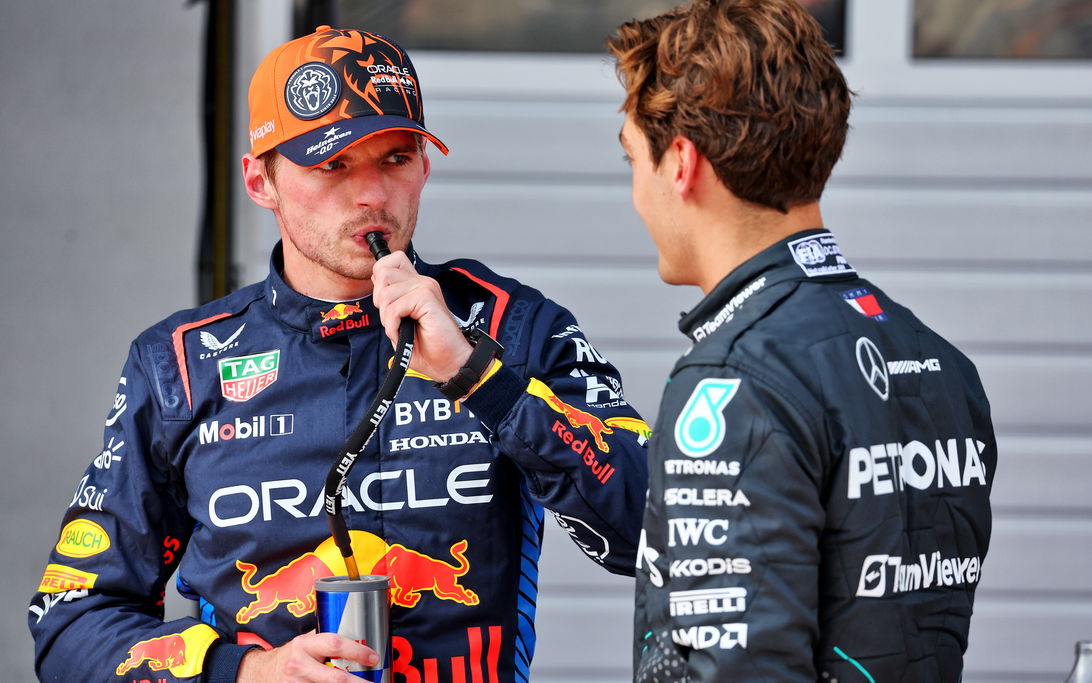
Untransmitted team radio from the Australian GP reveals Max Verstappen's intense frustration with F1's 2026 cars, citing battery, tyre, and deployment issues. The four-time champion labeled them "super frustrating to drive," highlighting a stark contrast with race winner George Russell's positive assessment and putting the new regulations under immediate scrutiny.
Ex-F1 racer Eddie Irvine tips George Russell for a strong year with Mercedes but says he'd sign Max Verstappen first if he owned a team. He also criticized F1's new complex engine rules, advocating for simpler, louder V8s with renewable fuel instead.
Honda has admitted its power unit's severe vibration issue, a safety and performance crisis for Aston Martin, won't be fixed until the Japanese GP at the earliest. This leaves the team facing another compromised weekend in China, especially challenging due to the Sprint format limiting practice time to find temporary solutions.
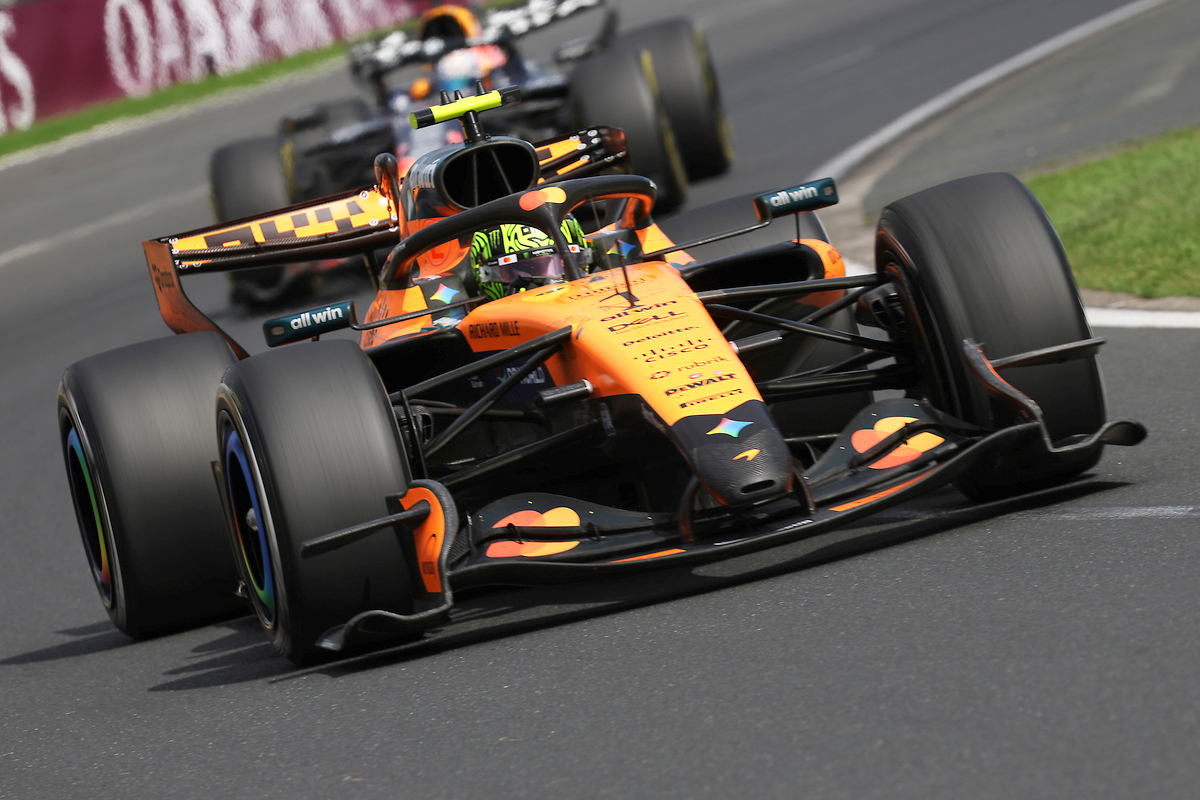
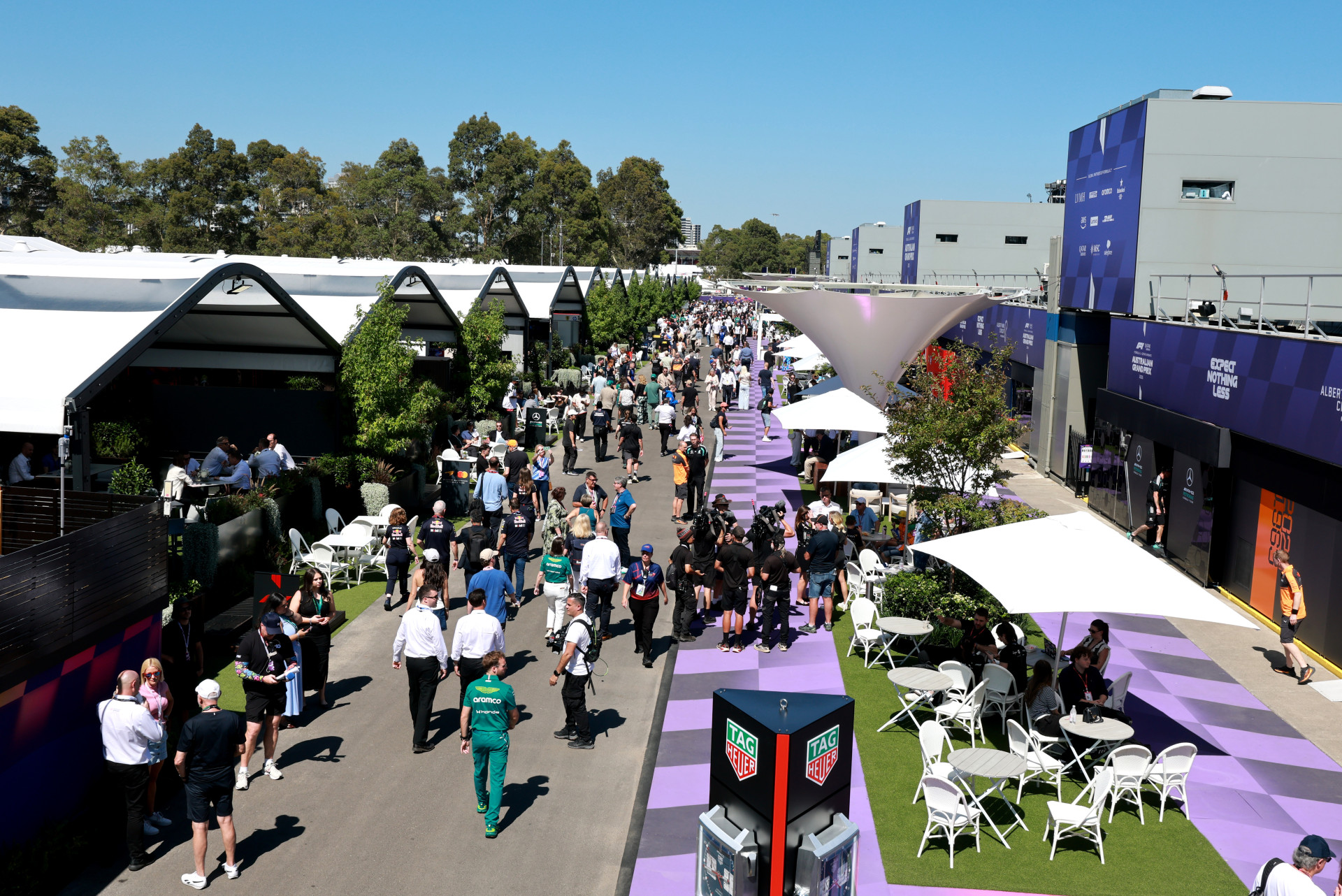
The Australian Grand Prix served as the chaotic debut for F1's new technical regulations, featuring random crashes, energy-saving mandates, and penalties that have sparked a major debate about whether the changes are improving racing or creating artificial and confusing spectacle.
A roundup of key stories from the Australian GP weekend reveals Lewis Hamilton's unique enjoyment of the new F1 cars, Max Verstappen's confirmed debut in the 24 Hours of Nürburgring, and a potential shock move by Toto Wolff to acquire a stake in Alpine, setting up a new clash with Christian Horner.
The 2026 F1 regulations are under fire for forcing drivers to manage complex battery systems instead of racing on the limit. Practices like 'Super-Clipping'—where cars coast on straights to harvest energy—are creating an unnatural and processional spectacle, leading to calls for urgent fixes to preserve the sport's core racing identity.
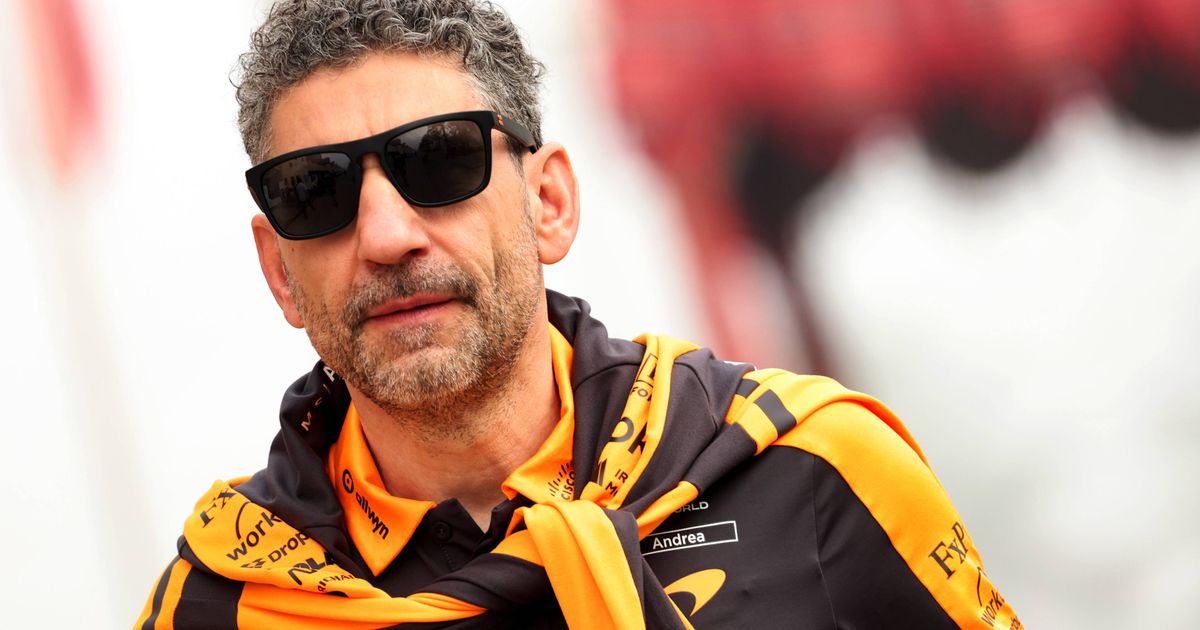
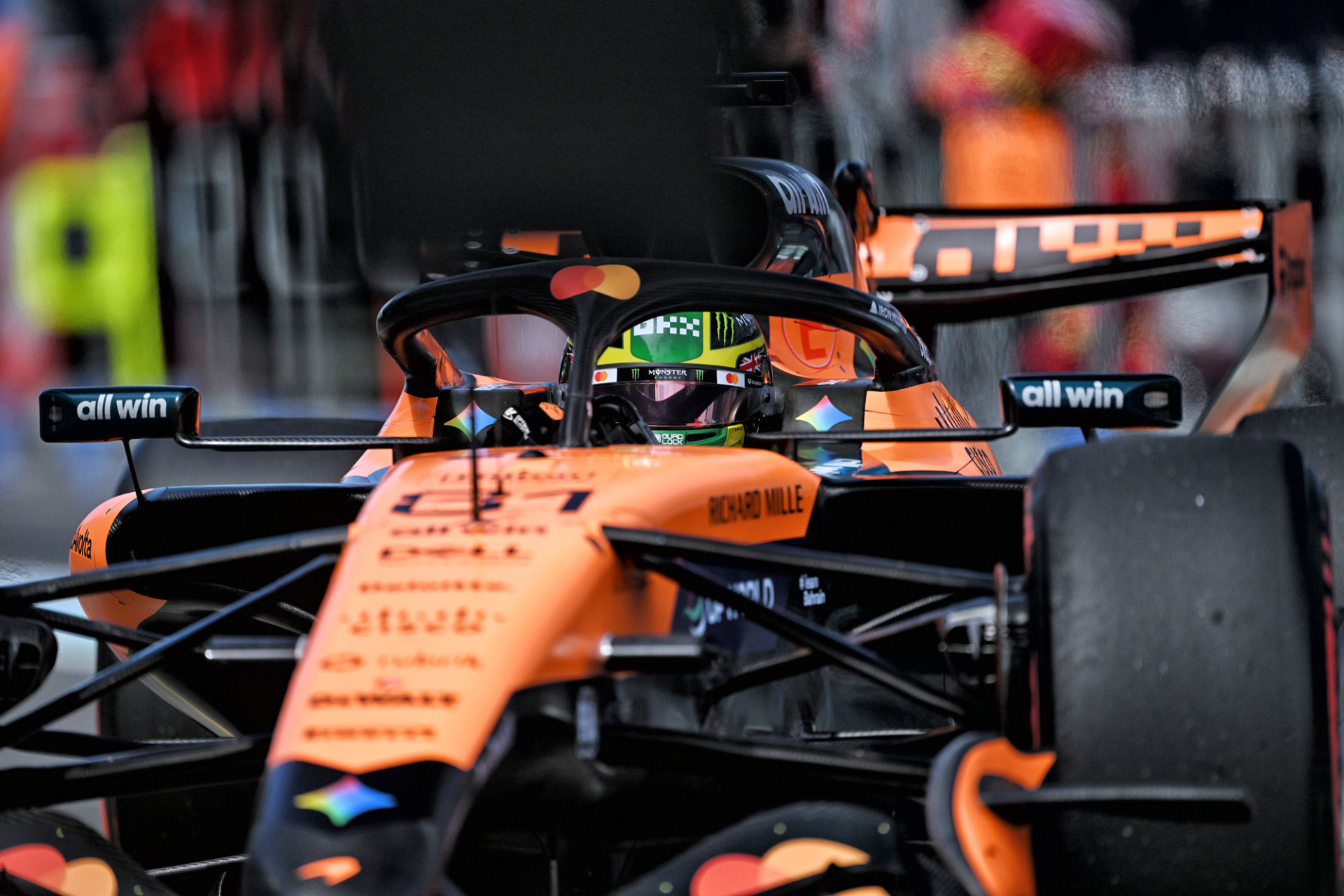
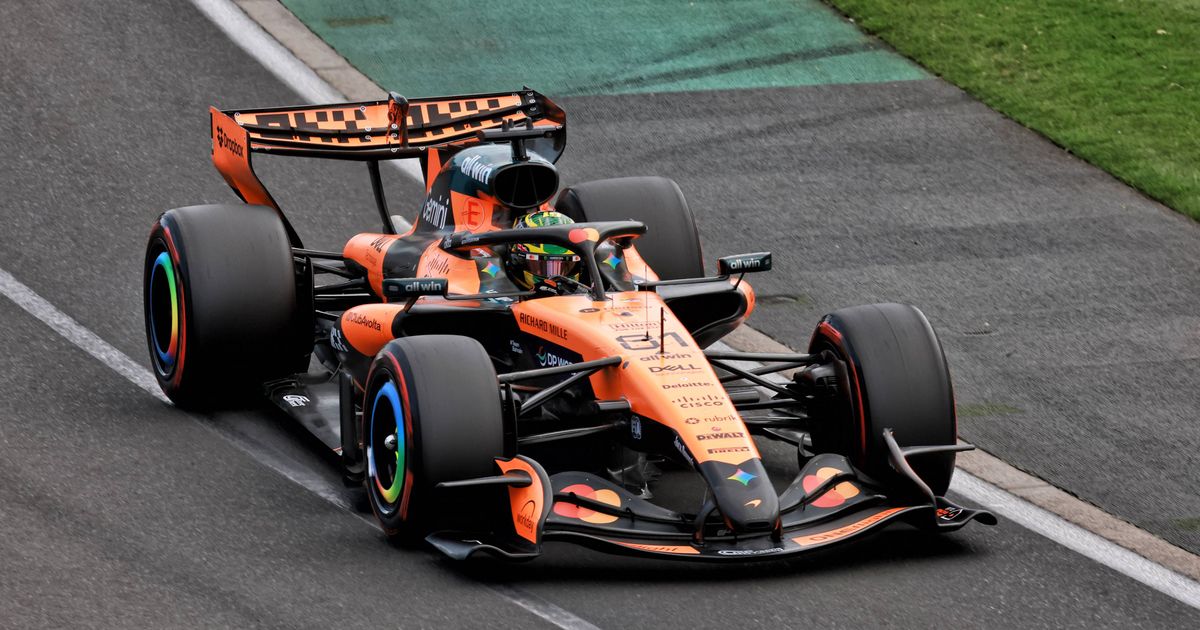
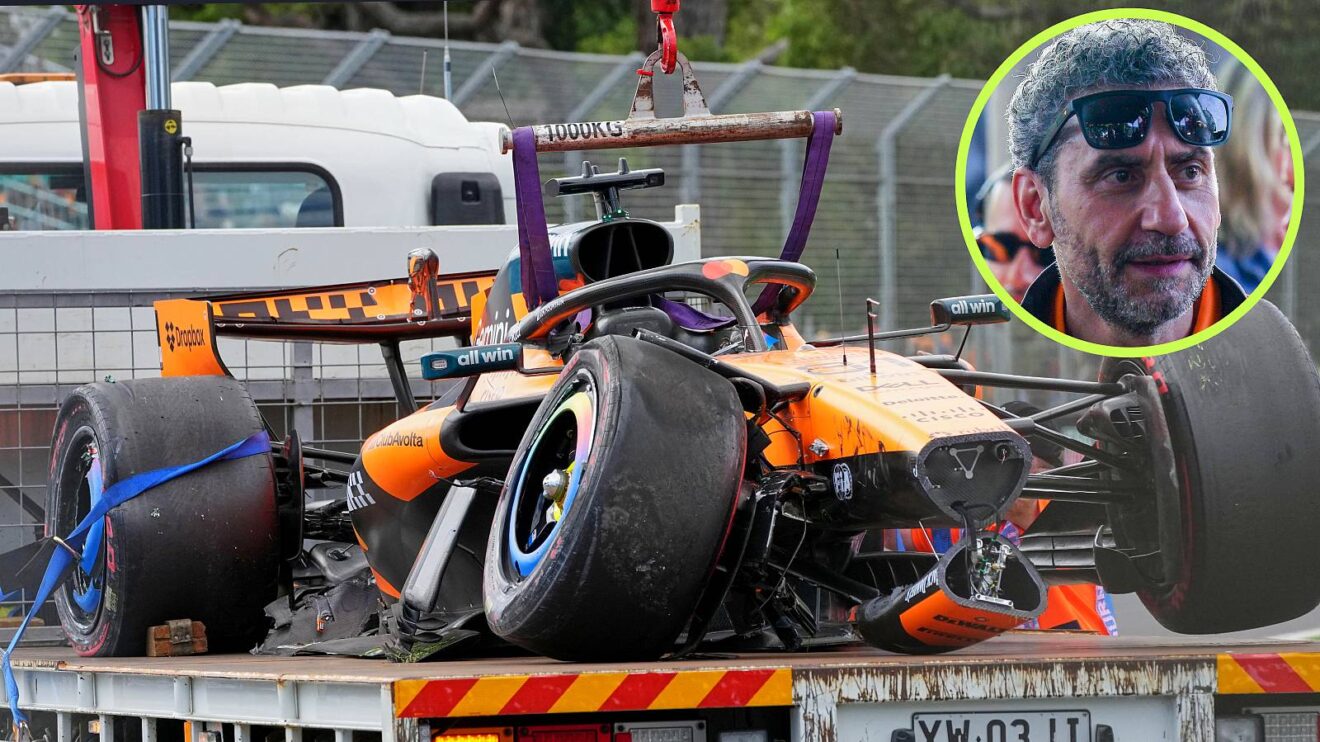
Oscar Piastri's home Grand Prix ended before it began with a crash on the reconnaissance lap, caused by the aggressive power delivery of F1's new 2026 cars. McLaren Team Principal Andrea Stella has pledged the team's full support, highlighting the mental challenge for the Australian driver and underscoring broader concerns about the latest technical regulations.
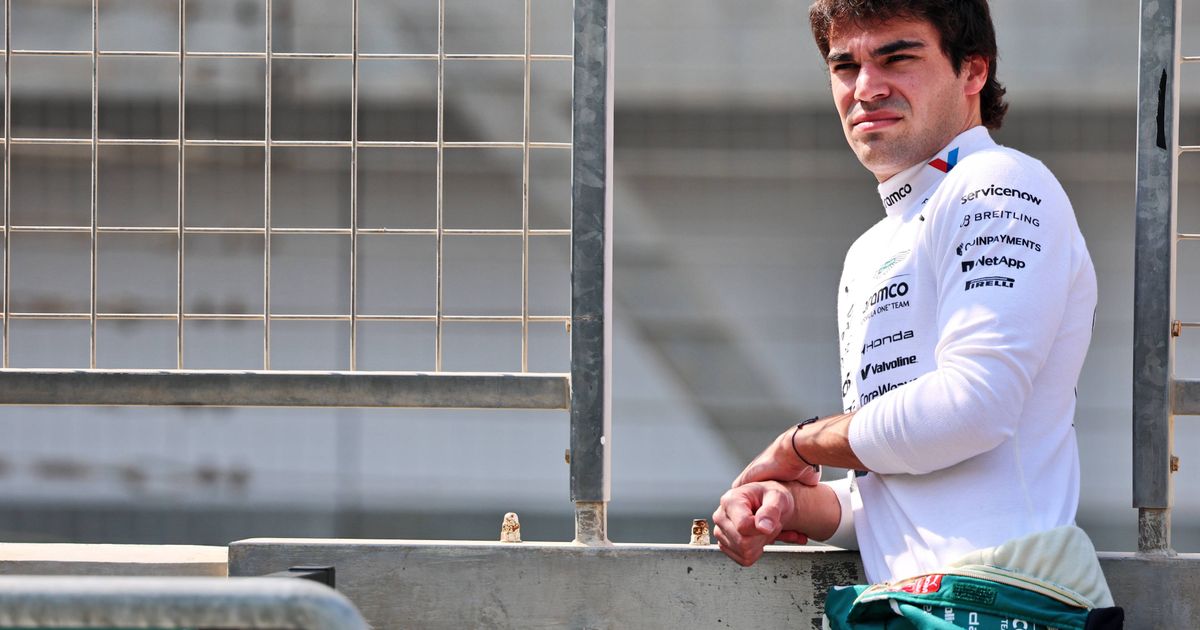
Lance Stroll gave a bleak review of Aston Martin's Australian GP, saying the team merely "circulated" due to a severe lack of speed and reliability. Teammate Fernando Alonso also retired early, underscoring a weekend where fundamental car problems overshadowed any racing ambition.
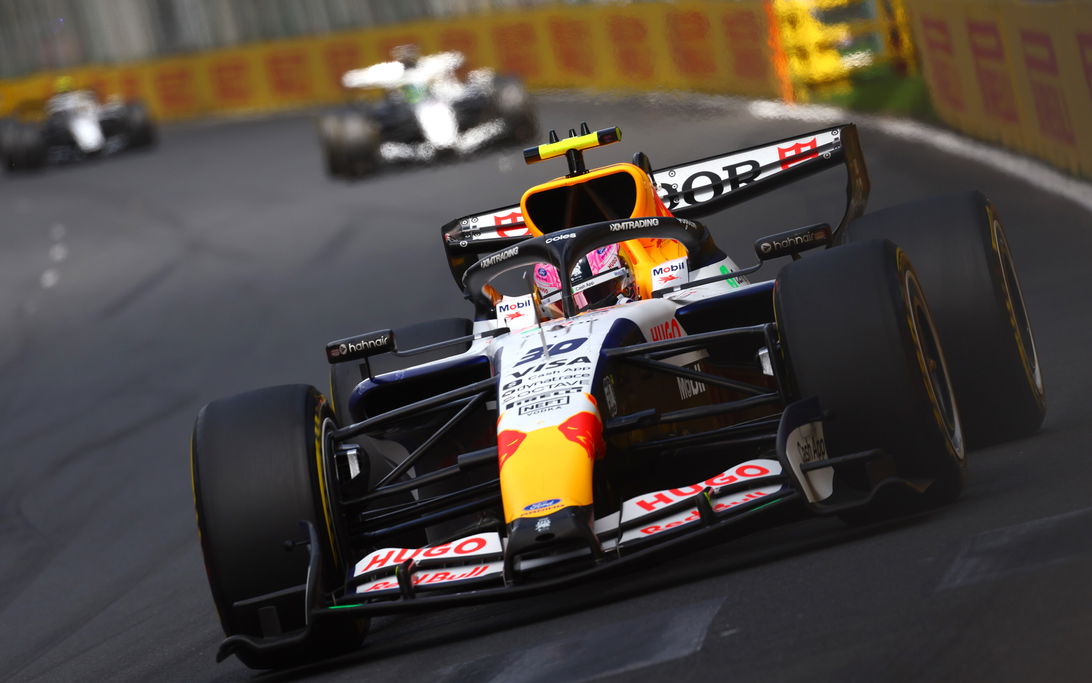
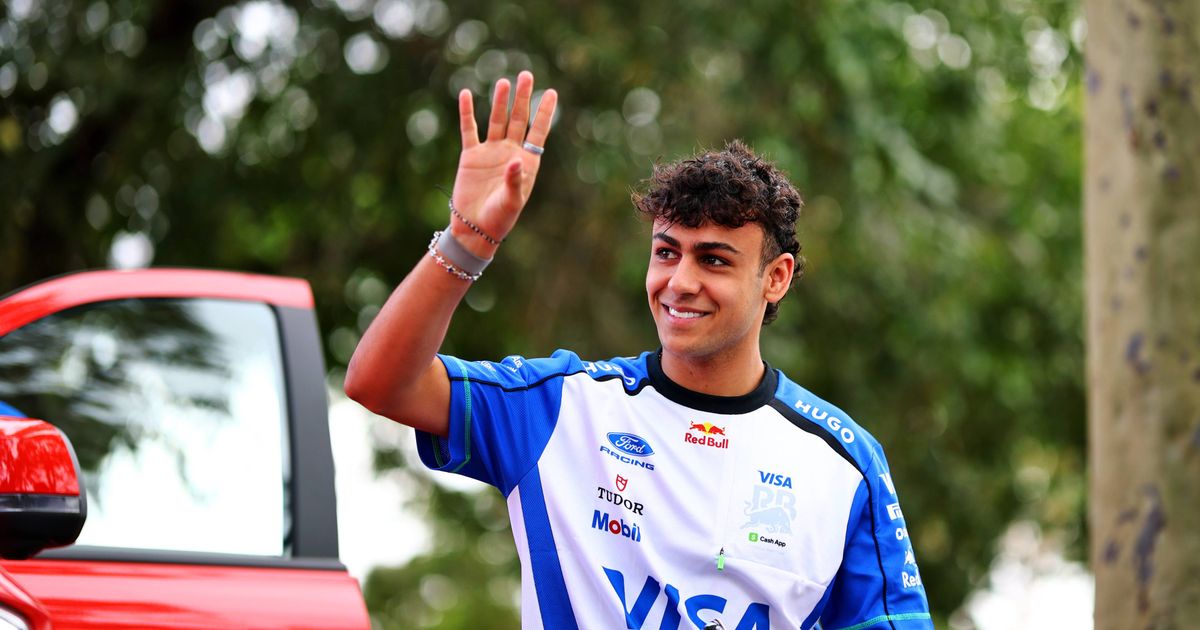
In a sensational Formula 1 debut at the Australian GP, British rookie Arvid Lindblad finished eighth to score points for Visa Cash App RB. The 18-year-old starred in battles with Lewis Hamilton and Max Verstappen, calling the experience "pretty nuts" and instantly marking himself as a talent to watch.