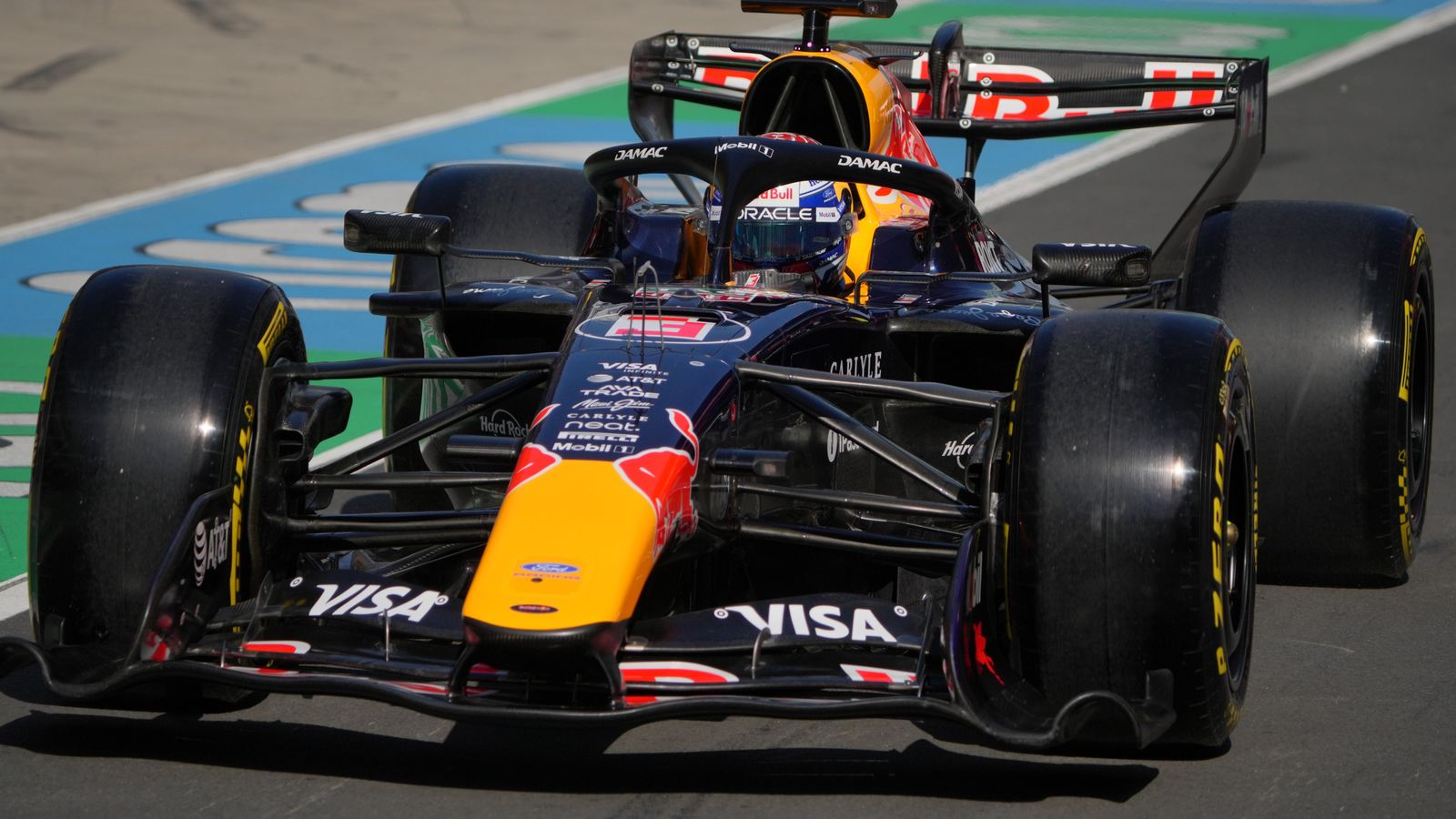
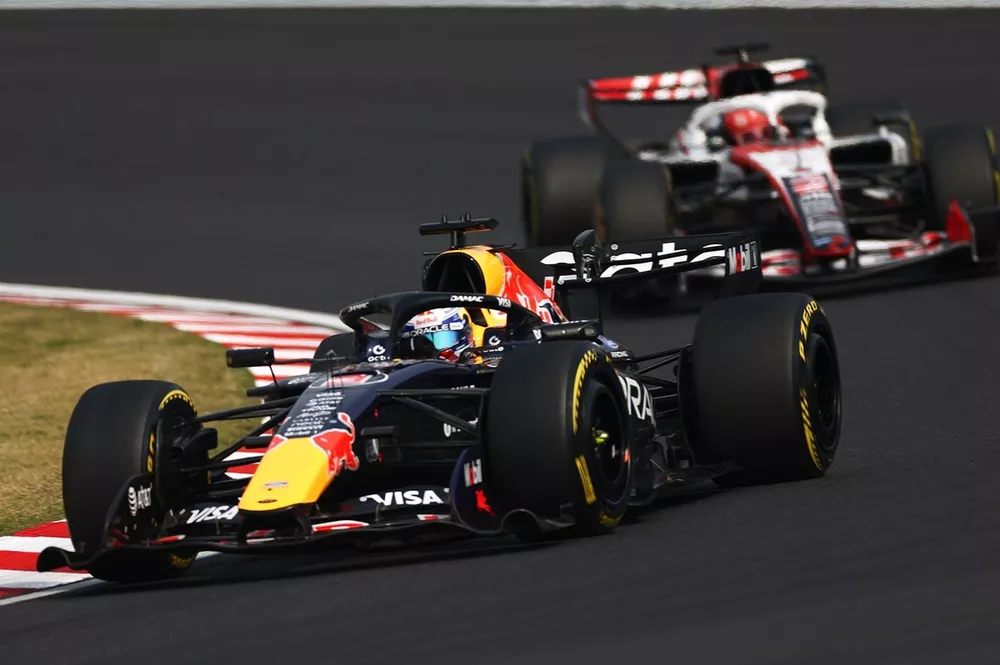
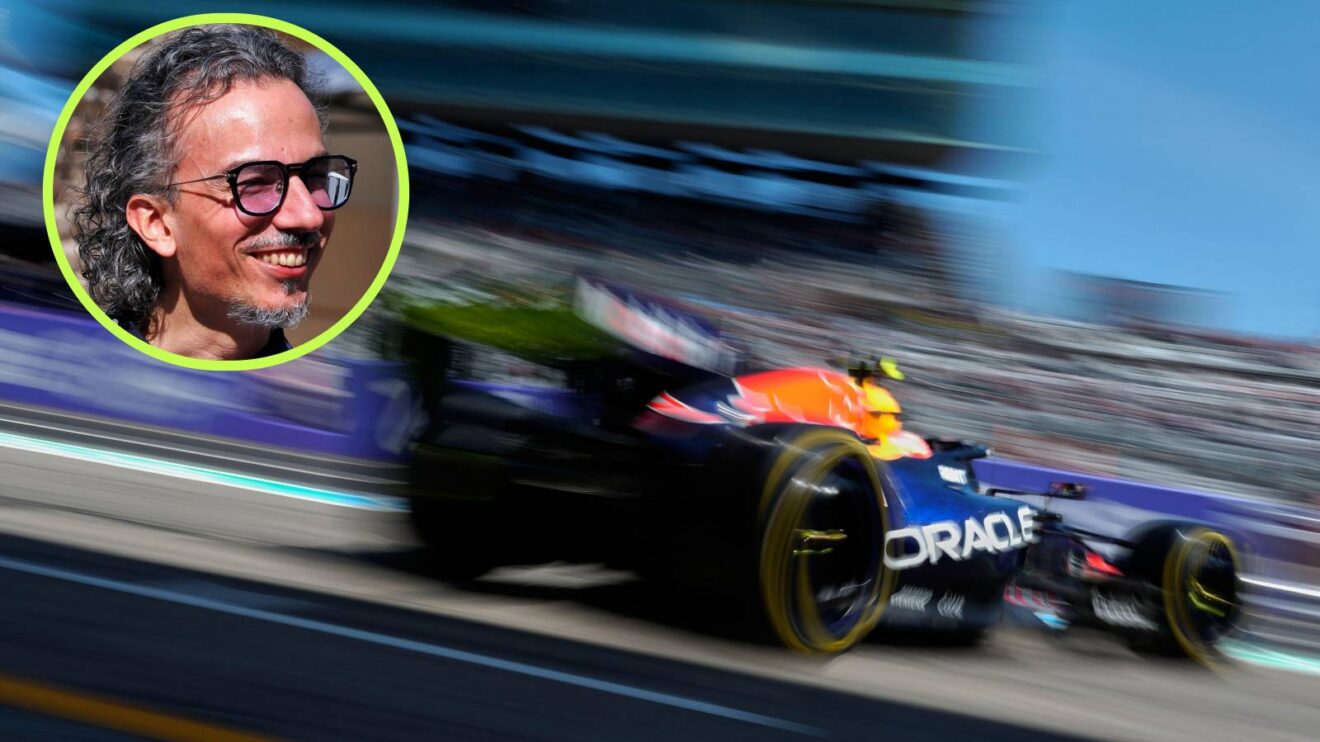
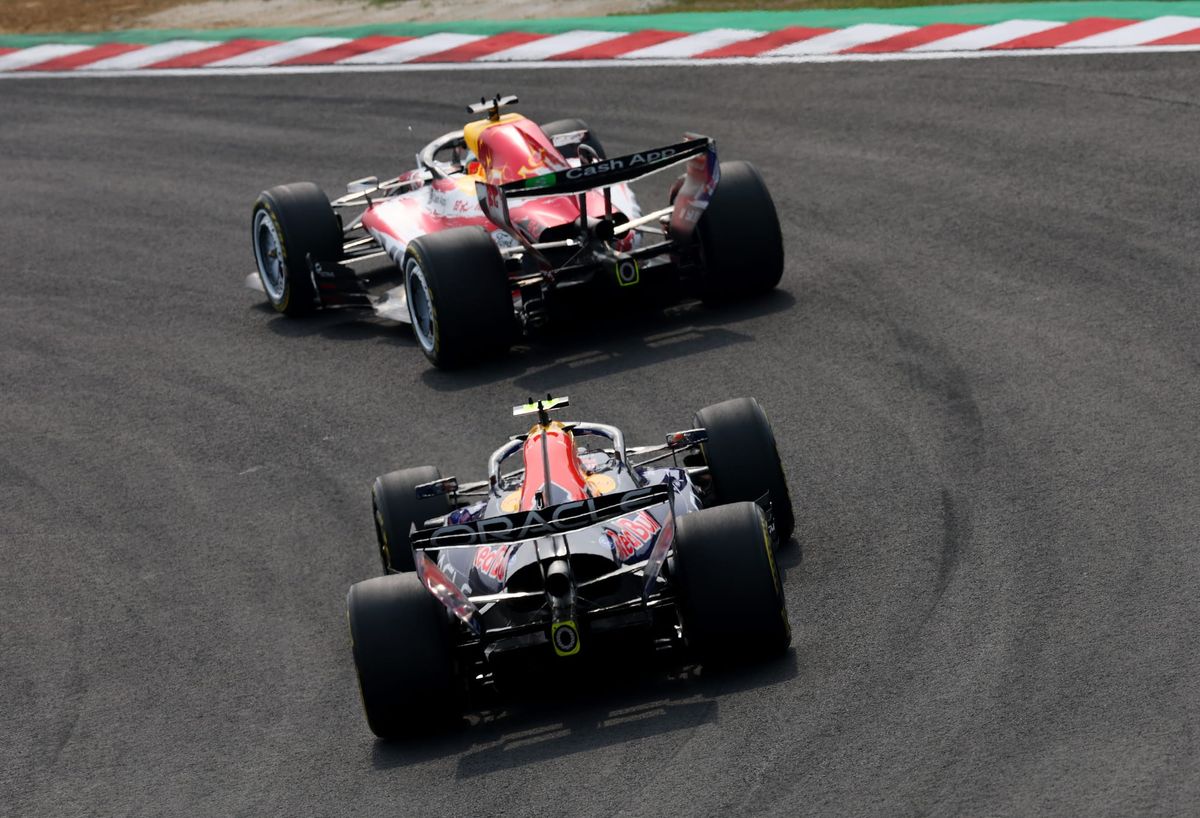
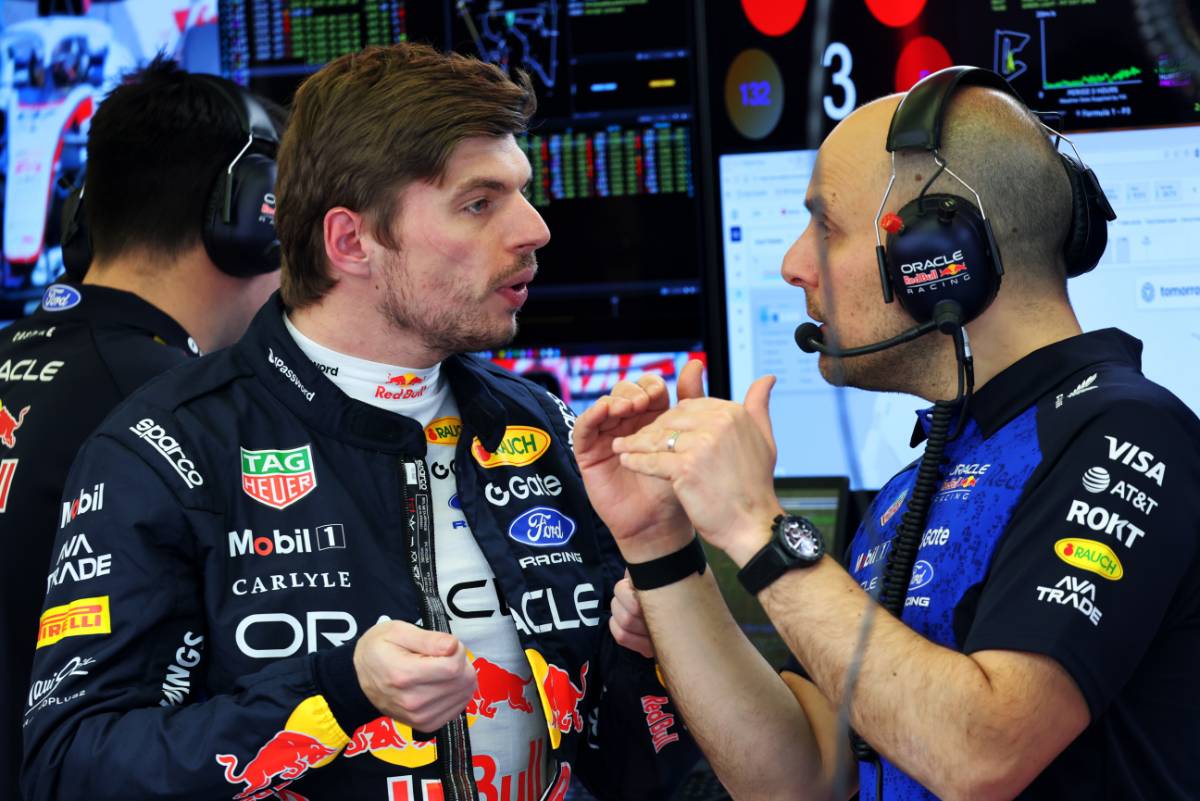
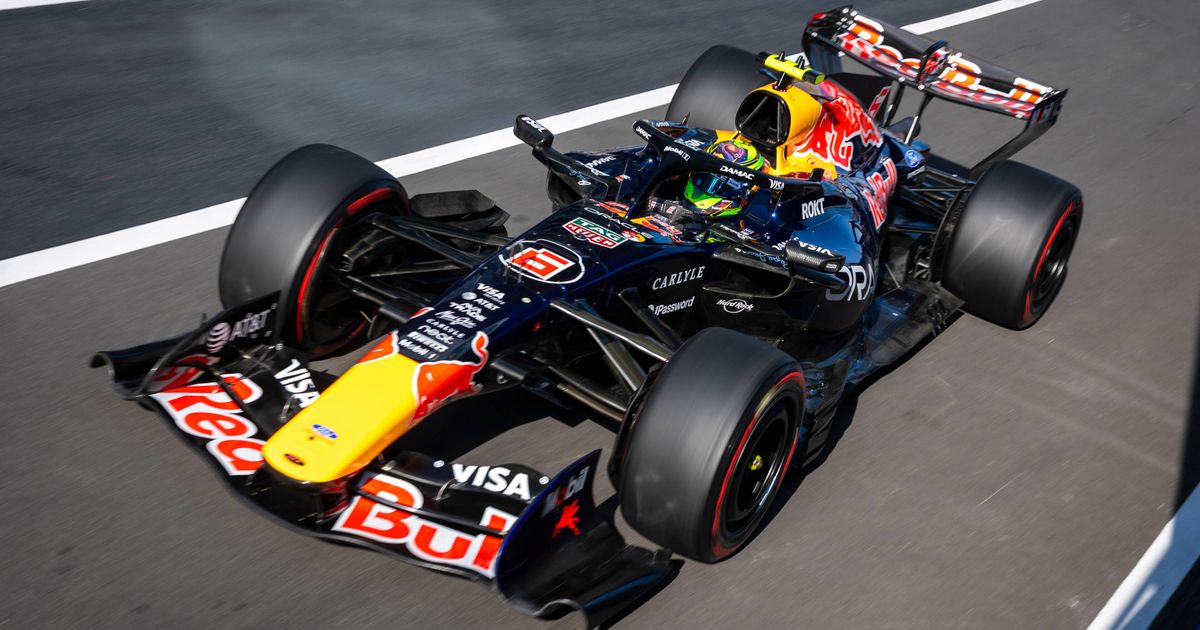
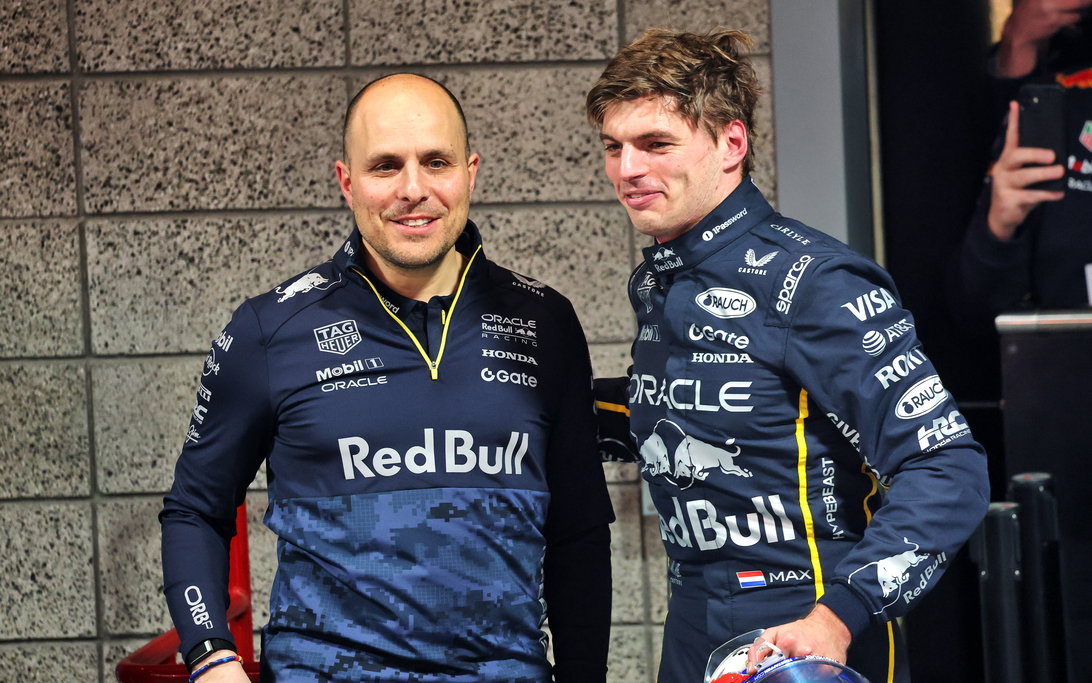
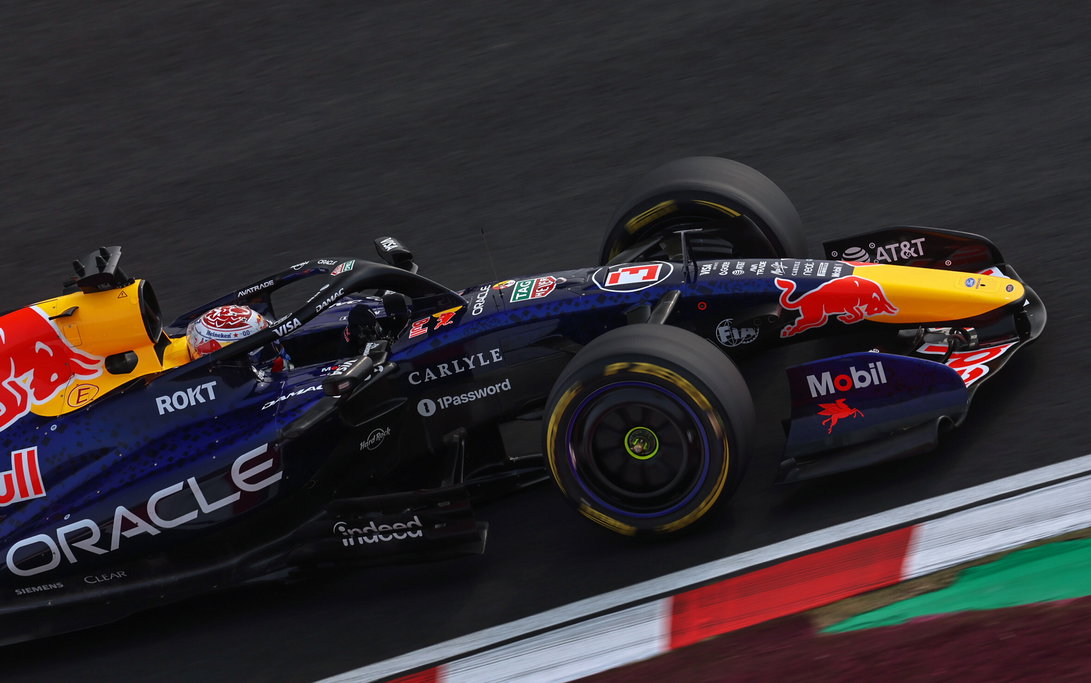
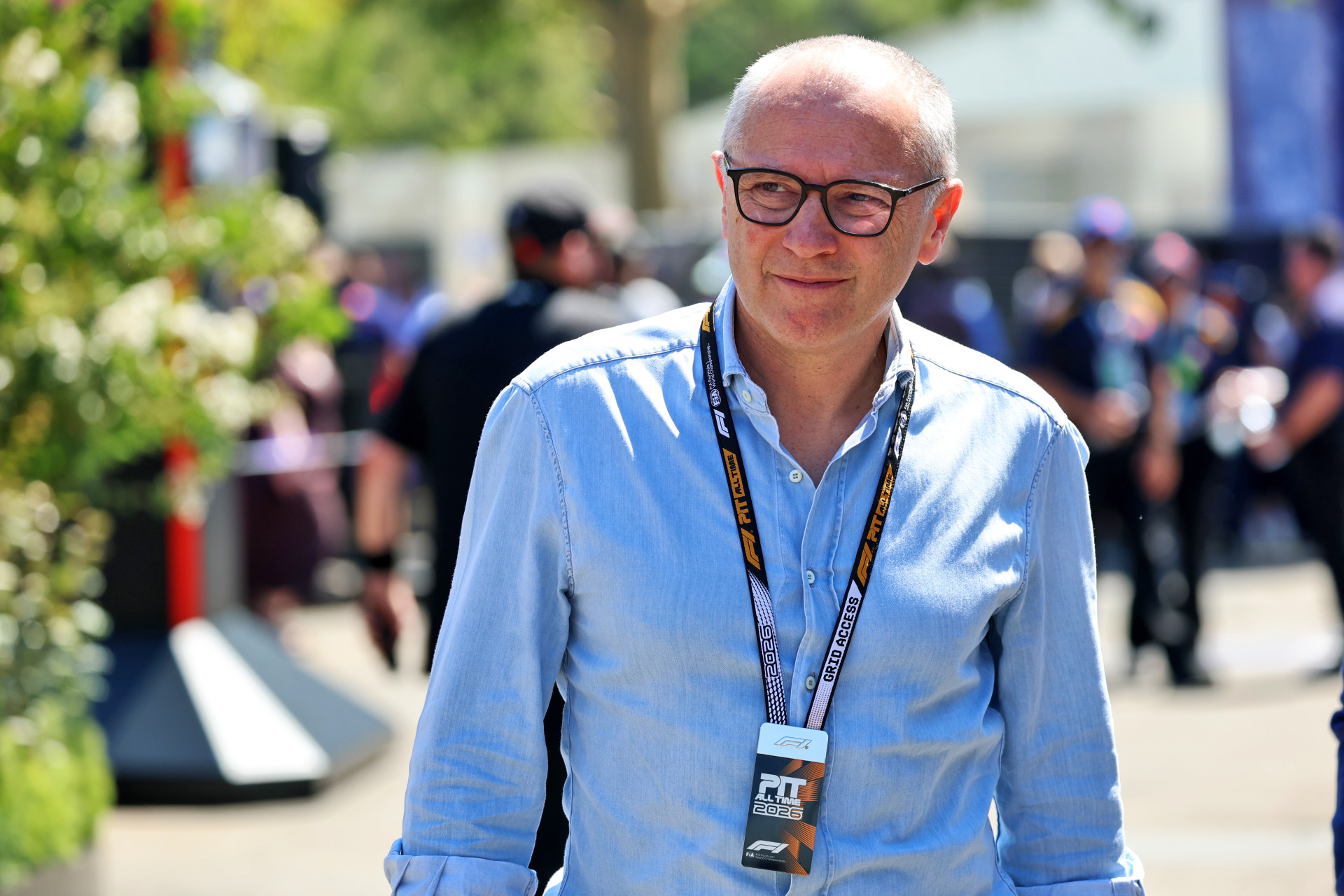
Red Bull Racing has restructured its technical team, promoting Ben Waterhouse to a chief role and hiring Andrea Landi from sister team Racing Bulls. The changes aim to boost performance and innovation as the team struggles in sixth place early in the 2026 season. This follows a trend of key personnel leaving for rivals, making internal stabilization a priority.
Red Bull Racing has restructured its technical team, promoting Ben Waterhouse to a new senior integration role and hiring Andrea Landi from sister team Racing Bulls as the new Head of Performance. The changes aim to improve development speed as the team battles early-season car issues, while also countering recent high-profile staff departures to rivals.
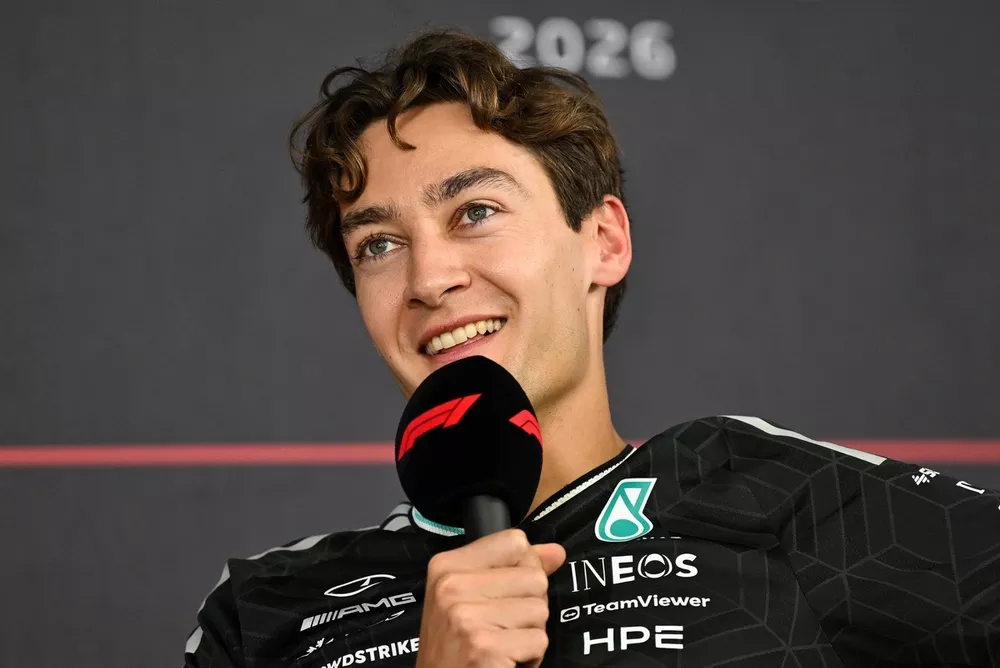
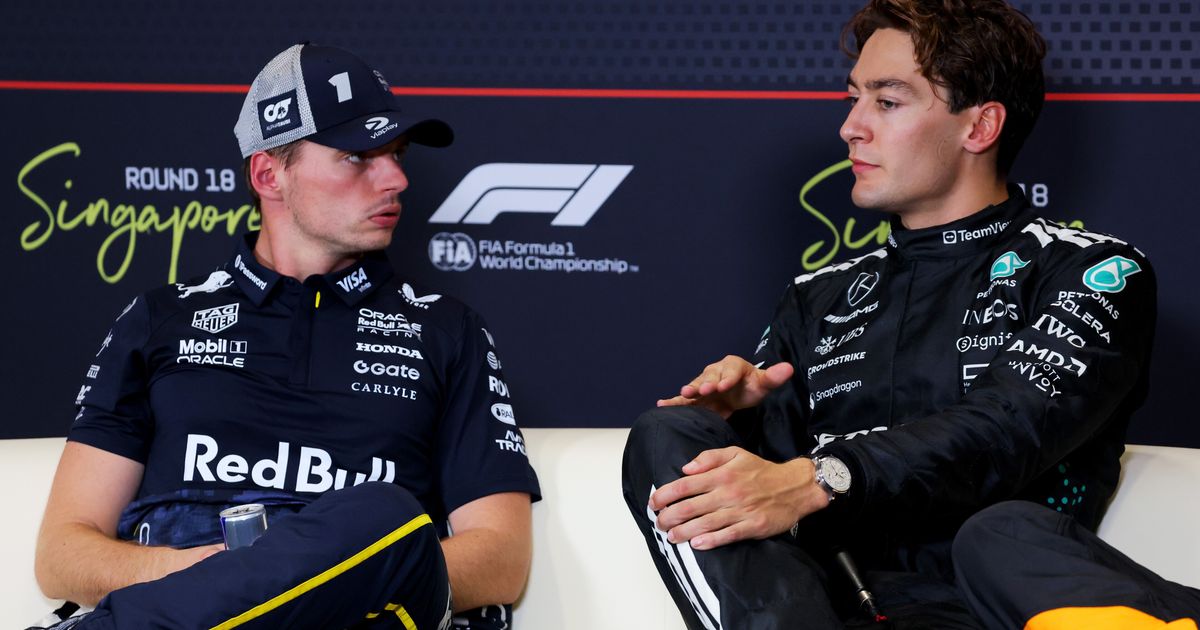
George Russell says he would understand if Max Verstappen left F1, noting the champion has achieved everything and may now seek racing that "puts a smile on his face." While hoping Verstappen stays, Russell acknowledges the sport is bigger than any one driver.
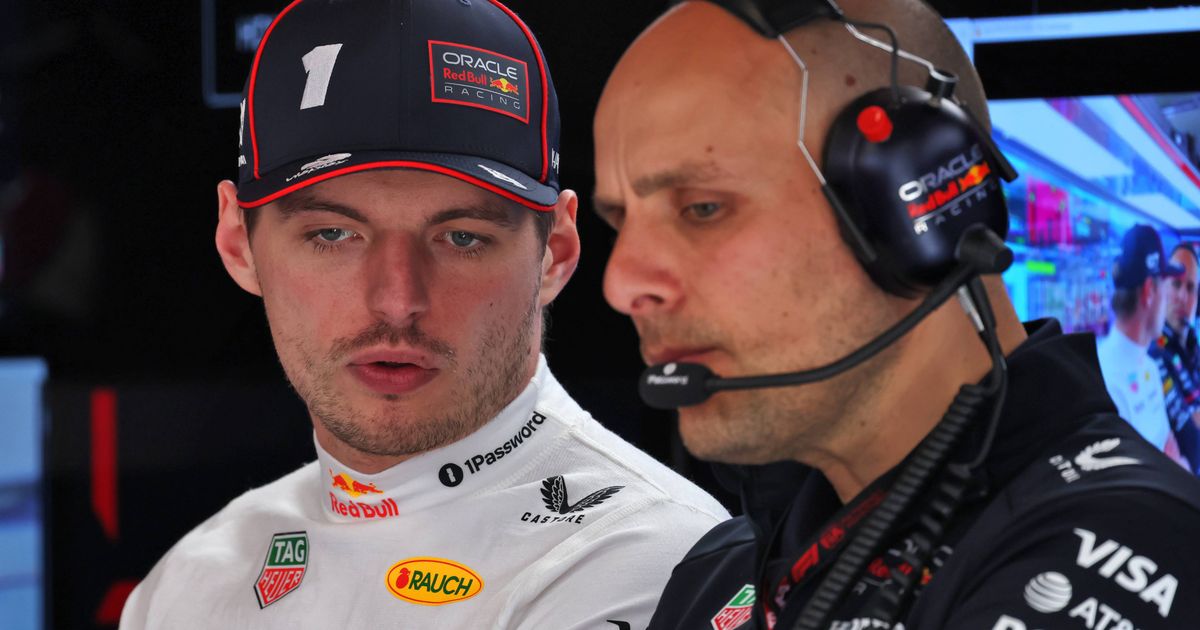
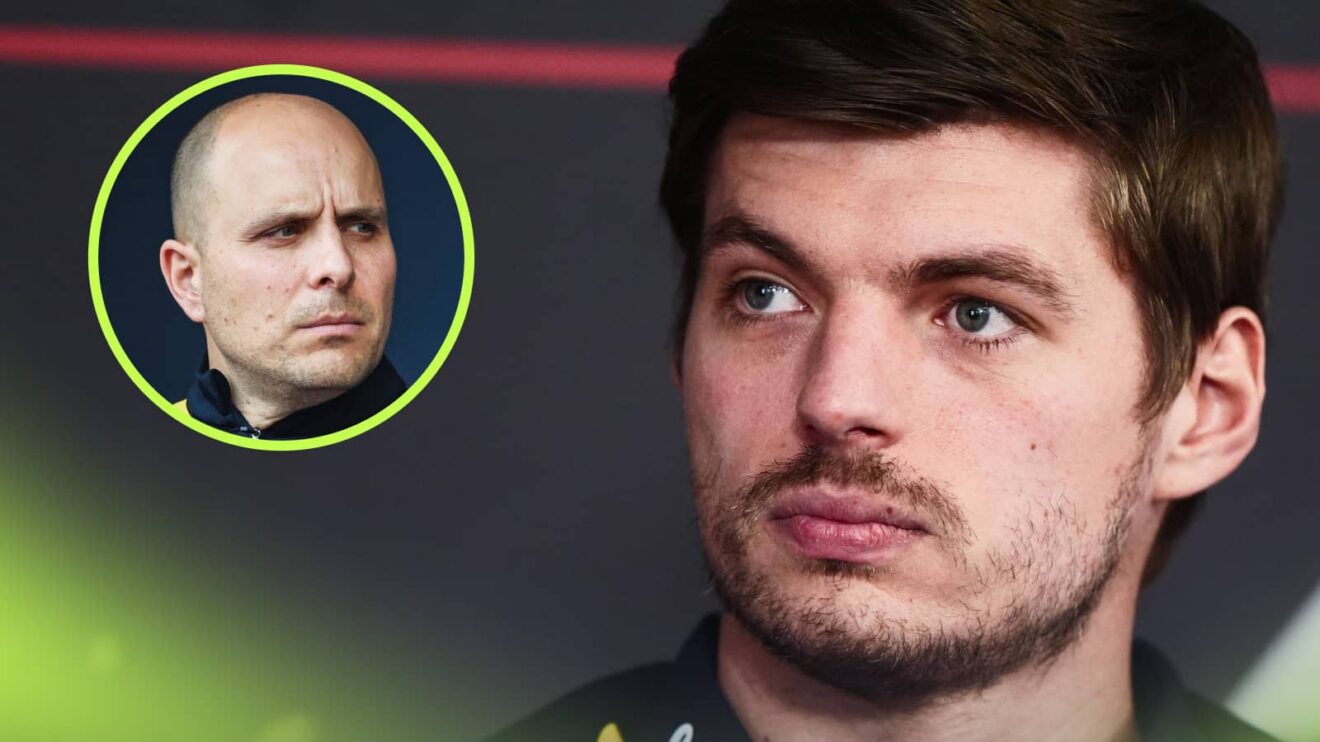
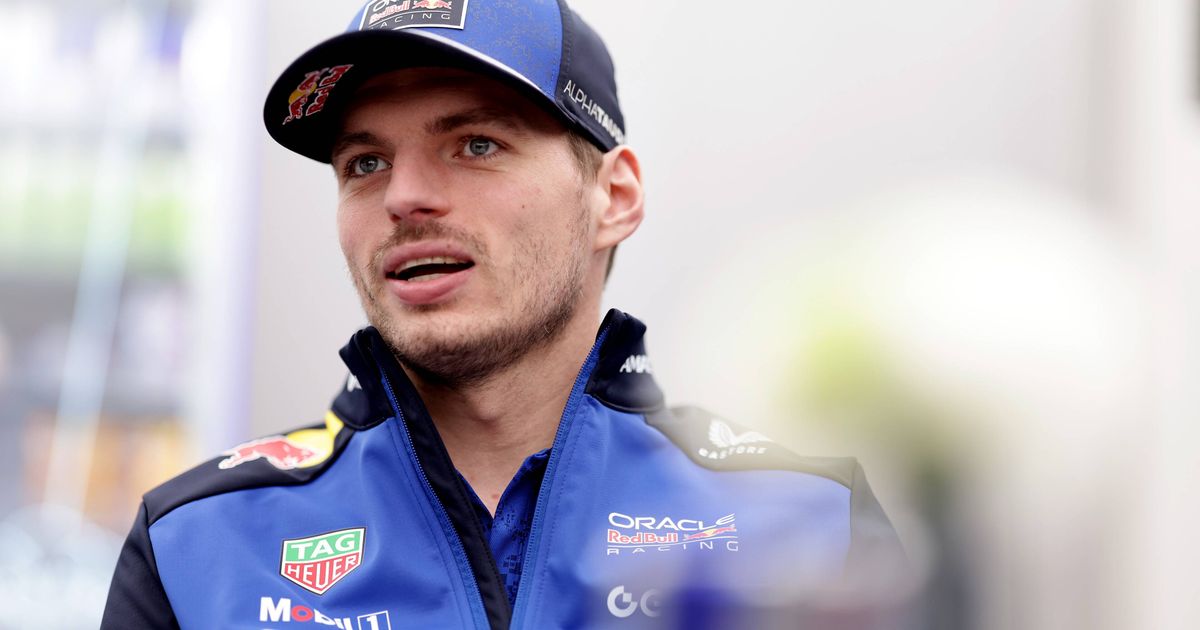
Max Verstappen has publicly supported his race engineer Gianpiero Lambiase's decision to join McLaren in 2028, revealing he encouraged the move for Lambiase's family and future. This dispels notions of a rift, framing it as a natural step after winning four titles together, though it marks a major structural change for Red Bull.
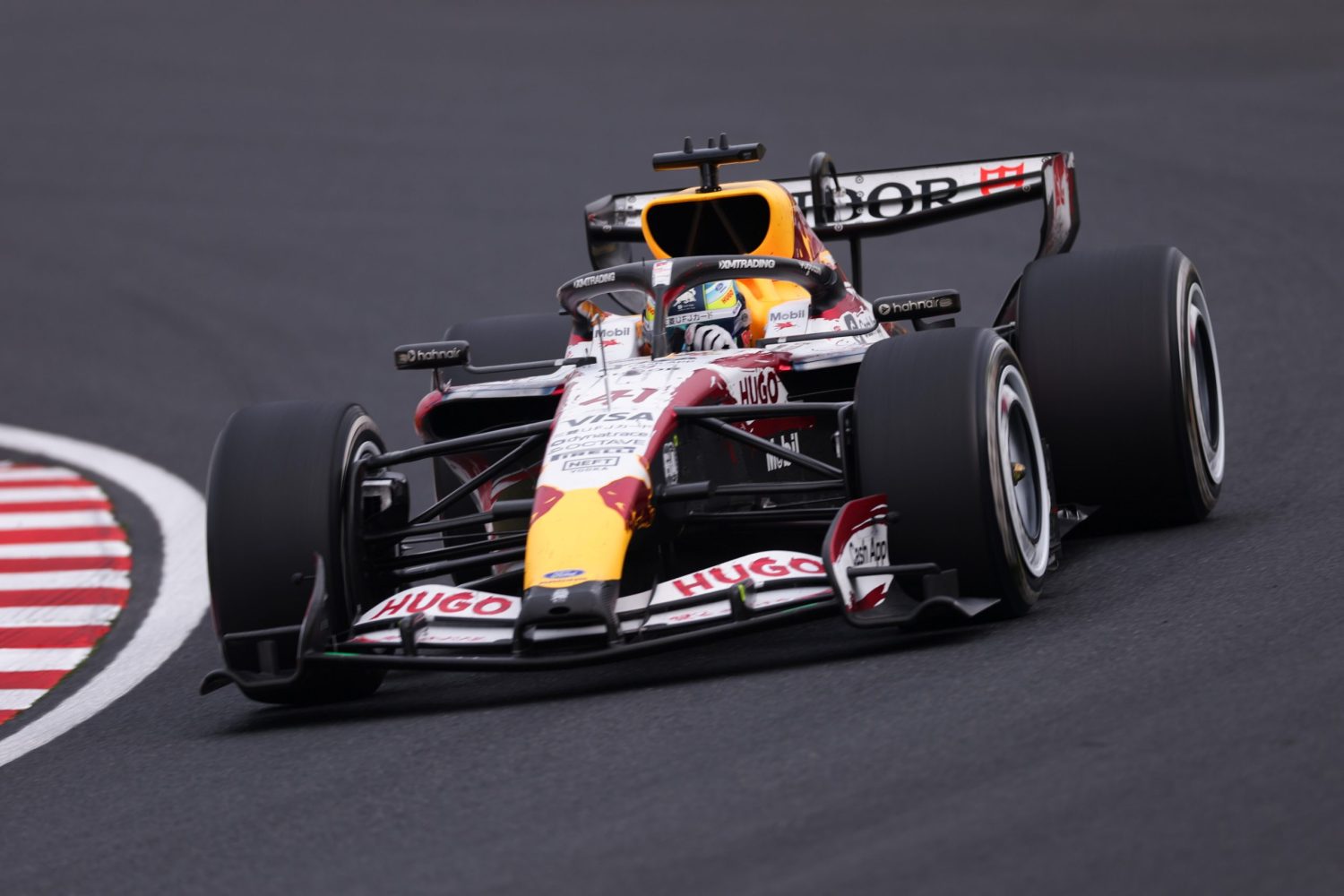
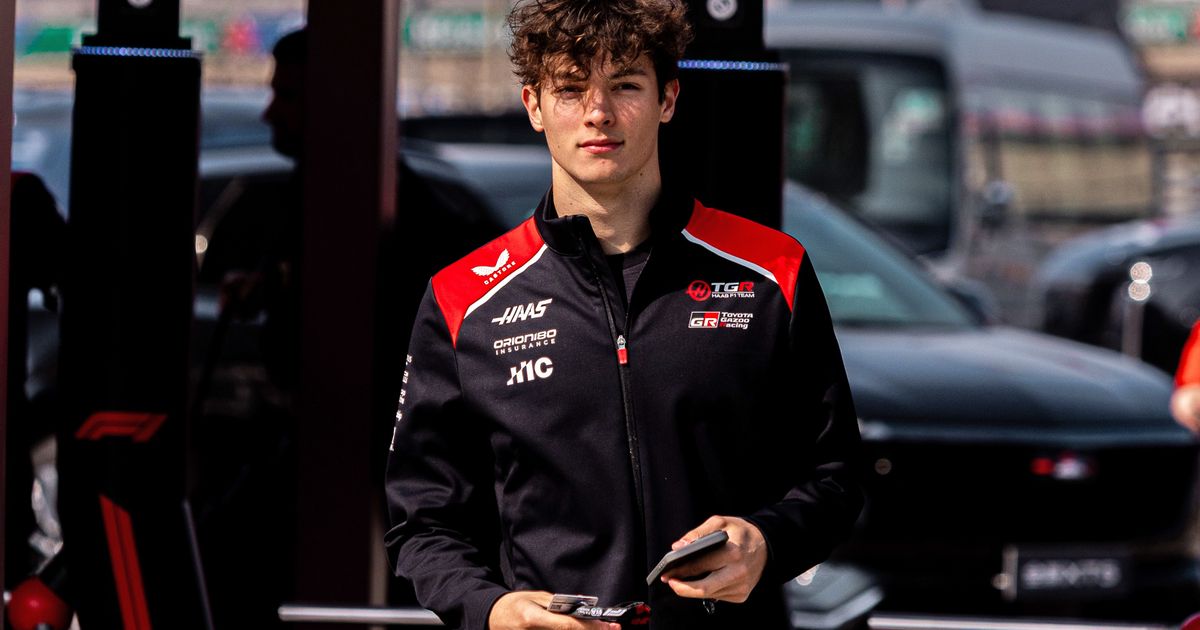
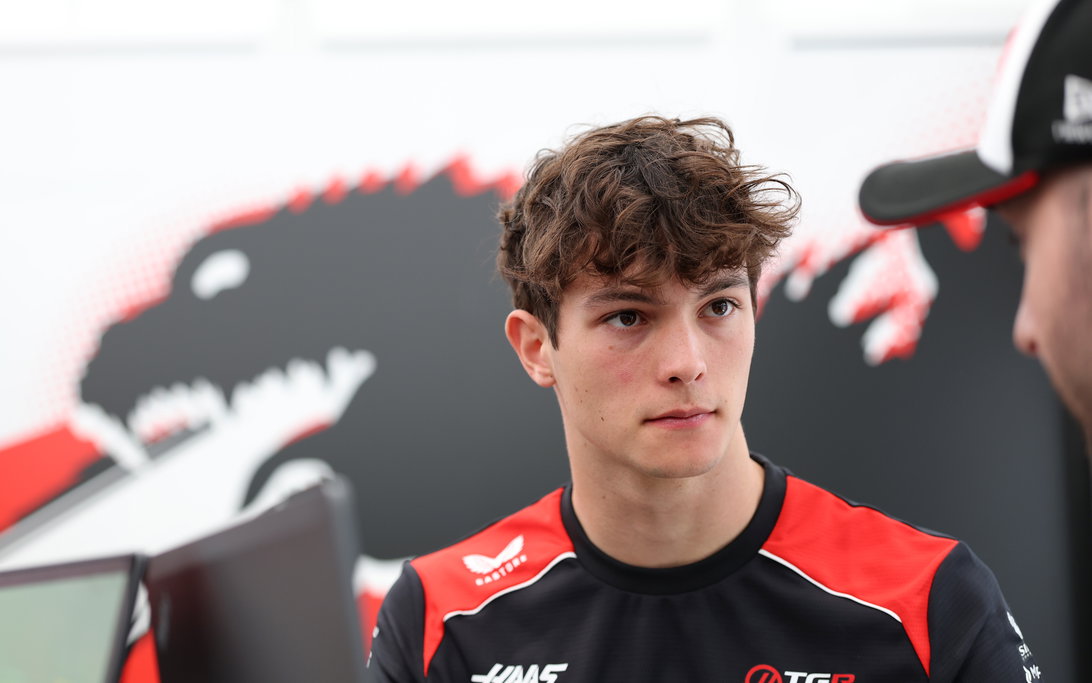
Oliver Bearman confirmed he’s recovered from a high‑speed Suzuka crash, noting only minor knee swelling and a quick return to simulator work, while labeling Franco Colapinto’s move “unacceptable” and urging tighter driver‑respect rules.
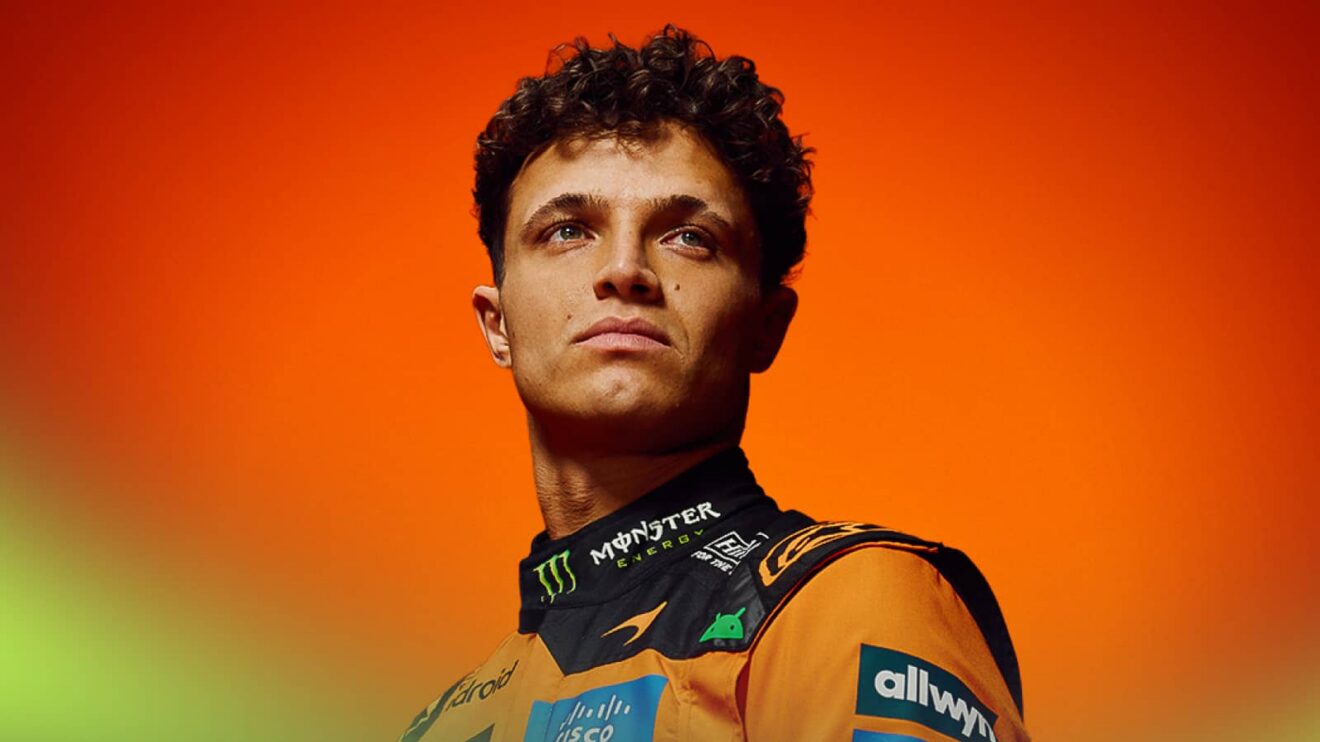
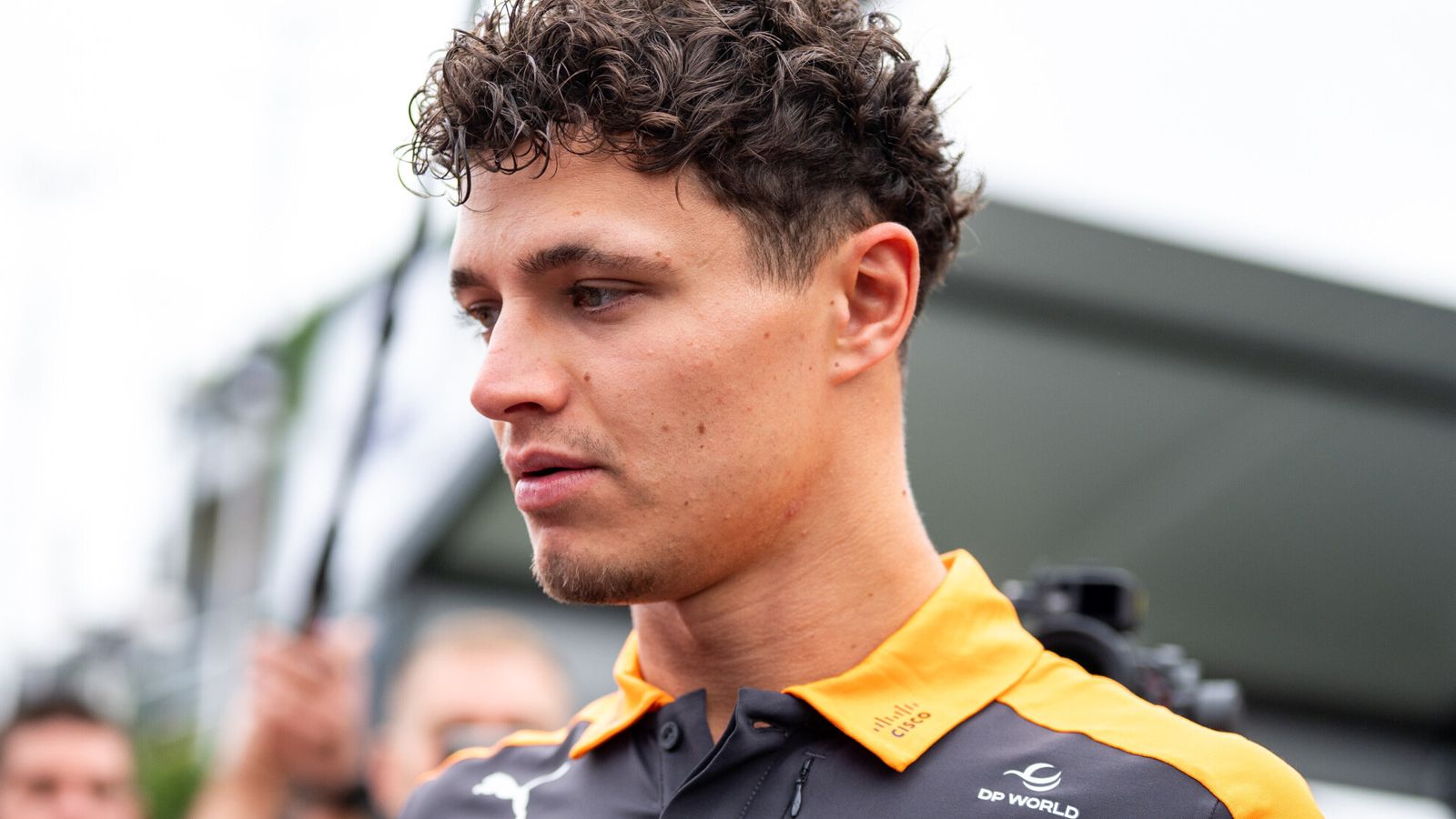
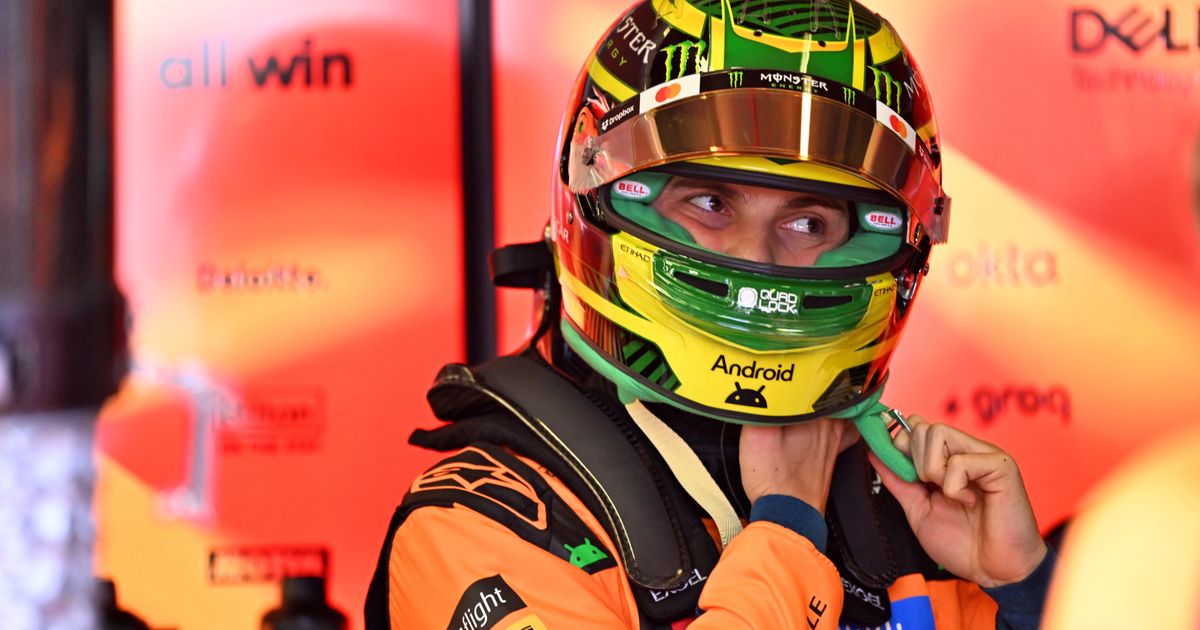
Lando Norris called McLaren's Pirelli tire test at the Nurburgring a productive and useful learning exercise. Following a start to the 2026 season hampered by technical issues and DNSs, the test provided valuable track time for data collection and driver confidence, even under the strict limitations of a supplier-mandated session.
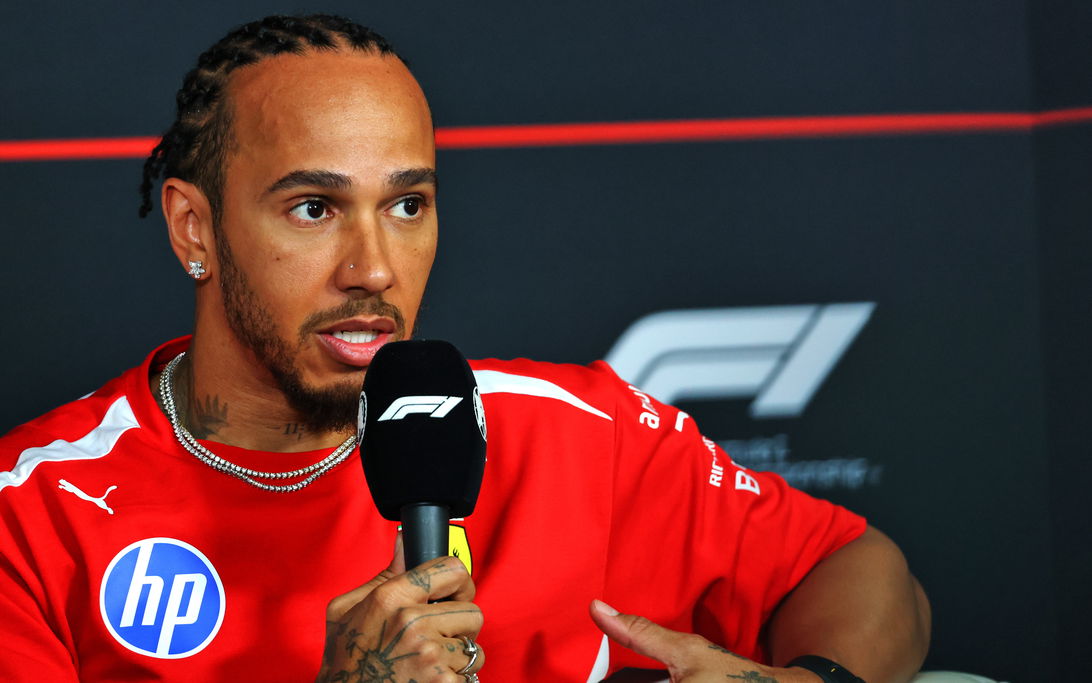
Lewis Hamilton and Kim Kardashian were photographed in Los Angeles, reigniting persistent dating speculation. The duo has been seen together at events from the Super Bowl to Coachella, yet Hamilton remains tight‑lipped about the rumors.
Red Bull reshuffled its technical team, promoting Ben Waterhouse to Chief Performance Engineer and hiring former Ferrari performance chief Andrea Landi as Head of Performance, to speed development.
Max Verstappen welcomed Gianpiero Lambiase’s move to McLaren as Chief Racing Officer, calling the offer impossible to refuse and underscoring the impact of losing a key engineer after a decade‑long partnership.
All WEC hypercar teams are eyeing Max Verstappen while the FIA declares safety its top priority following Oliver Bearman's high‑speed Suzuka crash, highlighting concerns over closing speeds and future regulation.
Lewis Hamilton admits he could have adapted to Ferrari's 2025 ground-effect car with more development input, but is optimistic the 2026 regulations will better suit his aggressive driving style, offering a fresh start after a difficult first season with the team.
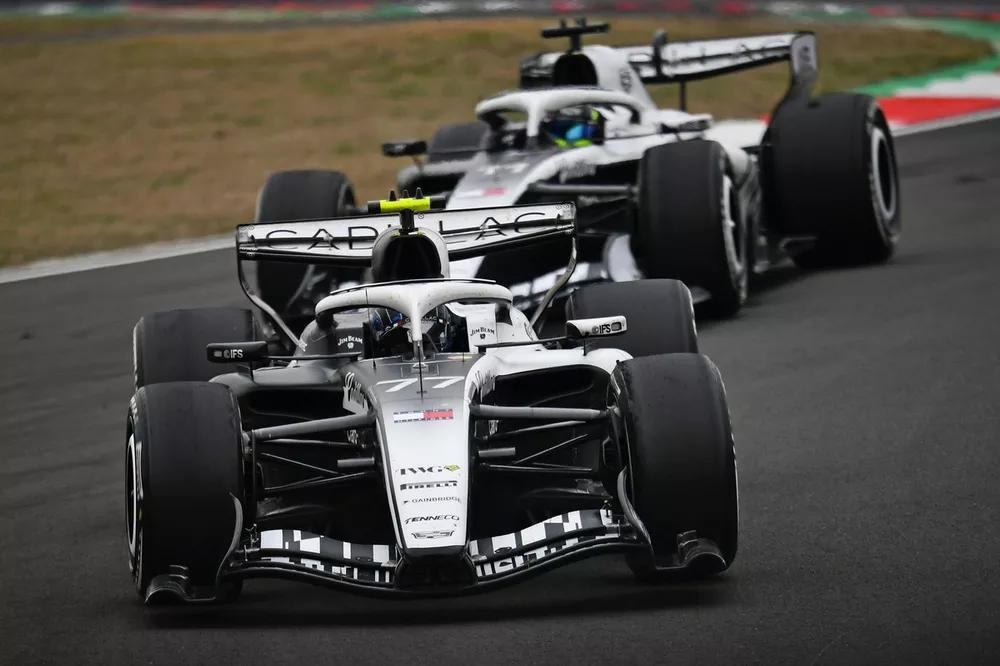
Ahead of its first US Grand Prix as the 'home team' in 2026, Cadillac F1 will launch a free fan hub in Miami's Design District. The event features driver appearances, simulators, local food, and live race viewing, representing a major push to build community connection and brand identity from the start of its F1 journey.