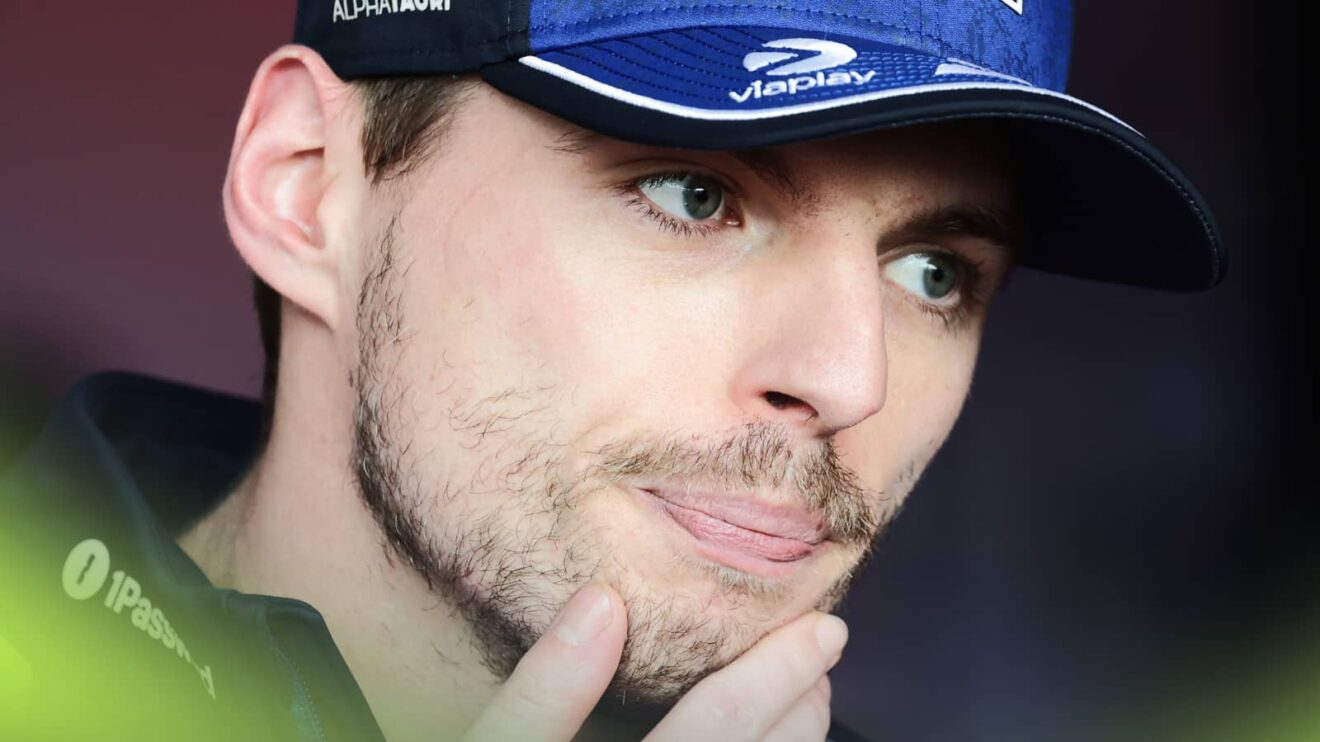
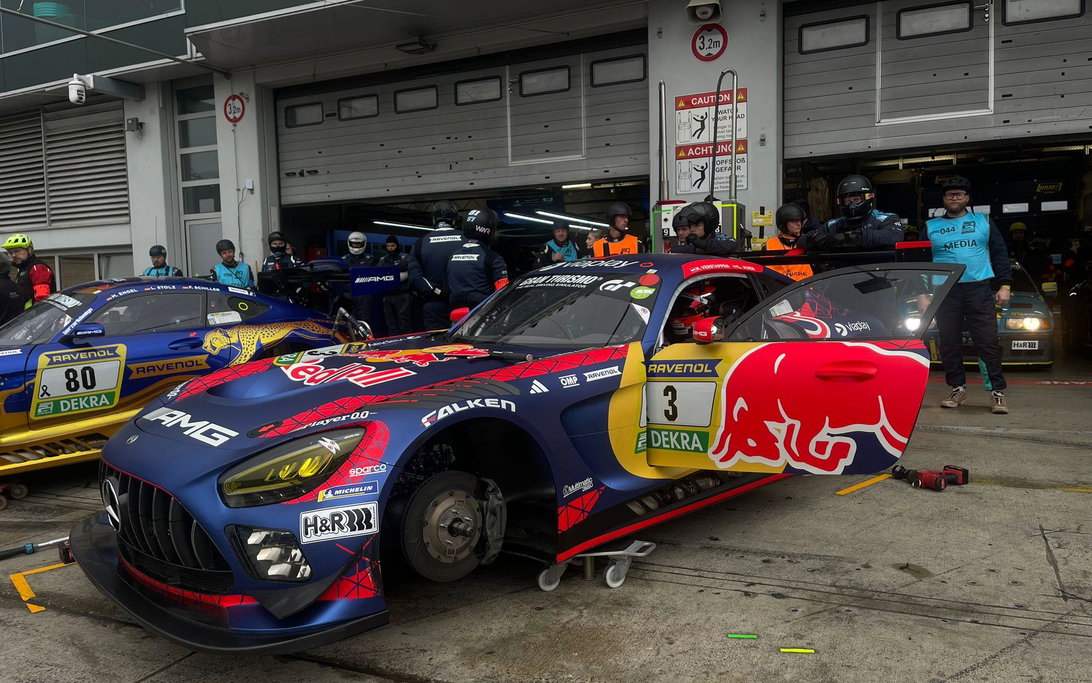
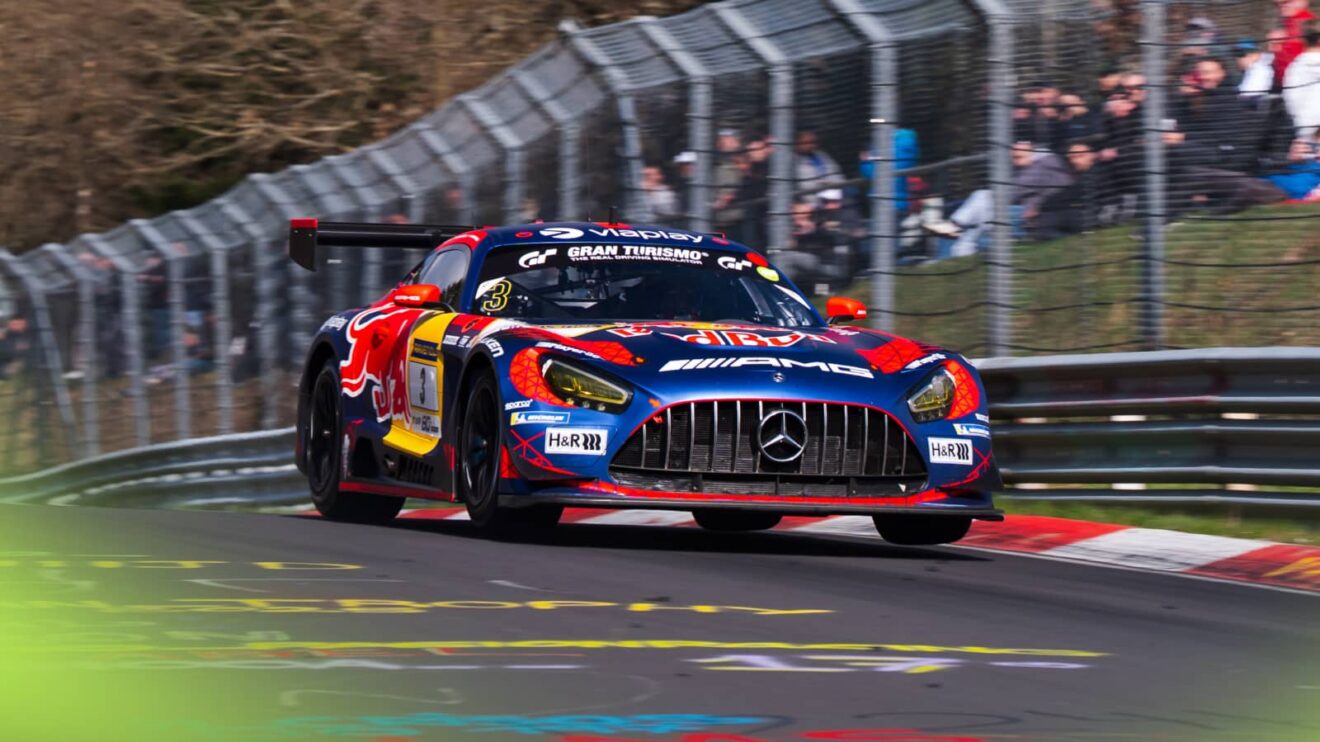
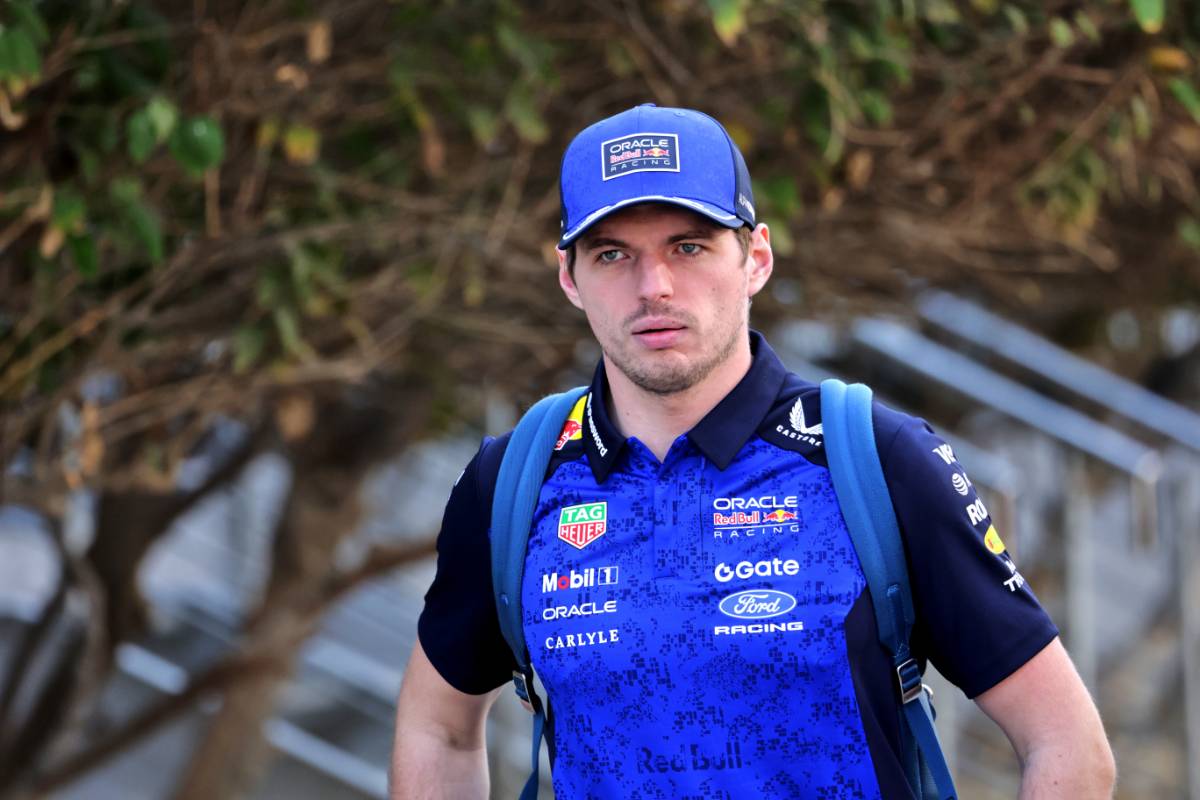
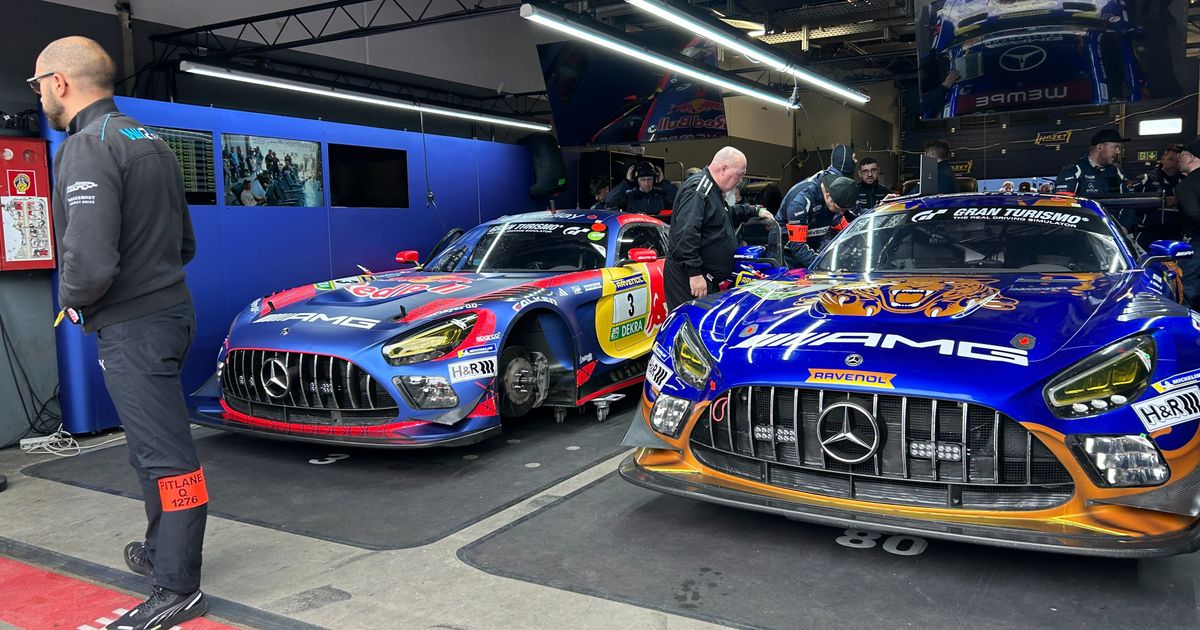
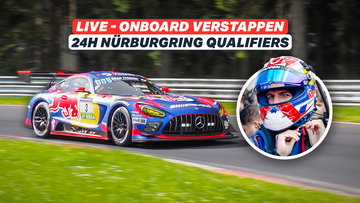
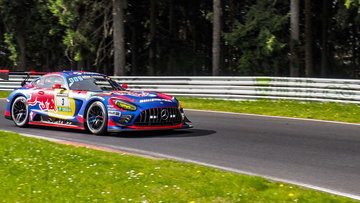
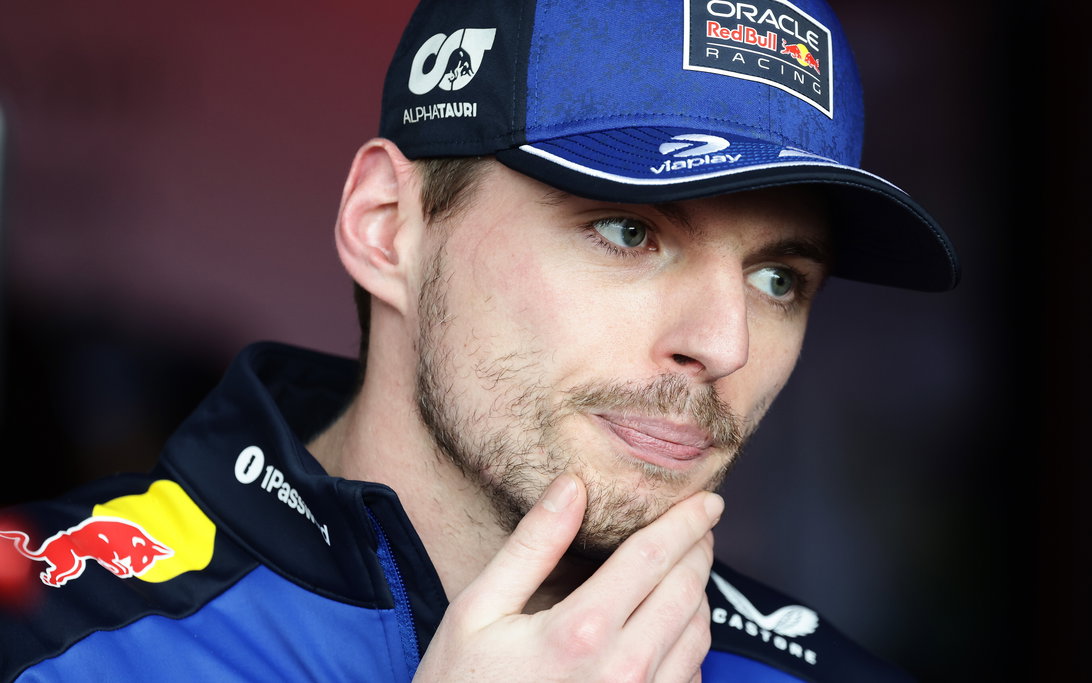
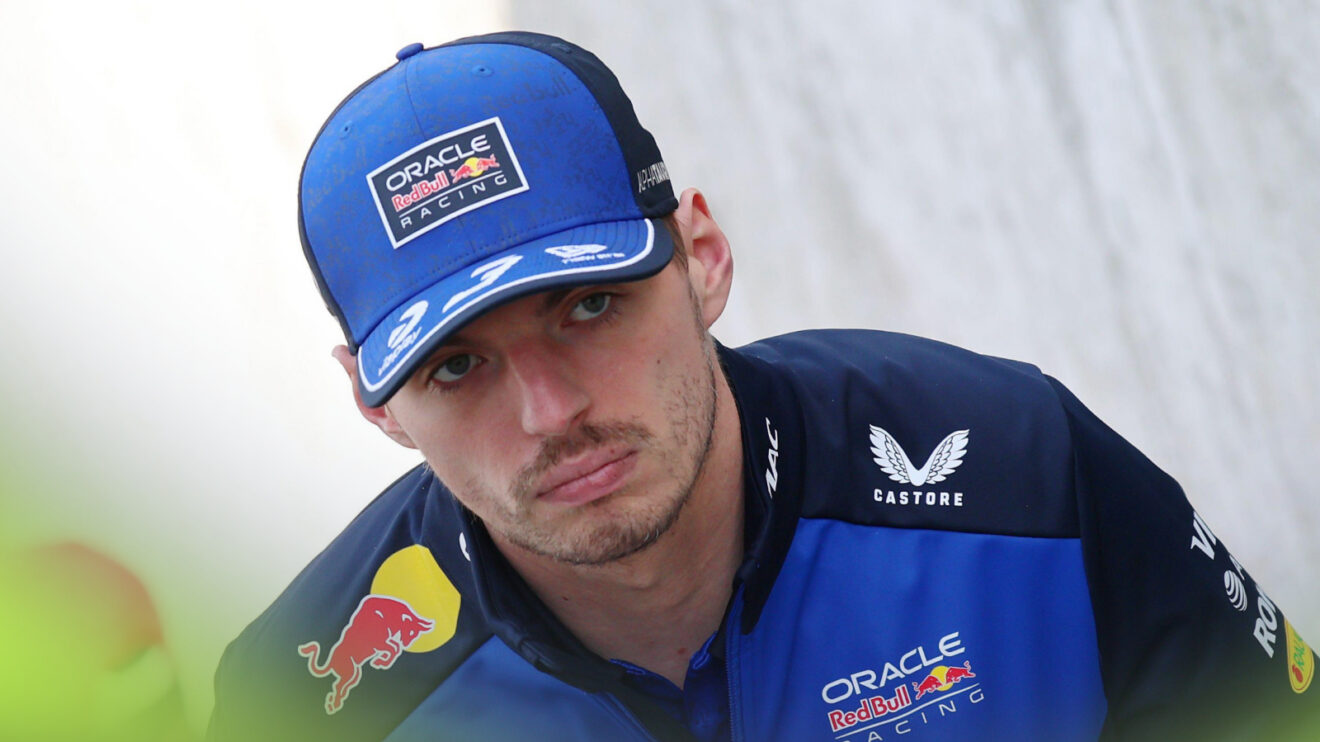
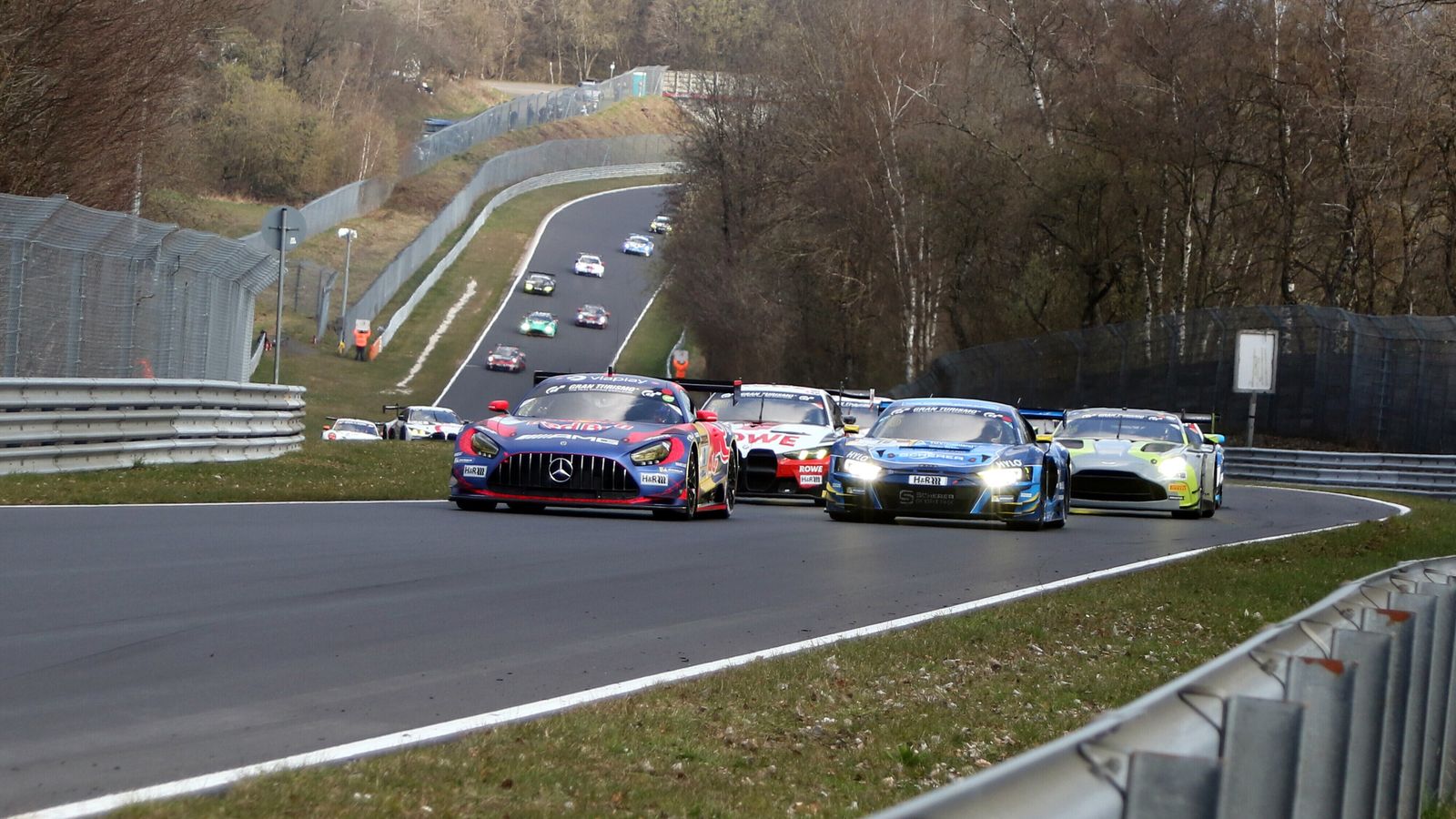
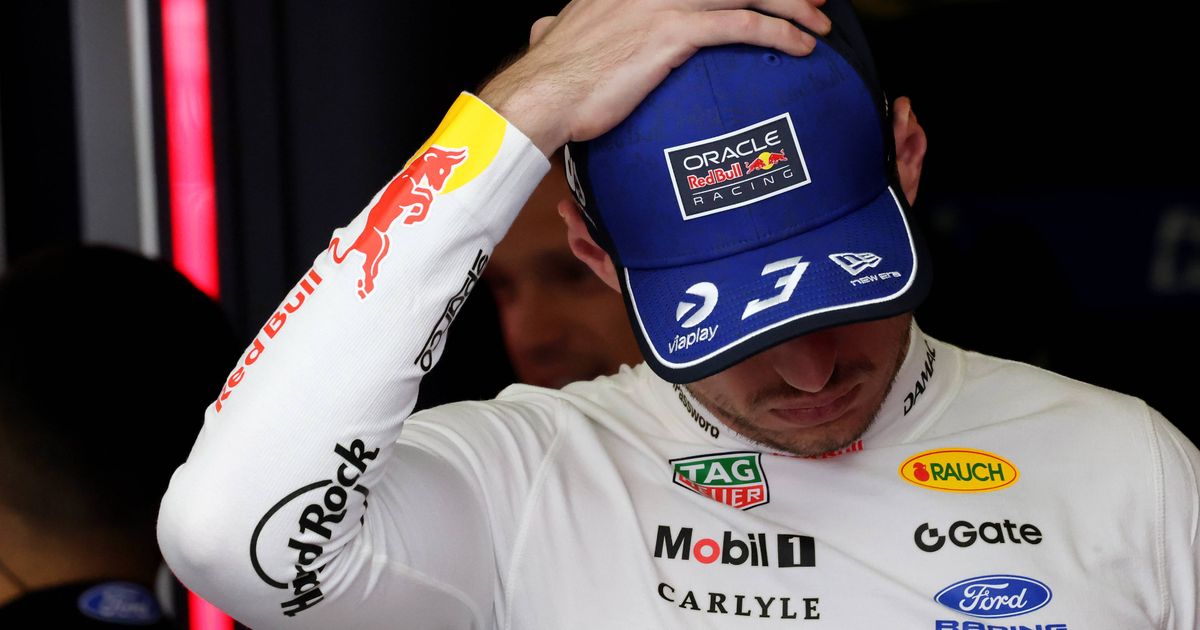
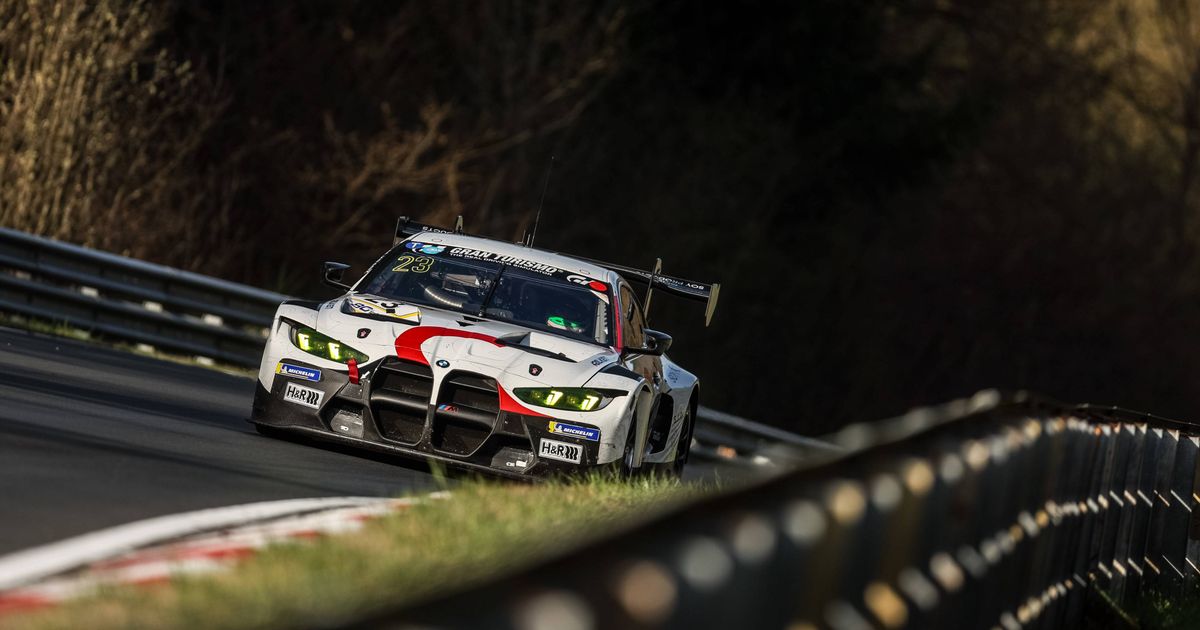
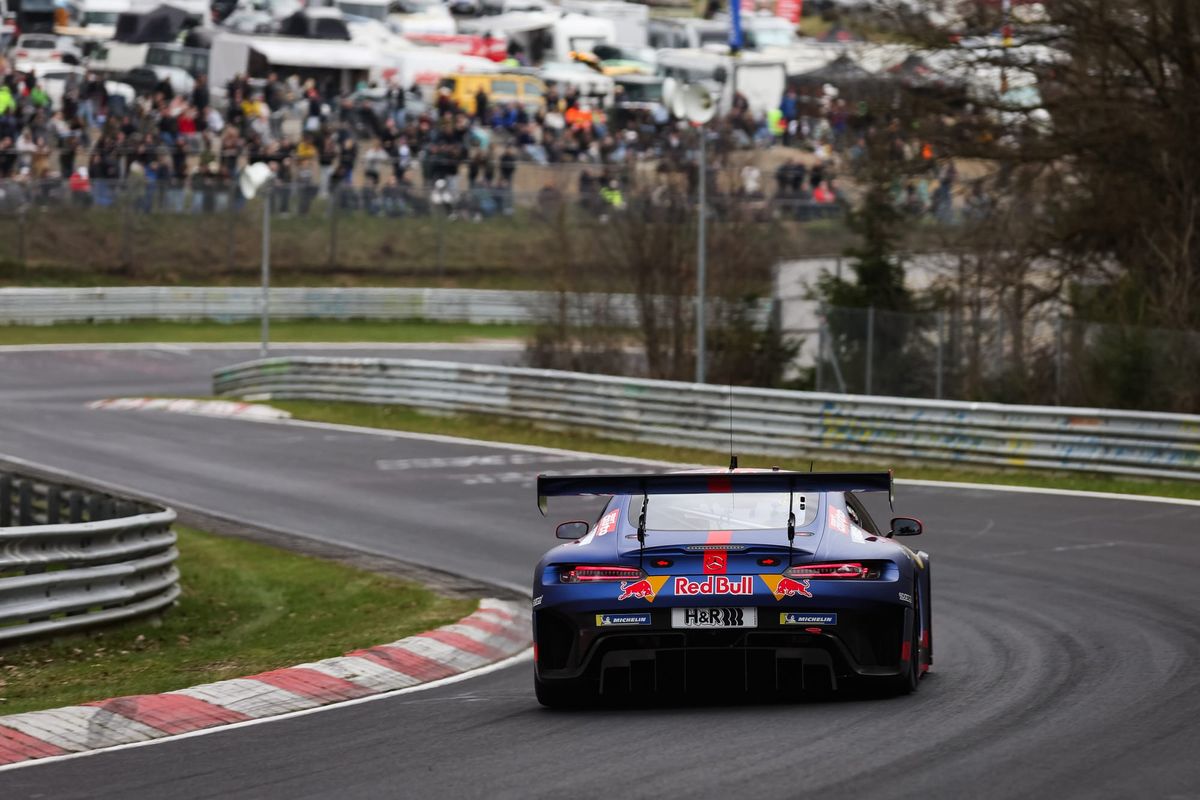
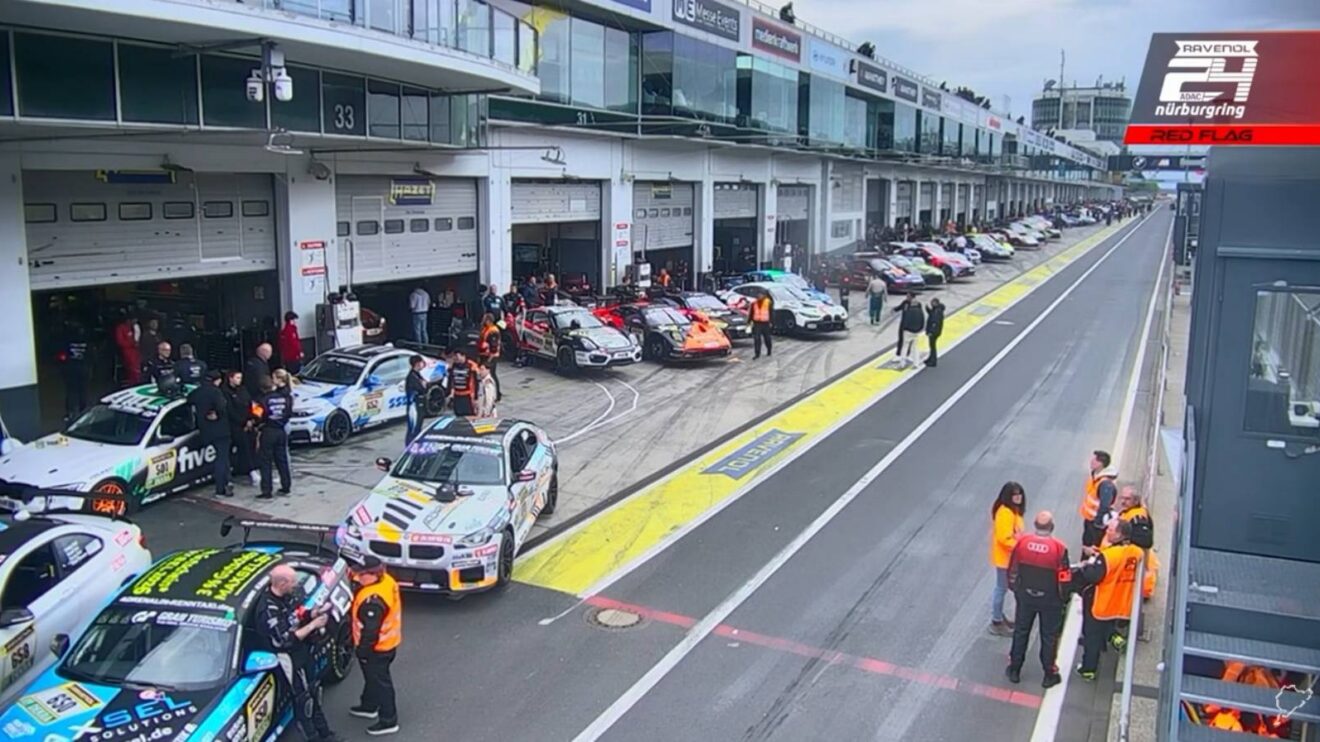
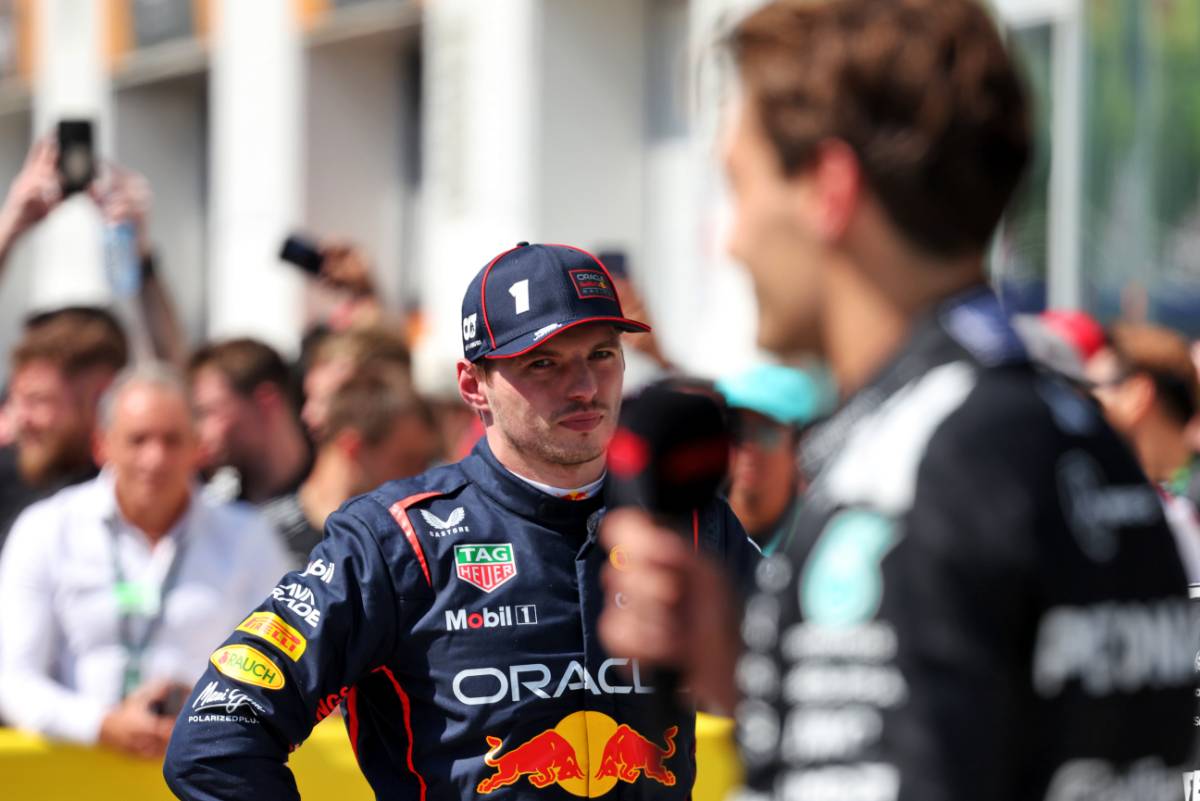
A fatal crash that killed driver Juha Miettinen led to the abandonment of a 24 Hours of Nürburgring qualifying race, overshadowing Max Verstappen's participation. The F1 champion had been running outside the top ten in an earlier session before the incident brought the event to a halt, prompting condolences from the FIA and the wider motorsport community.
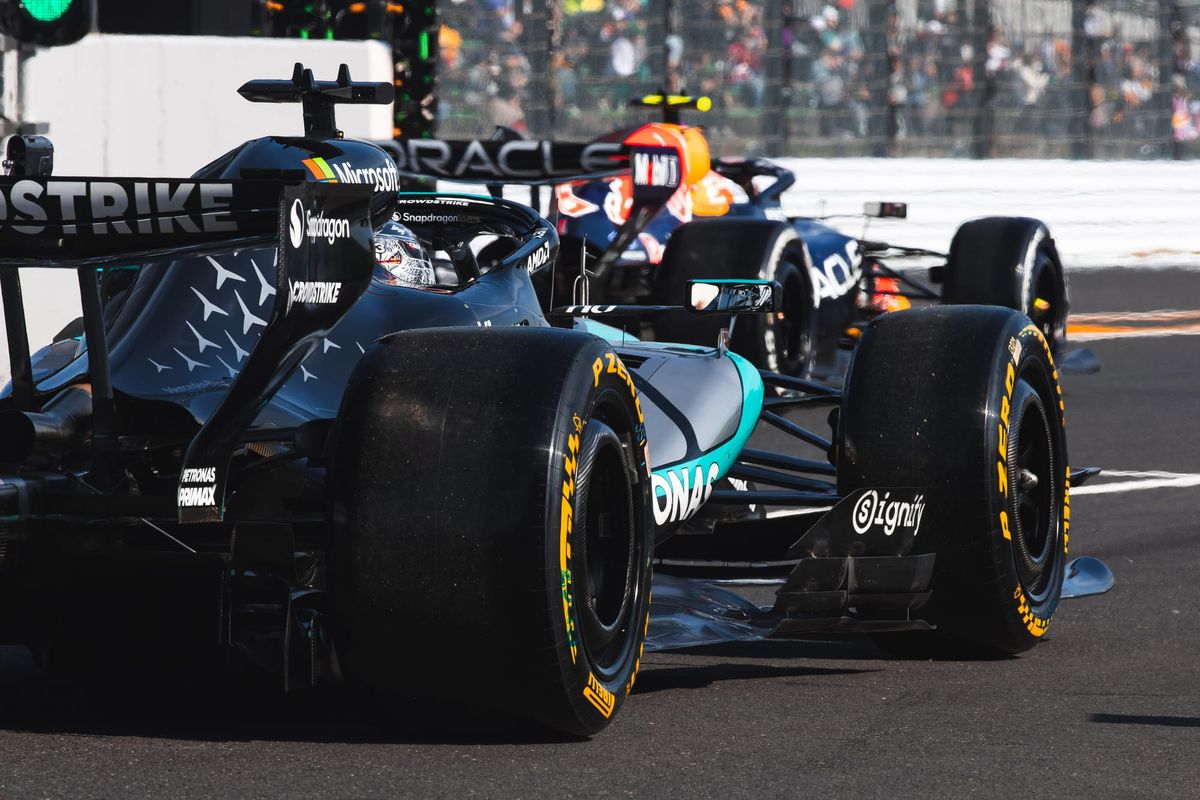
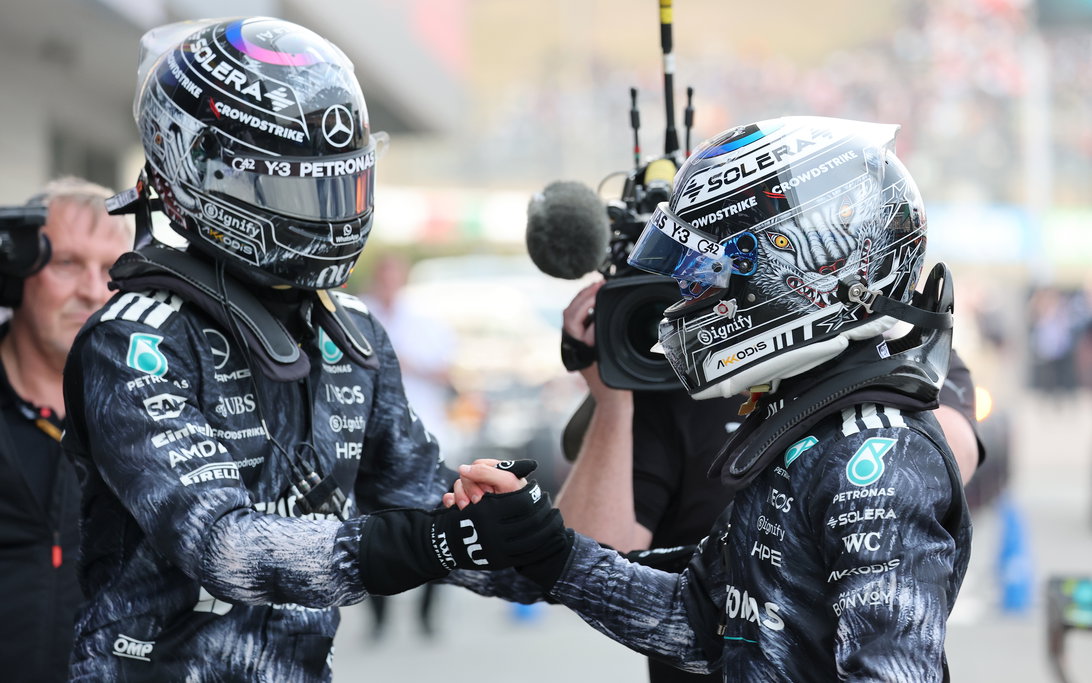
The FIA has banned a qualifying engine loophole used by Mercedes and Red Bull after drivers reported dangerous losses of power. The trick saved minimal time but could leave cars stranded on track, with Kimi Antonelli calling it "not so safe" following a scary incident at Suzuka.
Mercedes' Kimi Antonelli predicts his working relationship with teammate George Russell will withstand the pressures of their title fight, citing mutual respect and a shared focus on securing the constructors' championship for the team.
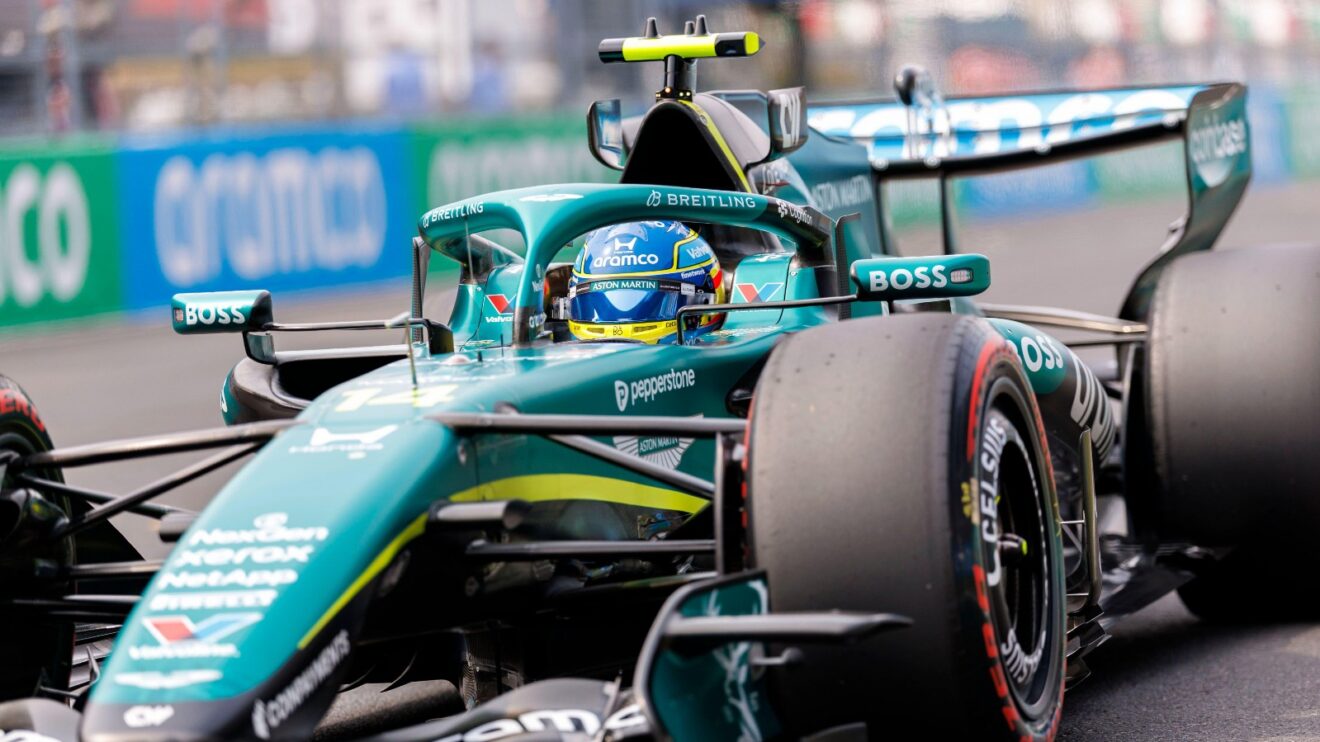
Former driver Martin Brundle predicts Aston Martin’s current lack of speed and reliability will persist until at least 2027, citing Honda‑chassis mismatches and a need for major staff changes.
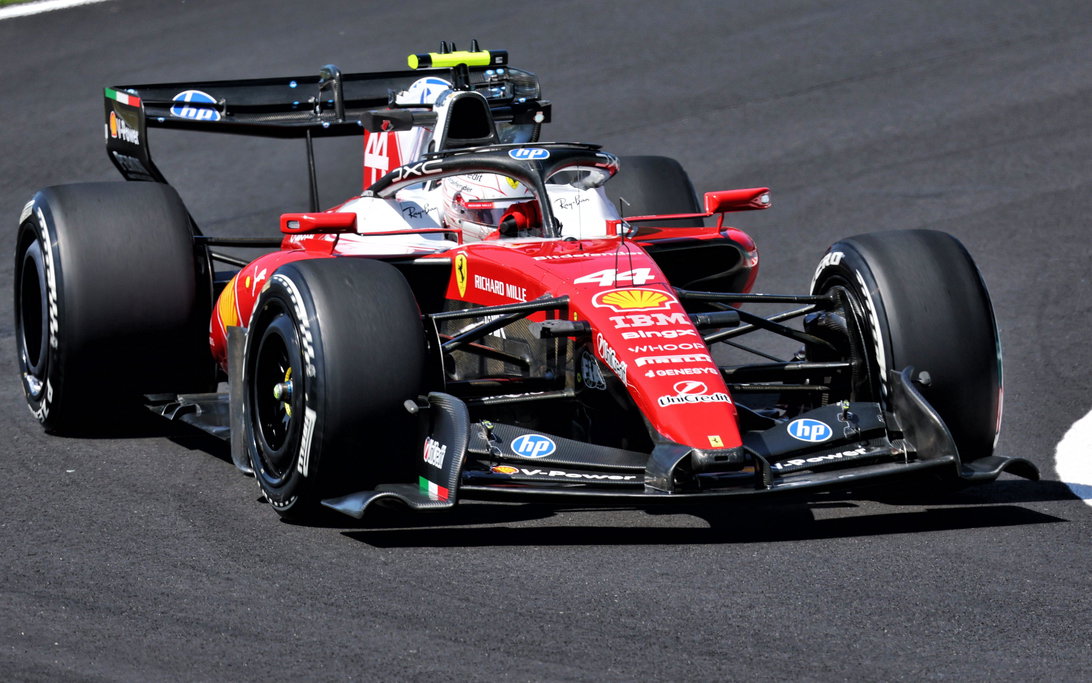
F1 analyst Karun Chandhok warns Ferrari must avoid the mistakes that derailed its 2022 title bid, where an initially fast car was undone by fragility and errors. He stresses that with its resources and drivers, the team has no excuse not to be in consistent championship contention, a status it has lacked since 2008.
F1 analyst Karun Chandhok doubts Jonathan Wheatley is the answer to Aston Martin's 2026 crisis, arguing the team's severe technical and engine problems with Honda are far more critical than any leadership change.
A fatal multi-car crash during a Nürburgring qualifying race has claimed the life of driver Juha Miettinen, leading to the event's abandonment. Max Verstappen, who was scheduled to compete, offered public condolences, emphasizing the dangerous reality of motorsport. The F1 champion and the FIA have joined the racing world in mourning the tragic loss.
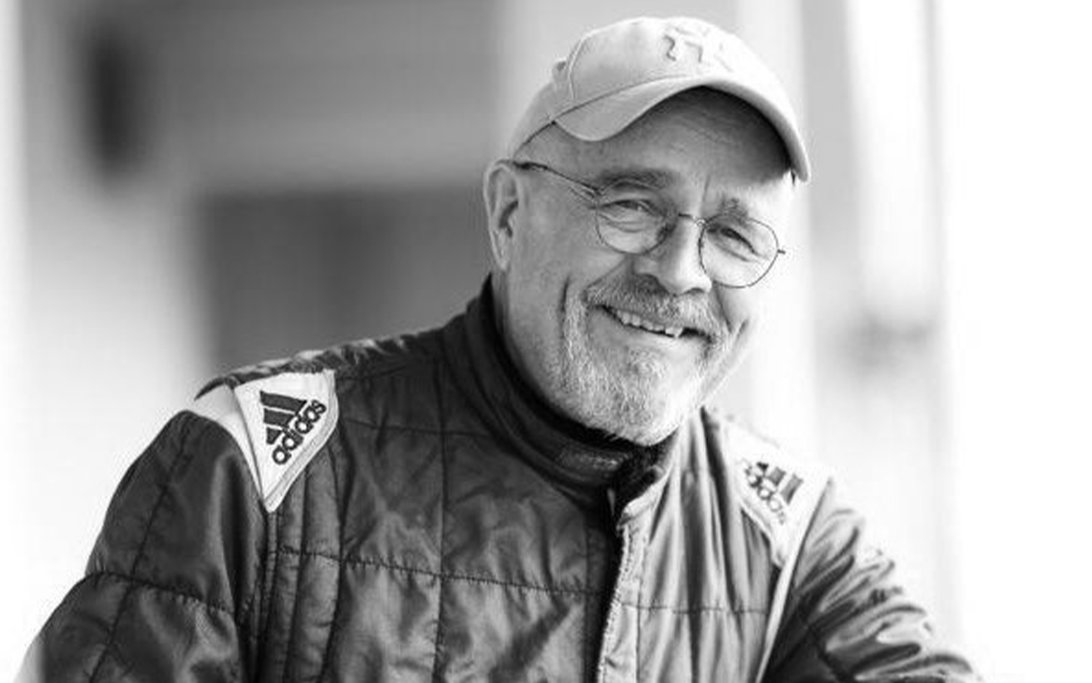
Juha Miettinen, 39, died when his BMW 325i was caught in a seven‑car pile‑up during the opening NLS4 qualifying race of the ADAC 24 Hours of Nürburgring, prompting a red flag and a minute’s silence before Sunday’s grid.
Finnish driver Juha Miettinen was fatally injured in a multi‑car collision during the opening qualifying race of the ADAC 24 Hours of Nürburgring on 18 April 2026. Race control halted the session and a minute of silence will be observed at the Sunday race.
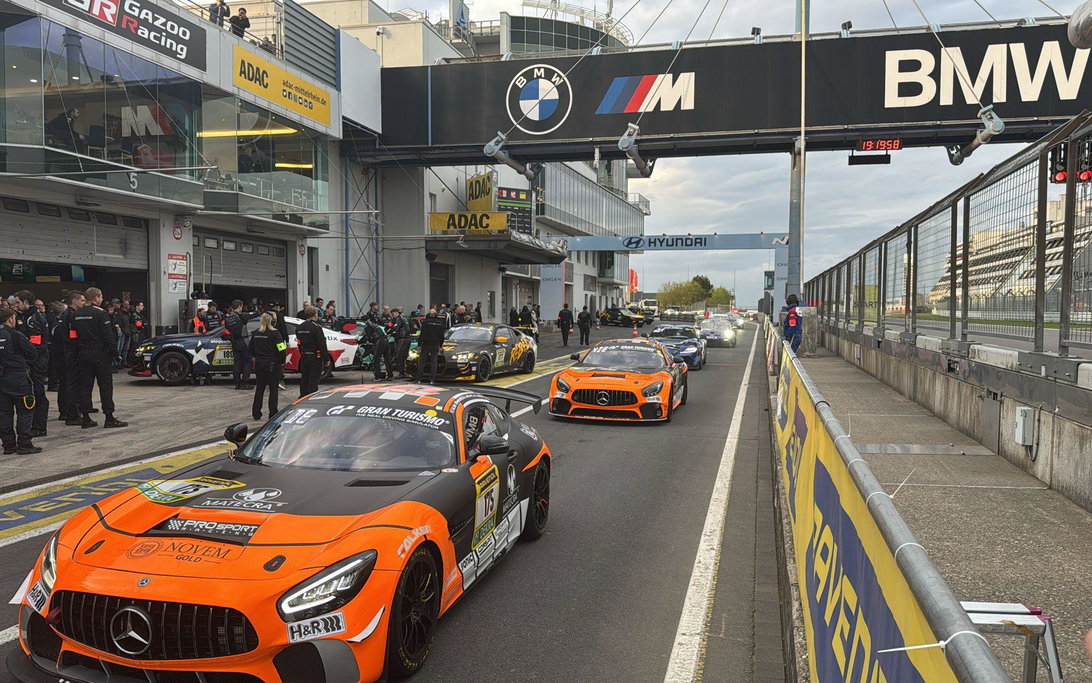
A seven‑car pile‑up at the Steilstrecke on the Nürburgring’s Nordschleife forced the NLS4 endurance race to be suspended after two laps, dashing Max Verstappen’s practice ahead of his 24‑Hours entry.
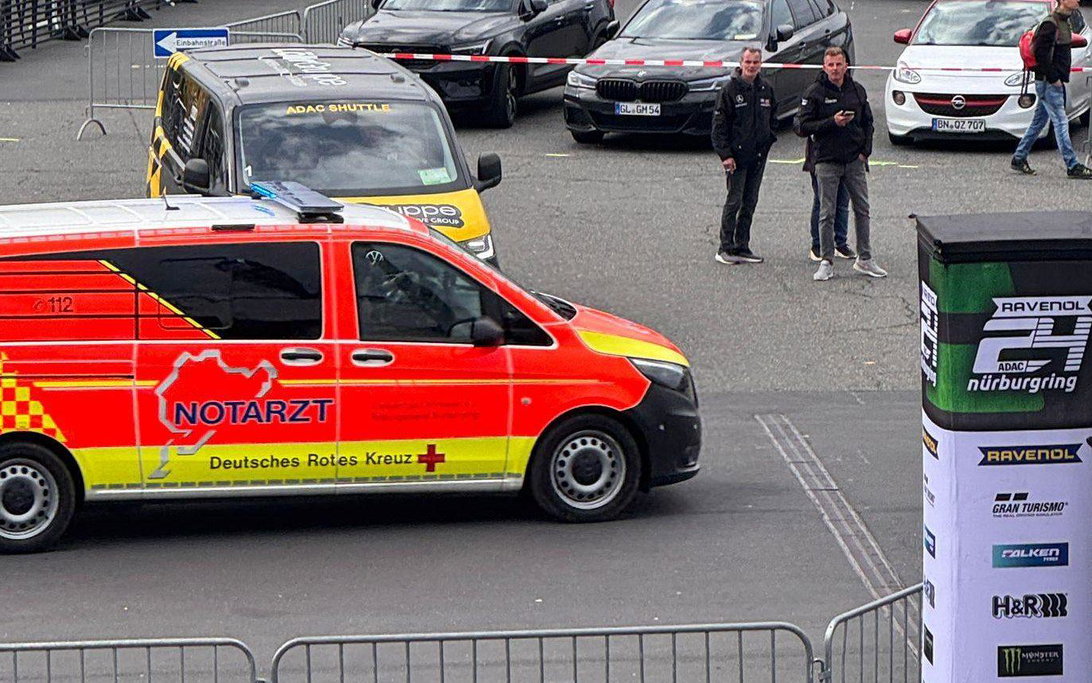
A massive multi‑car pile‑up on the Nordschleife during the 24 Hours of Nürburgring Qualifiers Race 1 left several drivers injured. Race control raised a red flag, launched full rescue operations, and promised further updates.
Mercedes driver George Russell argues Max Verstappen’s gripe with the 2026 rule changes is driven by his recent performance slump and career stage, not the technical regulations themselves.