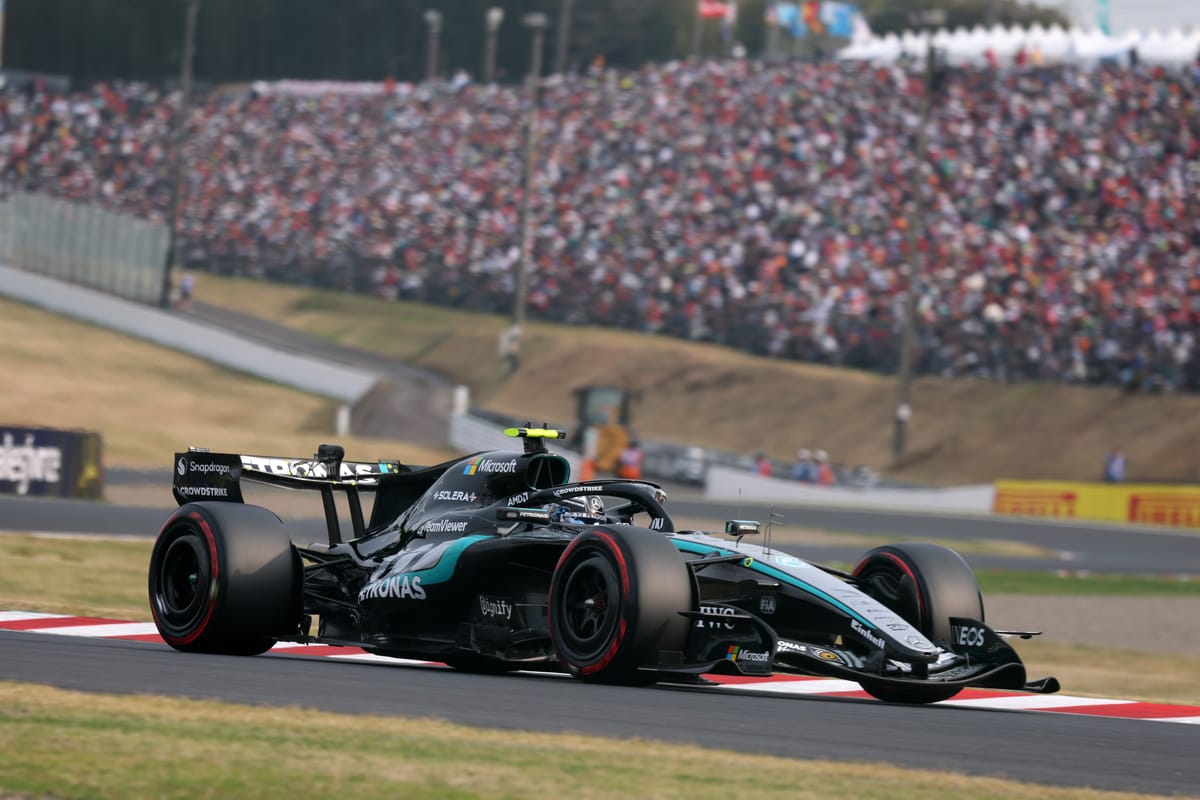
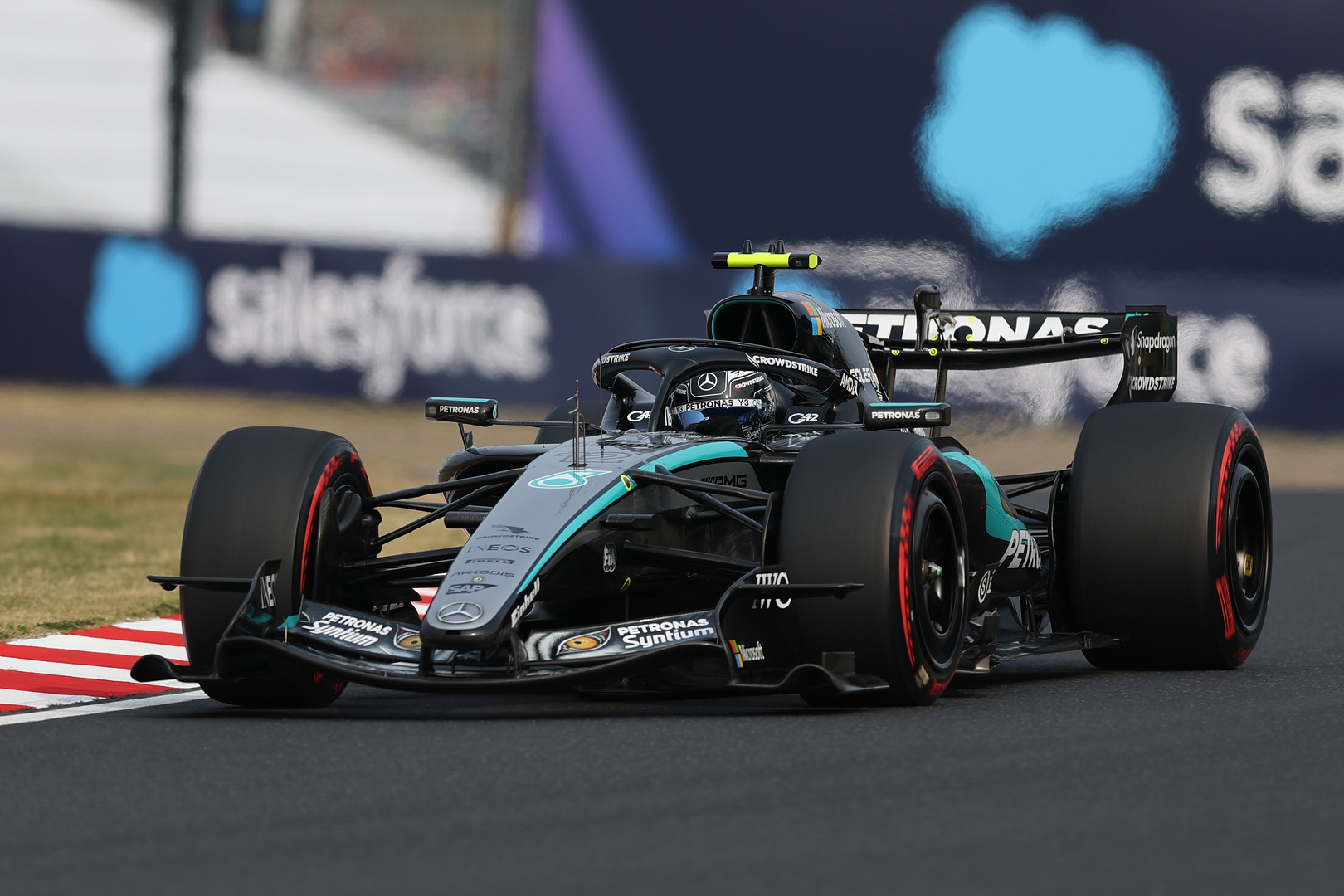
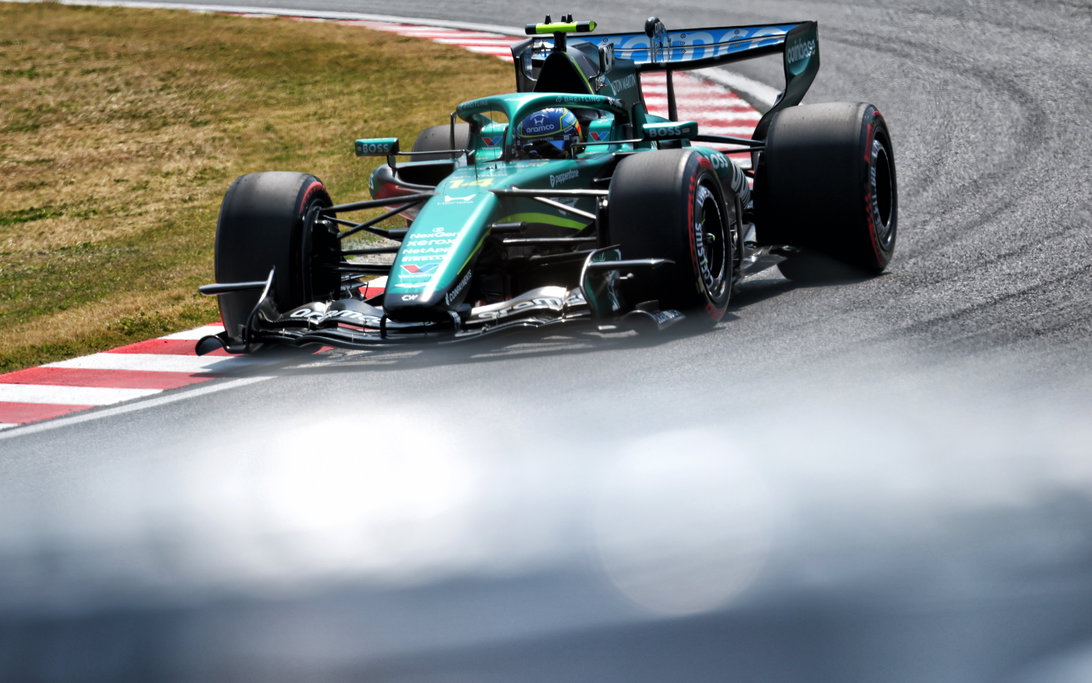
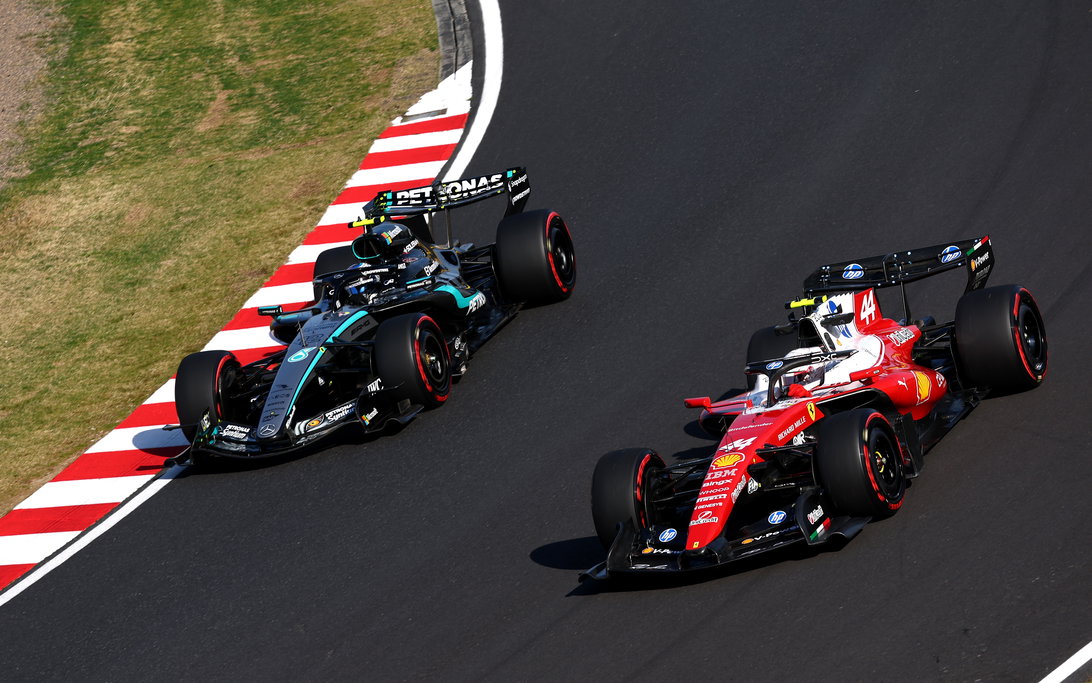
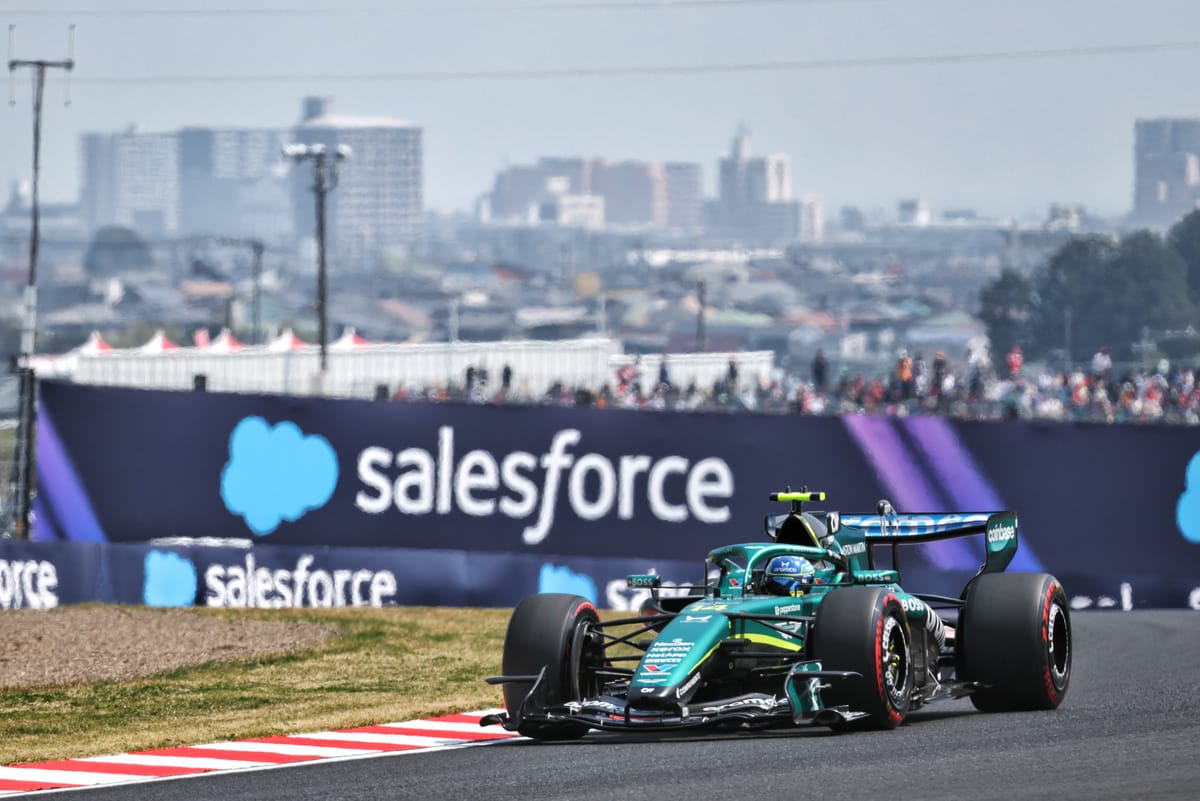
Mercedes secured a front-row lockout at Suzuka despite having one of the lowest top speeds, sacrificing straight-line velocity for superior downforce and energy management. The qualifying data exposes divergent team approaches, with tire strategy now becoming the key battleground for Sunday's race.
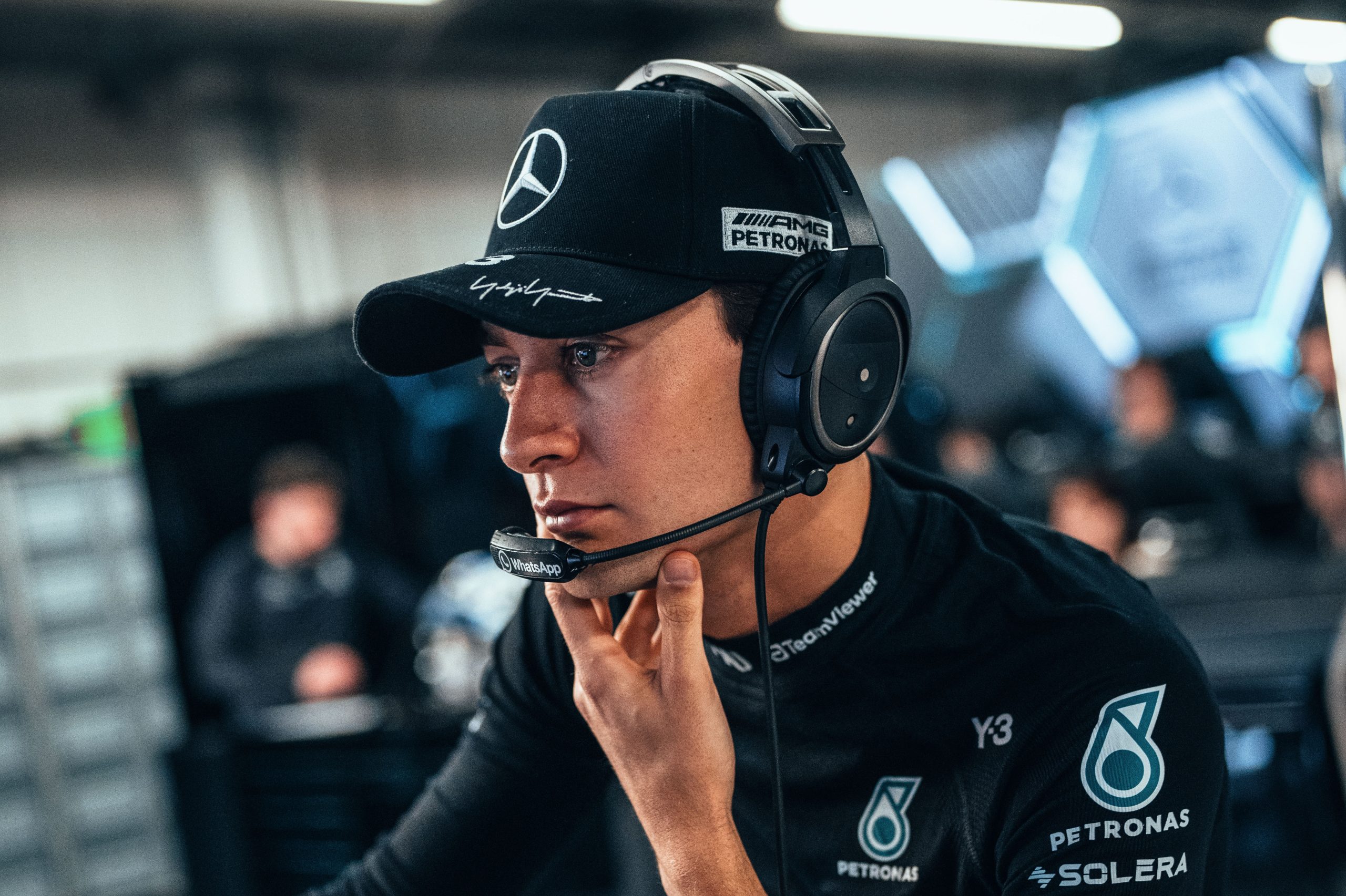
The 2026 Japanese Grand Prix at Suzuka starts at 15:00 local time (06:00 UK) on March 29. With Mercedes' Kimi Antonelli on pole ahead of George Russell, the winner will seize the early Drivers' Championship lead ahead of a five-week break in the F1 calendar.
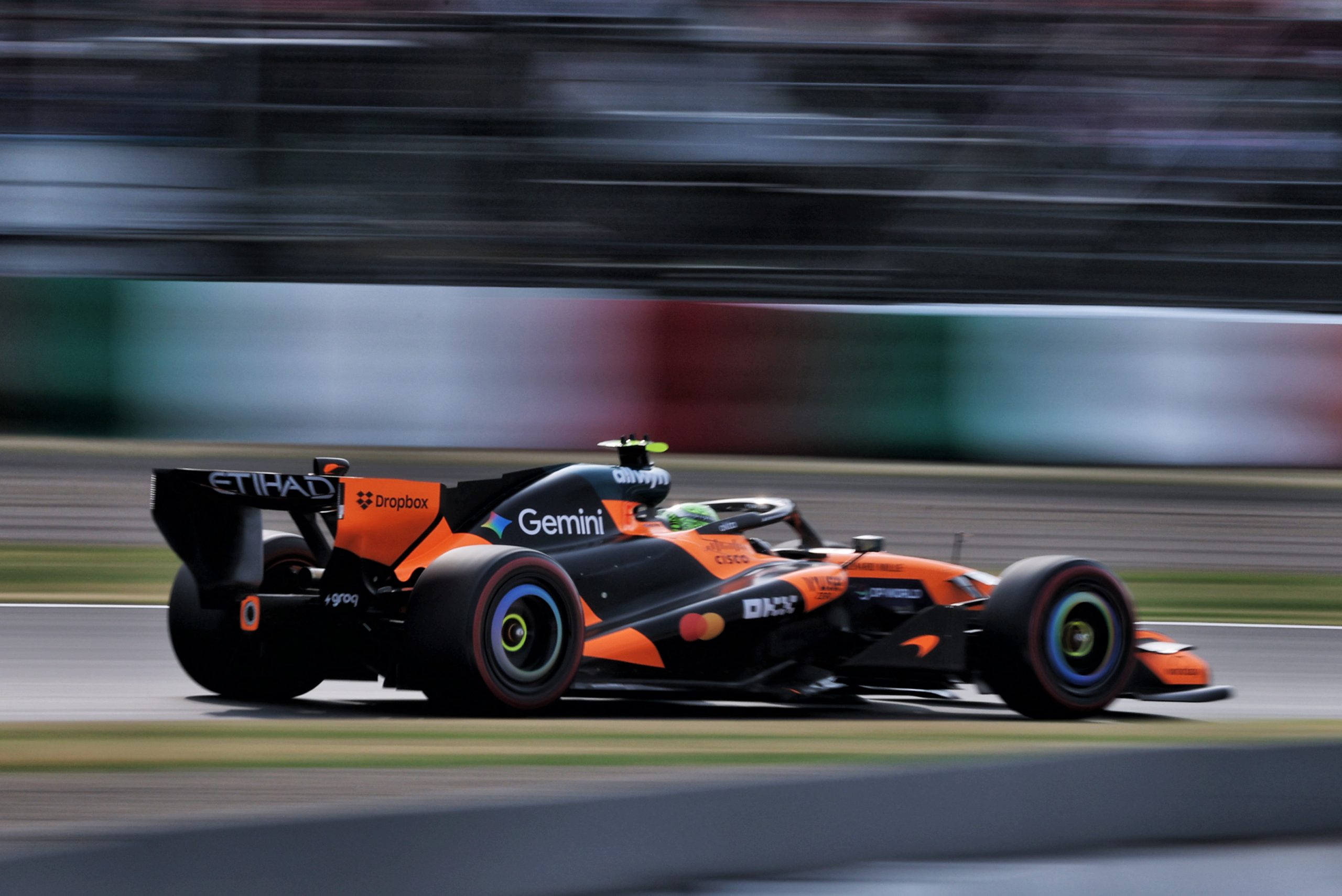
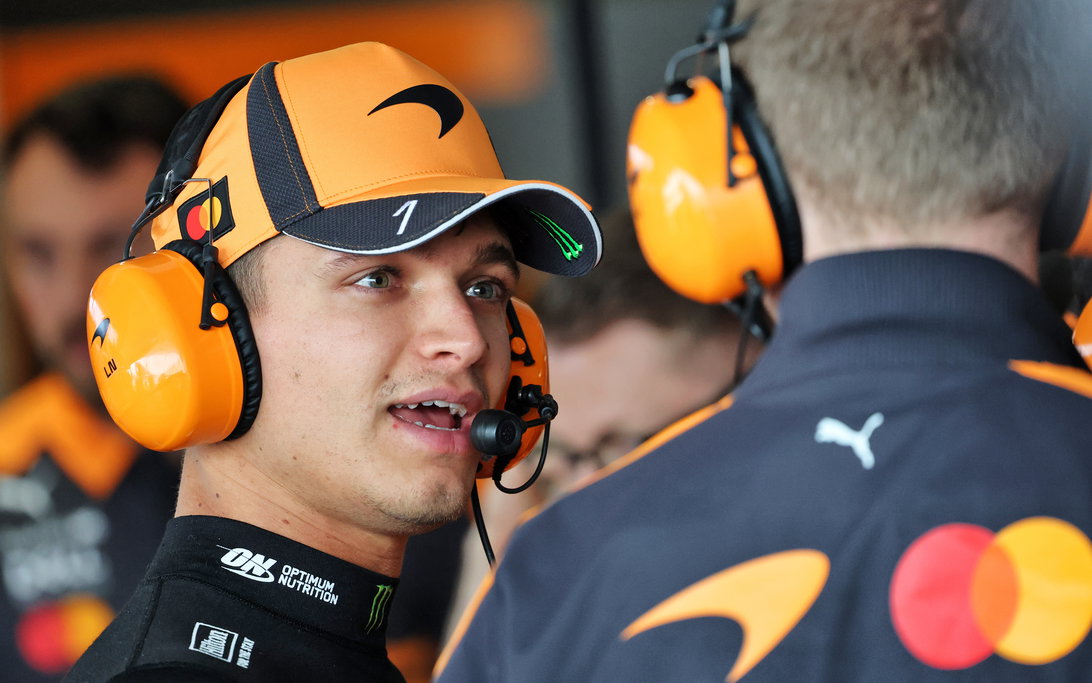
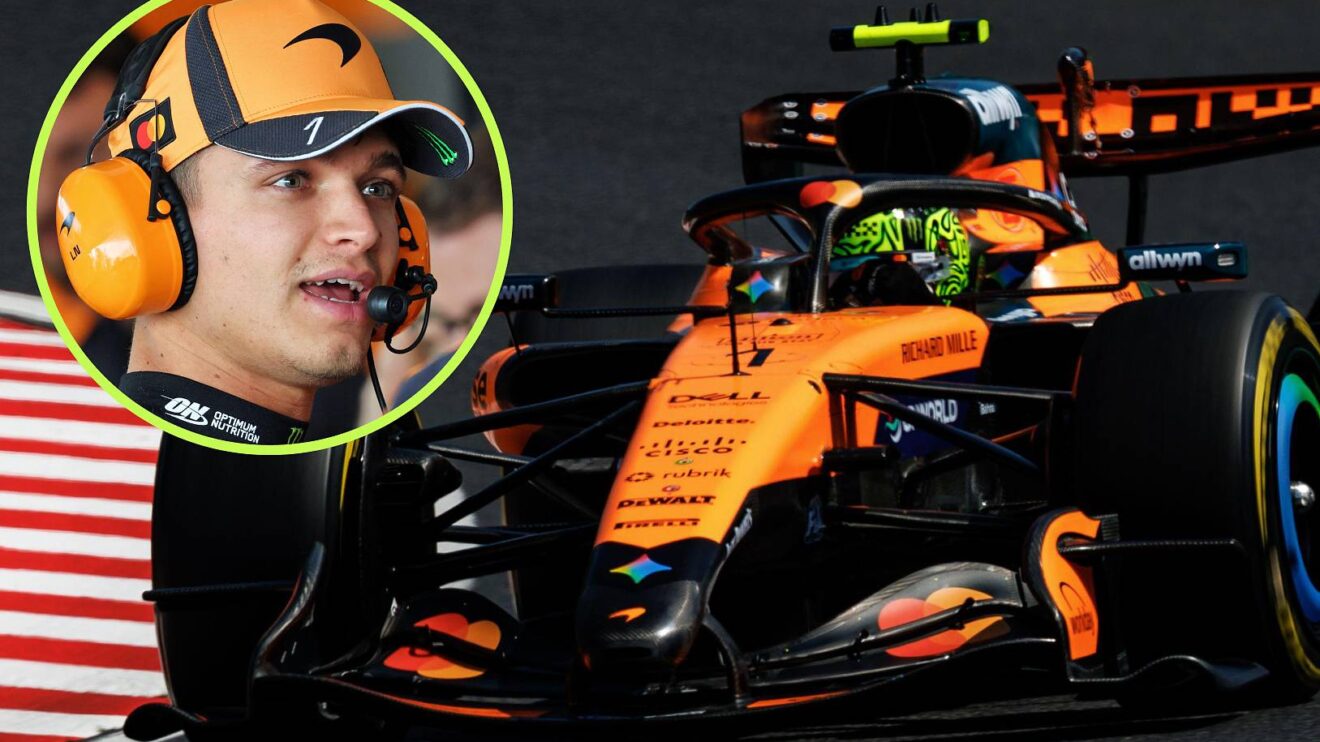
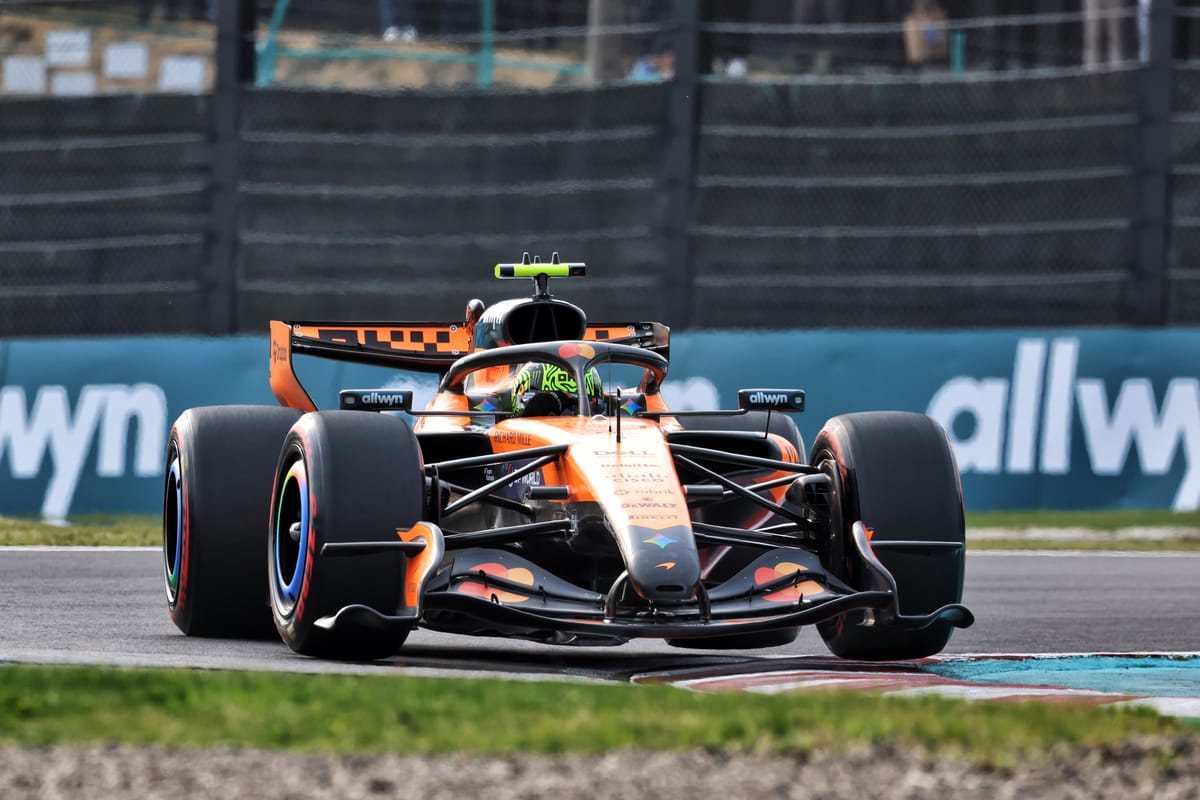
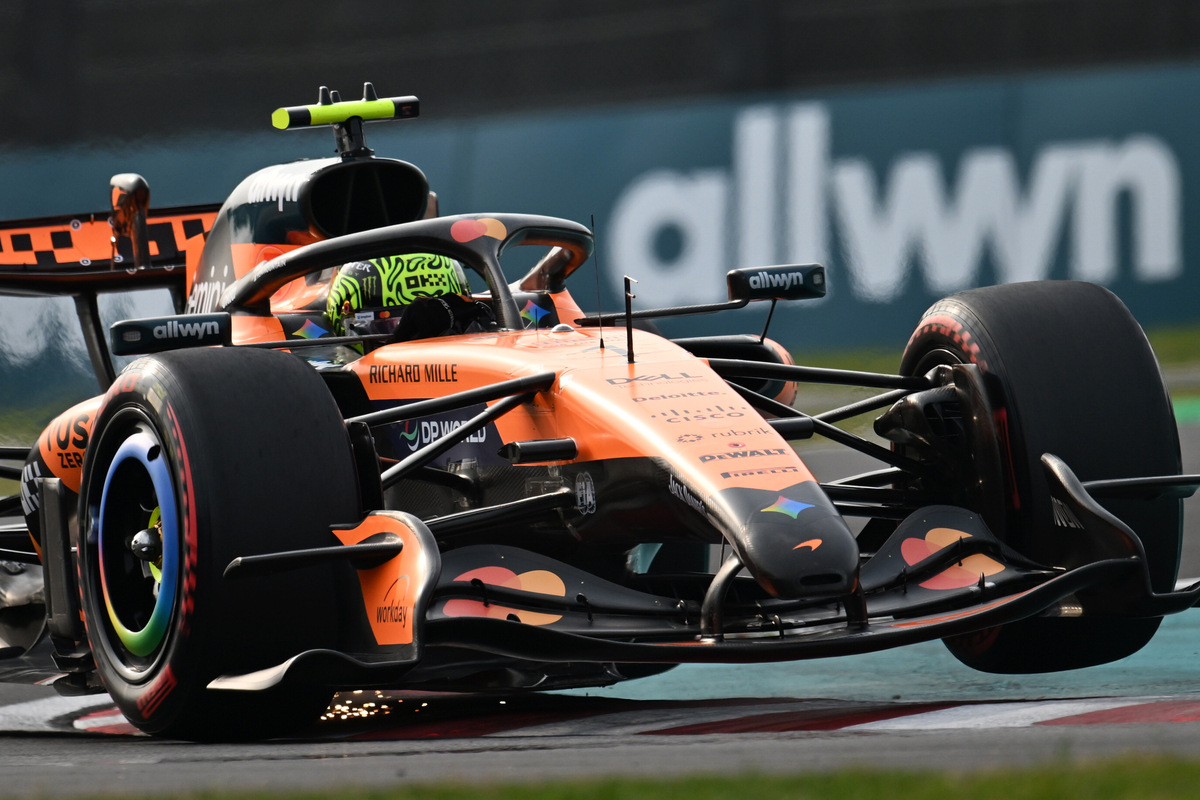
McLaren's Lando Norris says the 2026 F1 power unit regulations, which cause significant speed loss on straights due to 'super clipping,' make driving at circuits like Suzuka less enjoyable and 'hurt your soul,' despite competitive lap times.
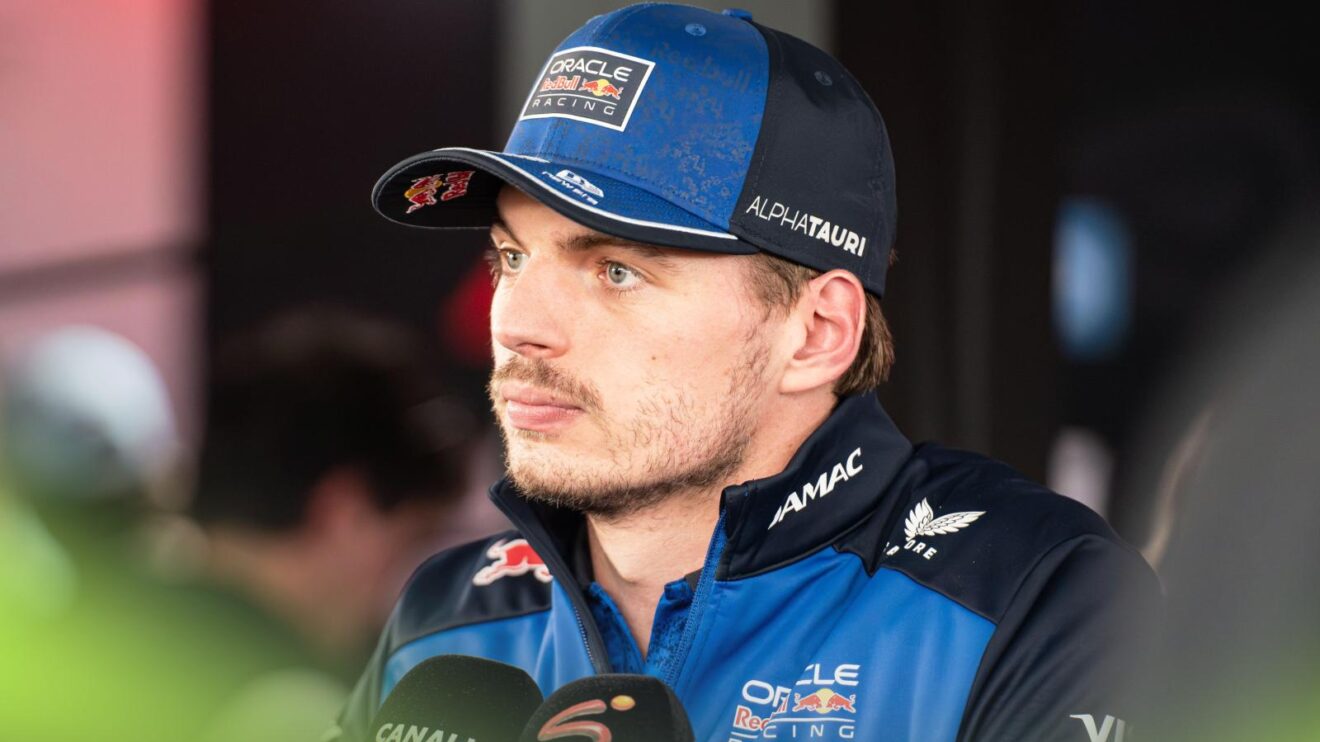
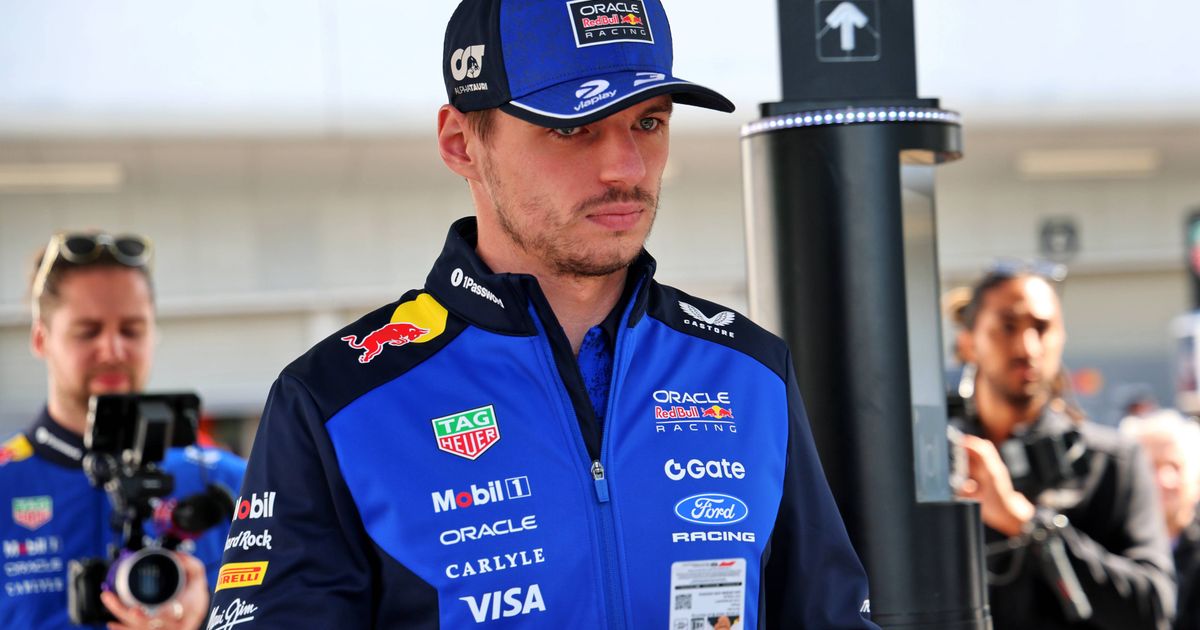
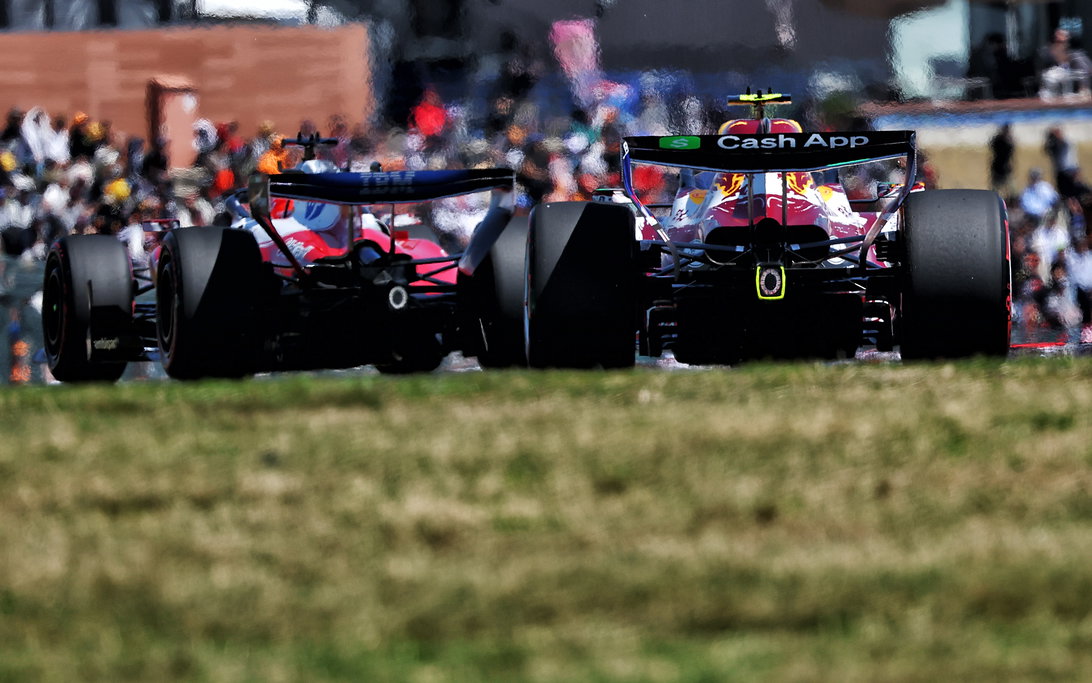
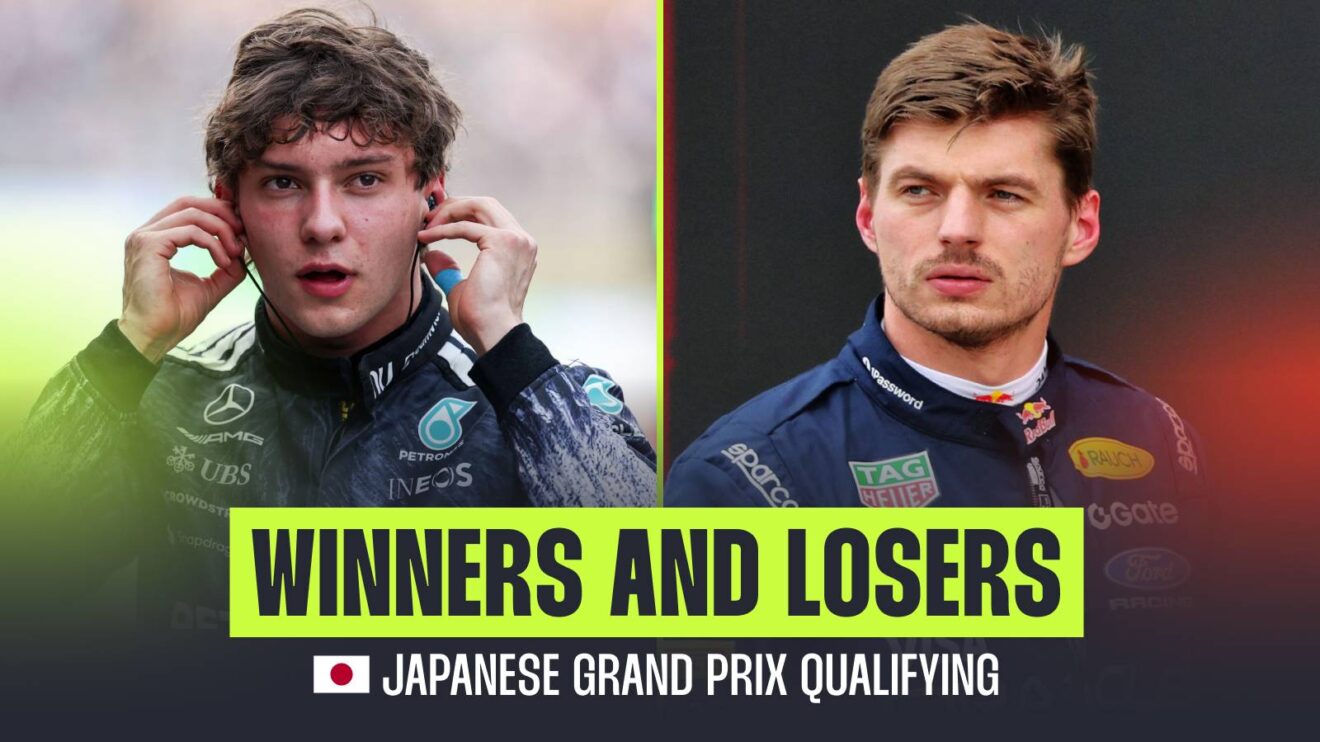
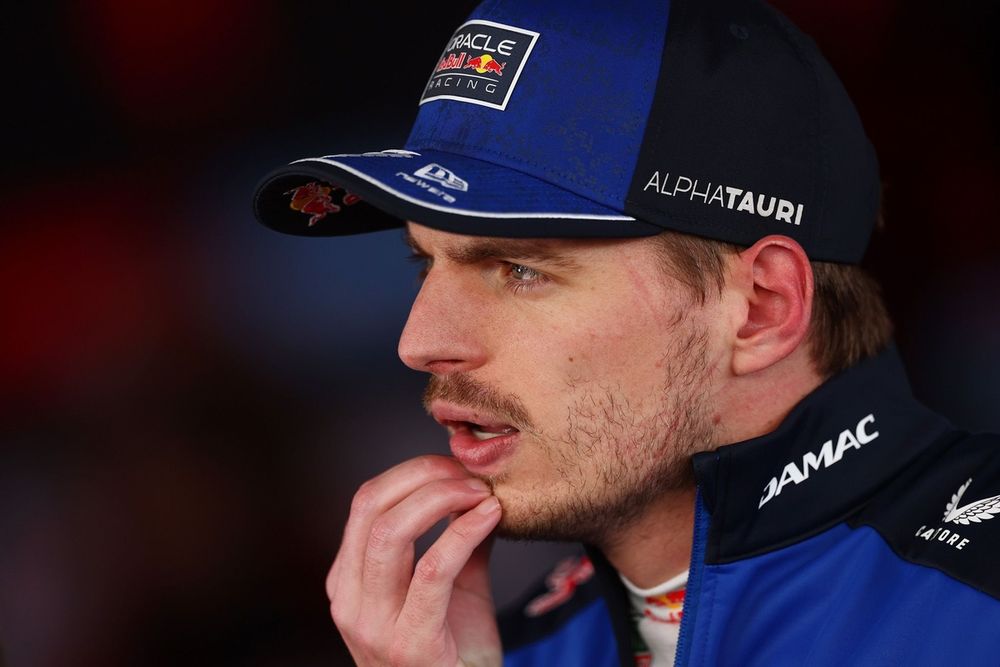
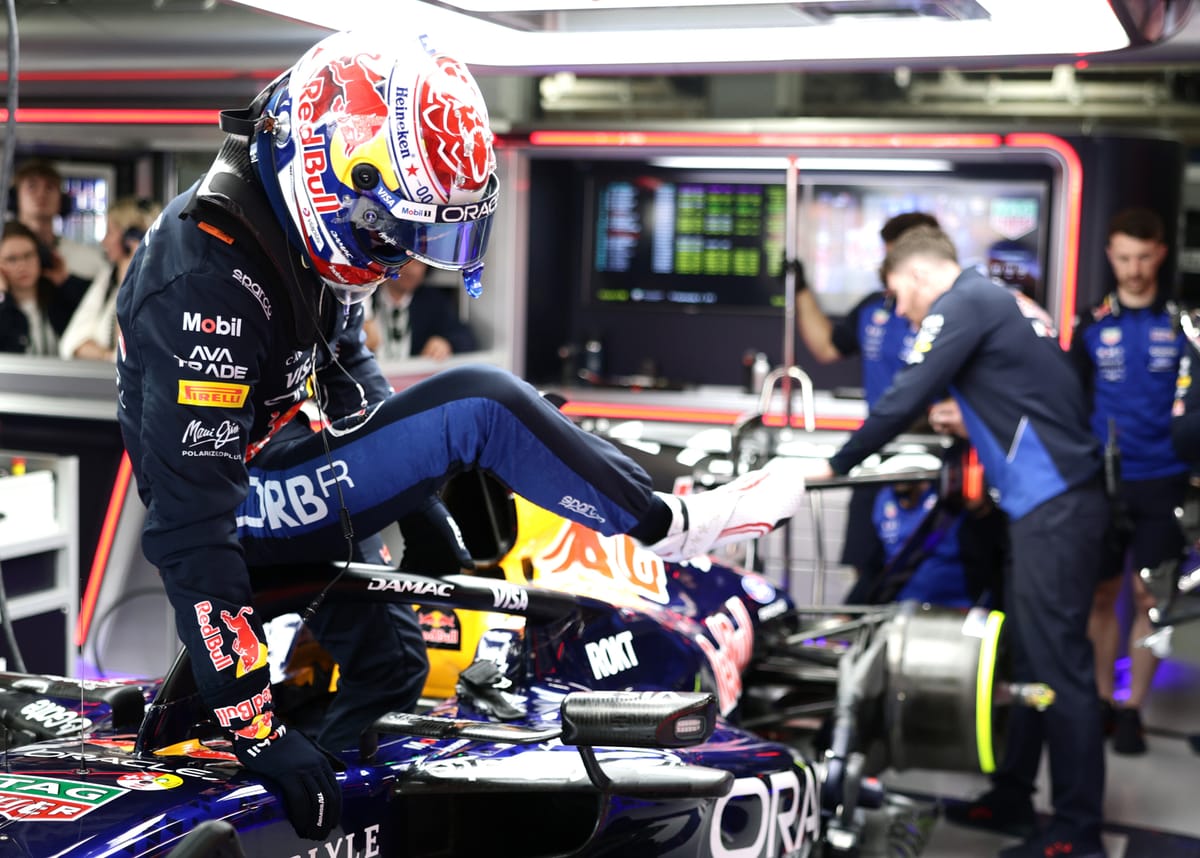
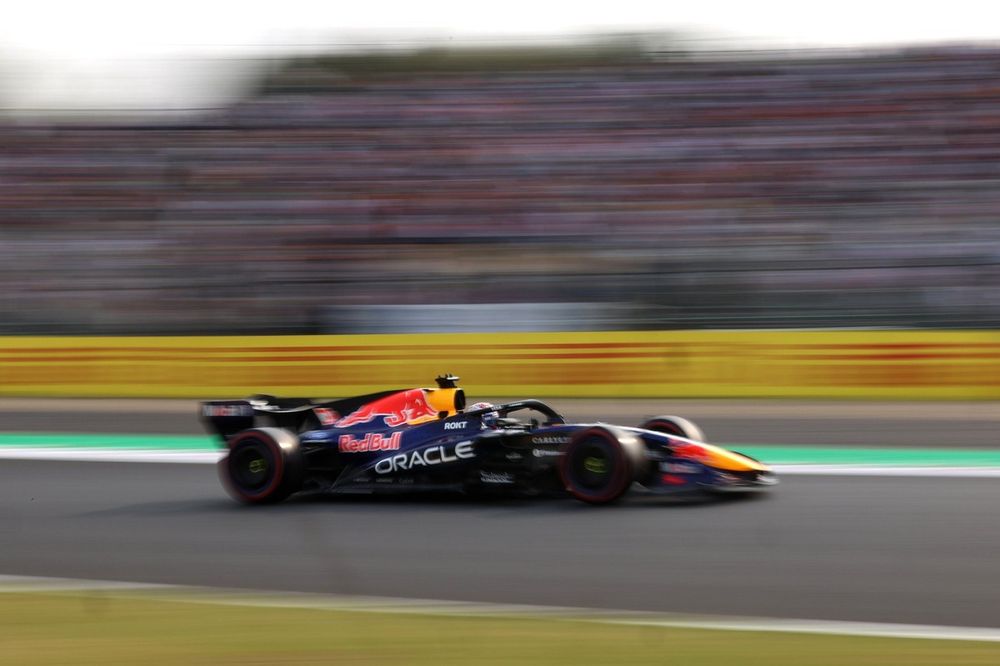
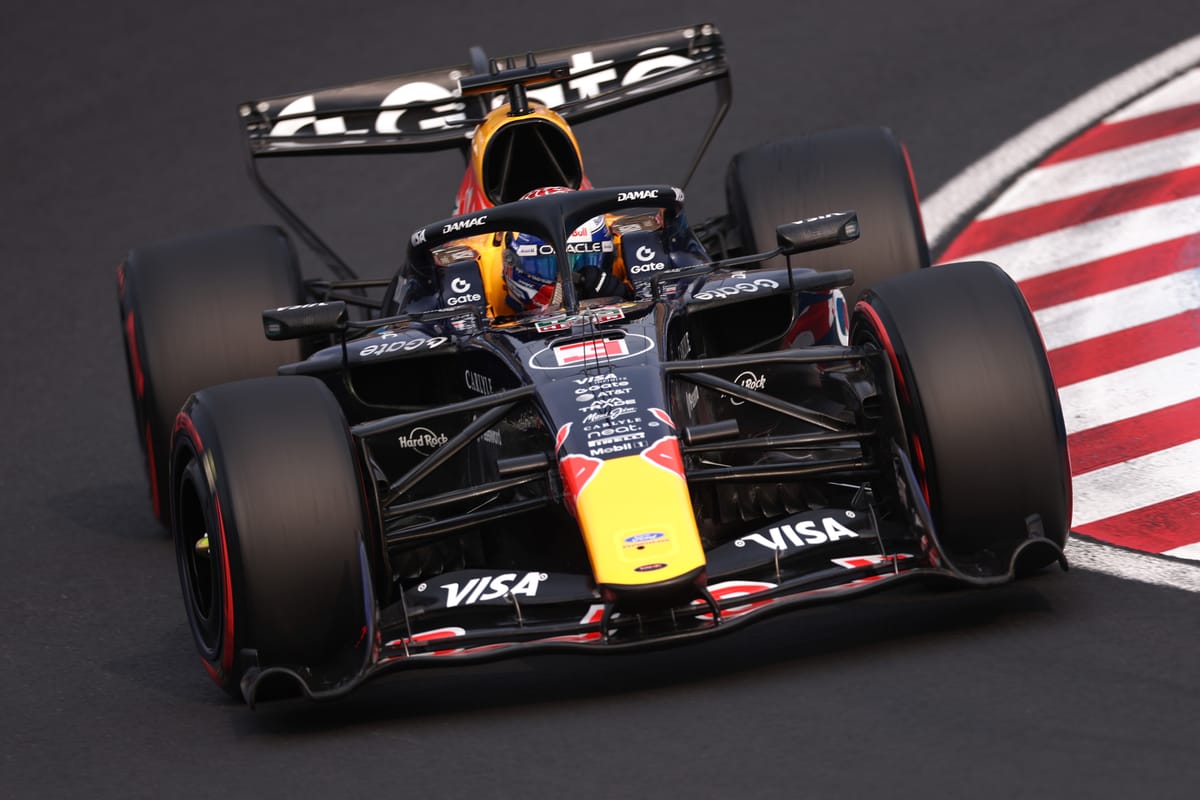
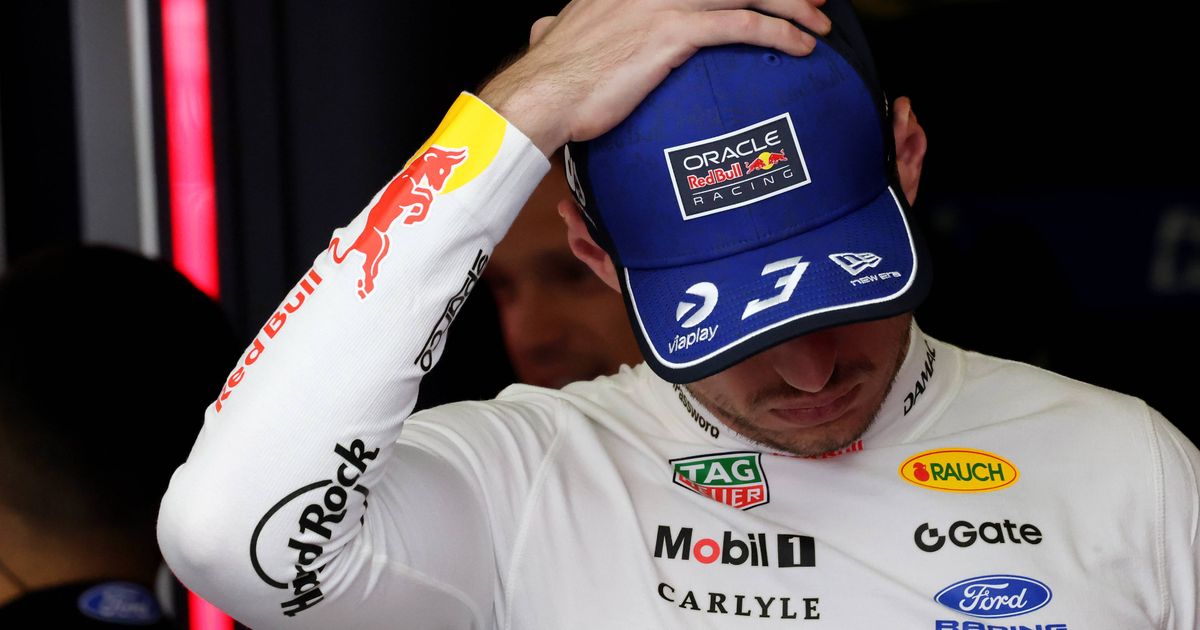
Kimi Antonelli took a commanding pole position for Mercedes at Suzuka, establishing himself as a true threat to teammate George Russell. Meanwhile, Max Verstappen's frustrations boiled over as he qualified poorly in an uncompetitive Red Bull, criticizing the 2026 regulations that drivers say reward conservation over speed.
McLaren's Lando Norris says the 2026 F1 power unit regulations "hurt the soul" by forcing drivers to sacrifice cornering speed for energy harvesting, notably at Suzuka. While praising the new chassis for better racing, he criticizes the hybrid systems for punishing aggressive driving and fundamentally altering the qualifying thrill.
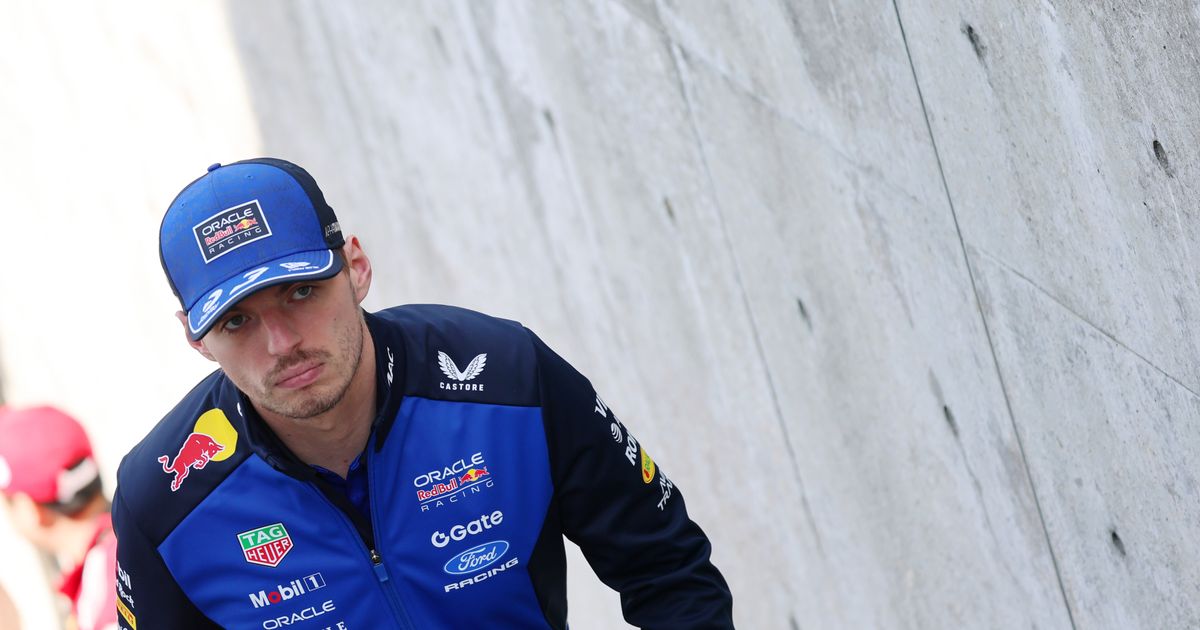
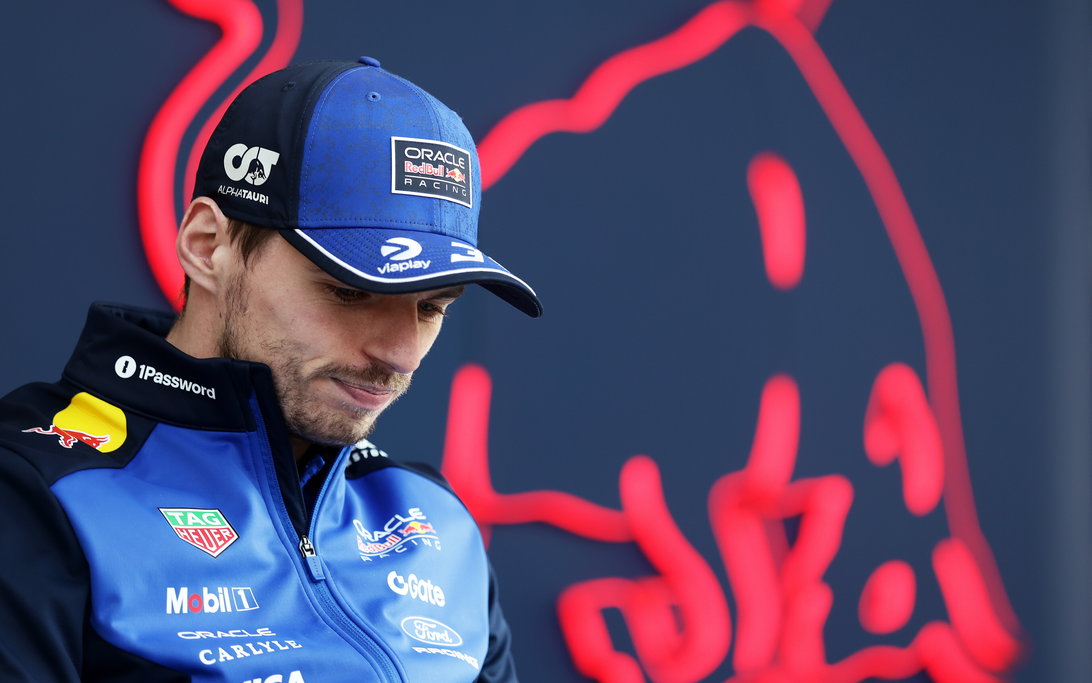
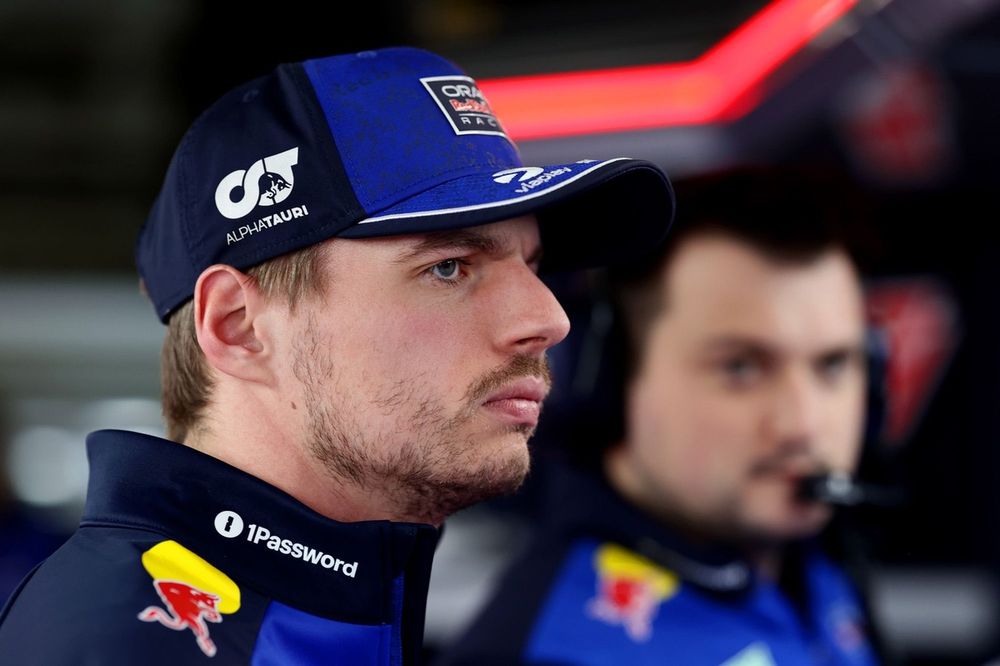
Max Verstappen is seriously reconsidering his Formula 1 career, expressing deep frustration with the current sporting environment and the upcoming 2026 regulations. Following a poor qualifying in Japan, the Red Bull star stated the sport is currently "not fun" and linked his future directly to rule changes for 2025, hinting at a potential early retirement if his concerns are not addressed.
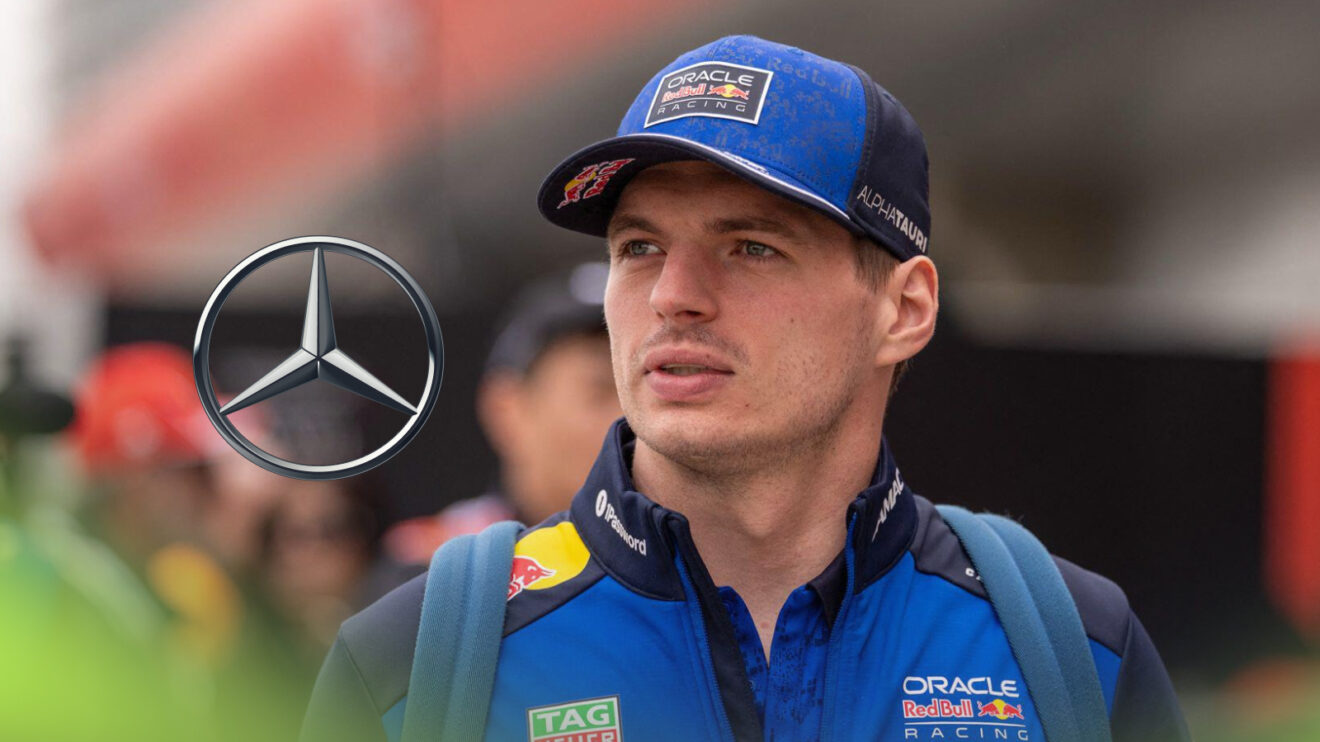
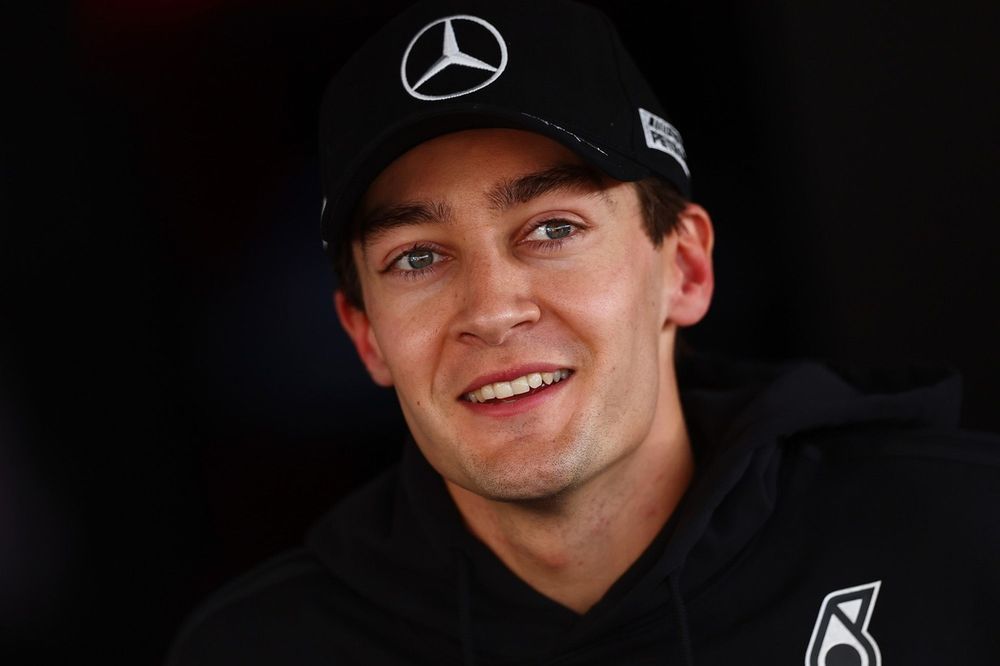
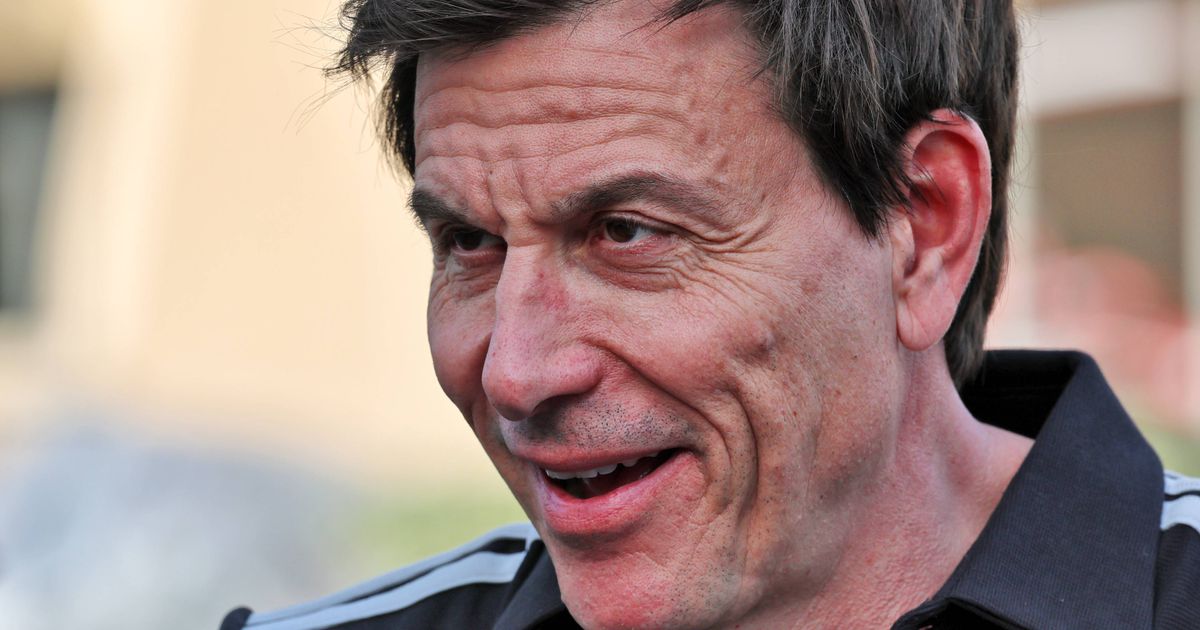
Mercedes F1 boss Toto Wolff has emphatically denied any ongoing talks to sign Max Verstappen, putting an end to widespread speculation. Instead, Wolff has thrown his full support behind George Russell, suggesting the British driver could remain with the team for the next ten years, solidifying Mercedes' commitment to its current young driver lineup.
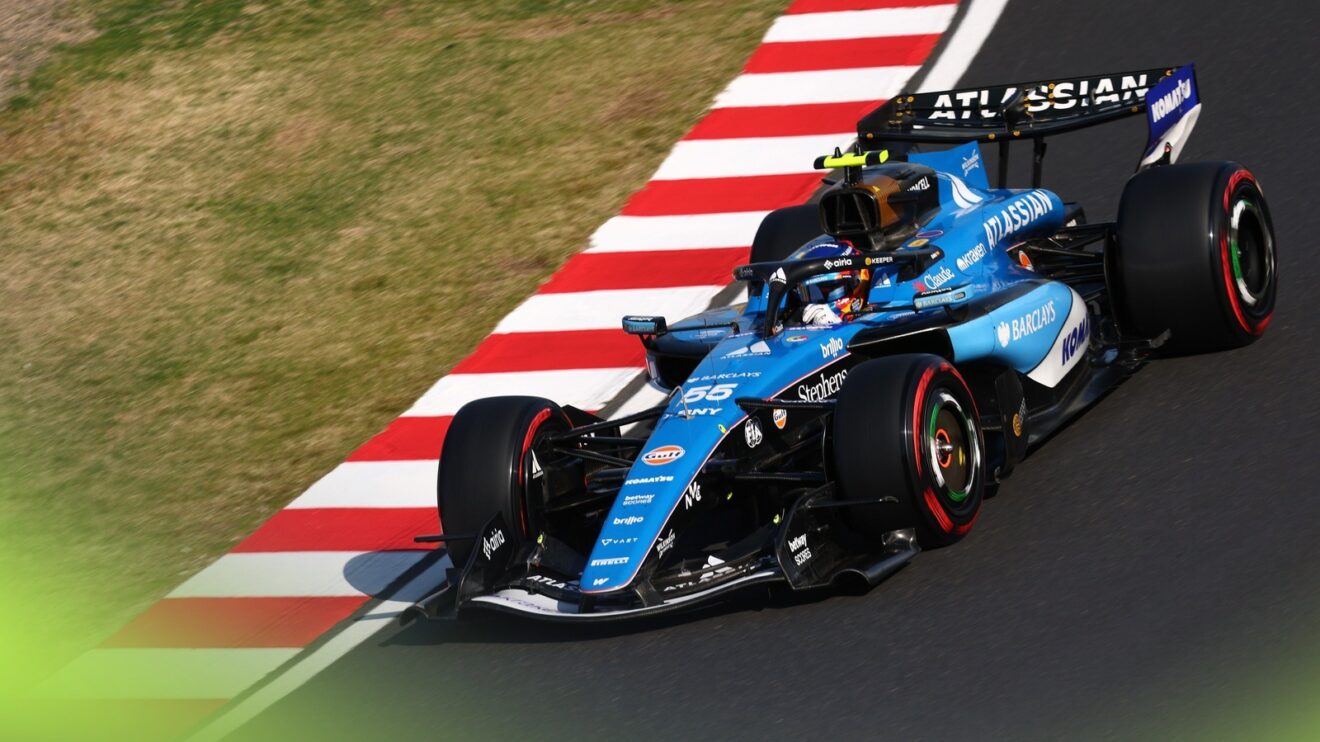
Carlos Sainz has strongly criticized the proposed 2026 F1 power unit regulations, labeling them "not good enough" after experiencing a qualifying session where driving harder in corners resulted in a slower lap time. He calls for a fundamental rethink to prioritize consistent power delivery over extreme peak performance, warning that the current concept creates an unnatural and potentially unsafe driving dynamic.
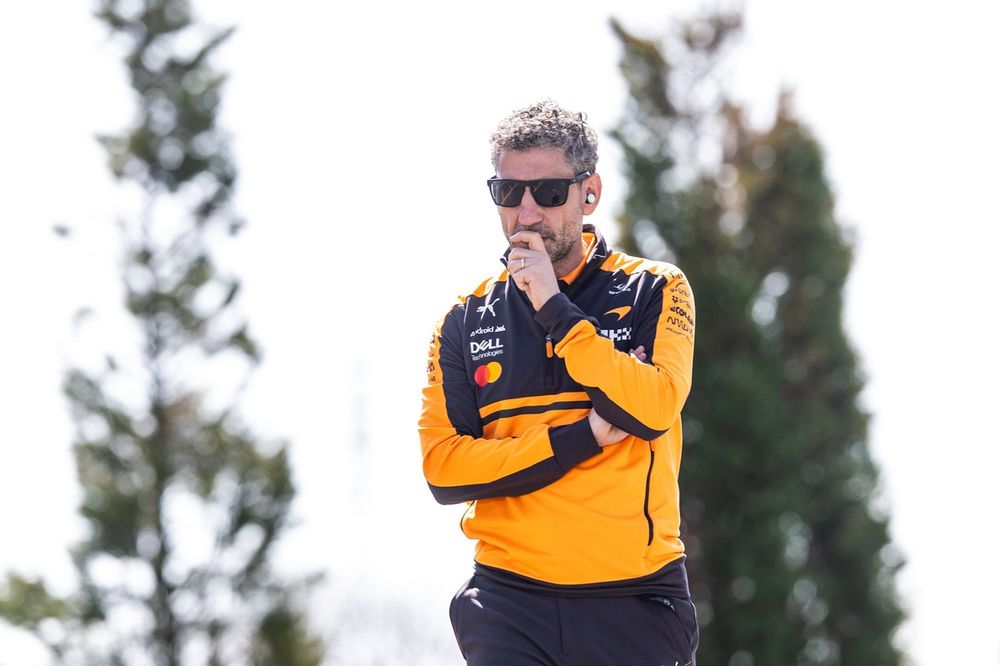
McLaren showed marked improvement at Suzuka with Oscar Piastri qualifying third, but team boss Andrea Stella believes Ferrari's race pace keeps them ahead for now. He views a podium challenge as a positive surprise, pinning consistent top-three fights on future car upgrades.
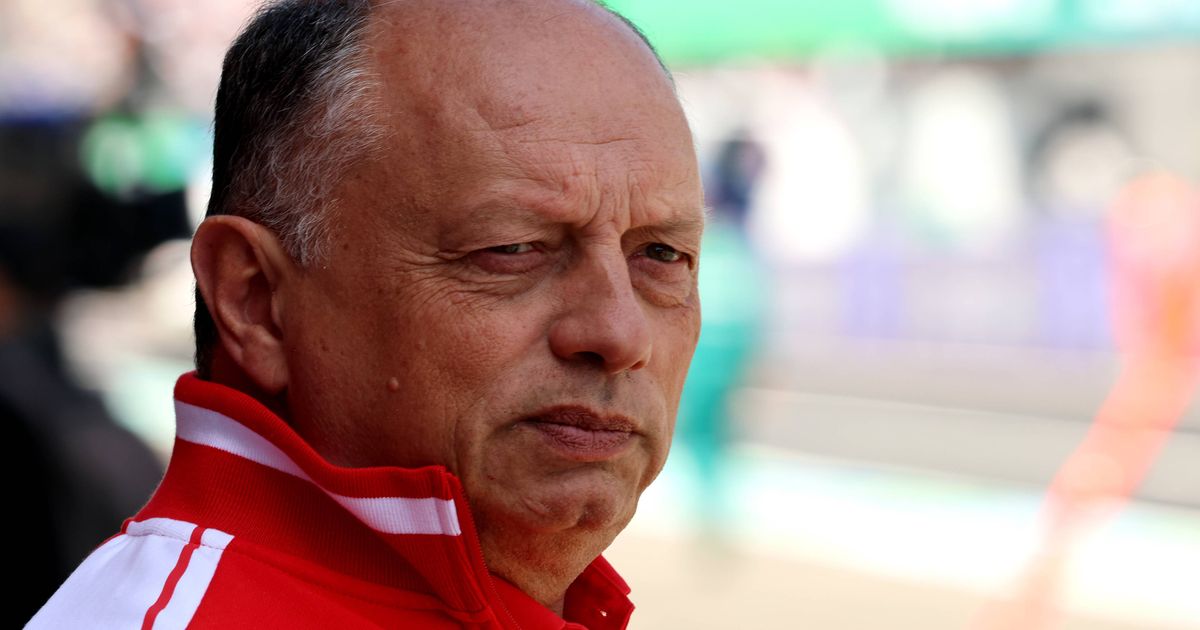
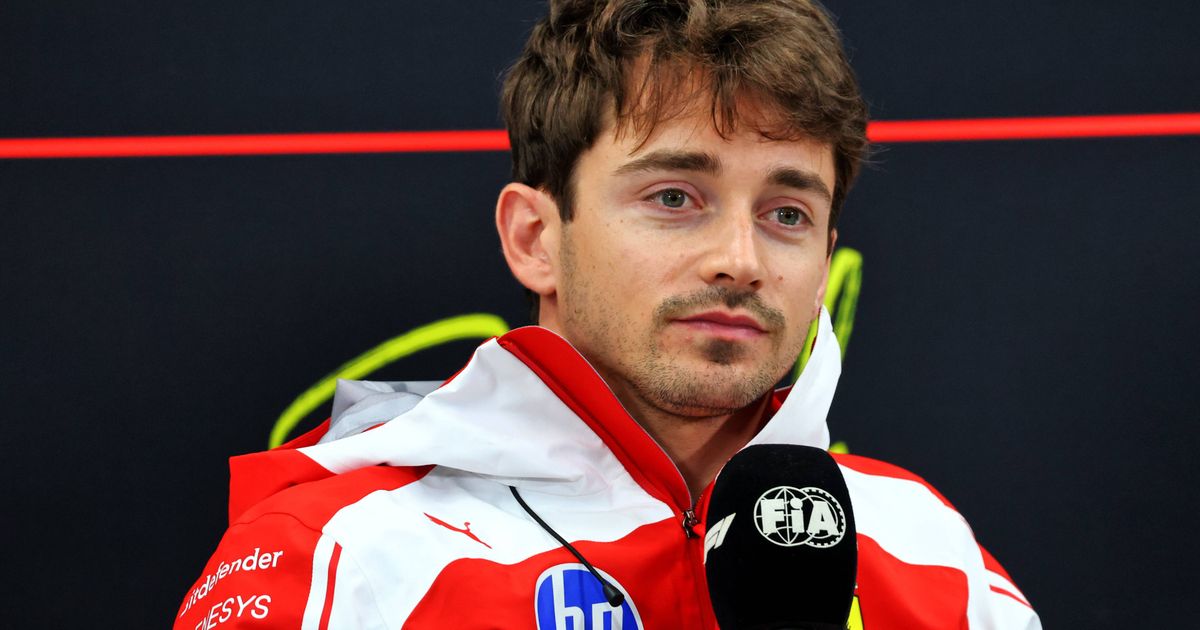
Charles Leclerc's explosive radio message after Japanese GP qualifying revealed deep frustration with Ferrari's straight-line speed deficit. Despite strong cornering, he lost crucial time on the straights, calling the situation a "f***ing joke" and highlighting a persistent technical weakness that cost him a better grid position.
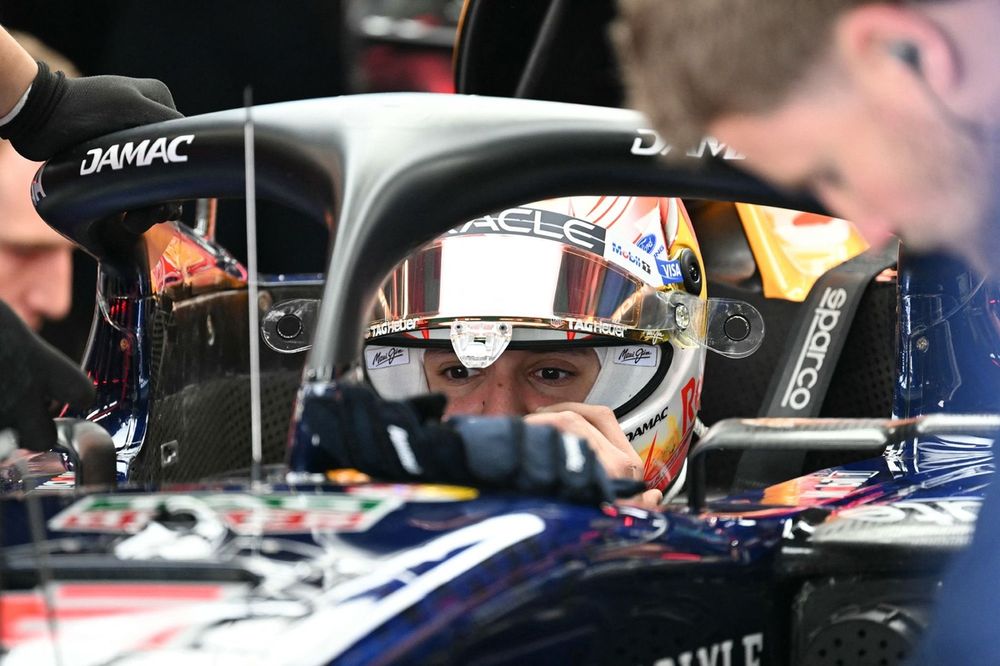
Kimi Antonelli secured a stunning pole position for Mercedes at the 2026 Japanese GP, leading a front-row lockout ahead of George Russell. In a major shock, Max Verstappen was knocked out in Q2 and will start 11th after Red Bull struggled for pace, while McLaren and Ferrari fill the second and third rows.
Isack Hadjar is applying unprecedented pressure to Max Verstappen as his Red Bull teammate, marking the first sustained internal challenge the champion has faced in years. The rookie has matched Verstappen's pace in China and, most notably, out-qualified him at the Japanese Grand Prix, providing the team with valuable data during a difficult midfield season.