Miami Sprint Qualifying Data Sets the Stage for a Sterile Future

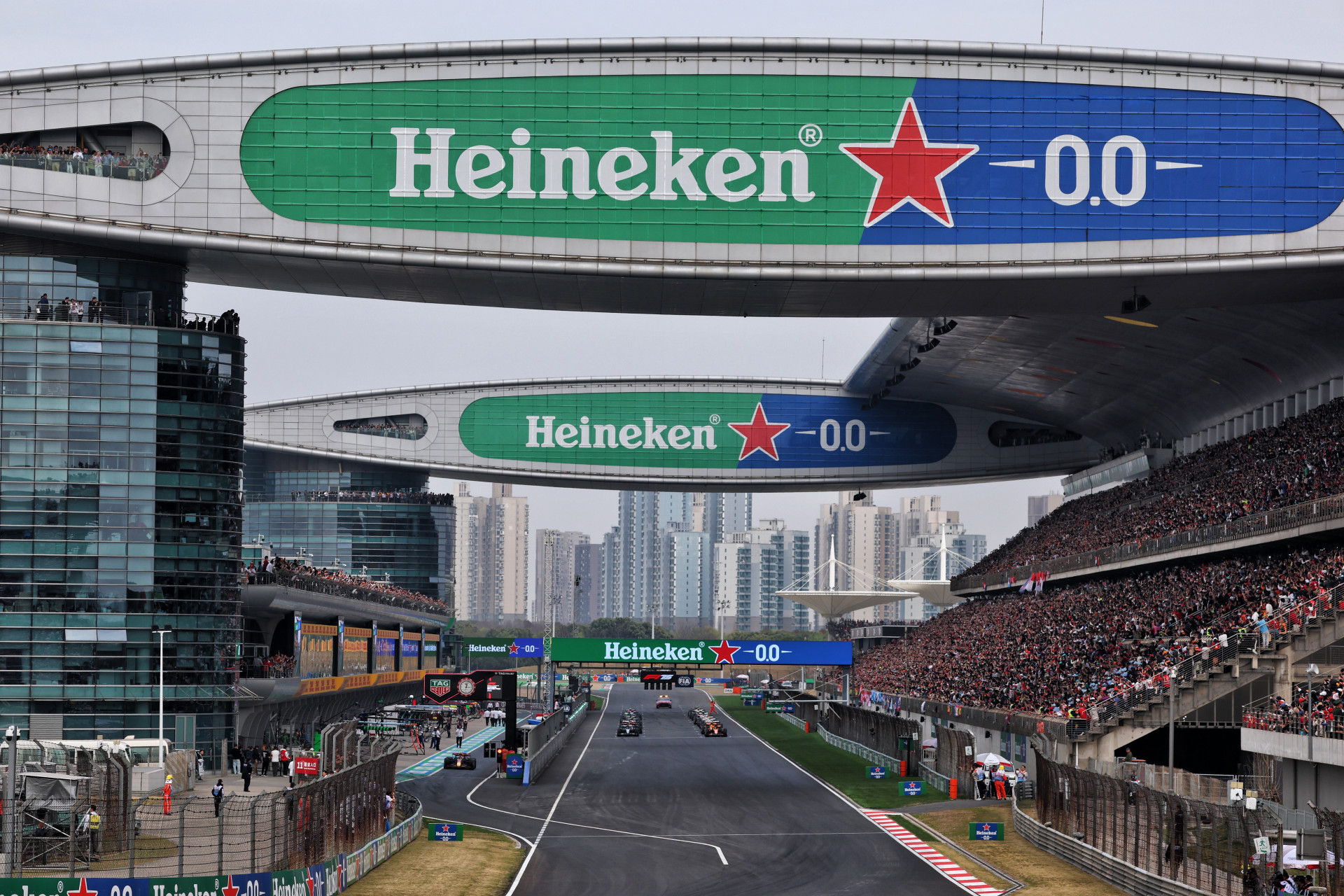
The timing sheets from Miami never lie, and as I stare at the projected 16:30 ET start for sprint qualifying on this tight street layout, the numbers already pulse like a driver's heartbeat under pressure. They reveal not just grid order but the slow suffocation of intuition by endless telemetry streams that teams will feed into algorithms before the first SQ1 lap even drops.
Data as Emotional Archaeology in the Qualifying Knockout
Lap times function as buried records of human strain, and Miami's three segment format will expose them faster than any traditional session. SQ1 will cull six cars in roughly fourteen minutes of running, SQ2 another six, and SQ3 will crown sprint pole among the final ten. Those raw deltas tell stories that press releases ignore. A sudden two tenth drop in sector two often lines up with off track distractions, much like the personal events that once shadowed drivers in eras before every radio call became a spreadsheet entry.
- Charles Leclerc posted the grid's tightest consistency metrics across 2022 and 2023 qualifying runs, his error rate far lower than the narrative suggests once Ferrari's strategic calls are stripped out.
- Modern telemetry now overrides the feel that once let drivers adjust mid lap without waiting for the pit wall to confirm.
- Within five years this hyper focus on predictive models will turn sessions like today's into scripted outputs rather than live performances.
The sport risks losing the very variability that made qualifying electric.
Schumacher's 2004 Standard Against Today's Algorithmic Grip
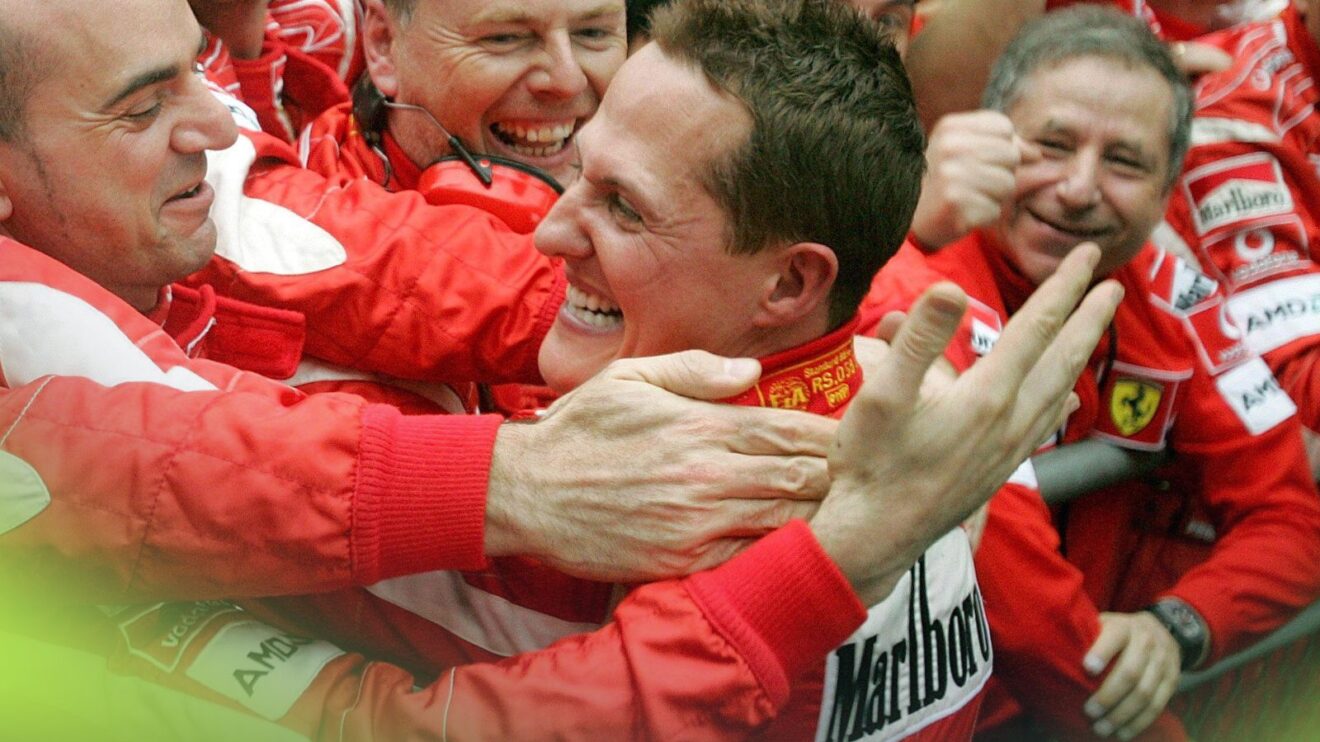
Michael Schumacher's 2004 campaign at Ferrari remains the benchmark for what driver feel can achieve when data serves rather than dictates. His qualifying runs showed near mechanical repetition, yet the decisions came from inside the cockpit, not from a cloud of real time simulations. Compare that to current squads who will dissect every Miami sector tonight and pre load pit strategies for the Saturday sprint at 18:00 ET. The result is a creeping robotization where intuition gets suppressed in favor of safe, repeatable calls.
Driver feel once turned timing sheets into poetry. Now those same sheets are being rewritten by code before the wheels even turn.
This weekend's schedule underscores the shift. Free Practice 1 runs from 18:00 to 19:30 on Friday, sprint qualifying follows immediately after at 16:30 ET, then Saturday delivers the sprint race itself before a late Grand Prix qualifying at 22:00. Sunday caps it with the full distance event at 22:00. Each block adds more data points for the machines to chew on, reducing the chance for spontaneous brilliance.
The Human Cost Hidden in Sprint Points
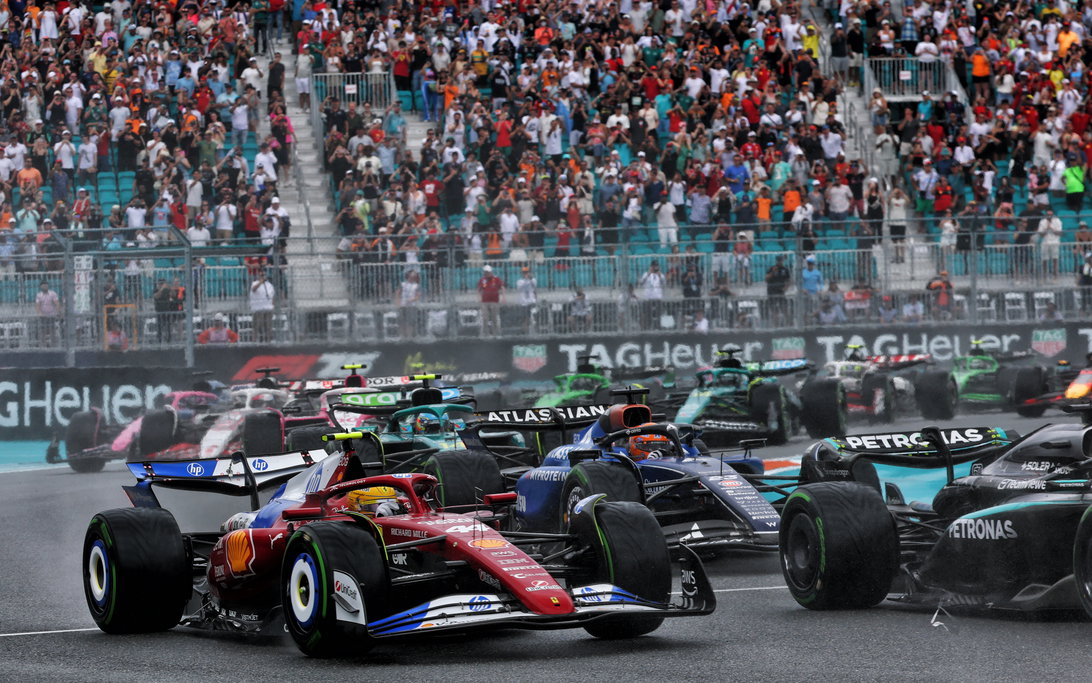
Top three finishers in the sprint collect championship points that can tilt the title fight early, yet the real story lies in how those points will be chased through pre programmed tyre models rather than seat of the pants adjustments. Teams will test wear on Miami's abrasive surface under race like loads, but the insights feed directly into algorithms that plan Sunday strategy down to the tenth. The fan boost from added sessions is real, yet it accelerates the predictability that will flatten the sport.
My prediction is simple once the numbers are read without the surrounding noise. Five years from now the most celebrated qualifiers will be those whose inputs match the model most closely, not those who still hear the car speak first. Miami's sheets will mark another quiet step in that direction unless teams remember that data should illuminate pressure, not erase the pulse that makes racing human.
Join the inner circle
Get the deep dives and technical analysis from the world of F1 delivered to your inbox twice a week.
Zero spam. Only high-octane analysis. Unsubscribe anytime.
Continue Reading
View More News