The Silent Storm Within: Antonelli's Unbreakable Mind Claims Mercedes' Crown
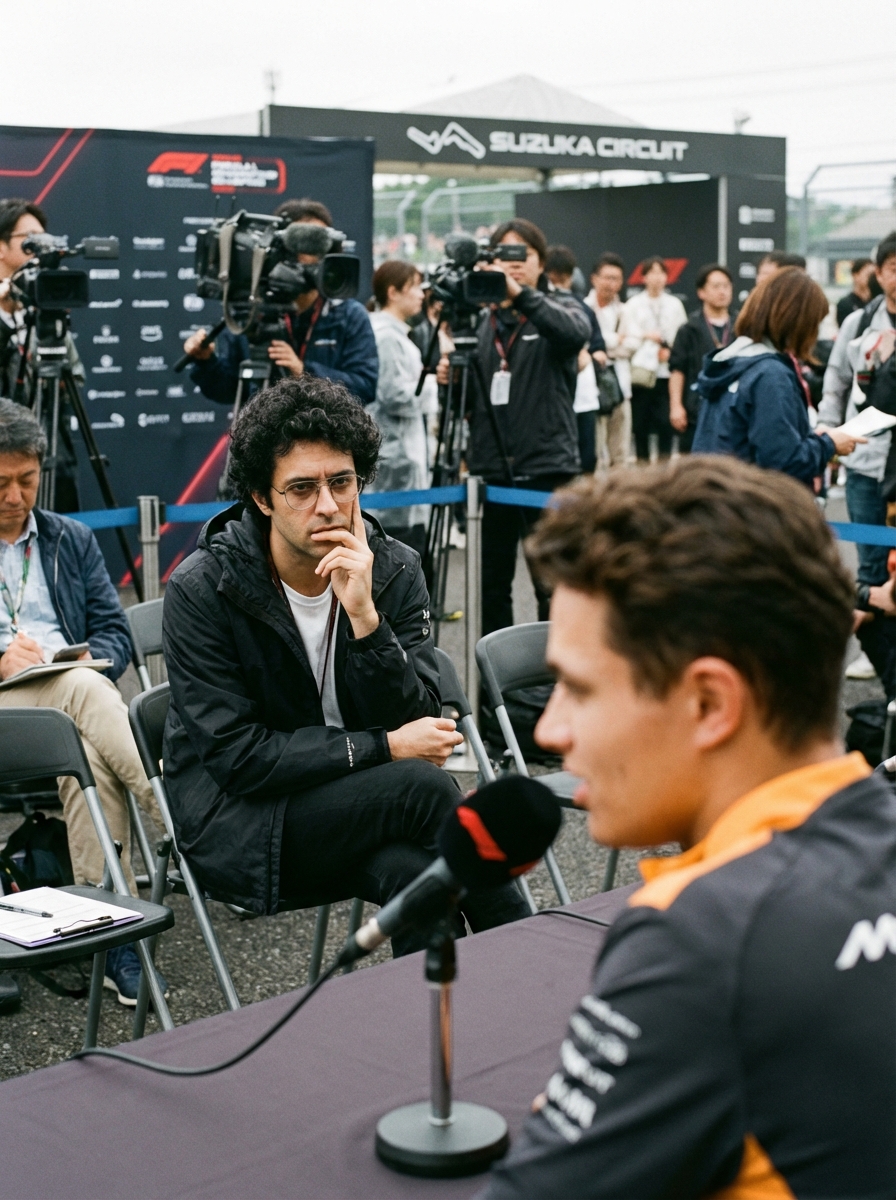
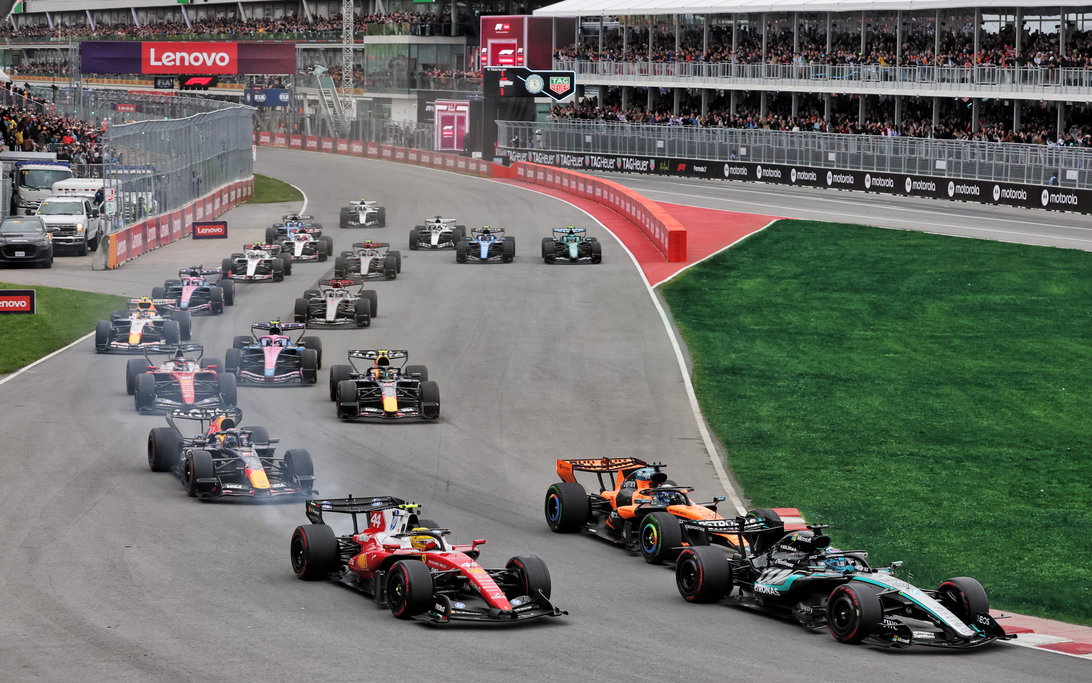
In the hushed aftermath of Montreal's chaos, where telemetry graphs flatlined into heartbreak for one driver and soared into history for another, the true battlefield revealed itself not on the asphalt but in the uncharted terrain of the human psyche. Kimi Antonelli's fourth consecutive grand prix victory has done more than rewrite record books. It has exposed the fragile architecture of confidence that separates champions from contenders, turning a 43-point deficit into a psychological chasm that George Russell must now confront alone.
The Architecture of Mental Supremacy
Antonelli's run stands unmatched in Formula 1 annals. He became the first driver ever to claim his opening four career victories in succession, all arriving inside the season's first five rounds. This streak did not emerge from superior machinery alone. It reflects a teenager whose biometric readings, heart rate variability and reaction times under pressure, suggest an almost preternatural calm that engineers cannot replicate with downforce or tire compounds.
- Sprint pole position secured through measured aggression rather than reckless commitment.
- Sprint victory that showcased split-second decisions free of emotional residue.
- Grand prix pole followed by leading until lap 30, when Russell's power unit failed.
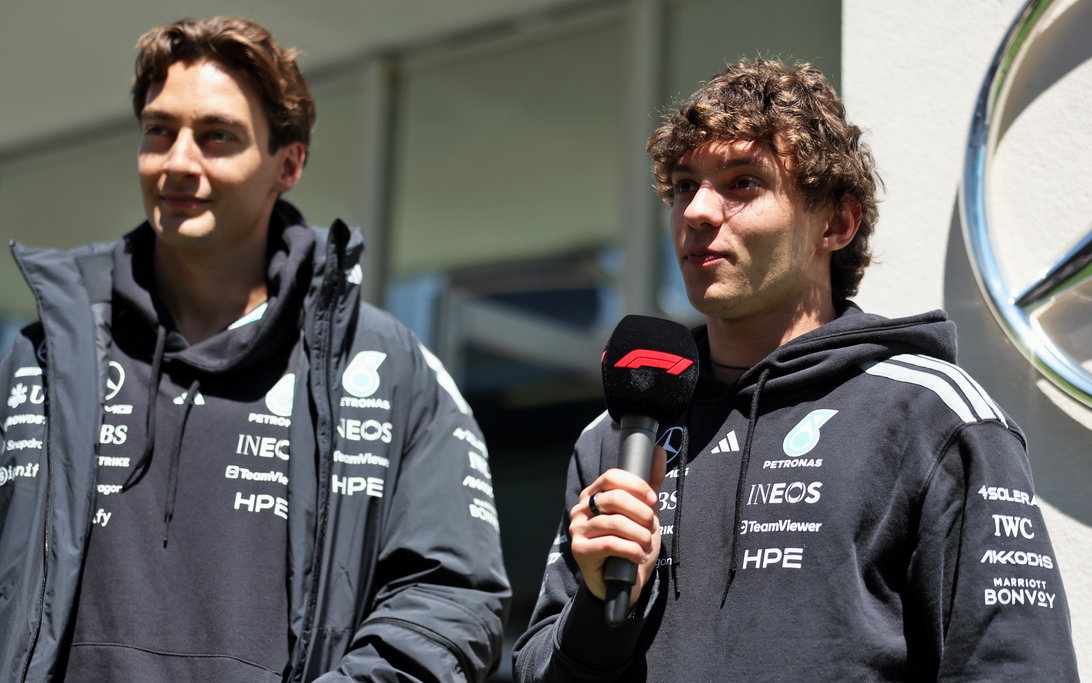
Russell's weekend had carried the scent of redemption until that mechanical betrayal. Yet the numbers tell only part of the story. The Briton now trails by 43 points with at least 349 still available, a gap significant enough to shift team dynamics but not yet fatal if mental fractures can be repaired.
Russell's Inner Monologue and the Gods' Apparent Verdict
"Right now, it is his to lose, being so many points ahead. It feels like the gods don't want me to be in this fight."
Russell's candid admission cuts deeper than any lap-time delta. It echoes the calculated public personas Lewis Hamilton once cultivated after personal trauma, much like Niki Lauda transformed catastrophe into narrative armor. Where Lauda rebuilt himself through raw resilience, Russell appears caught between loyalty to the team and the creeping realization that his younger teammate's emotional regulation may prove more decisive than any future aerodynamic upgrade.
A RacingNews365 poll captured this shifting internal hierarchy with clinical precision: 56 percent of respondents now view the title as Antonelli's to lose, while only 6.51 percent retain faith in Russell and 37.74 percent remain undecided after just five rounds. These figures mirror the same systemic pressures that quietly reshape drivers at other teams, where emotional outbursts are coached into submission to manufacture consistency. Antonelli's apparent immunity to such suppression may define this championship before reliability issues are even solved.
The Coming Era of Psychological Transparency
Within five years, mandated mental health disclosures after major incidents will likely transform how teams manage these invisible battles. Antonelli's current edge suggests he would thrive under such scrutiny. Russell, by contrast, faces the prospect of increased media examination that could amplify every moment of doubt. Driver psychology, not car aerodynamics, will decide wet-weather outcomes and championship margins alike, because decision-making under uncertainty exposes core traits telemetry cannot mask.
The Road Ahead Through Fractured Confidence
Mercedes must address reliability swiftly if Russell is to remain mathematically alive. Yet the teenager's consistency already hints at a deeper advantage: an inner monologue unburdened by legacy or expectation. The title race continues, but the momentum belongs to the driver whose mind has proven itself the most formidable component on the grid.
Join the inner circle
Get the deep dives and technical analysis from the world of F1 delivered to your inbox twice a week.
Zero spam. Only high-octane analysis. Unsubscribe anytime.
Continue Reading
View More News