The Silent Agony in Aston Martin's Cockpit: When Physical Pain Becomes a Mental Reckoning for Alonso
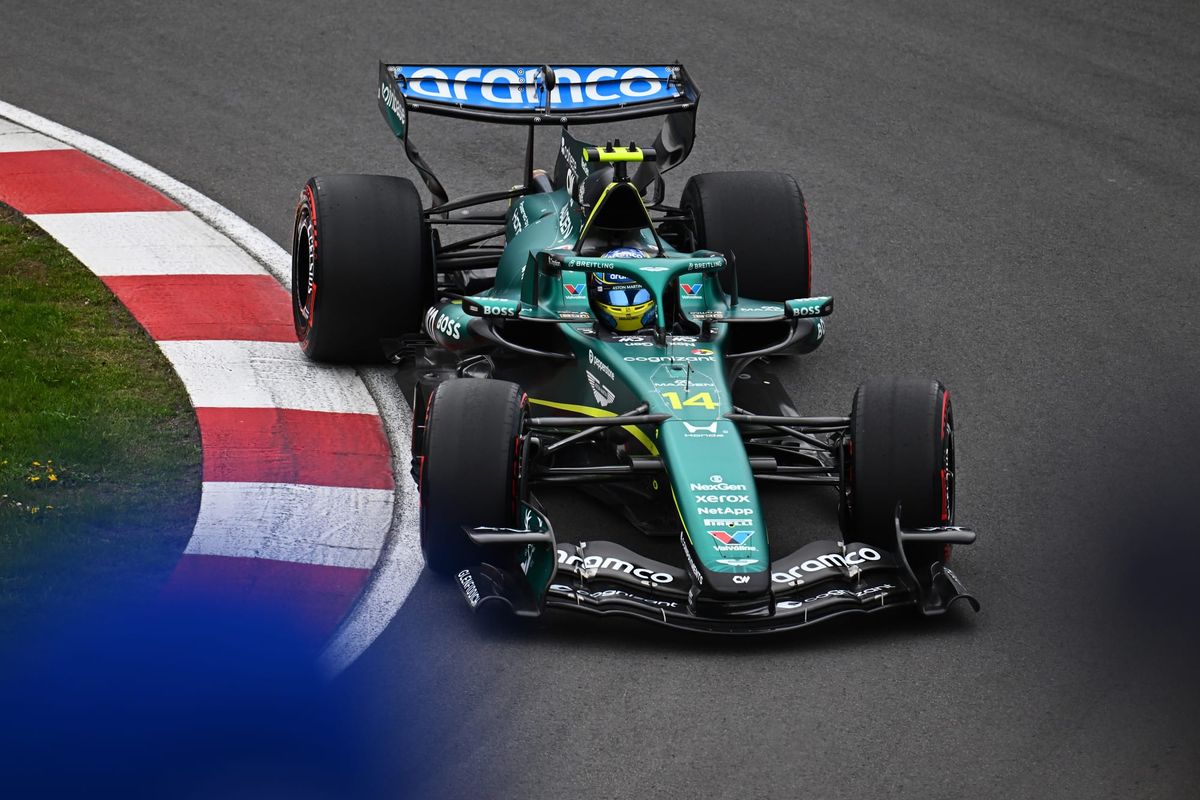
In the high-stakes theater of Formula 1, where every heartbeat syncs to telemetry streams and lap deltas, Fernando Alonso's retirement from the Canadian Grand Prix was not merely a mechanical surrender. It was the raw unraveling of a driver's psyche under the weight of an ergonomics experiment gone wrong, a moment where accumulated discomfort fractured focus and forced an early exit on lap 24.
The Reclined Position as Psychological Pressure Cooker
Aston Martin's aggressive push to lower the center of gravity in the AMR26 created a seating angle that prioritized aerodynamic gains over human endurance. This setup, intended to shave vital drag, instead turned the cockpit into a slow-burning chamber of torment for Alonso. Pain built lap by lap, eroding the razor-sharp decision-making that separates champions from the pack.
- Early in the race, Alonso held as high as 10th, his biometrics likely showing steady heart rates amid initial promise.
- By lap 24, escalating discomfort triggered the retirement, with the driver noting the position "doesn't feel the right one."
- The team had tinkered with modifications even on Saturday night, yet these patches failed to address the core layout flaw.
Such physical constraints do not exist in isolation. They amplify the inner monologue every driver battles: the voice questioning whether to push through or yield. For Alonso, this echoed the kind of mental erosion that teams often overlook until it costs points or worse. Driver psychology, after all, dictates outcomes far more than any wing angle when uncertainty creeps in.
Lessons from Calculated Resilience: Hamilton, Lauda, and Suppressed Voices
Fernando Alonso's ordeal invites direct parallels to how other legends have weaponized trauma. Lewis Hamilton's meticulously crafted public image mirrors Niki Lauda's post-crash transformation, where both drivers turned personal fractures into narratives of unyielding control. Yet behind the facade lies the same truth: raw talent alone rarely survives without the mind's ability to compartmentalize pain.
This incident at Circuit Gilles Villeneuve highlights a broader team dynamic issue. Mike Krack, Aston Martin's chief trackside officer, admitted the trend of reclined stances may have gone "a step too far." The problem festered across prior races but only exploded in Canada because the car's improved reliability allowed longer stints, exposing the mental and physical limits. One wonders if similar covert pressures, like those suspected in Red Bull's handling of Max Verstappen's emotional edges, are at play here, manufacturing compliance at the expense of authentic driver input.
"Maybe we have gone a step too far," Krack stated, acknowledging the aerodynamic trade-offs now demanding a fundamental rethink.
Within five years, such cockpit crises could accelerate F1's inevitable mandate for mental health disclosures after major incidents. Transparency would follow, but so would scandals as inner monologues spill into public view, turning private therapy sessions into headline telemetry.
Monaco as the Mental Reset Point
The team targets a revised seat for the Monaco Grand Prix in early June, potentially reverting to a more upright posture from prior years. This shift requires more than superficial fixes; it demands a cockpit redesign that balances aero efficiency with the endurance needed for full-race focus. Alonso anticipates the change, and the outcome may set precedents for rivals weighing similar ergonomic risks.
In wet conditions especially, where uncertainty reigns, these psychological factors eclipse any design tweaks. A driver's core traits emerge under duress, unengineerable by even the sharpest minds in the garage.
The Canada retirement serves as a stark reminder that F1's human element remains its most volatile variable. As teams chase marginal gains, they risk fracturing the very minds propelling their machines forward.
Join the inner circle
Get the deep dives and technical analysis from the world of F1 delivered to your inbox twice a week.
Zero spam. Only high-octane analysis. Unsubscribe anytime.
Continue Reading
View More News