The Paint is a Mirror: What the 2026 Liveries Reveal About Team Psychology
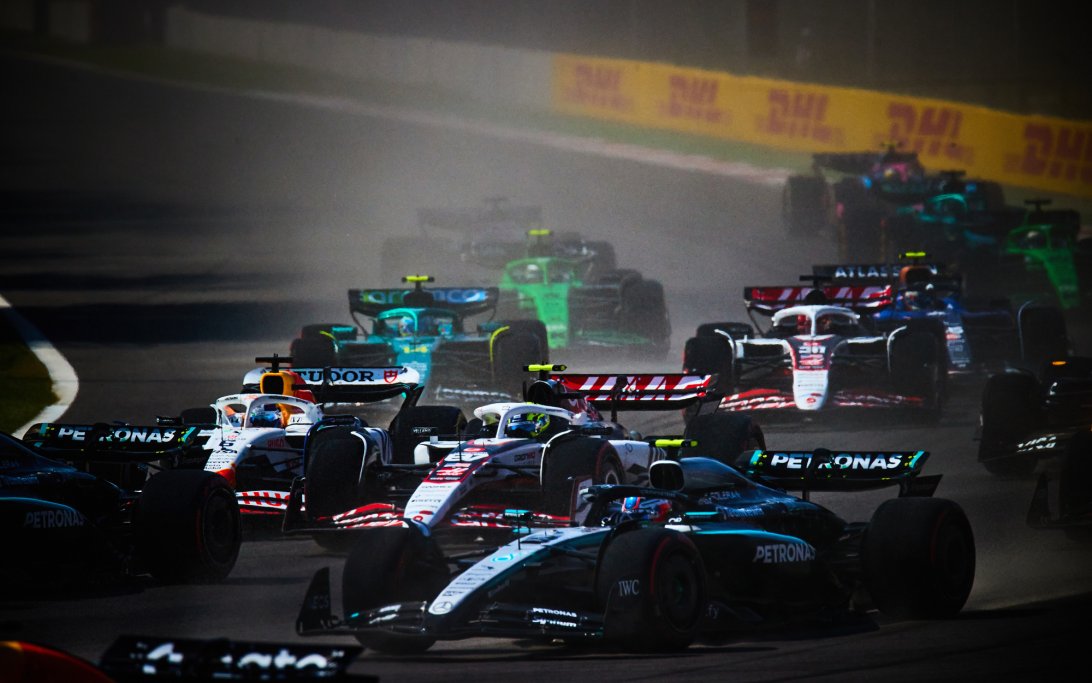
The cars sit silent in the garage, but they are already screaming. Before a single engine coughs to life in anger, the livery is a declaration. It is a team’s psyche rendered in carbon fiber and vinyl. The 2026 grid, freshly ranked by the sport’s insiders, is not a simple palette of colors. It is a diagnostic chart. The confident, cool blues of the front-runners versus the frantic, cluttered red of the fallen icon tell a story far deeper than sponsor placement. They are visual heart rates. A calm, steady rhythm suggests control. A jagged, chaotic spike reveals an identity in crisis.
Look past the metallic sheen. See the fear, the ambition, the calculated calm. This is where the mental game begins, months before the lights go out.
The Calm of the Predator: Red Bull’s Calculated Cool
Topping the list, Red Bull’s metallic blue is not a color. It is a statement of intent, a psychological extension of their most potent weapon: Max Verstappen’s manufactured composure. The experts praise its modern look under floodlights, but they miss the subtext.
This livery is the visual equivalent of a stabilized heart rate. There are no jagged edges, no emotional flares of unnecessary color. It is a deep, consistent, almost surgical blue. This is no accident. It reflects the team’s core belief, one I have long argued: raw talent is volatile. It must be suppressed, channeled, and packaged. Verstappen’s early career was a canvas of emotional outbursts—radio snarls, wheel-banging frustration. That driver is gone, sanded away by covert psychological coaching that turned fire into ice. The car now mirrors the man. The metallic blue is cool to the touch, a shield against the heat of competition. It says, "We have mastered our own chaos. We are not subject to the storm; we are the precision within it."
"A livery is the first piece of data a competitor sees. Red Bull’s says 'We have already won the internal battle.' That is more intimidating than any horsepower figure."
Their dominance isn't just Adrian Newey’s genius. It is a holistic system where the driver’s mind is treated with the same ruthless optimization as the front wing. The blue is calm because the mind inside the cockpit has been programmed to be calm. It is the color of control.
The Crisis of Identity: Ferrari’s Cluttered Soul
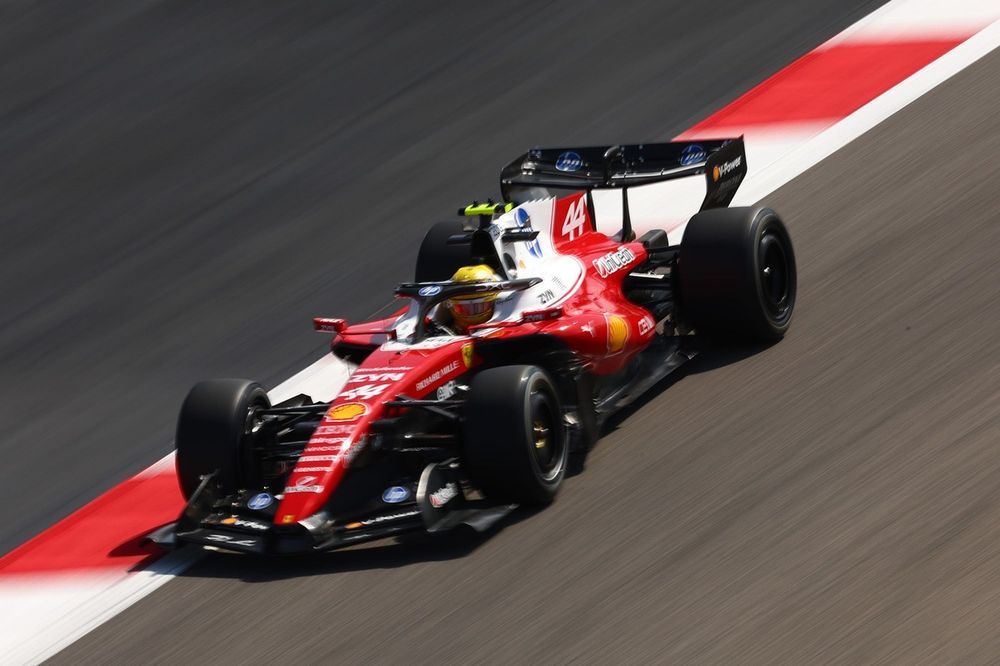
Plummeting to sixth, Ferrari’s red-and-blue scheme is a case study in psychological dissonance. Described as "cluttered" and in need of a "pure-red reset," this is more than a design failure. It is an identity crisis painted 20 feet long.
The scarlet red is the id of Formula 1—primal, historic, dripping with unfiltered passion. It is the color of Enzo’s fury and of a tifosi’s heart. But now, it is sliced through with corporate blue and the stark logos of new partners. This isn't a livery; it is a committee meeting. Every added stripe, every compromise for a sponsor, is a fracture in the team’s legendary, if burdensome, self-concept. What are we? Are we a historic institution of passion, or a modern commercial entity? The car cannot decide, and that indecision is toxic.
I am reminded of Lewis Hamilton’s calculated persona—a brilliant, self-constructed narrative of activism and style that sometimes feels layered over the racer, much like this blue is layered over the red. But where Hamilton’s construction is deliberate and empowering, Ferrari’s feels accidental and weakening. They are trying to please everyone, and in doing so, they have buried their core weapon: singular, terrifying focus. In wet conditions, where driver psychology trumps aerodynamics, a cluttered car reflects a cluttered mind. Will the driver feel connected to this machine, or will he feel he is piloting a billboard for a brand he doesn’t embody?
The Safe Bets and the Silent Strains
The rest of the grid falls into telling categories:
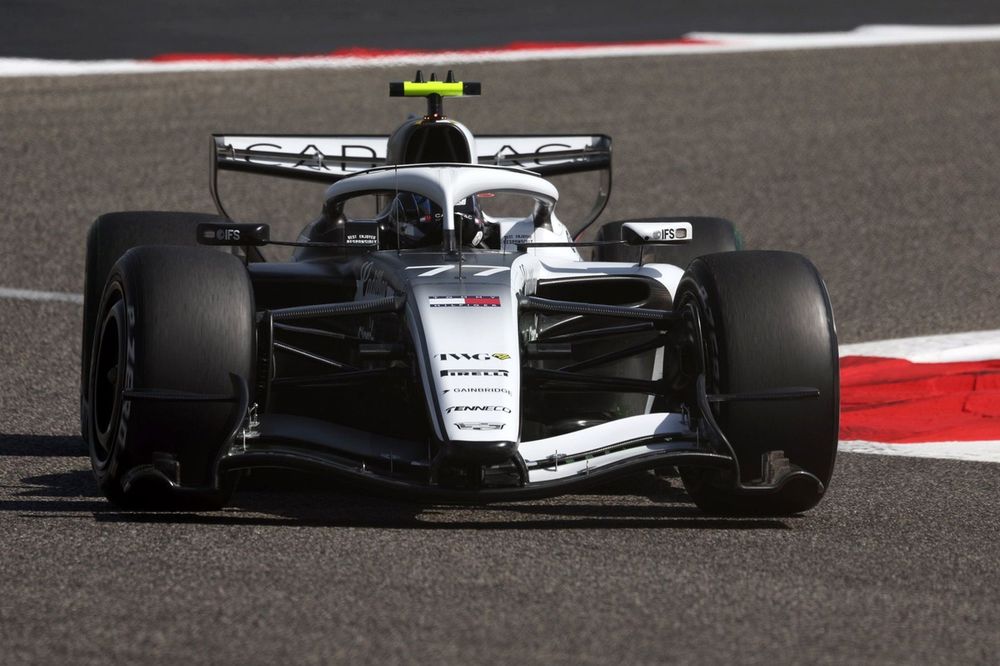
- Haas’s crisp white (2nd) & Racing Bulls’ classic white (3rd): White is the color of a clean slate, of efficiency. For Haas, it screams a desire to be seen as a crisp, professional operation, perhaps to distance itself from past operational chaos. It is a psychological reset. For Racing Bulls, it is the comfort of heritage, a safe space. But white is also sterile. It hides nothing and offers no emotional shelter. Under the immense pressure of a midfield battle, does that clinical emptiness become a psychological burden?
- McLaren’s iconic papaya (4th) & Mercedes’ silver-black with teal (5th): These are brands secure in their skin. McLaren’s "safe" feel is the confidence of a recovered identity. Mercedes’ teal trim is intriguing—a flash of something new and cerebral on a proven, dominant base. It hints at a mind experimenting while the body remains strong.
These "safer" liveries are the equivalent of a driver giving a polished, sponsor-friendly post-race interview. The true emotion, the gritted-teeth frustration or the dizzying euphoria, is edited out. They are managed responses. And in a sport moving toward my predicted era of mandated mental health disclosures, this management will become the central drama. When drivers must reveal their psychological state after a major crash, which teams will be exposed? The ones with calm, cohesive liveries and integrated mental support? Or the ones whose visual chaos mirrors internal conflict?
Conclusion: The Mind is the Final Aero Surface
The fan poll will crown a favorite color. The teams will note the feedback for 2027. But the real story of the 2026 liveries is written in the language of neuroses and composure.
Ferrari must find its pure red, not as a regression, but as a reclamation of its terrifying, singular passion. It is a psychological necessity as much as a commercial one. Red Bull will continue to refine its chilling, effective blue, the color of a victory already assumed in the mind. The pressure now shifts to the others. In the next five years, as scrutiny turns from the car’s chassis to the driver’s psyche, the livery will cease to be just a brand. It will be a disclaimer. A warning. A promise.
Is your car a mirror of a unified, calm mind? Or is it a frantic, beautiful mess, revealing the cracks you desperately try to seal before Sunday? The paint has already told us. We just have to learn how to listen.
Join the inner circle
Get the deep dives and technical analysis from the world of F1 delivered to your inbox twice a week.
Zero spam. Only high-octane analysis. Unsubscribe anytime.