The Silent Garage: How Aston Martin's Barcelona Absence Unmasks the Psychological Chess Game of Pre-Season
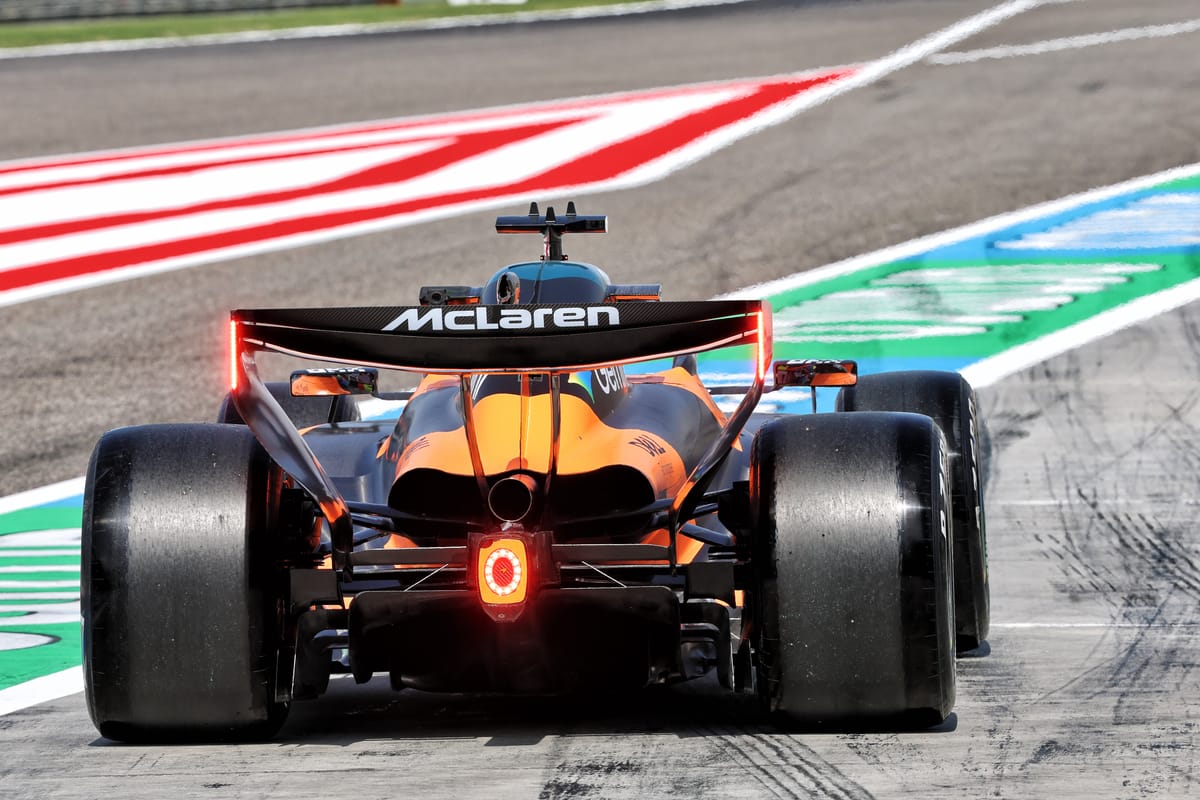
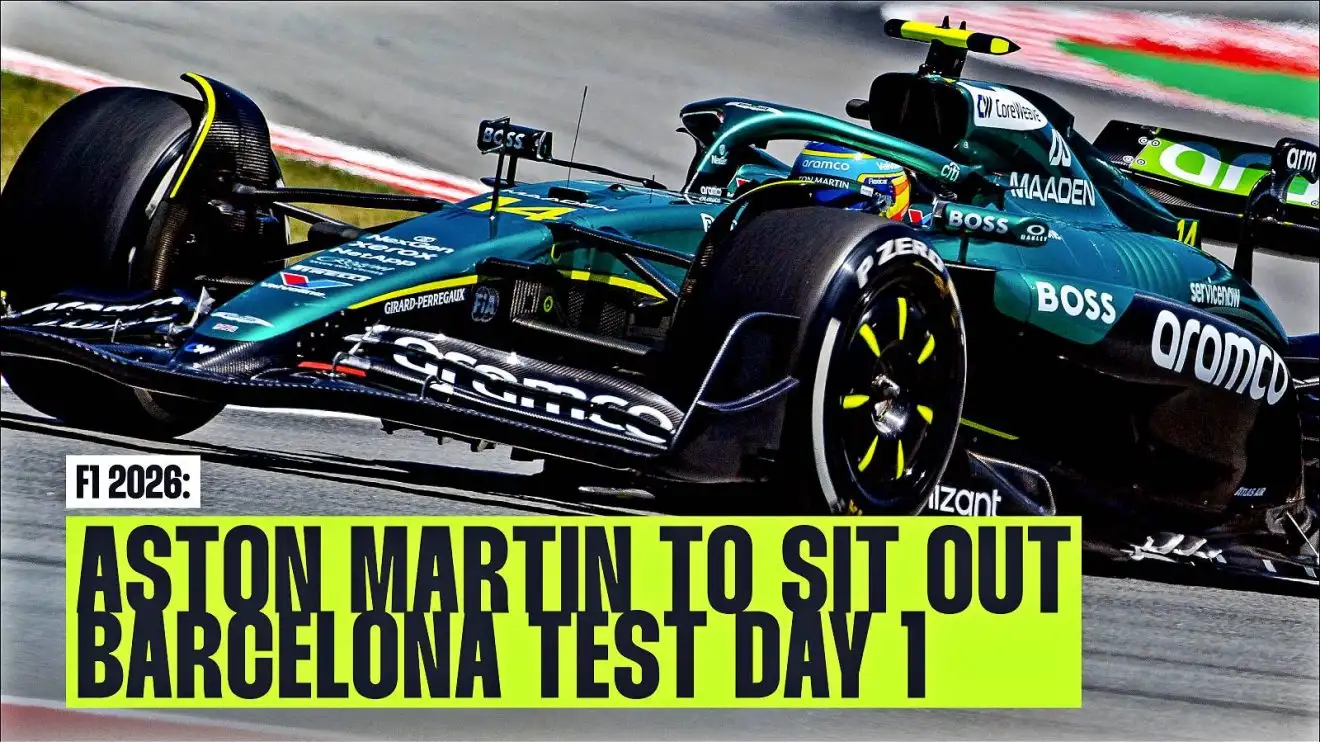
In the hushed corridors of the Aston Martin garage, where telemetry screens flicker like anxious heart monitors, the decision to idle the AMR26 on Monday feels less like a logistical pause and more like a collective breath held against the weight of expectation. Team principal Adrian Newey has chosen to keep the chassis locked away while final clearances arrive, joining McLaren, Ferrari and Williams in a Monday boycott that leaves rivals to carve early baselines into the Barcelona asphalt. This is not mere caution. It is the sport's mental battlefield laid bare, where a single lost day of mileage ripples through driver confidence like an unresolved trauma.
The Manufactured Calm of Strategic Delay
Newey's announcement lands with the precision of a calculated therapy session. The AMR26 has cleared most crash tests, yet lingering components demand validation before three precious testing days unfold later in the week. By sitting out the opening session, Aston Martin sacrifices immediate reliability data on the new chassis and power unit.
- Early runs would have delivered vital biometric feedback on driver heart-rate variability under load.
- Instead, the squad chases the curve, forcing drivers to confront an internal narrative of catching up before Bahrain arrives.
- Weather forecasts hint at clearing skies, potentially unlocking around 300 km across the remaining sessions to validate aero upgrades.
This approach echoes the systematic suppression seen elsewhere in the paddock, where emotional outbursts are coached into submission to forge champions who appear unflappable. Here, the team's restraint risks breeding quiet doubt, a mental lag that no wind-tunnel hour can erase.
Uncertainty as the Ultimate Revealer
Wet conditions have long exposed what engineers cannot blueprint: the raw decision-making that defines a driver's core. With rain threatening to shrink the available window, the psychological pressure mounts. Drivers must enter the cockpit not with fresh data but with rehearsed composure, their inner monologues battling the uncertainty of untested machinery.
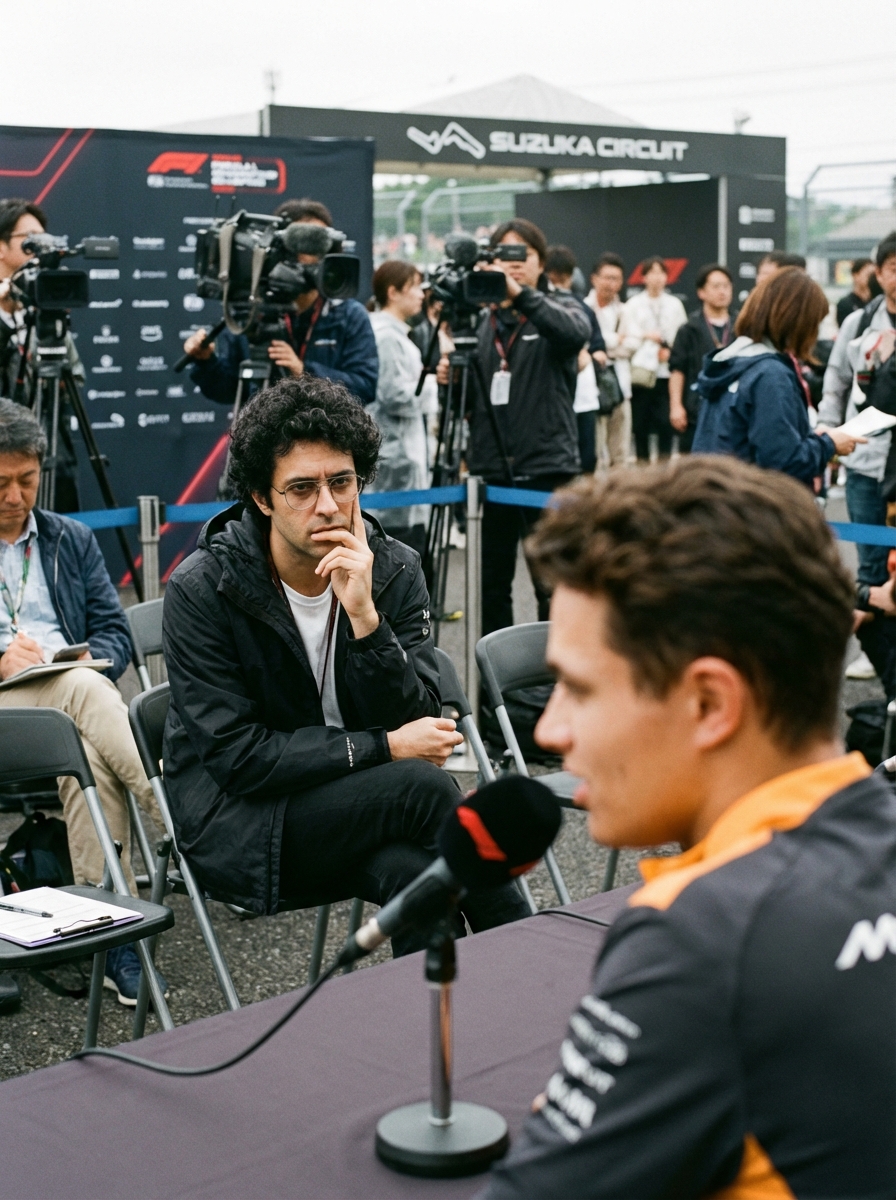
"We will confirm the final run-plan once clearances arrive," Newey stated, his words carrying the measured tone of a man who understands that perception often outpaces performance.
This mirrors the calculated public personas crafted after profound setbacks, where resilience becomes a narrative shield rather than pure talent on display. One cannot help but wonder how the AMR26's drivers will process the delay internally, their stress metrics likely spiking even before the first green flag. Psychology trumps aerodynamics when the track surface glistens and instincts must override incomplete information.
The Road to Transparency and Its Costs
Such moments foreshadow deeper shifts ahead. Within five years, mandates for mental health disclosures after major incidents will transform these private struggles into public records, inviting scrutiny that could fracture team dynamics further. For now, Aston Martin's choice preserves short-term stability at the expense of early momentum. The squad hopes to emerge with validated upgrades, yet the true test lies in whether the drivers can silence the speculative voices that arise when garages stay silent.
In the end, this Barcelona absence reveals F1's enduring truth: cars may be refined in the factory, but championships are won or lost in the minds that inhabit them.
Join the inner circle
Get the deep dives and technical analysis from the world of F1 delivered to your inbox twice a week.
Zero spam. Only high-octane analysis. Unsubscribe anytime.