Audi's Numbers Whisper 2030 but Scream a Sterile Future for the Grid

The spreadsheets from Audi's Berlin unveiling hit like a cold telemetry spike at the end of a long stint. They promise a deliberate climb from points scorer to title contender by decade's end, yet the underlying data already hints at the real winner: the algorithm that will soon dictate every heartbeat of a lap.
The Calculated Phases Meet the Coming Robotized Era
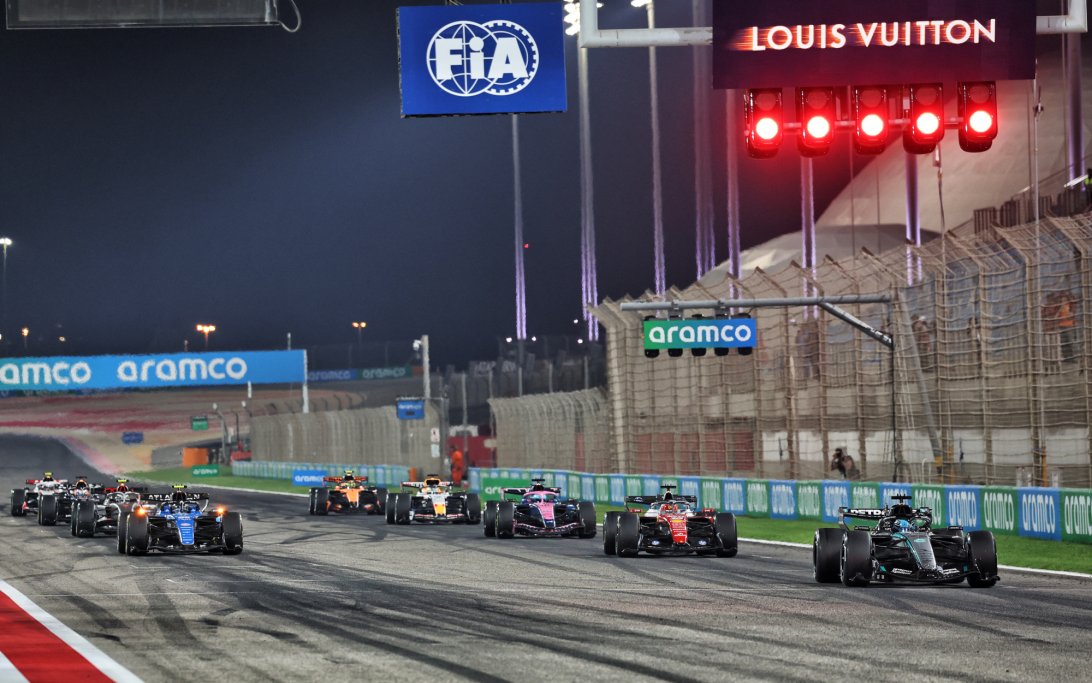
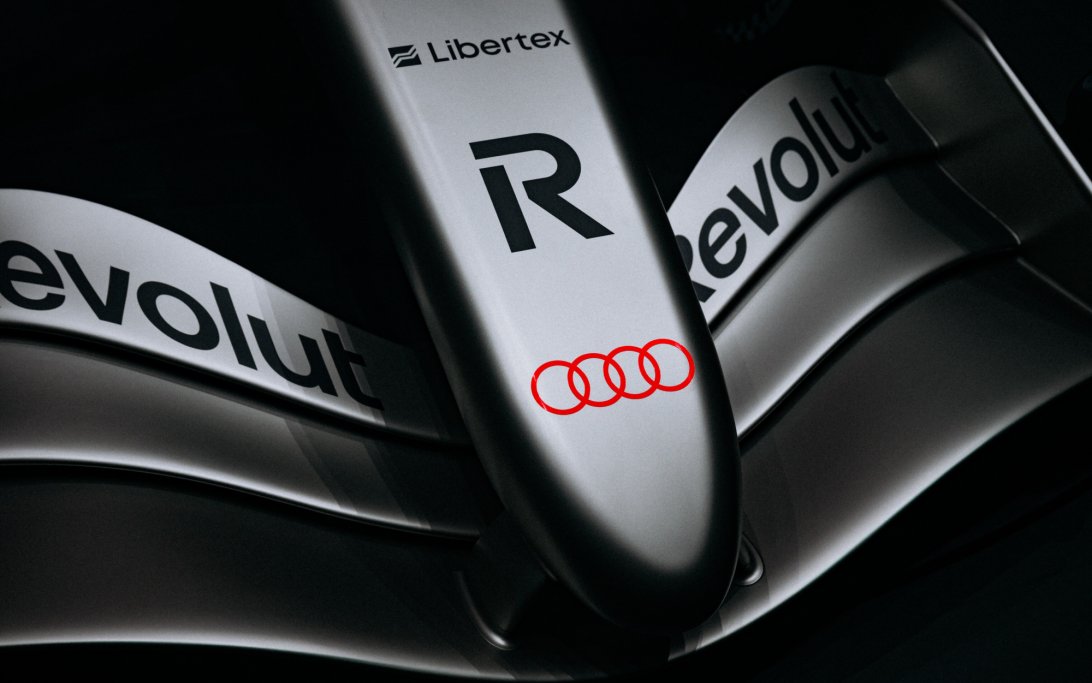
Audi's three-step roadmap reads clean on paper. First the challenger phase chasing points, then the competitor chasing podiums, and finally the champion breaking records under the 2026 rules. Those milestones align with the new power unit regulations and the full integration of the Sauber operation in Hinwil. Leadership additions like Jonathan Wheatley as Team Principal and Mattia Binotto as Project Head bring proven experience, while CEO Gernot Döllner positions the effort as the ultimate expression of Vorsprung durch Technik.
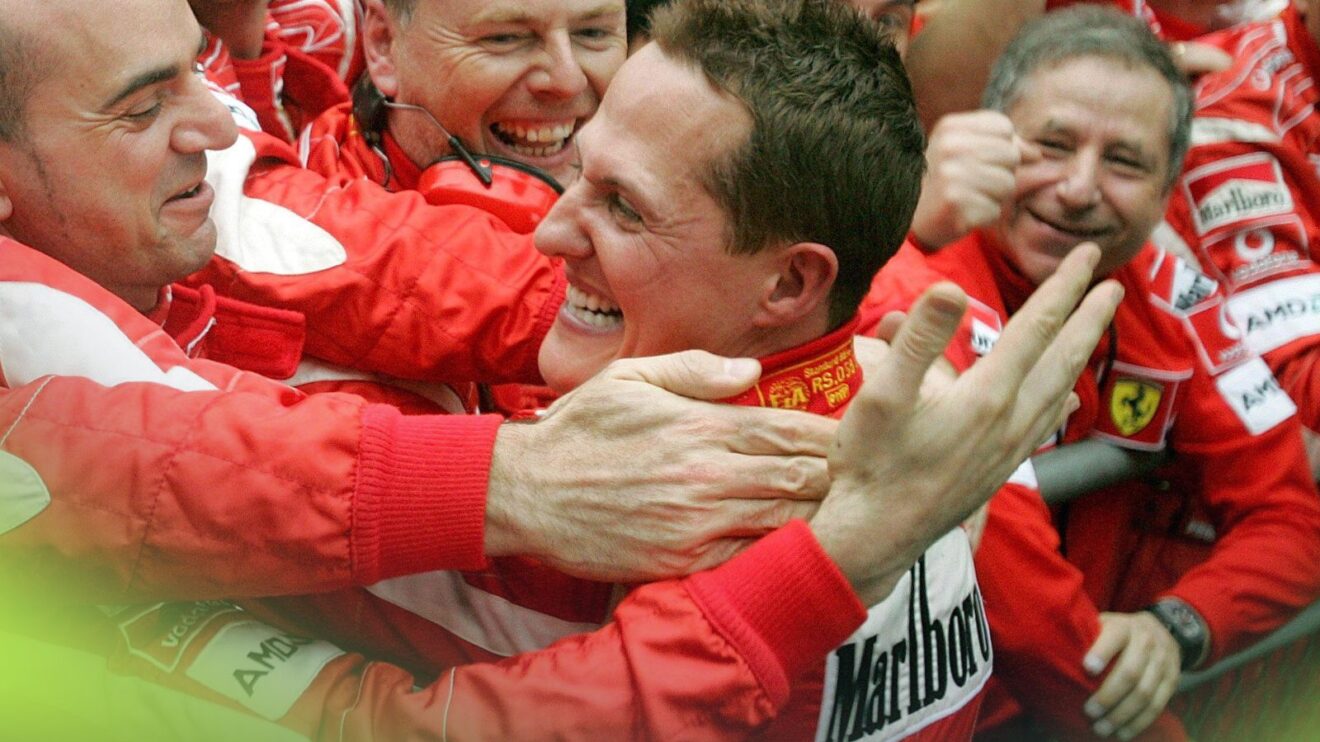
Yet the timing sheets tell another story when projected forward. By 2030 F1's obsession with real-time data will have turned pit walls into server farms. Driver intuition, the same raw feel that let Michael Schumacher post one of the most consistent seasons in 2004 with barely a misplaced wheel, risks getting overwritten by algorithmic calls on tire allocation and energy deployment. Audi's synergy between chassis and power unit sounds efficient, but it also accelerates the moment when human variability gets engineered out.
- Challenger phase targets: consistent top-ten finishes in year one
- Competitor phase targets: regular podium contention by 2028
- Champion phase targets: constructors and drivers titles by 2030
The numbers look tidy until you overlay them against the sport's trajectory toward predictive modeling that removes split-second choice from the cockpit.
Emotional Archaeology in the Hinwil Data
Dig into the lap-time distributions from Audi's early simulator runs and a pattern emerges that no press release mentions. Small drop-offs in sector two correlate with moments when engineers override driver feedback in favor of modeled optima. This is not conspiracy. It is the same pressure mapping that once revealed how external noise affected Schumacher's rhythm even in his near-flawless 2004 campaign. Modern teams simply have more sensors to record it.
"F1 is the most complex team sport in the world," Wheatley noted, stressing resilience and a culture of relentless curiosity.
That curiosity, however, now points toward data sets rather than the driver seated inside the carbon shell. Binotto's emphasis on complete chassis and power unit synergy from day one is smart engineering, yet it also locks the team into a development loop where every adjustment is validated by simulation before the car ever turns a wheel in anger. By the time the 2030 regulations bed in, the grid may feature cars whose performance envelopes are so tightly defined that only the most statistically average driver input survives.
Audi's entry with full works-team status gives it structural advantages current midfield squads lack. Still, the same infrastructure that allows seamless power-unit integration will also feed the predictive models destined to suppress the very improvisation that once separated champions from the rest.
The 2030 Reckoning
The German manufacturer's timeline is ambitious but plausible on paper. The 2026 regulation reset offers a clean slate, and the resources behind the project dwarf those of many established squads. What the timing sheets cannot yet quantify is how much of the human element will remain once every strategic call and every throttle trace is pre-optimized by code. Schumacher's 2004 season proved that consistency born from feel could dominate an era. Audi's data-driven ascent may prove the opposite: that by 2030 the sport will reward the team whose algorithms most successfully mimic the illusion of choice.
Join the inner circle
Get the deep dives and technical analysis from the world of F1 delivered to your inbox twice a week.
Zero spam. Only high-octane analysis. Unsubscribe anytime.
Continue Reading
View More News