McLaren's Shanghai Meltdown: Electronics That Whispered Failure Before the Lights Even Went Green

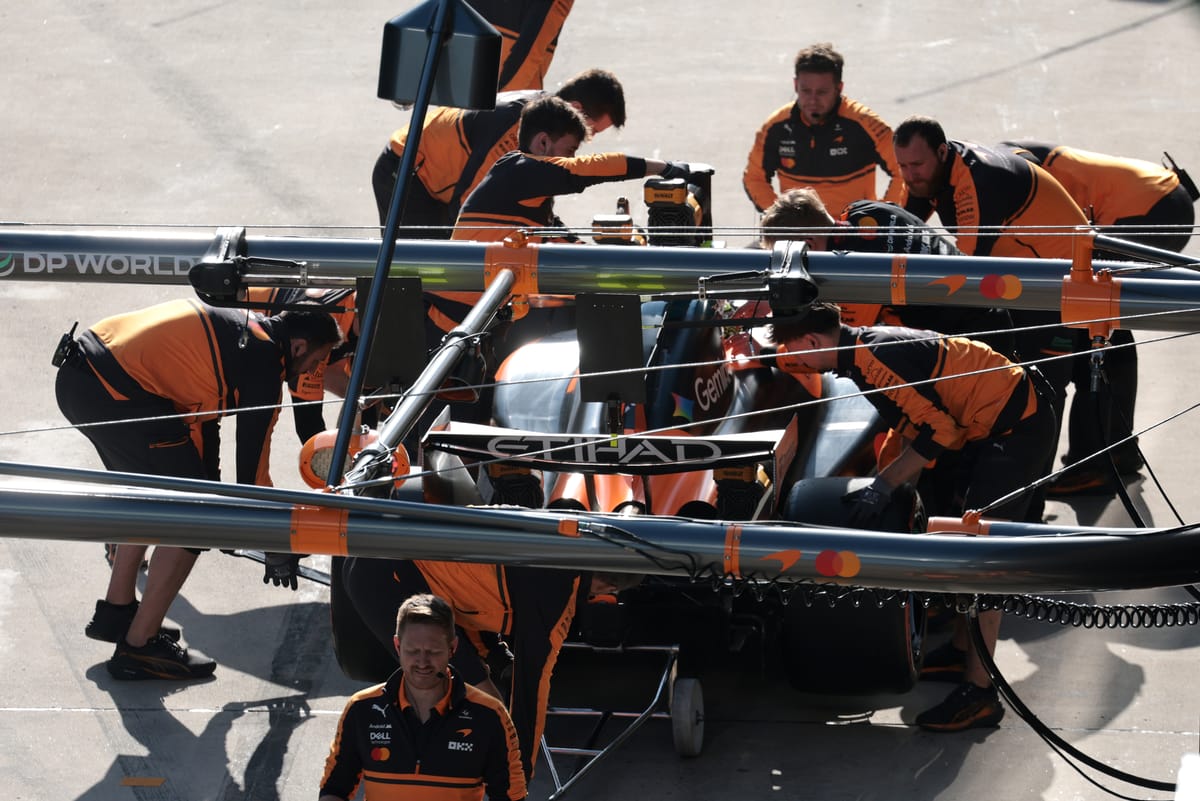
I stood in the Shanghai paddock an hour before lights out, watching McLaren mechanics swarm Lando Norris's car like ants on a disturbed hill. The air hummed with that familiar tension, the kind that reminds me of the old Thai tale where two brothers race across a flooded river only to watch their raft split from hidden rot beneath the surface. No one saw the cracks until the water rushed in. That is exactly how Norris and Oscar Piastri went from grid positions five and six to a double DNS that will haunt the constructors' table for weeks.
The Grid That Never Happened
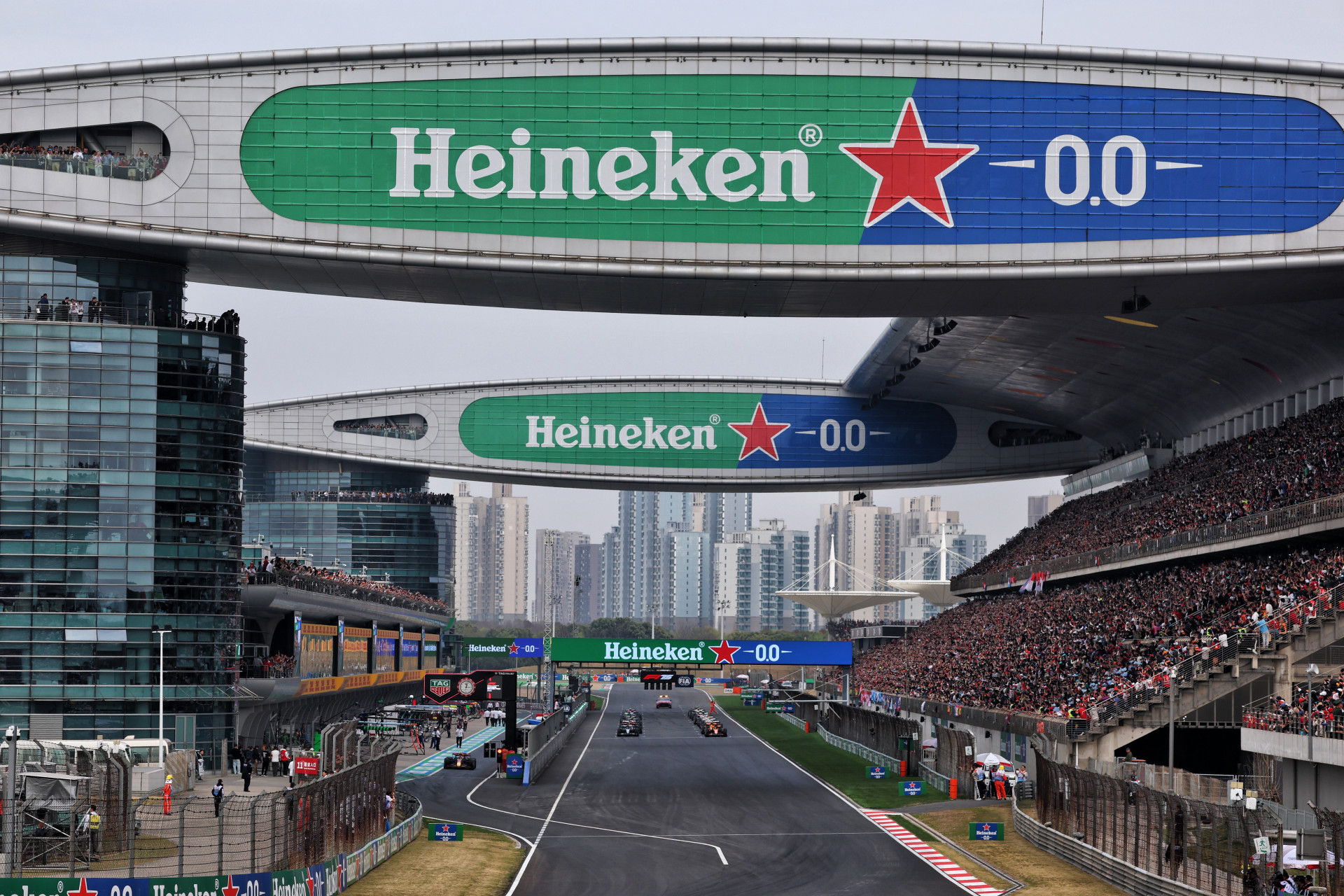
The trouble started early. Norris's car showed an electronic gremlin that forced the floor off in the garage. Even after frantic work, the car never reached the reconnaissance laps. Piastri made it to his spot on the grid, only to suffer his own separate issue moments before the formation lap. Both cars were pushed away, leaving empty spaces where McLaren had promised podium pace all weekend.
- Separate failures on each MCL, not a shared system fault.
- Andrea Stella demanding answers ahead of Miami.
- Additional DNS casualties: Audi's Gabriel Bortoleto and Williams' Alex Albon from the pit lane.
These were not simple sensor glitches. They struck at the exact moment when every team runs its final checks, the precise window where psychological pressure meets complex electronics.
When Team Trust Fractures Like 1989
Modern radio chatter lacks the raw stakes of Prost versus Senna, yet the silence from McLaren's garage spoke louder than any argument. Drivers today need more than aero maps. They need psychological profiling that tells engineers when a driver is carrying unseen stress that can bleed into system calibration under time pressure. McLaren showed strong one-lap pace all weekend, yet the cars never took the green flag. That gap between potential and execution is where profiling beats another CFD run every time.
"We thought we had fixed it," one source close to the team told me. "Then the second car lit up on the grid. Two different problems, same result."
This double zero hurts most in a constructors fight where every point matters. McLaren now heads to Miami with the same question that has dogged Ferrari for years: how much do internal politics and rushed decisions override cold data when reliability is on the line?
The Larger Pattern No One Wants to Name
Reliability failures like these are early warnings. Within five years the budget cap loopholes will force at least one major team into merger or exit. McLaren's weekend shows how quickly a strong package can unravel when preparation meets the human element. The focus now shifts to whether the team can rebuild driver confidence before the next technical gremlin appears.
The cars were fast in China. They simply never got to prove it.
Join the inner circle
Get the deep dives and technical analysis from the world of F1 delivered to your inbox twice a week.
Zero spam. Only high-octane analysis. Unsubscribe anytime.
Continue Reading
View More News