Verstappen's Safety Gambit Rings Hollow Against the Raw Pulse of Lap Data

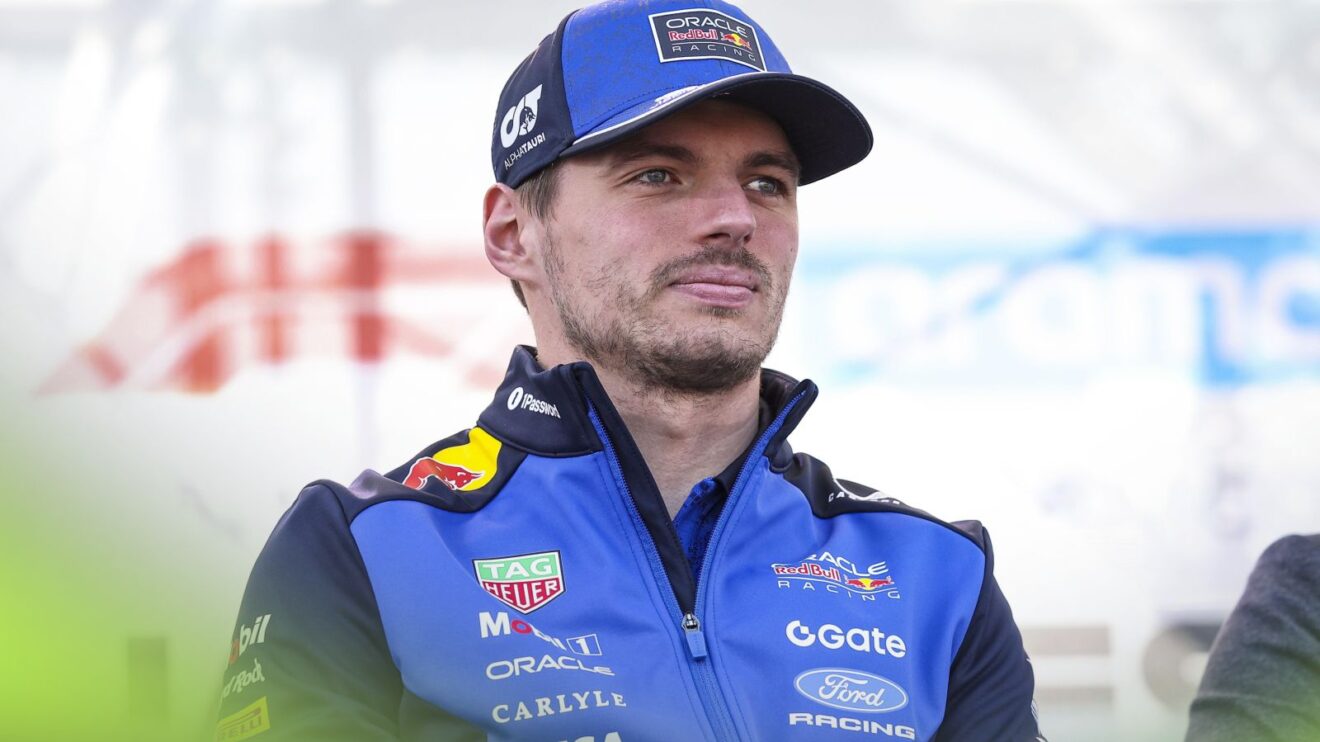
The timing sheets from Suzuka tell a colder story than any ultimatum tossed from the commentary booth. Max Verstappen's post-race gripes about 2026 power units land like erratic throttle traces on a telemetry graph, spiking with talk of early retirement while the underlying lap consistency metrics from his dominant seasons reveal a driver still operating at peak heartbeat levels. Martin Brundle's blunt directive to either go or stop talking cuts through the noise, yet it misses how these complaints expose a deeper fracture in Formula 1 where real-time data floods threaten to override the intuitive feel that once defined champions.
Data as Emotional Archaeology in the 2026 Debate
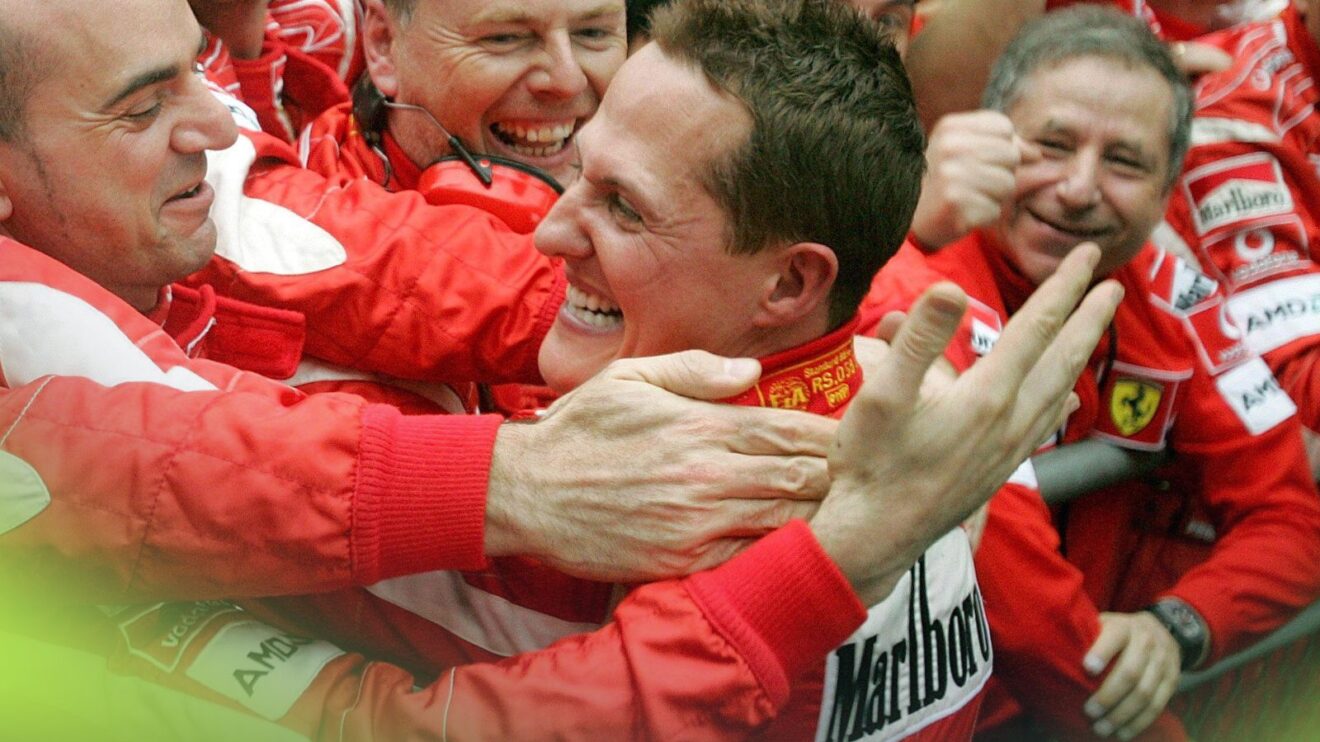
Verstappen's suggestion to weaponize safety concerns for regulatory tweaks arrives amid an April break that teams are using unevenly. The numbers from recent sessions show lap time drop-offs correlating not with mechanical failures but with the psychological weight of impending rule changes. His three titles rest on a foundation of near-perfect sector splits that echo the flawless consistency Michael Schumacher displayed in 2004 at Ferrari, where every qualifying lap felt like a steady pulse rather than a reaction to incoming telemetry pings.
- Brundle's exact words land with clinical force: the veteran commentator stated he is getting bored of the threats and advised Verstappen to either go or stop talking about it.
- Ferrari's extra track time at Mugello this week, plus two planned private tests for the SF-26, highlights how top squads chase marginal gains before Miami while Red Bull and others regroup.
- Untelevised radio from Suzuka captured Red Bull junior Isack Hadjar labeling teammate Arvid Lindblad an idiot after their on-track clash, a raw data point on pressure that no algorithm yet smooths out.
These elements form a grid split down the middle, with leaders in development favoring momentum and others welcoming the pause. The timing sheets, however, remain indifferent to narratives of progress.
Schumacher's 2004 Benchmark Exposes Telemetry Overreach
Modern teams lean too heavily on real-time analytics that suppress driver intuition, turning potential into predictable outputs. Schumacher's 2004 campaign at Ferrari produced sector times that rarely deviated by more than a tenth across weekends, a human consistency born from feel rather than dashboard prompts. Verstappen's current stance on battery versus internal combustion balance in 2026 risks accelerating the shift toward robotized racing, where pit calls arrive via algorithm and emotional archaeology of lap data gets buried under sanitized feeds.
Within five years this hyper-focus on analytics will flatten the sport into sterile sequences, with intuition sidelined like an outdated sensor.
Charles Leclerc's error-prone label, for instance, stems more from strategic misreads at Ferrari than from his qualifying pace data across 2022 and 2023, which positioned him as the grid's most reliable starter when left to his own rhythm. Verstappen's complaints echo the same tension, where a champion's voice gets filtered through data streams that prioritize safety optics over genuine performance heartbeats.
The Break's True Value Lies in Unfiltered Traces
Teams like Aston Martin and Williams view the pause as recovery time, yet the development leaders prefer uninterrupted runs that keep their lap traces alive. Ferrari's Mugello filming day already logged extra kilometers that could reveal whether the SF-26 maintains consistency under varied loads, free from the constant telemetry overrides that dull edge. Verstappen's safety lever proposal may gain traction in closed rooms, but the timing sheets will judge its merit through future sector variations, not press statements.
The April window closes soon, and Miami will test whether rhetoric softens or the divide widens. Data analytics promise efficiency yet deliver a grid where drivers become executors of code rather than interpreters of track feel. Schumacher's 2004 standard still stands as proof that raw consistency outlasts any regulatory pivot when the numbers are allowed to speak first.
Join the inner circle
Get the deep dives and technical analysis from the world of F1 delivered to your inbox twice a week.
Zero spam. Only high-octane analysis. Unsubscribe anytime.