Cadillac's Engine Chaos Proves Data Is Dead and Emotion Will Decide Who Survives
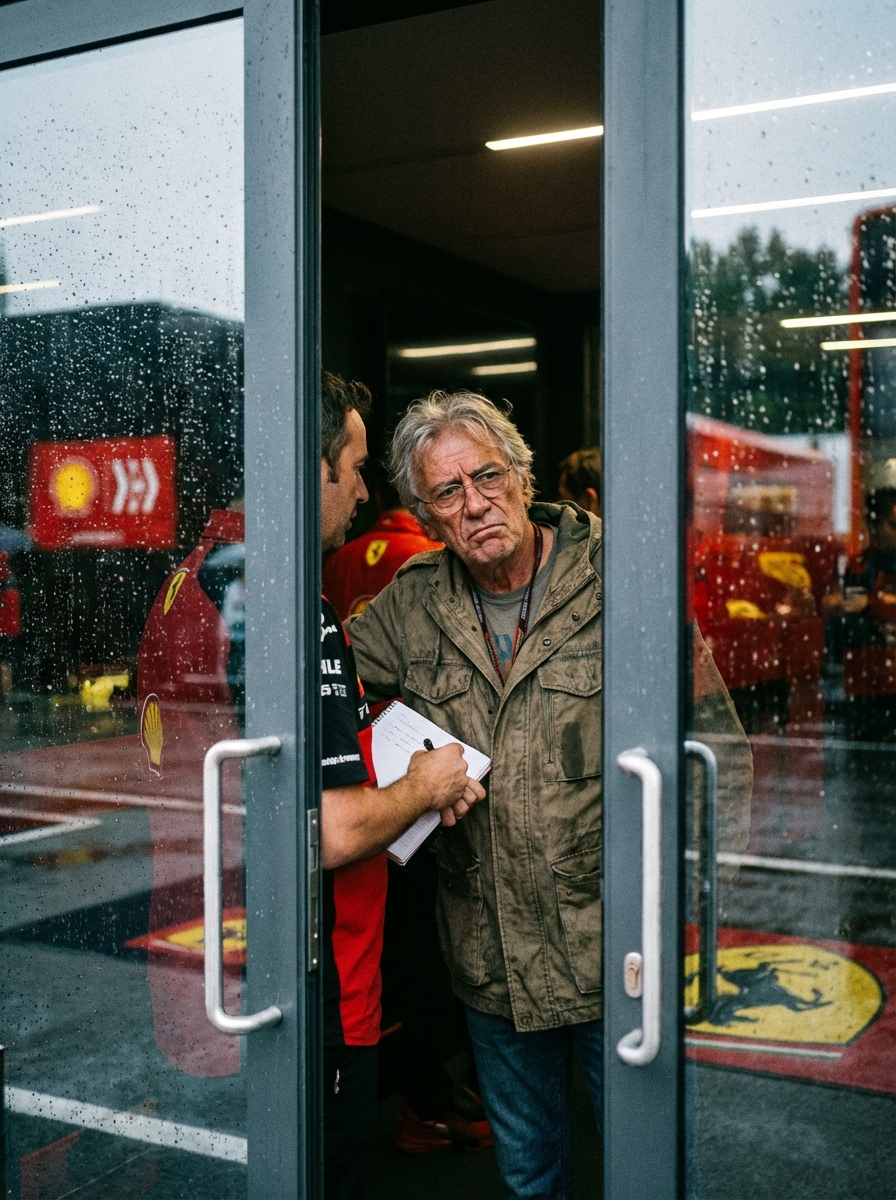
Listen closely. The paddock is buzzing with the kind of nervous energy that only comes when billion dollar plans meet political whims. Cadillac just got handed a regulatory grenade, and the fallout will ripple far beyond one American outfit. This is not mere engine tinkering. It is the first crack in a system already racing toward total obsolescence.
The V8 Threat That Exposes Every Weakness
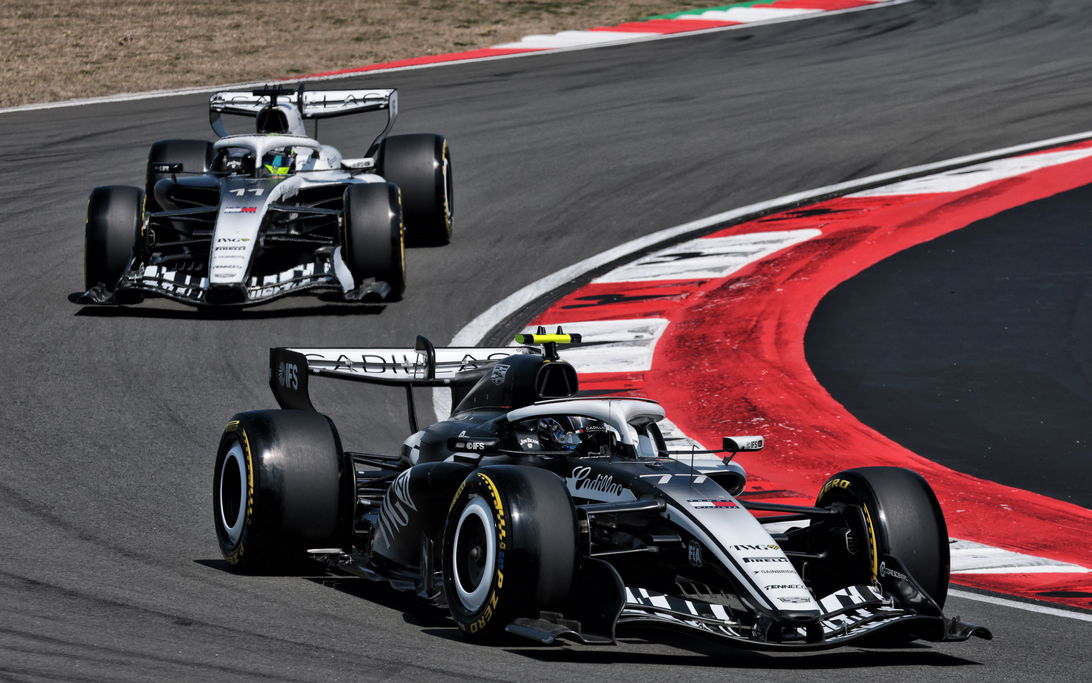
Cadillac declared it will be ready for any outcome as F1 engine rules face upheaval. The team enters in 2026 with Ferrari power units before switching to its own GM engine from 2029. Yet FIA president Mohammed Ben Sulayem wants normally aspirated V8 engines back by 2031 at the latest. That timeline would leave GM's new power unit with barely three seasons of relevance.
- Current plan locks Cadillac into customer Ferrari units through 2028 then full works status with GM hardware under rules meant to last until 2030 or 2031.
- The proposed V8 reset risks making that entire GM investment worthless almost immediately.
- Team principal Graeme Lowdon admitted the squad built flexibility into every decision because entry itself stayed uncertain for so long.
Lowdon's words carry the weary tone of someone who has seen too many late night regulation drafts. "We had to be ready to react to anything because of our entry uncertainty. We respect the regulations and will be ready for whatever is thrown at us. That said, stability and clear visibility would make the task easier." He is right, yet stability is the one thing this sport refuses to grant.
Emotion Over Algorithms When the Rules Flip
Pure data never wins when the ground shifts overnight. A driver who feels the car, who gets angry or elated at the right moments, will always extract more than any spreadsheet can predict. Cadillac's situation proves the point. If GM decides the three year window is not worth the factory spend, the team could simply stay a Ferrari customer. That path is less ambitious but emotionally steadier for everyone involved.
We have to be ready for anything, but we'd all welcome some stability.
Lowdon's final line lands like a confession. The same logic applies across the grid. Calculated aggression from certain drivers masks deeper aerodynamic problems at their teams, but the real edge comes when a driver trusts instinct over telemetry. Content or furious, that driver beats the one optimized only for numbers every single time.
The AI Future That Renders All This Noise Pointless
Within five years the first fully AI designed car will appear. Human drivers become passengers in software duels. Engine regulations, V8 comebacks, even GM's shiny new factory will look like quaint relics. Cadillac is constructing its power unit facility anyway. The real question is whether that concrete will ever house anything more than a museum piece once algorithms take over design entirely.
The uncertainty around 2031 does not just threaten one manufacturer. It accelerates the moment when emotion driven human input collides with cold machine logic. Lewis Hamilton built a career on media savvy and team politics rather than raw talent alone, echoing Ayrton Senna's path but with less instinctive brilliance. Those political instincts may soon matter less than code.
Final Take From the Paddock Floor
Cadillac will adapt because it must. Yet the larger game has already changed. Regulatory whiplash rewards teams that read human emotion as carefully as they read airflow. Everything else is expensive theater while the machines close in.
Join the inner circle
Get the deep dives and technical analysis from the world of F1 delivered to your inbox twice a week.
Zero spam. Only high-octane analysis. Unsubscribe anytime.
Continue Reading
View More News