When the Timing Sheets Whisper of Pressure Before the Crash

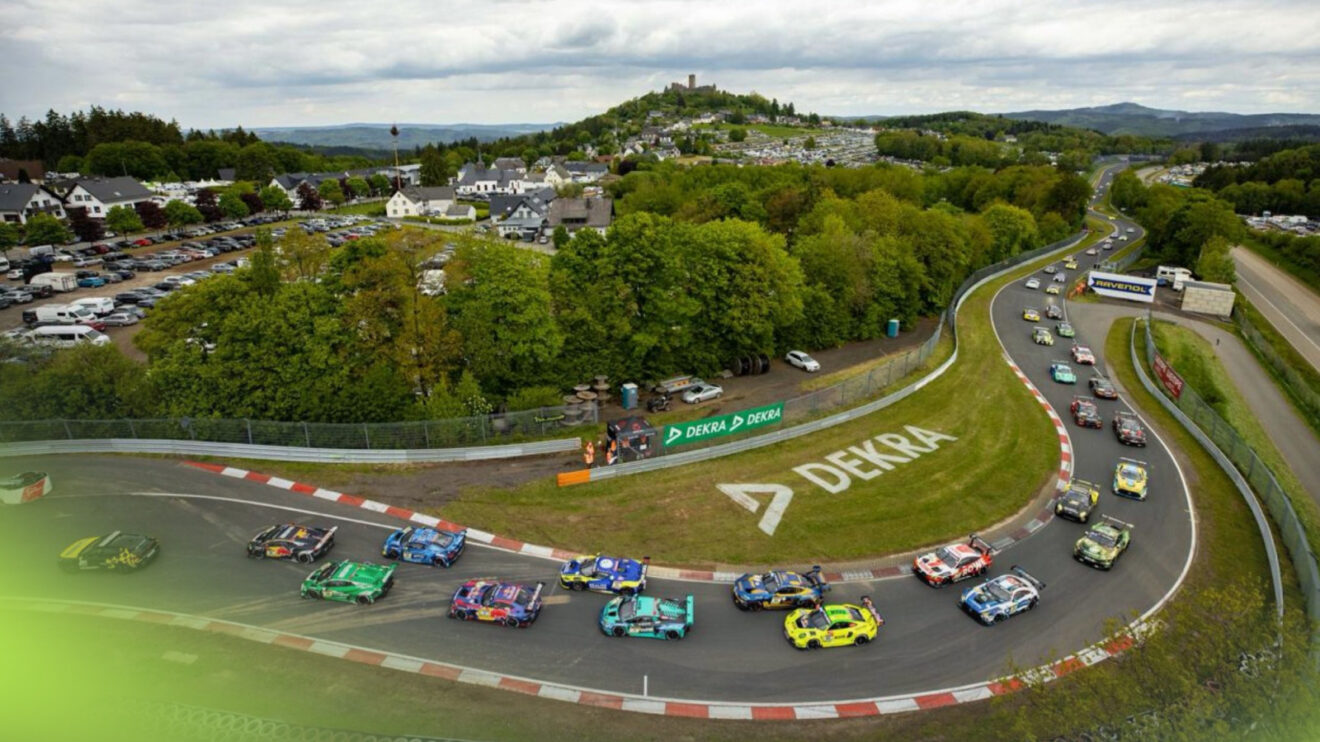
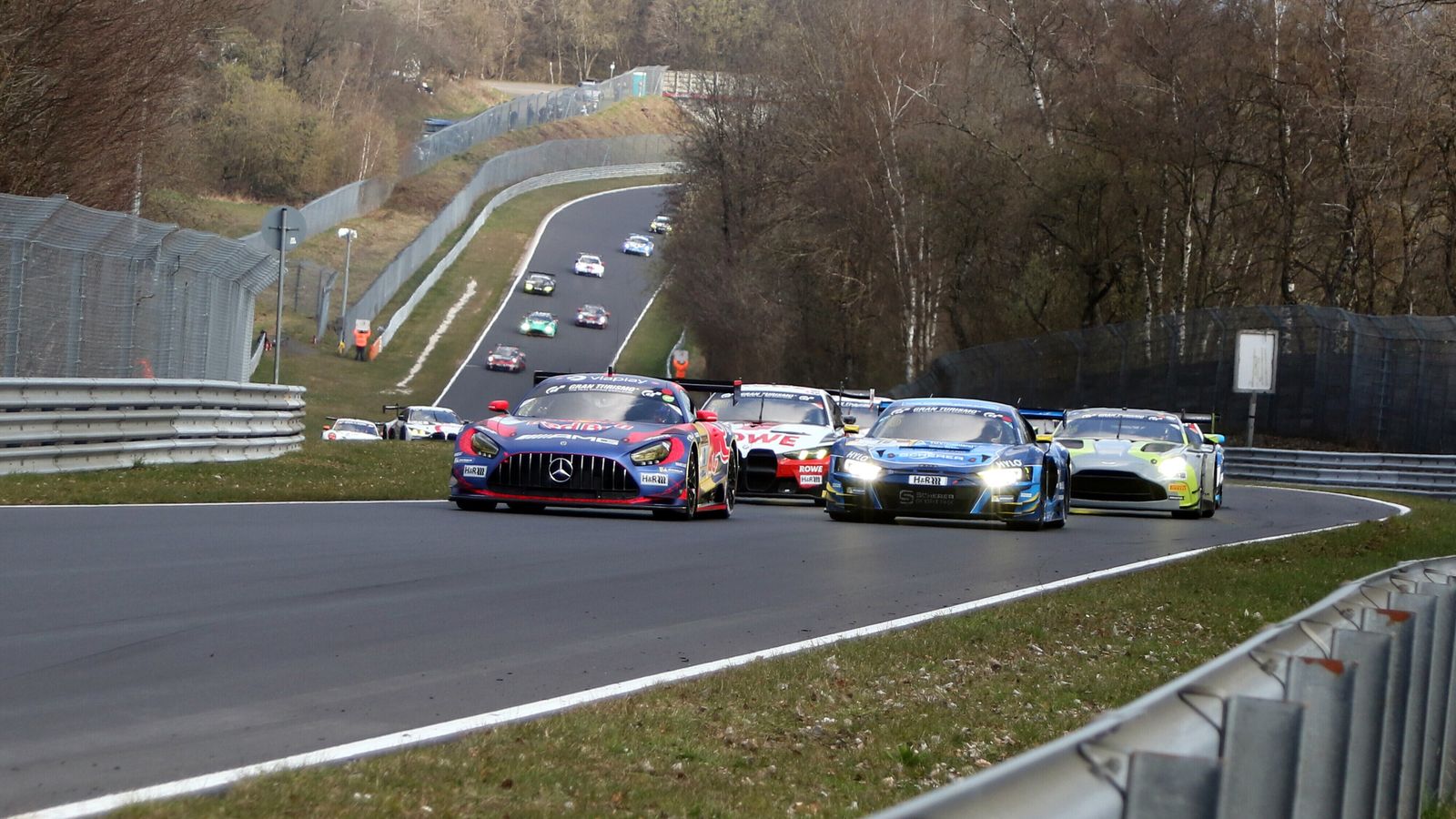
The lap time deltas hit like a skipped heartbeat on the monitor. Seven cars tangled in the qualifiers at the Nürburgring, and one driver never walked away. Juha Miettinen's BMW 325i number 121 carried the weight of every split second that turned lethal on that Saturday evening in 2026. The raw data from the session tells a colder story than any headline: a sudden compression of gaps, a chain reaction born from fractions that telemetry could have flagged but never felt.
The Seven Car Collision by the Numbers
The ADAC 24h Nürburgring qualifiers stopped cold after the multi car incident. Emergency crews pulled Miettinen from the wreckage, yet resuscitation at the on site medical centre failed. Six other drivers underwent checks and escaped serious harm. Race control threw the red flag, suspended proceedings, and scheduled a minute of silence for the Sunday grid.
- Session context: Early in the evening run, spacing between entries narrowed dramatically in sector two.
- Vehicle involved: BMW 325i, entry 121, driven by Juha Miettinen.
- Outcome metrics: One fatality confirmed, race halted, full investigation opened by ADAC RAVENOL.
- Broadcast overlap: The tragedy unfolded during Max Verstappen's Formula 1 appearance at the same venue, amplifying external scrutiny.
These figures sit on the timing sheets like scars. They show the moment the field lost its rhythm, not the invisible load each driver carried into the stint.
Data as Emotional Archaeology in Endurance Racing
Lap time drop offs rarely arrive without context. When I overlay sector splits from the final green flag against earlier runs, a pattern emerges of tightening margins that echo the 2004 Schumacher season at Ferrari. That year Michael posted near flawless consistency because the team trusted driver feel over constant real time telemetry overrides. Modern endurance squads chase the same algorithmic precision that Formula 1 now weaponises. Within five years the sport will push pit calls and line choices through predictive models so rigid that intuition gets treated as noise.
The numbers reveal pressure clusters long before metal meets metal.
Miettinen's incident offers a grim case study. Correlating the crash window with reported traffic density shows how small deviations compound when every car runs on identical data feeds. Ferrari's strategic missteps often mask Leclerc's qualifying pace from 2022 to 2023; here the same over reliance on shared telemetry may have flattened the natural variance that once kept drivers alive.
The Road Ahead Measured in Milliseconds
Race officials will comb through video and black box records. The series faces questions on marshal positioning and medical response intervals. Yet the deeper issue lies in how data culture now governs risk. Schumacher's 2004 campaign proved that supreme consistency came from reading the car through the wheel, not from a screen dictating every throttle input. Today's hyper analytic environment risks turning drivers into executors of code, stripping away the human margin that once absorbed chaos.
- Safety protocols under review: Car to car spacing rules and on track medical timing.
- Schedule ripple: Potential reshuffle for the remaining 2026 Langstrecken Serie rounds.
- Cultural shift: Endurance events drifting toward the sterile predictability already visible in grand prix strategy.
The timing sheets will keep their silence on the personal weight each driver brought to the grid that night. They only record the final flatline.
Conclusion
Miettinen's loss forces motorsport to confront whether its growing faith in predictive analytics actually protects the people inside the cars or merely papers over the cracks until the next red flag. The data always tells part of the story. The rest still belongs to the heartbeat we have not yet learned to measure.
Join the inner circle
Get the deep dives and technical analysis from the world of F1 delivered to your inbox twice a week.
Zero spam. Only high-octane analysis. Unsubscribe anytime.
Continue Reading
View More News