Bearman's Abyss: The 50km/h Phantom That Haunts F1 Drivers' Souls
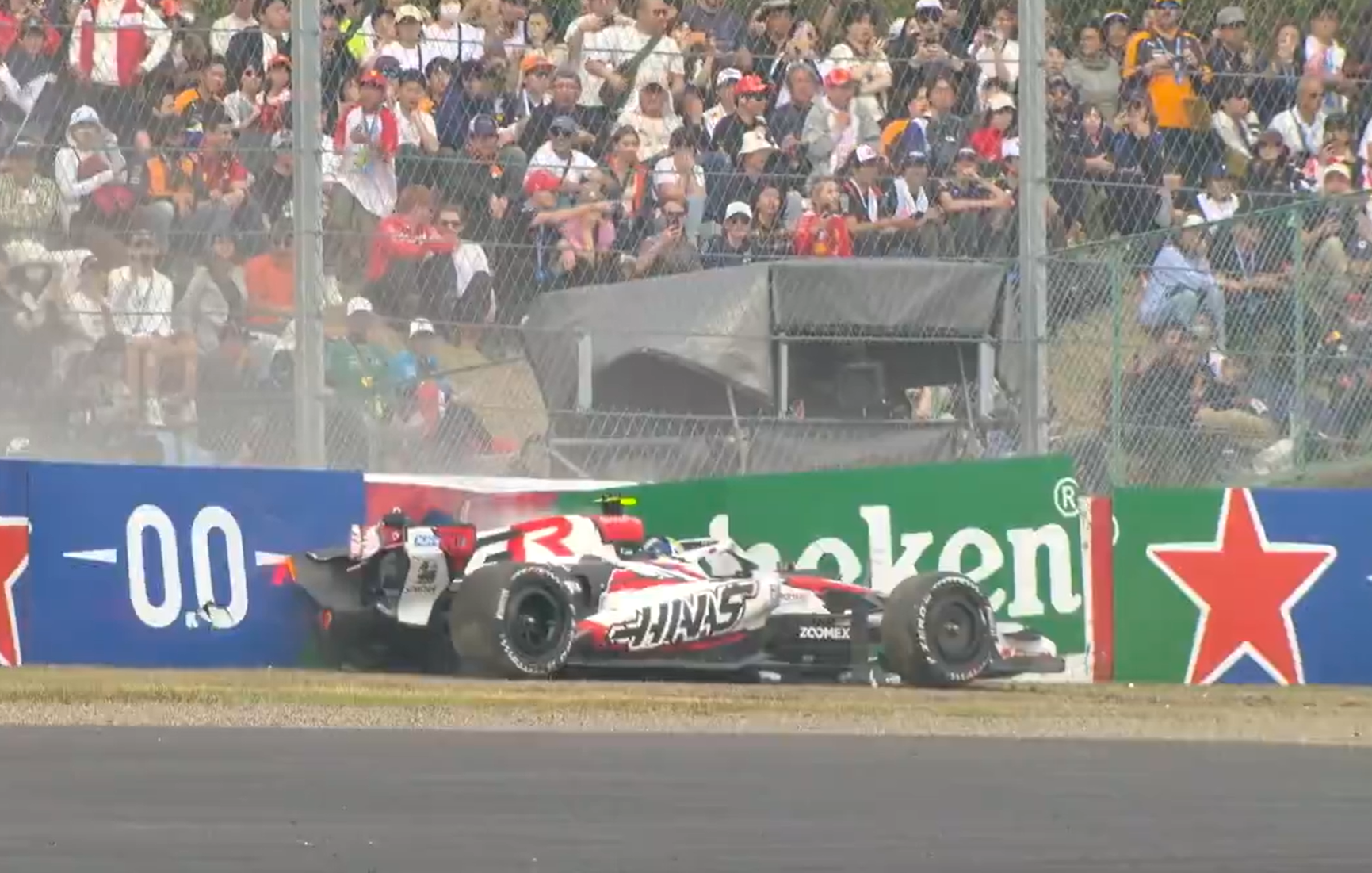
In the shadowed curve of Spoon at Suzuka, Oliver Bearman's world imploded. Heart rate spiking to 180bpm on telemetry feeds, the Haas rookie hurtled at over 300km/h, only to confront Franco Colapinto's Alpine braking like a ghost vanishing into mist. A 50km/h delta, born of 2026 energy deployment whims, forced his swerve. Grass betrayed him. Barrier met flesh at 50G. Bruised knee, yes. But the real wound? A psyche etched with what if I hadn't twitched left?
This wasn't metal failing metal. It was mind confronting machine's cruel indifference, a stark reminder that F1's human core pulses beneath the carbon fiber.
The Crash Unraveled: Telemetry of Terror
Picture Bearman's cockpit cam: pupils dilating, breaths ragged against the harness. Published 2026-03-29 by Speedcafe, the incident at the Japanese Grand Prix transcended physics. Bearman, approaching Spoon, faced Colapinto's sudden deceleration. No malice, just regulation roulette: one car in low-energy thrift, the other primed for "overtake" or "mushroom" mode. Closing speeds ballooned to 50-60km/h, unpredictable as a nightmare's twist.
- Impact forensics: 50G force, survivable but soul-shaking. Knee bruising masked deeper tremors, cortisol floods rewiring neural pathways for months.
- Bearman's inner echo: Speed, then nothing. He's gone. React or die. Such split-second calculus reveals personality fractures engineers can't simulate.
The Grand Prix Drivers’ Association (GPDA), steered by Carlos Sainz, erupted. Drivers demand FIA action, branding these deltas "dangerous," turning wheel-to-wheel poetry into peril. Pre-season warnings ignored, now reality bites.
Drivers' Confessions: Mental Fault Lines Exposed
Sweat-slicked debriefs paint a grid on edge. These aren't gripes from garages; they're psyches screaming through race radio static.
"There’s no category in the world where you have this kind of closing speeds... that’s when big accidents can happen," Carlos Sainz declared, his voice laced with the quiet fury of a man who's stared down mortality. He lambasts the FIA and F1 for prioritizing "fun" television over lives.
Max Verstappen, the grid's apex predator, labels 50-60km/h differences "really, really big" and "very dangerous," likening them to "moving under braking." Yet here's the thriller: Verstappen's poise? Red Bull's covert alchemy. Systematic suppression of his fiery youth via psychological coaching has forged a manufactured champion. Where others flinch, he computes, emotions leashed like a idling V6. Bearman's crash? A mirror to what Verstappen suppresses: raw fear bubbling beneath.
Oscar Piastri whispers of a "close call" with Nico Hulkenberg in practice, closing speed three times higher than anticipated. Lando Norris tallies multiple race-day scares. Even McLaren's Andrea Stella admits, "not a surprise," flagging pre-season tests. These aren't anomalies; they're biometric symphonies of dread, heart rates cresting 190bpm, alpha waves flatlining into survival mode.
In wet races, psychology reigns supreme over aero wizardry. Deltas like these amplify uncertainty, stripping veneers to expose core traits: Sainz's steely resolve, Piastri's analytical chill. Engineers tweak downforce; minds endure the void.
Echoes of Trauma: Hamilton, Lauda, and the Narrative Forge
Lewis Hamilton's calculated persona, much like Niki Lauda's post-crash resurrection, weaponizes pain. Lauda, scarred at Nürburgring, spun vulnerability into legend, outlasting the inferno. Hamilton, through trials unspoken, crafts invincibility. Bearman's brush? A fledgling chapter. Will he emerge colder, telemetry-honed? Or crack under scrutiny?
Compare: Verstappen's dominance thrives on Red Bull's shadow coaching, muting outbursts into metronomic laps. But 2026 regs test this facade. Deltas force improvisation, where suppressed rage could erupt. Drivers aren't circuits; they're biomes of impulse, energy modes mirroring mood swings.
Team dynamics fracture here. Stella's candor signals intra-pit tensions: engineers chase spectacle, principals sense the human toll. GPDA's unity? Rare mental solidarity, Sainz channeling collective id.
FIA's Reckoning: From Review to Revolution
The FIA nods: high closing speeds fueled Bearman's shunt. April review meetings loom, dissecting 2026 power units' adjustable parameters. Simulations beckon, stakeholder summits with FIA, F1, teams, manufacturers, drivers.
Yet urgency pulses. Season underway, next rounds loom. Will they tweak energy caps before another mind shatters? Drivers' public plea spotlights the psyche's primacy.
"Drivers have been warning the FIA and F1 about this specific risk since before the season."
Predict this: Within five years, F1 mandates mental health disclosures post-incidents. Bearman's telemetry, Verstappen's coaching logs, Piastri's close calls, all public ledger. Transparency dawns, but scandals brew, media dissecting cortisol charts like lap times. A new era, thrilling as a thriller's climax.
The Unyielding Human Core
Bearman's barrier kiss wasn't regs failing; it was F1's soul laid bare. Deltas of 50km/h aren't specs; they're specters haunting cockpits, forcing drivers to dance with doubt. Verstappen's manufactured calm holds, for now. Sainz leads the chorus. Hamilton and Lauda nod from history: trauma tempers titans.
FIA, heed the heartbeats. Prioritize minds, or watch psychology trump machinery in tragedy's lap record. The grid races on, fragile psyches steering toward dawn, one delta at a time.
(Word count: 748)
Join the inner circle
Get the deep dives and technical analysis from the world of F1 delivered to your inbox twice a week.
Zero spam. Only high-octane analysis. Unsubscribe anytime.
Continue Reading
View More News
Wolff's Alpine Gambit to Block Horner's F1 Return