The Miami Data Trap: Tire Mandates and Short Sessions Threaten to Flatten F1's Human Pulse

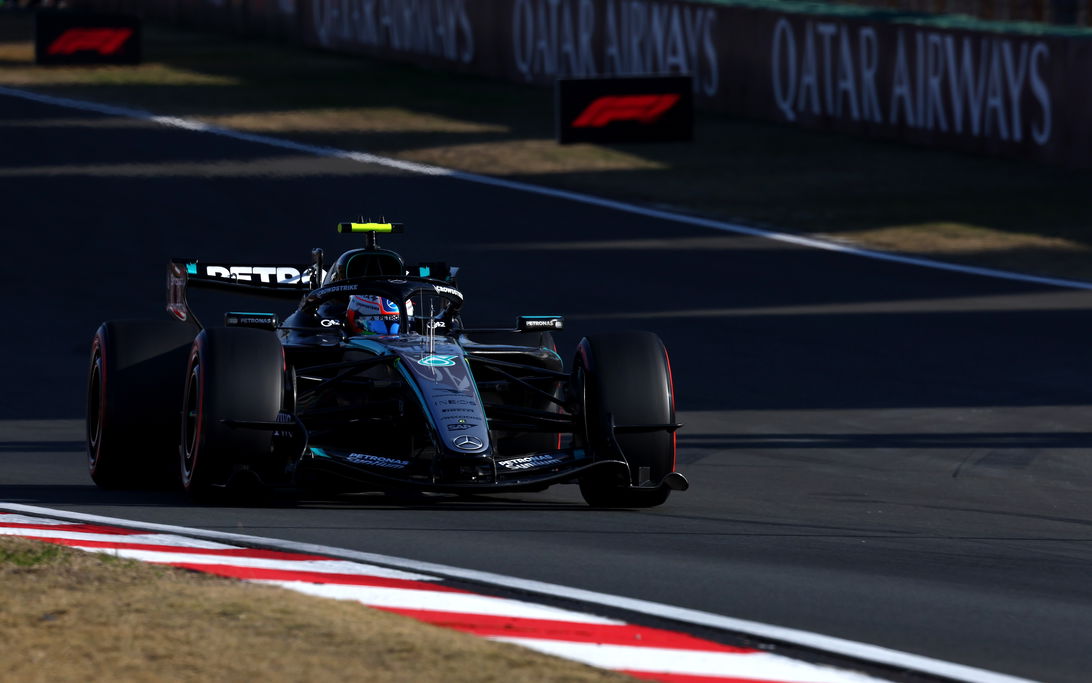
The timing sheets from Miami's single 90-minute FP1 already read like clipped heartbeats, each lap dropping with mechanical precision rather than the ragged edges of driver instinct. Formula 1's revised Sprint qualifying format lands on the resurfaced Miami International Autodrome like a spreadsheet command, dictating Medium tires for the first two segments and Softs only in the final eight minutes. These constraints do not merely tweak strategy; they compress the space where raw feel once lived, echoing the over-reliance on real-time telemetry that modern teams favor over the kind of seat-of-the-pants consistency Michael Schumacher displayed across his near-flawless 2004 campaign.
Format Specs That Expose the Shift Toward Algorithmic Control
The new structure replaces exploratory freedom with rigid mandates, forcing teams to lean harder on pre-loaded data models instead of adapting mid-session. This setup follows directly from FP1's data-gathering focus on the updated aerodynamic rules and track surface, leaving no room for a second practice to recalibrate.
- SQ1 runs 12 minutes on Medium compound tires, eliminating any early Soft tire experiments that might reveal true grip windows.
- SQ2 lasts 10 minutes, again locked to Mediums, which compresses the window for drivers to chase incremental improvements through feel alone.
- SQ3 grants just 8 minutes to the top ten, now on Softs, turning the pole shootout into a high-stakes sprint where telemetry overrides any last-second intuition.
These durations and compound rules strip away the organic variability that once allowed drivers to chase personal rhythms. In 2004, Schumacher's Ferrari operated with far less intrusive data overlays, letting his lap times maintain a steady pulse even under pressure. Today's sheets, by contrast, risk turning every sector into a predicted output rather than an emotional excavation of how a driver handles sudden variables.
Data's Double Edge: Uncovering Pressure or Enforcing Sterility
The single FP1 session served as the weekend's sole laboratory for adapting to Miami's new surface and aero tweaks, yet its value lies less in raw numbers and more in what those numbers reveal about human limits. Lap time drop-offs in the final minutes of short sessions often correlate with accumulated mental load, much like tracing a driver's personal stressors through telemetry spikes. This is emotional archaeology at its core: the data can unearth untold stories of pressure if teams allow it, rather than letting algorithms dictate pit calls or tire choices in advance.
Real-time telemetry has already begun to suppress the very intuition that separated champions like Schumacher from the pack.
Within five years, this hyper-focus on analytics will push the sport toward robotized racing, where algorithmic pit stops and mandated compounds render outcomes predictable and the spectacle sterile. Kimi Antonelli, the current championship leader, carries the weight of repeating his prior Miami pole under these constraints; his approach will test whether any driver can still inject variability into a format engineered for compliance. The Sprint qualifying results will set Saturday's grid and award points to the top eight, yet the deeper question remains whether the numbers will celebrate human variance or simply validate the models.
The Road Ahead Leaves Little Room for Feel
Performance benchmarks from this opening battle will ripple into Grand Prix qualifying, but only if teams resist the temptation to treat every data point as gospel. Schumacher's 2004 season proved that consistency emerges from trusting the wheel over the screen; Miami's format instead rewards those who execute the pre-programmed script flawlessly. The risk is clear: a sport where lap times lose their heartbeat and become nothing more than lines on a graph.
Join the inner circle
Get the deep dives and technical analysis from the world of F1 delivered to your inbox twice a week.
Zero spam. Only high-octane analysis. Unsubscribe anytime.
Continue Reading
View More News