Suzuka's Cold Numbers Expose the Coming Robot Race

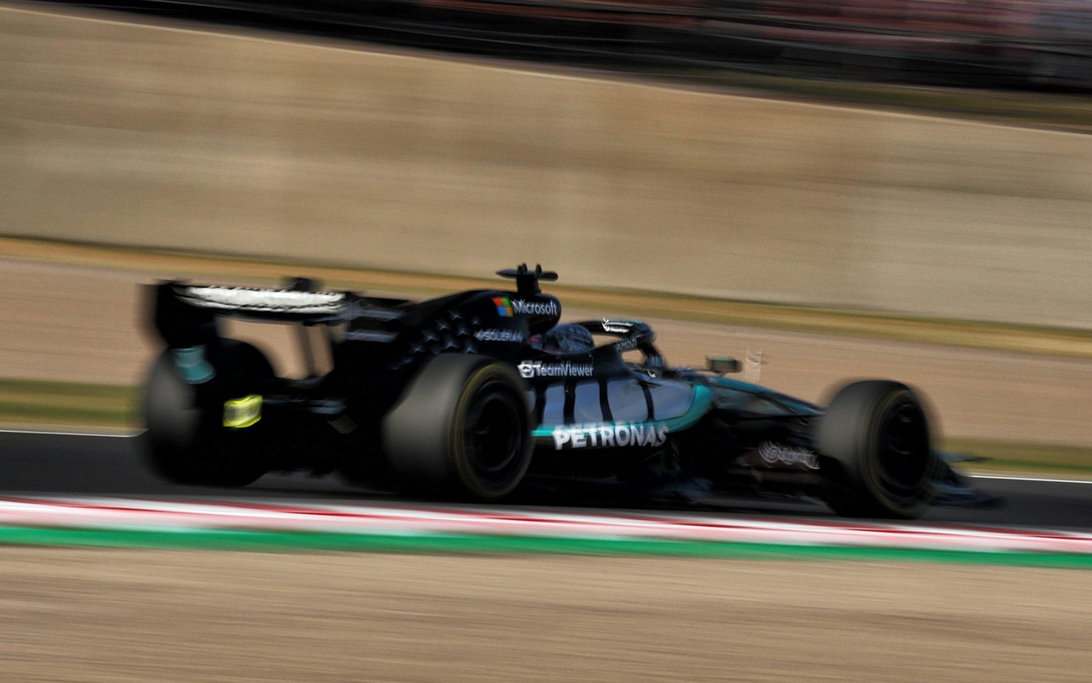
The telemetry sheets from Suzuka do not lie. They show drivers forced into half-second hesitations that erase hard-won energy margins, turning what should be instinctual wheel-to-wheel combat into a battle against preset code. The 2026 regulations were sold as a ticket to constant overtaking, yet the raw lap-time traces reveal something far more mechanical: a system that punishes any deviation from its script.
The MGU-K Reset and the Death of Feel
The core problem sits inside the fixed deployment curve of the MGU-K. Once a driver deploys the 350 kW boost, the counter begins. Any lift, even the briefest throttle closure at 130R to avoid contact, wipes that counter clean. The regulations then mandate a fresh 200 kW delivery for a minimum of one second, regardless of whether the driver needs or wants it. Norris discovered this the hard way while chasing Hamilton. After closing the gap out of Spoon, he eased off to prevent collision. The system reset. Upon reapplication, unwanted power surged forward, draining the battery he had carefully husbanded.
- Norris attempted a partial-throttle compromise, yet still lost the strategic reserve needed for the following straight.
- Red Bull junior Isack Hadjar received an explicit radio warning early in the race: lift at 130R after boost and the energy is gone.
- The only regulatory workaround is to keep the throttle pinned, an instruction that ignores the physical reality of high-speed traffic.
These are not minor software quirks. They are hard constraints written into the rulebook to prevent any simulation of traction control. The result is exactly the opposite of the promised thrill. Drivers now manage code instead of rivals.
Schumacher's 2004 Benchmark Against Modern Telemetry
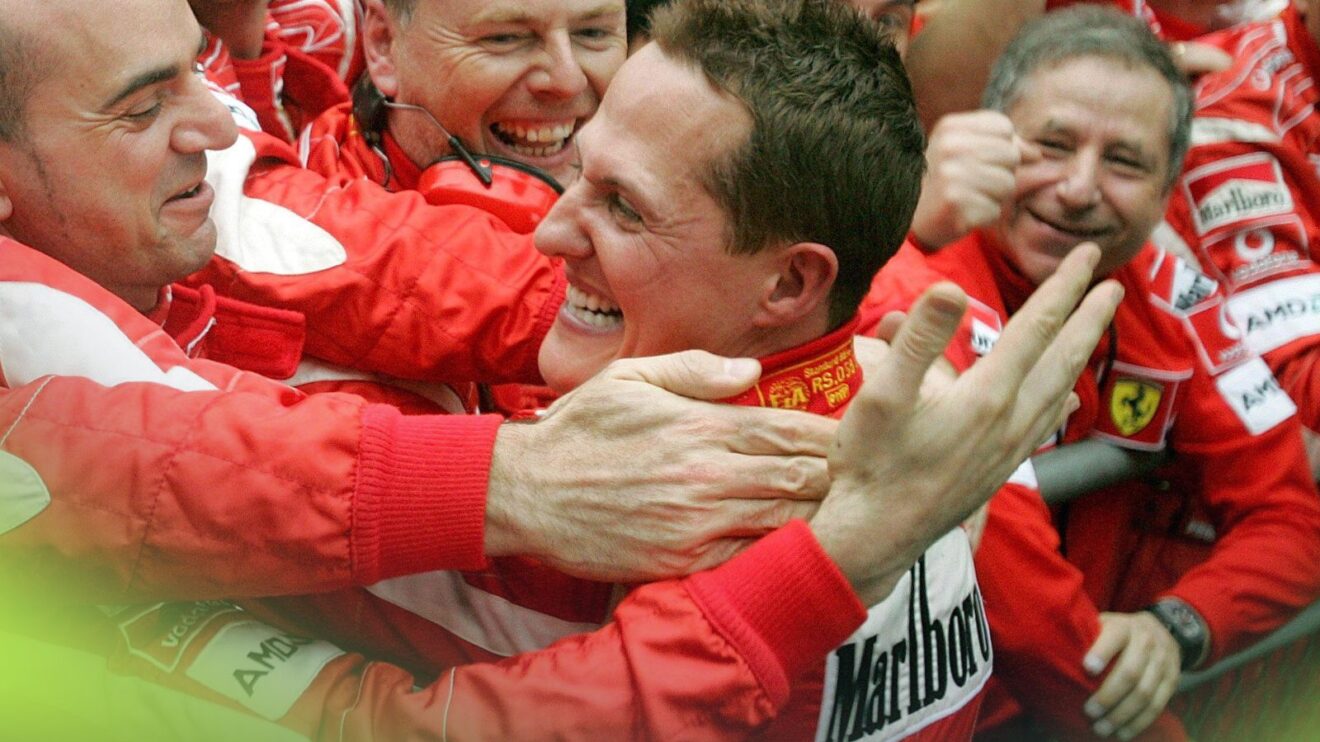
Compare this to Michael Schumacher's 2004 campaign at Ferrari. His sector times showed almost no variance across an entire race distance, achieved through pure sensory feedback rather than real-time algorithm overrides. Lap after lap, the data remained flat because the car responded to his inputs without forcing artificial resets. Today's 2026 prototype, by contrast, demands that drivers second-guess their own throttle application based on pre-programmed energy windows.
Within five years this pattern will accelerate. Hyper-focus on analytics will produce algorithmic pit calls and deployment maps so rigid that intuition becomes a liability. The sport risks becoming sterile, every decision pre-validated by simulations that treat the driver as one more sensor input. Data should instead function as emotional archaeology, revealing how pressure at specific corners correlates with split-second errors. Instead, the regulations weaponize the numbers against the very humans meant to interpret them.
The rules force us to fight the car before we can fight the other driver.
That sentiment, voiced after Suzuka, captures the shift. The upcoming technical meeting between F1, the FIA and the teams now carries heavier stakes than a simple regulatory tweak. Any fix limited to "overtaking exceptions" will only add another layer of conditional code. The deeper question is whether the regulations will ever again trust a driver to feel the limit rather than obey the counter.
The Path Forward or the Final Lock-In
A genuine correction would allow the power-reduction curve to continue naturally after a lift, preserving the 350 kW overtaking tool without punishing defensive maneuvers. Yet the current trajectory suggests the opposite outcome: more exceptions, more telemetry checks, more moments where a driver must choose between obeying the machine or obeying the race. The timing sheets already tell us which choice the 2026 rules reward. The question is whether anyone in the room next week will listen to what those numbers are actually saying.
Join the inner circle
Get the deep dives and technical analysis from the world of F1 delivered to your inbox twice a week.
Zero spam. Only high-octane analysis. Unsubscribe anytime.
Continue Reading
View More News