ADUO's Data Heartbeats: How 2026's Upgrade Lifeline Risks Turning Drivers Into Telemetry Slaves

The FIA's timing sheets never lie, and the first whispers of ADUO already pulse like a strained engine note under load. When I first parsed the 2026 cost cap relief tiers, the numbers hit with the same chill as watching a 2004 Schumacher lap telemetry flatten into perfection while rivals chased ghosts. This system promises financial oxygen for lagging power units, yet it embeds another layer of algorithmic oversight that could accelerate F1's slide toward robotized racing within five years.
The ICE Index as Emotional Archaeology
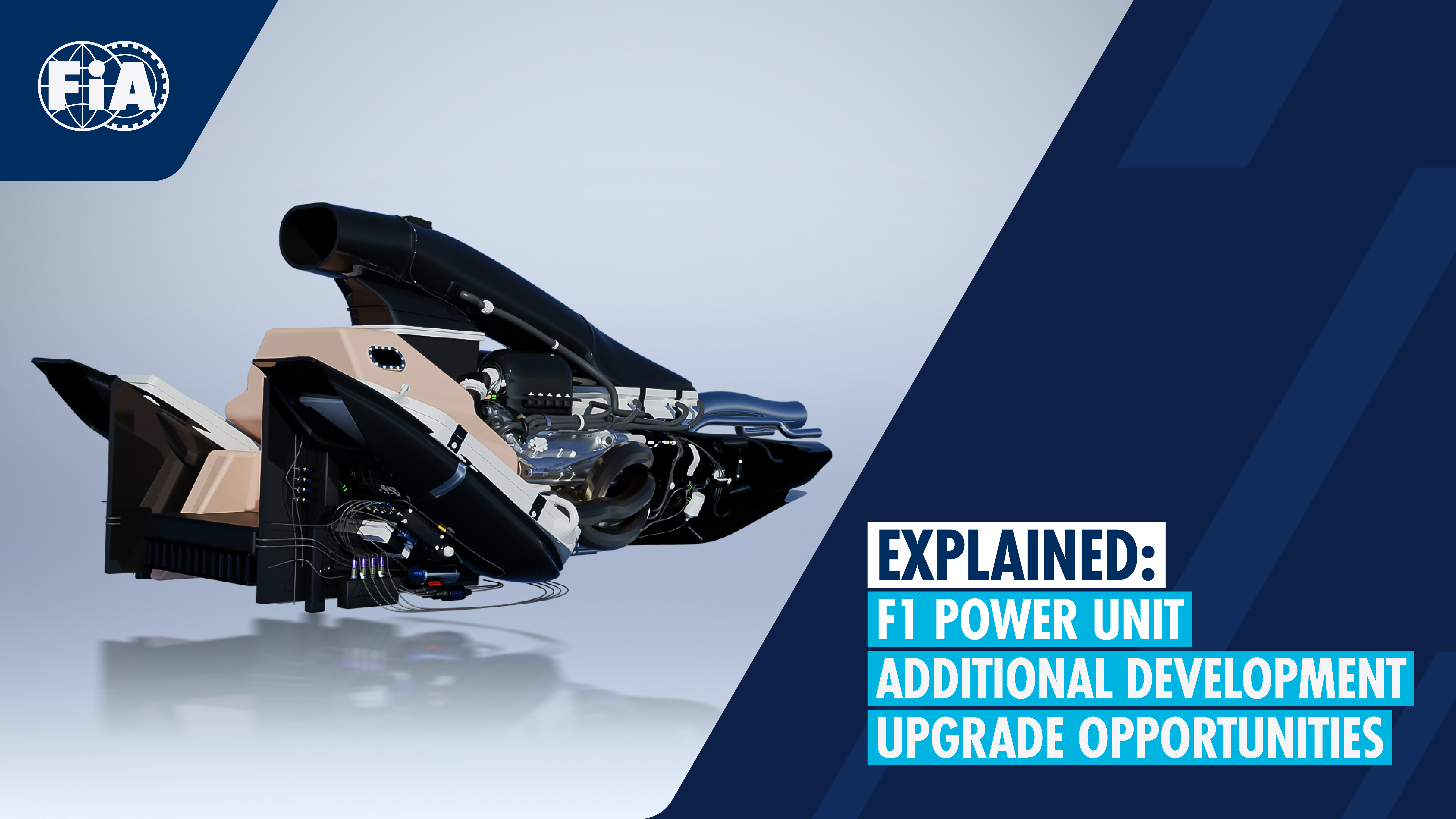
F1's new Additional Development and Upgrade Opportunities mechanism measures shortfalls through an ICE Performance Index built on input shaft torque, engine speed, MGUK power, and raw sensor feeds across fixed race windows. No fuel temperature corrections, no aerodynamic smoothing. The data arrives naked.
- Period 1 now spans the opening five events after Middle East adjustments: Australia, China, Japan, Miami, and Canada.
- Period 2 runs from Monaco through Hungary.
- Period 3 covers Netherlands to Mexico City.
- Results drop within two weeks of the Canadian Grand Prix.
These periods function less like a safety net and more like pressure transducers. Lap time drop-offs have long revealed hidden stories, whether tied to a driver's off-track turbulence or the weight of team expectations. ADUO's index simply quantifies that pressure in million-dollar increments.
Financial Tiers and the Schumacher Standard
Eligibility scales directly with deficit size, granting cost cap headroom that preserves technical rules while funding development on everything from exhausts and turbos to MGU-K, hydraulics, and ballast.
Tier breakdown:
- 2-4% behind unlocks up to $3.0 million per period plus one homologation upgrade this season and one next.
- 4-6% reaches $4.65 million with two upgrades each season.
- 6-8% grants $6.35 million.
- 8-10% delivers $8.0 million.
- 10% or greater receives $11 million plus an extra $8 million advance available only in 2026.
"The system rewards measurable gaps without manufacturing parity."
Yet the real danger lies in how teams will consume this relief. Modern garages already drown drivers in real-time telemetry, overriding the intuitive calls that defined Michael Schumacher's 2004 campaign. That season his consistency read like a metronome, each sector a heartbeat steady under Ferrari pressure. Today's over-reliance on algorithms threatens to suppress exactly that feel, turning pit wall decisions into code executions rather than human judgments.
Charles Leclerc's qualifying pace from 2022-2023 already proves raw data can expose narrative bias. His error-prone label stems more from strategic misfires than inconsistent delivery. ADUO's metrics could similarly expose which manufacturers truly trail versus which simply lack the freedom to iterate on instinct.
The Road to Sterile Predictability
Eligible teams may deploy upgrades from the race after notification, but missing the first two periods bars access to the third. Unused allocations vanish at season close. This structure rewards early data honesty yet locks late movers out of redemption arcs.
The deeper risk surfaces in five years. Hyper-focus on analytics will favor algorithmic pit calls and pre-scripted development paths over driver intuition. Races become simulations validated by sensors rather than lived contests. Schumacher's 2004 output thrived because the numbers served the driver, not the reverse. ADUO's cost relief may close power unit gaps on paper, but only if teams resist letting the spreadsheets dictate every heartbeat on track.
Join the inner circle
Get the deep dives and technical analysis from the world of F1 delivered to your inbox twice a week.
Zero spam. Only high-octane analysis. Unsubscribe anytime.