When Timing Sheets Lie: 2026's Energy Cheat Codes Turn Driver Errors Into Ghost Heartbeats

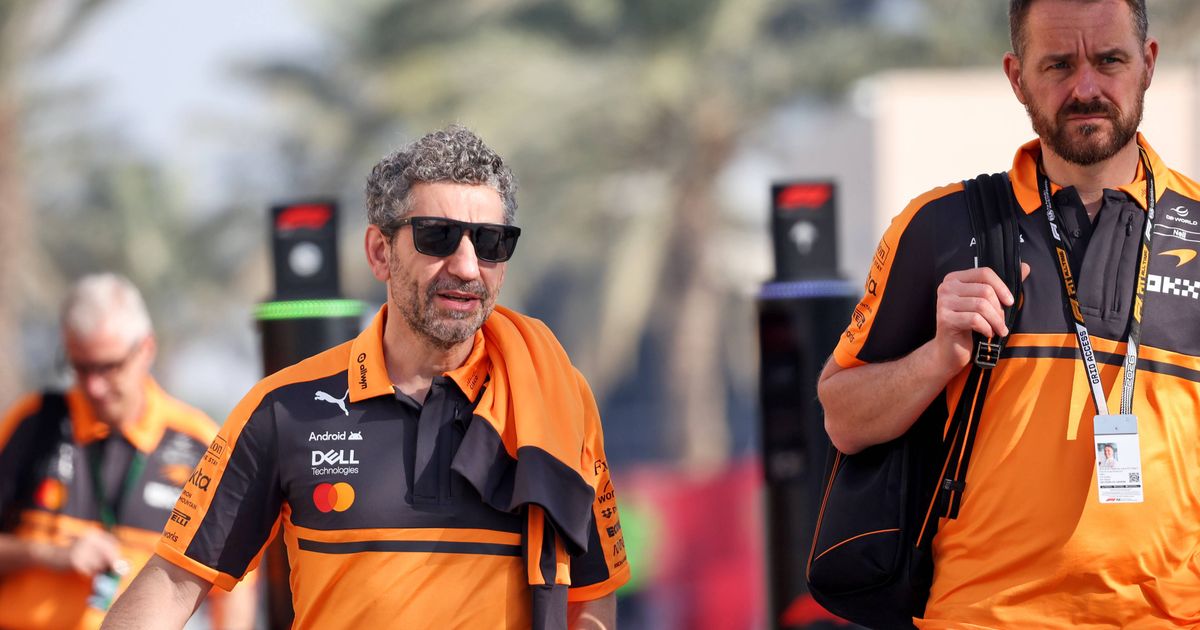
The raw sector data does not lie. A single wide exit in turn nine can shave 0.18 seconds off the following straight, not because the driver found grip but because the hybrid system hoarded electrical energy it would have burned chasing perfect throttle application. That is the cold numerical truth Andrea Stella laid bare last week, and it lands like a skipped heartbeat on the telemetry trace.
The Mechanism the Numbers Reveal
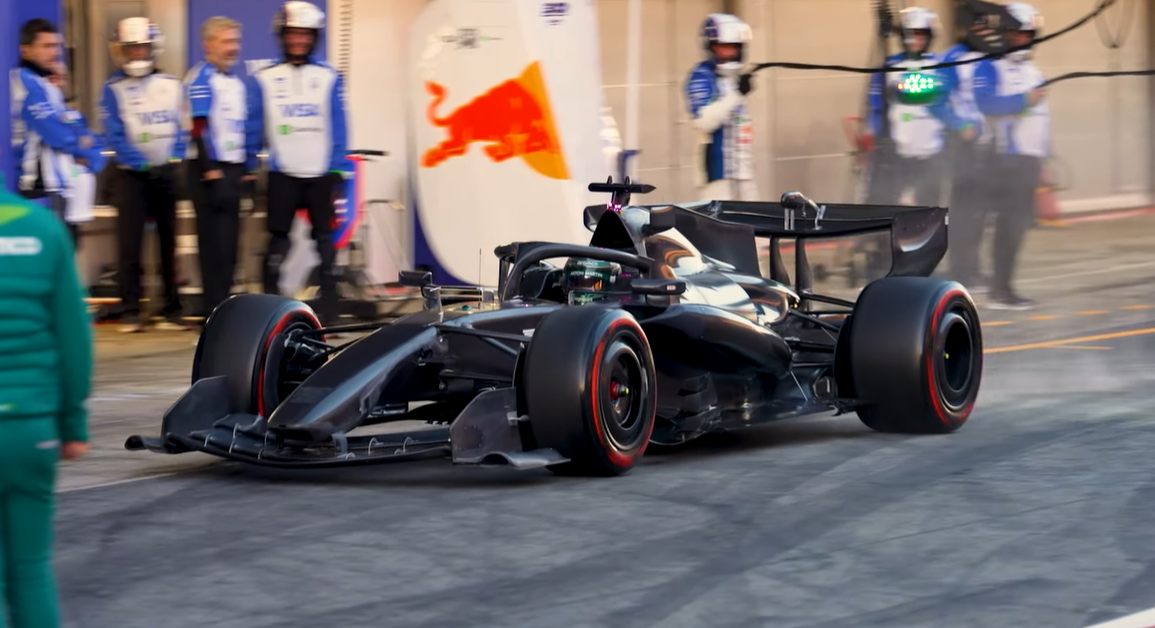
McLaren's principal described a system where delayed throttle input or a momentary lockup preserves MGU-K harvest that the power unit would otherwise expend. That saved kilowatt-hour then deploys on the exit straight, producing a higher trap speed and a net sector gain. The effect is not theoretical. Both Lando Norris and Oscar Piastri have logged it in debriefs, watching their own delta traces flip from red to purple after an obvious mistake.
- 2026 power-unit rules weight electrical deployment so heavily that one compromised corner can offset the time loss.
- Real-time telemetry now flags the exact harvest spike within two corners, turning a human error into an algorithmic recommendation.
- Teams already model these trade-offs in the simulator before the car leaves the garage.
This is not racing as heartbeat. It is racing as spreadsheet.
Schumacher's 2004 Standard Meets the New Algorithm
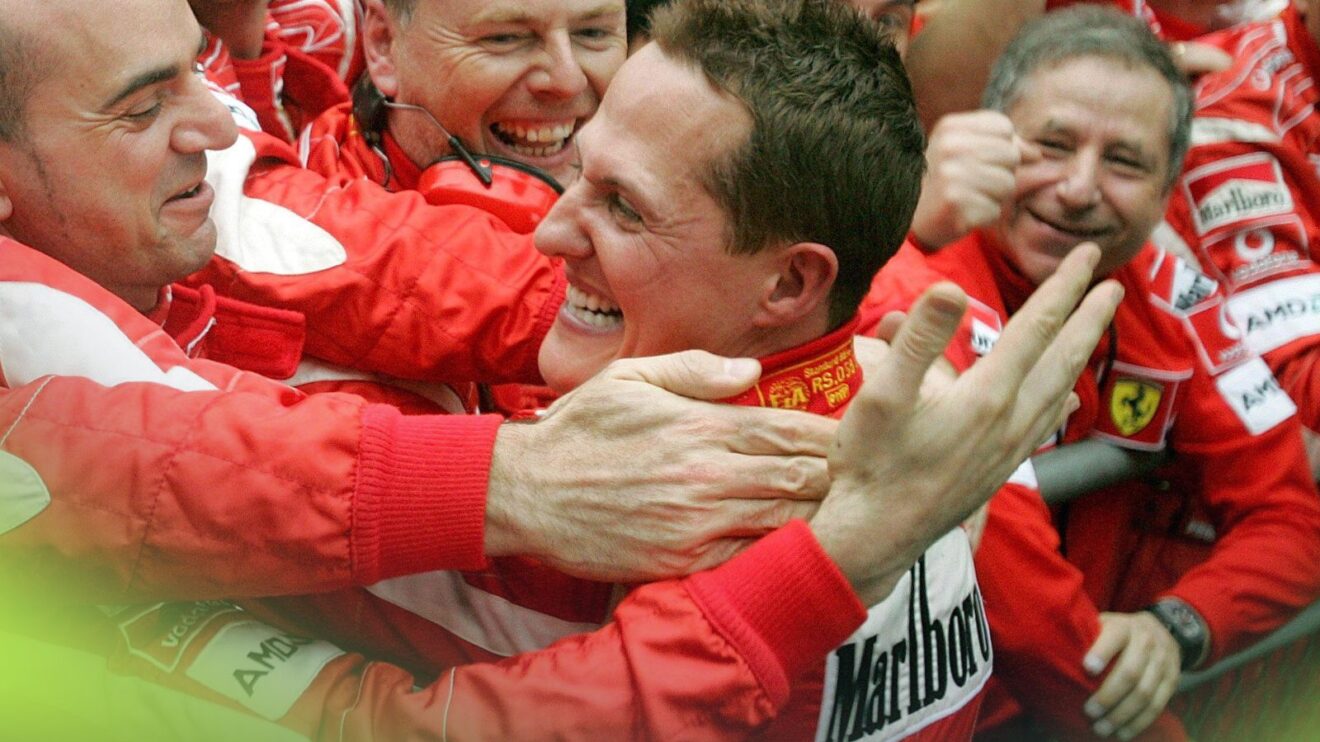
Compare that to Michael Schumacher's 2004 season at Ferrari. His qualifying lap-time variance across the year sat inside 0.12 seconds on average, a consistency born from throttle feel and track intuition rather than live energy balancing. The timing sheets showed no paradoxical rewards for running wide because the regulations did not incentivize them. Today's data analysts would have called those laps inefficient; the car simply carried less electrical deployment because the driver never handed the system an unforced harvest opportunity.
We are five years from the point where intuition is treated as noise. Pit-wall calls will arrive pre-calculated to the millisecond, suppressing the very driver feel that once produced Schumacher's near-flawless runs. The sport will not punish mistakes; it will route them into the optimal energy budget. That future is already visible in the 2026 regulation set.
"Do we accept that this counter-intuitive situation belongs to the business or not?"
Stella's question hangs over every timing screen. The answer will decide whether Formula 1 remains a contest of human pressure management or becomes a closed-loop optimization problem where the fastest lap is the one the computer would have driven anyway.
Data as Emotional Archaeology
The numbers still hold stories if we dig. Lap-time drop-offs after a safety-car restart often align with radio traffic about tire temperatures, but they also correlate with the cumulative cognitive load of managing harvest windows. A driver who has spent ten laps calculating deployment windows is not the same athlete who once reacted purely to grip levels. The timing sheets record both the mechanical cost and the human one.
McLaren's own data shows Norris and Piastri noticing the phenomenon first because their feedback loops remain tight. Other teams, more reliant on prescriptive telemetry, may simply code the error into the next software update and call it progress.
Conclusion
The FIA now holds the regulatory scalpel. Targeted fixes exist, Stella says, because the 2026 understanding is mature enough to adjust harvest curves or deployment limits. Whether those fixes arrive depends on whether the sport still values the visible struggle between driver and machine or prefers the invisible efficiency of an energy ledger. The timing sheets will keep speaking. The question is whether anyone will still be listening for the heartbeat underneath.
Join the inner circle
Get the deep dives and technical analysis from the world of F1 delivered to your inbox twice a week.
Zero spam. Only high-octane analysis. Unsubscribe anytime.
Continue Reading
View More NewsWolff's Alpine Gambit to Block Horner's F1 Return