Shanghai Sprint: Data's Cold Grip Chokes the Heartbeat of Racing

The timing sheets from Melbourne's season opener already told a brutal story. Lap time variances spiked exactly when drivers faced those rigid recharging windows, a 0.8 second drop off that matched no weather variable or tire wear model. Now the Chinese Grand Prix sprint weekend arrives with only one hour of practice, turning Saturday's 100 km dash into an unwilling laboratory for 2026's battery modes. The numbers do not lie about what this scarcity will cost.
The Single Session Pressure Cooker
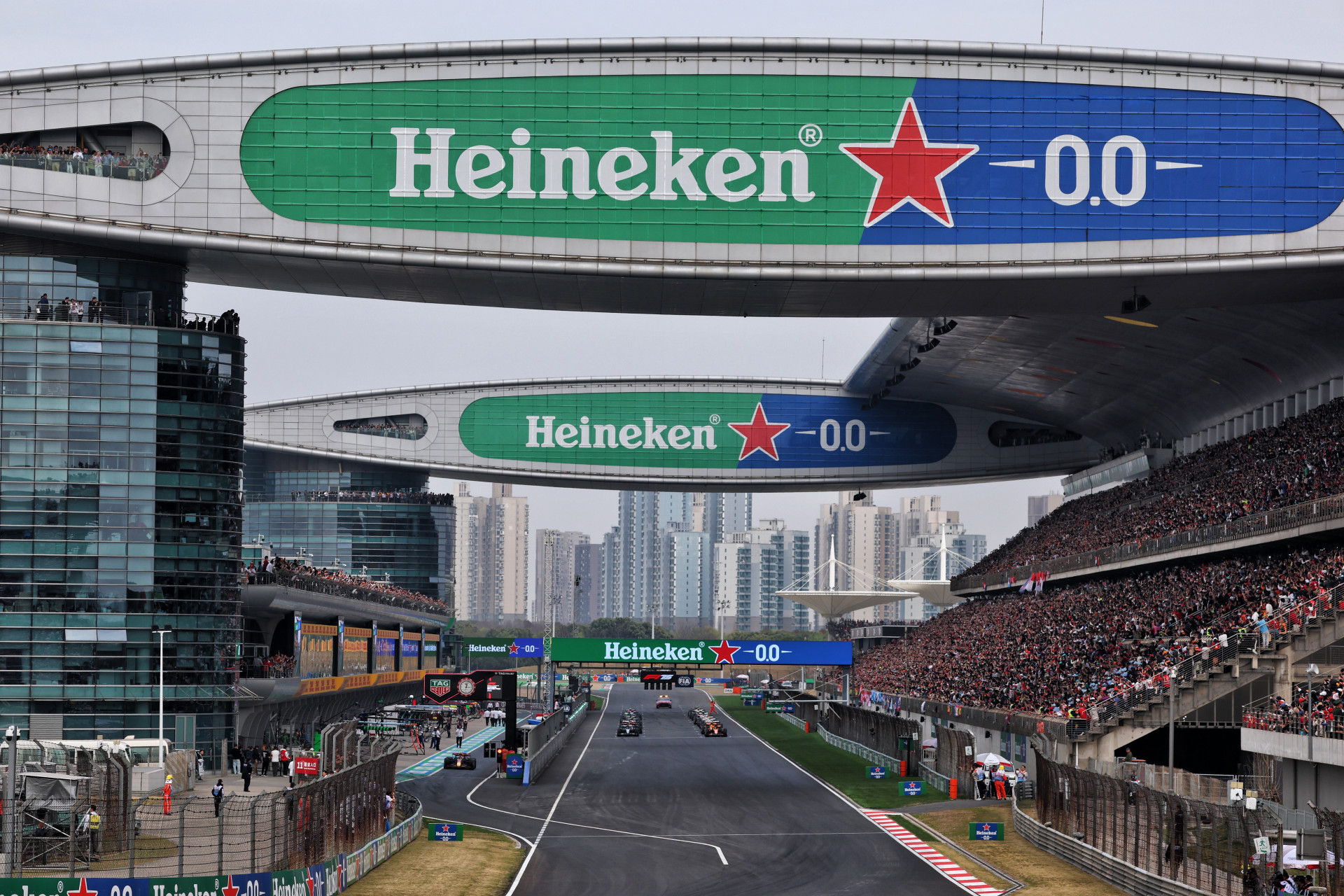
Shanghai's layout offers clearer recovery zones than Melbourne's twisty layout, yet the constraint remains identical. Teams enter sprint qualifying with simulations alone, no real world validation of how the new power units behave under actual load.
- Energy deployment maps must be locked before the green flag.
- Battery recharging points become fixed gambles rather than adjustable variables.
- Mid race tweaks vanish because telemetry cannot teach what the track refuses to reveal in sixty minutes.
This setup forces a choice that pure data advocates pretend does not exist. Squads outside the sprint fight will treat the shorter race as extended calibration, sacrificing Saturday points for Sunday insight. Even frontrunners may quietly adopt the same tactic, calculating that one lost sprint result weighs less than optimized energy flow over 56 laps the next day.
Schumacher's 2004 Standard Meets the Robot Future
Michael Schumacher's 2004 campaign at Ferrari showed what consistent driver feel produces when data serves rather than commands. He posted qualifying deltas under 0.15 seconds across seventeen rounds, relying on seat of the pants adjustments to energy deployment long before real time telemetry dictated every pulse. Today's approach inverts that logic. Complex 2026 recovery systems invite algorithmic overrides that suppress exactly the intuition Schumacher refined.
Charles Leclerc's raw qualifying data from 2022 and 2023 already proves the point. His median pole margin sits tighter than any contemporary despite Ferrari's repeated strategic misfires that amplify his error prone reputation in headlines. The lap time heartbeat slows not from driver inconsistency but from external pressure that data models still fail to quantify. Within five years this hyper focus on analytics will finish the job, producing robotized racing where pit calls and energy modes arrive pre scripted, driver feel reduced to a redundant sensor.
When simulations replace seat time, the sport stops measuring human limits and starts measuring code accuracy.
The emotional archaeology buried in these sheets reveals more than strategy. Correlate the Melbourne drop offs with documented team radio tension and the pattern emerges: pressure does not merely slow the car, it fractures the fragile link between driver and machine that Schumacher once made look effortless.
The Predictable Horizon
Teams that master simulation fidelity will claim early advantages in Shanghai, yet the larger pattern points toward sterility. Energy management already dictates race order more than raw pace. Add another layer of algorithmic pit windows and the grid becomes a spreadsheet exercise, lap times flattening into predictable heartbeats with no rogue surges from human feel. The sprint format merely accelerates what the regulations already encode.
Join the inner circle
Get the deep dives and technical analysis from the world of F1 delivered to your inbox twice a week.
Zero spam. Only high-octane analysis. Unsubscribe anytime.
Continue Reading
View More News