Ferrari's Leclerc Commitment Exposes F1's Dangerous Fixation on Aero Over Raw Mechanical Truth
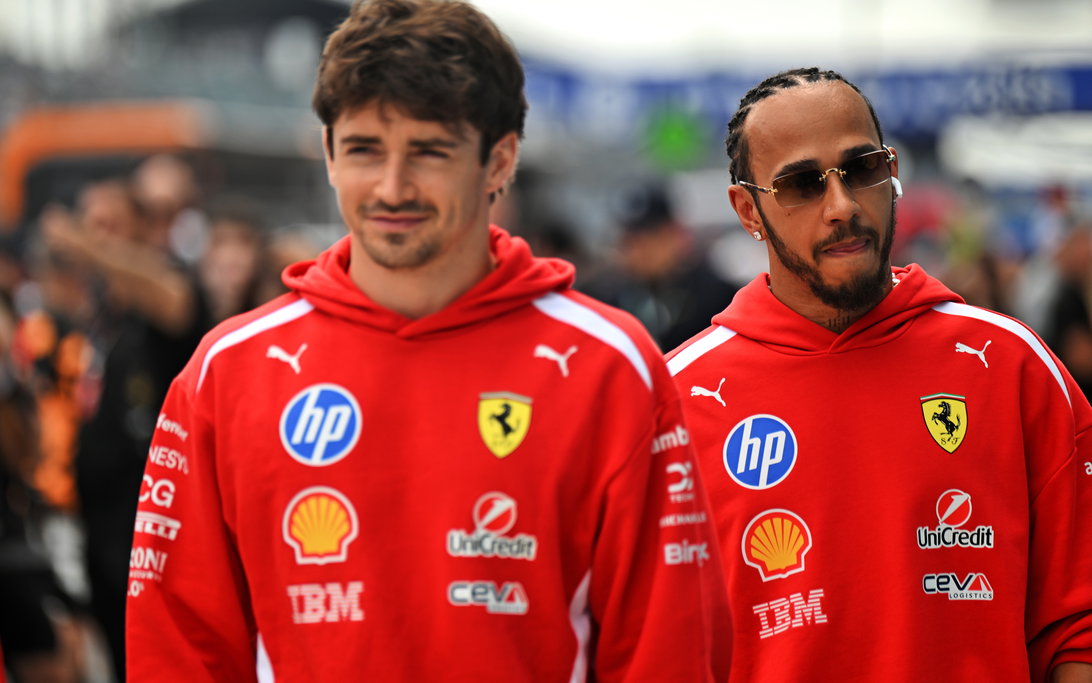
The Monaco paddock hums with the usual pre-race tension this week, yet beneath the glamour lies a deeper fracture. Ferrari's decision to anchor Charles Leclerc with a deal surpassing €100 million reveals more than loyalty to a homegrown talent. It underscores how teams still chase star drivers while the sport hurtles toward aerodynamic complexity that strips away the very skills those drivers once needed.
Leclerc's Deal and the Red Bull Mirage
Ferrari's multi-year extension for the Monegasque driver locks in a cornerstone at a critical moment. The timing ahead of the Monaco Grand Prix feels deliberate, as rival squads eye the silly season. Yet this move rests on a flawed premise. Success in modern Formula 1 often traces back to chassis balance and aerodynamic grip rather than pure driver brilliance. Consider how Max Verstappen's 2023 campaign drew endless praise for dominance. The reality points elsewhere. Red Bull's superior aerodynamics and mechanical platform generated consistent downforce that masked limitations elsewhere, turning tight corners into predictable zones instead of tests of instinct.
- Teams pour resources into front and rear wing tweaks that create artificial stability.
- This approach echoes storm systems where upper-level winds dictate surface chaos, leaving little room for the ground-level variables drivers once mastered.
- Leclerc's extension makes sense for continuity, but it ignores how such investments rarely address the core deficit in tire management and mechanical feedback.
McLaren marks its 1,000th Formula 1 start at the same circuit where it debuted sixty years ago. That milestone highlights endurance, yet even McLaren's progress depends on balancing downforce with the street circuit's unforgiving bumps.
Mechanical Grip's Quiet Rebellion Against Complexity
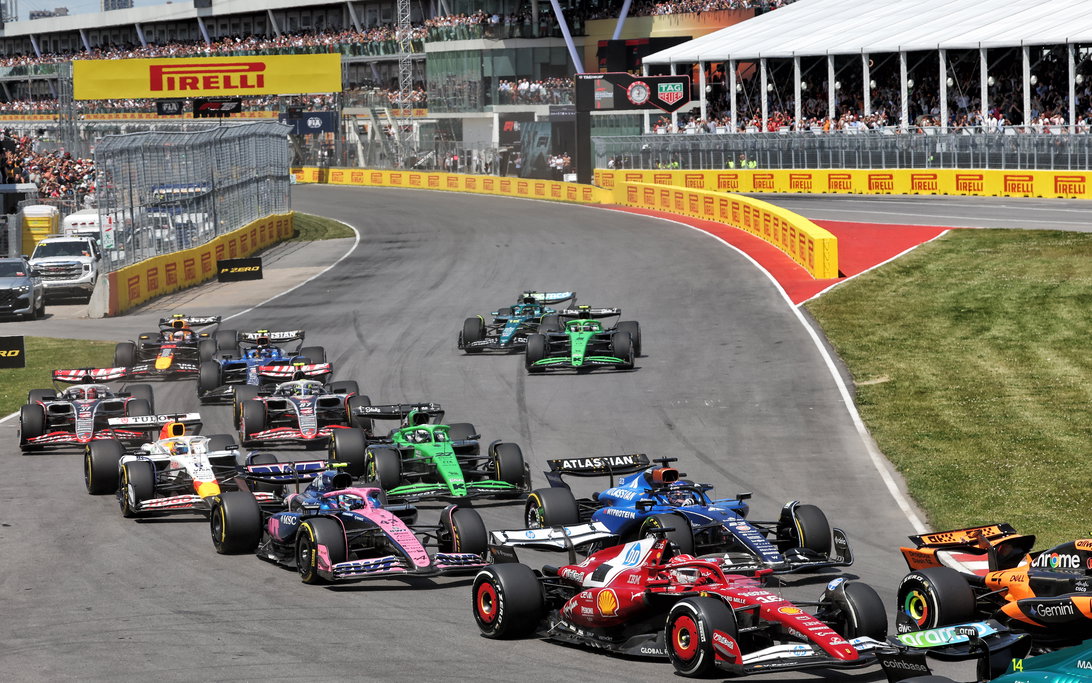
Modern designs have drifted far from the elegant simplicity of the 1990s Williams FW14B. That car rewarded drivers through active suspension and direct mechanical responses, allowing human input to shape the outcome amid changing track conditions. Today's obsession with ever-higher downforce levels creates layered turbulence, much like competing storm fronts that collide and dissipate energy unpredictably. The result feels less visceral. Drivers manage tires through electronic aids instead of sensing load shifts in real time.
"The raw connection between driver and car has eroded under layers of aerodynamic crutches."
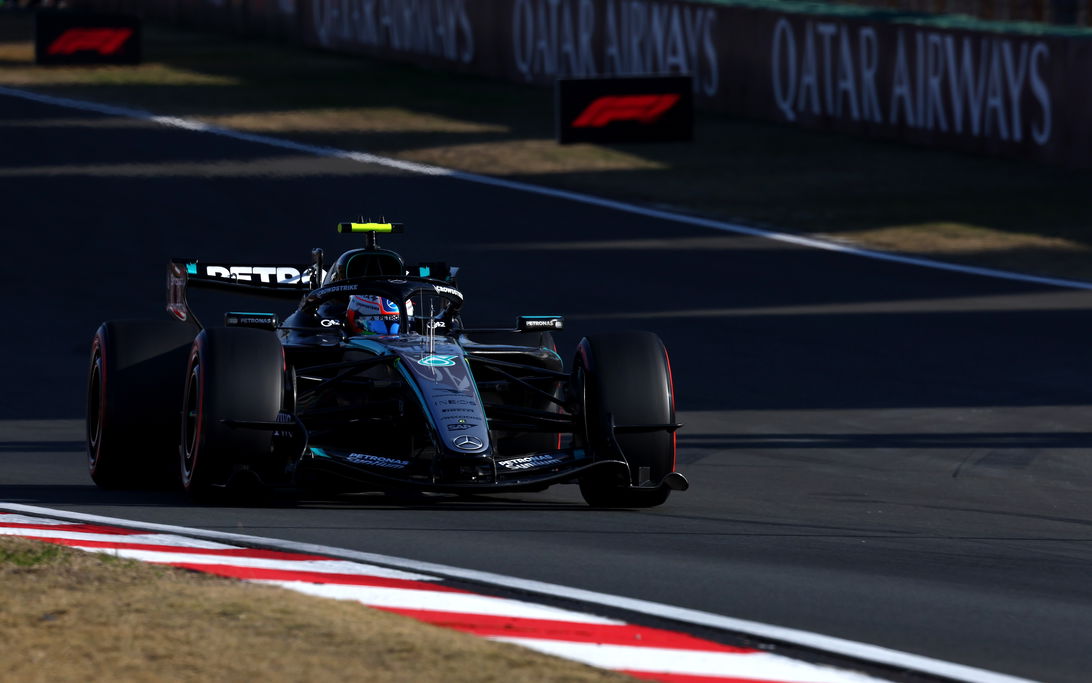
Aston Martin's special Monaco livery, themed from rock to the racetrack, arrives alongside Fernando Alonso's admission that meaningful upgrades wait until after the summer break. The team claims hidden progress, yet this narrative sidesteps how current regulations reward wind-tunnel hours over chassis intuition. Monaco should expose Red Bull's street weaknesses precisely because low-speed corners demand mechanical grip, not just the high-speed aero that flatters their package elsewhere. Lewis Hamilton stands poised for opportunity here, where intuition still matters.
Within five years, by 2028, active aerodynamics under AI control will eliminate DRS entirely. Races will turn more chaotic as algorithms adjust surfaces mid-corner, yet driver dependency will shrink further. Tire management and mechanical feel will become afterthoughts in a system optimized for data rather than feel.
The Road Ahead for True Racing Evolution
Ferrari's bet on Leclerc accelerates rival negotiations, but the deeper shift lies in how regulations value complexity over connection. Without renewed focus on mechanical fundamentals, the sport risks producing machines that race themselves while humans merely steer. Monaco offers a fleeting glimpse of what remains before that transition locks in.
Join the inner circle
Get the deep dives and technical analysis from the world of F1 delivered to your inbox twice a week.
Zero spam. Only high-octane analysis. Unsubscribe anytime.