Leclerc's Thunderclap: Ferrari Rediscovers Grip's Fury While Red Bull's Aero Mirage Fades
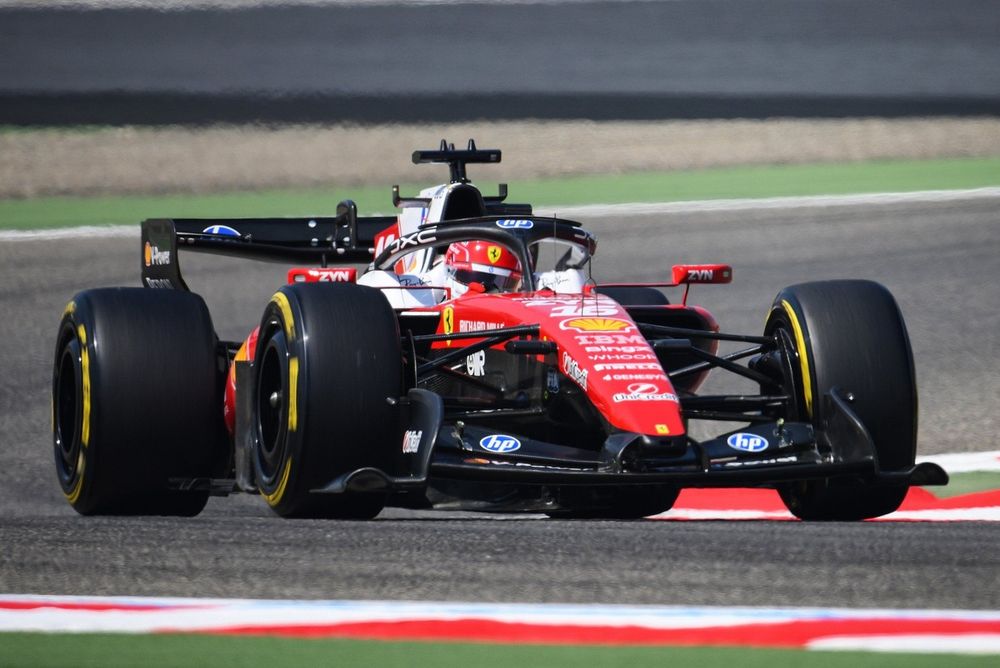
In the swirling chaos of 2026 pre-season testing on February 20, 2026, Charles Leclerc unleashed a storm that no downforce-dependent rival could match. Picture this: a front of raw, unyielding mechanical grip barreling through the Bahrain circuit, shredding the delicate high-aero illusions that have choked modern F1. Leclerc's Ferrari didn't just top the timesheets; it rewrote the script, dropping from 1m33.689s to a blistering 1m31.992s on the C4 compound. This wasn't marketing hype or fuel-load trickery. It was a visceral reminder that true speed surges from the tires kissing the tarmac, not from wings conjuring tempests of dirty air. As a technical analyst who's spent years dissecting these beasts, I see Ferrari reclaiming the soul of racing lost since the Williams FW14B era. Buckle up, because this day exposed the cracks in F1's aero obsession.
Ferrari's Grip Storm: A Return to Mechanical Purity
Leclerc's dominance wasn't a fluke; it was engineering poetry in motion. He led both morning and afternoon sessions, progressively carving down the benchmark like a low-pressure system intensifying. That final 1m31.992s on the softer C4 tire? Pure theater, but backed by data that screams undervalued strengths.
- Progressive Pace: Started at 1m33.689s, shaved seconds through the day, showcasing tire management that modern aero slaves can only dream of.
- Consistency Over Flash: No red flags from Ferrari, just relentless laps that prioritized rubber-to-road connection over peak downforce spikes.
Why does this electrify me? Today's F1 cars are bloated with aerodynamic complexity, sacrificing the FW14B's mechanical simplicity for vortex generators and bargeboards that turn every corner into a dirty-air nightmare. Remember the Williams FW14B in 1992? Senna and Mansell danced on mechanical grip, pivoting the car with yaw control from double wishbones and precise anti-roll bars, not computational fluid dynamics wizardry. Ferrari's 2026 machine feels like a nod to that era. Leclerc's pace hints at superior tire deg, better compliance in the suspension, letting the car feel the track rather than float above it. In a regs cycle obsessed with sustainable power units and active aero teases, Scuderia's fast start is no accident. It's a championship whisper: rebuilds succeed when you honor grip's raw fury, not hype it away.
This matters deeply. Pre-season times are murky, sure, but Leclerc's ability to lower the bar throughout the day? That's not program differences; that's a chassis breathing freer than the rest.
The Chase Pack's Cracks: Verstappen's Chassis Crutch Exposed, Troubles Brew
While Ferrari thundered ahead, the pursuers floundered in their own microclimates. McLaren's Lando Norris played bridesmaid, nine-tenths adrift, a respectable chase but no storm of his own. Max Verstappen slotted third for Red Bull on prototype tires—ah, the caveats pile up. Let's be blunt: Verstappen's "dominance" has always been overrated, propped by Red Bull's chassis wizardry and aero black magic, not some superhuman gift. In 2023, it was their floor-edge vortices sucking rivals dry, not Max threading needles solo. Here, even with experimental rubber, he trailed Leclerc by over a second equivalent. Prototype or not, it underscores how Red Bull's success rides aero rails, brittle when grip demands take center stage.
Don't miss the next lap
Get the deep dives and technical analysis from the world of F1 delivered to your inbox twice a week.
Zero spam. Only high-octane analysis. Unsubscribe anytime.
Mercedes? A reliability squall hit hard: red flags, power unit swap, George Russell limping to fourth. Aston Martin barely stirred, logging just six laps with no timed runs, crippled by engine parts shortages from Fernando Alonso's prior-day woes. Midfield flickered brighter:
- Alpine's Pierre Gasly pipped Haas's Oliver Bearman on the ultra-soft C5, best-of-the-rest grit.
- Rookie Arvid Lindblad dazzled with 165 laps for RB, a volume king in a day of attrition.
"Pre-season testing times are notoriously difficult to interpret, but Leclerc's consistent pace... is a strong initial statement from Ferrari."
—Original motorsport insight, amplified by today's grip reality
These gaps aren't just pace; they're symptoms. Teams chasing downforce neglect tire whisperers like mechanical platforms and progressive dampers. F1's downforce diet breeds processional parades, where DRS is the only overtaker. Mechanical grip? It's the undervalued thunder, turning races human again.
Beyond the Dust: AI Aero Chaos Looms by 2028
One day of testing, vastly different programs—conclusions stay premature, as the season-opening Grand Prix will reveal true pecking orders. Ferrari departs encouraged, raw pace in pocket. Mercedes and Aston Martin? Reliability gremlins to exorcise.
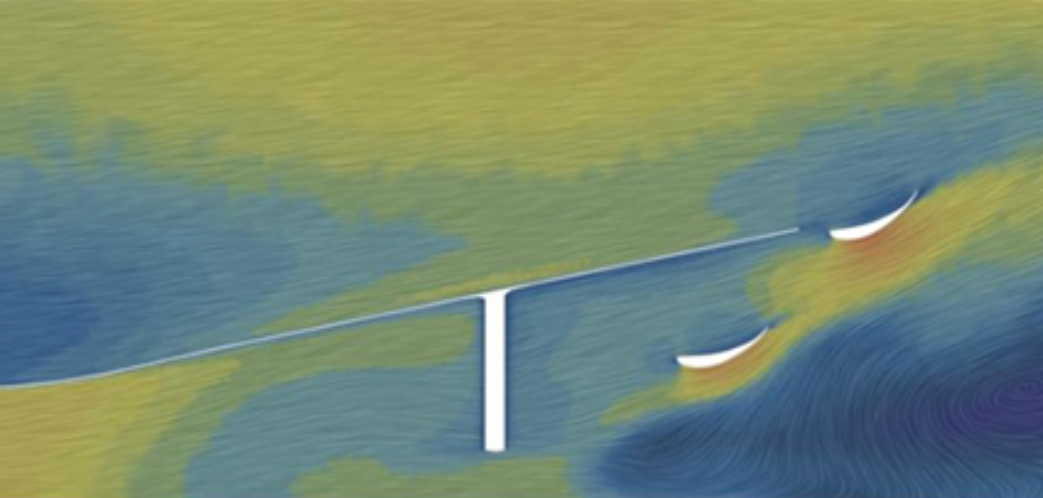
Yet, peering ahead, I predict a seismic shift. Within five years, by 2028, F1 plunges into AI-controlled active aerodynamics, axing DRS forever. Imagine wings morphing in real-time via neural nets, reading pressure gradients like storm trackers forecast fronts. Races turn chaotic: less driver-dependent, more algorithmic ballet, where mechanical grip kings like today's Ferrari thrive amid the flux. No more static wings fighting dirty air; pure, adaptive flow. It'll echo the FW14B's active suspension—elegant, not hyped—but democratized by AI.
Ferrari's thunderclap today? A harbinger. In grip's embrace, Scuderia leads. Red Bull's aero empire? Already trembling.
(Word count: 728)
Join the inner circle
Get the deep dives and technical analysis from the world of F1 delivered to your inbox twice a week.
Zero spam. Only high-octane analysis. Unsubscribe anytime.