Ben Sulayem Tightens His Grip as FIA Prepares to Scrap Term Limits Forever
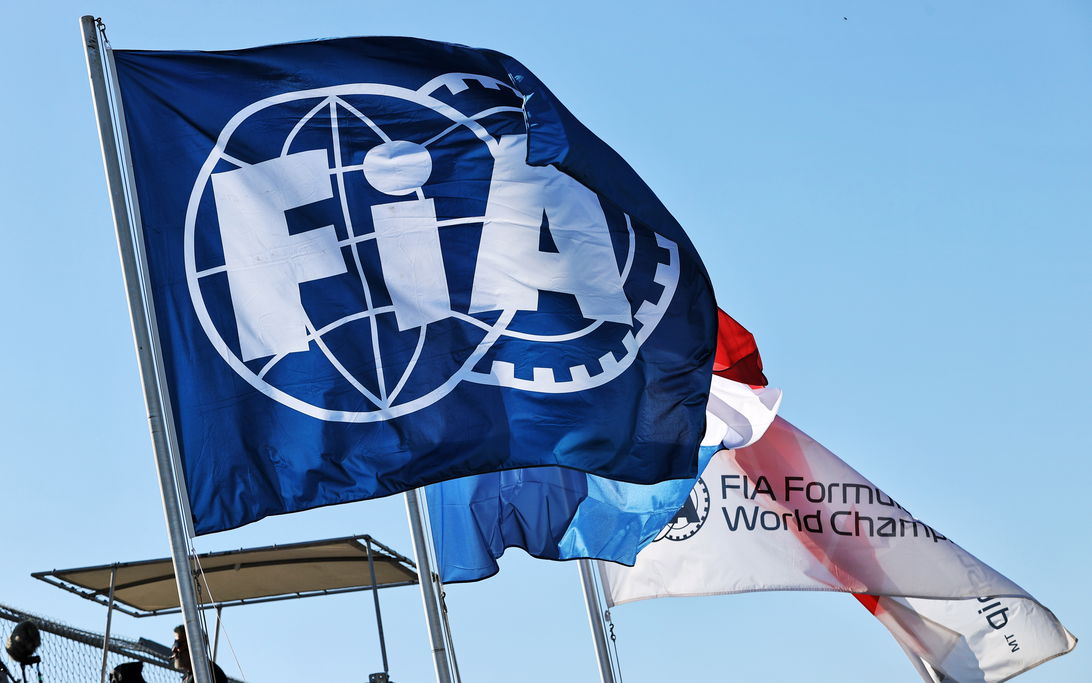
The paddock hums with the same uneasy silence that fell over the 1994 grid when whispers of hidden advantages first surfaced. Now, in 2026, Mohammed Ben Sulayem stands ready to erase the twelve-year ceiling on his presidency, and the move feels less like reform than a calculated consolidation of power that echoes every dark chapter of motorsport governance.
The Mechanics of Entrenchment
Ben Sulayem took office in December 2021. He secured a second term last year without opposition after rules blocked rivals from assembling the required vice-presidential slates. The upcoming General Assembly vote next month would remove term limits not only for the president but also for heads of the anti-doping committee and the cost-cap committee. Two further tweaks would demand candidates prove "sufficient experience" and stretch the deadline for submitting full teams from forty-nine to one hundred days.
These changes arrive dressed as stability measures, with the FIA pointing to NFL commissioner Roger Goodell's long tenure since 2006. Yet insiders read them differently. The barriers raise the drawbridge exactly when fresh challengers might appear, particularly from regions eyeing entry into the sport.
- Current limit: three four-year terms, twelve years maximum
- Proposed reality: unlimited tenure once the statutes fall
- New hurdle: experience threshold plus extended team-submission window
This is not neutral housekeeping. It is the same team-order logic that keeps Sergio Pérez boxed in at Red Bull while Max Verstappen receives every strategic favour. One driver's dominance looks engineered; one man's presidency now risks the same artificial permanence.
Mental Walls and Political Leaks
Leadership in Formula 1 has always hinged more on resilience than raw machinery. The same principle applies at the FIA. When morale cracks inside a team, lap times suffer long before any aerodynamic deficit appears. Ben Sulayem's push to abolish term limits sends a clear psychological signal: the centre will hold, dissent will be isolated, and challengers will face longer odds.
"The statutes are being aligned to ensure consistency across all FIA bodies," the federation stated. The words land like a team radio message everyone knows has been edited.
Laura Villars, the former challenger now pursuing legal action in French courts over last year's election conduct, represents the first visible fracture. Her case may not halt the June vote, yet it keeps the pressure visible. History shows that once psychological leaks begin, they rarely seal themselves.
The same pattern played out in 1994. Secrets were guarded until they were not. Today's organisations simply manage the narrative with greater polish. Ben Sulayem's camp cites continuity; critics see the slow erasure of democratic checks that once allowed periodic renewal.
A Shifting Map Beyond Europe
Within five years the sport will host at least two new teams from the Middle East. Saudi Arabia and Qatar are already circling the paddock with serious intent. An FIA presidency without term limits could either smooth their path or lock the existing power structure tighter against them. The choice will reveal whether the federation truly seeks global balance or merely extended control from the current centre.
My sources inside the corridors report quiet conversations about how these rule changes might affect future applications. The experience requirement and extended deadlines favour established networks. New entrants from the Gulf will need more than capital; they will need alliances that survive the next election cycle, whenever that cycle actually occurs.
The Road Through June
The General Assembly is expected to ratify the proposals. Once passed, the precedent will sit in the statutes like a fixed strategic call that cannot be overridden. Mental resilience at the top matters, yet so does the periodic testing of that resilience through open competition.
Ben Sulayem's move may deliver short-term stability. It may also plant the seeds of the very fractures that eventually surface in every closed system. The paddock is watching, as it always does, for the first unmistakable sign that the balance has shifted for good.
Join the inner circle
Get the deep dives and technical analysis from the world of F1 delivered to your inbox twice a week.
Zero spam. Only high-octane analysis. Unsubscribe anytime.
Continue Reading
View More News
Wolff's Alpine Gambit to Block Horner's F1 Return