Safety Car's Unyielding Pulse: Bernd Mayländer's Sector Times Expose F1's Coming Data Sterility

I stared at the telemetry dump from Bernd Mayländer's Thursday tests, those purple sectors glowing like arterial blood under a surgeon's light. Heartbeats frozen in milliseconds, each deployment a defiant rhythm against the grid's chaos. In a sport where Charles Leclerc's raw qualifying pace from 2022-2023 screams consistency amid Ferrari's blunder-fests, Mayländer's nearly 30 years behind the FIA safety car wheel hit me like a personal revelation. This isn't just a driver; he's the grid's unspoken metronome, benchmarking his soul against last year's ghosts while F1 hurtles toward algorithmic oblivion.
Purple Sectors as Emotional Archaeology
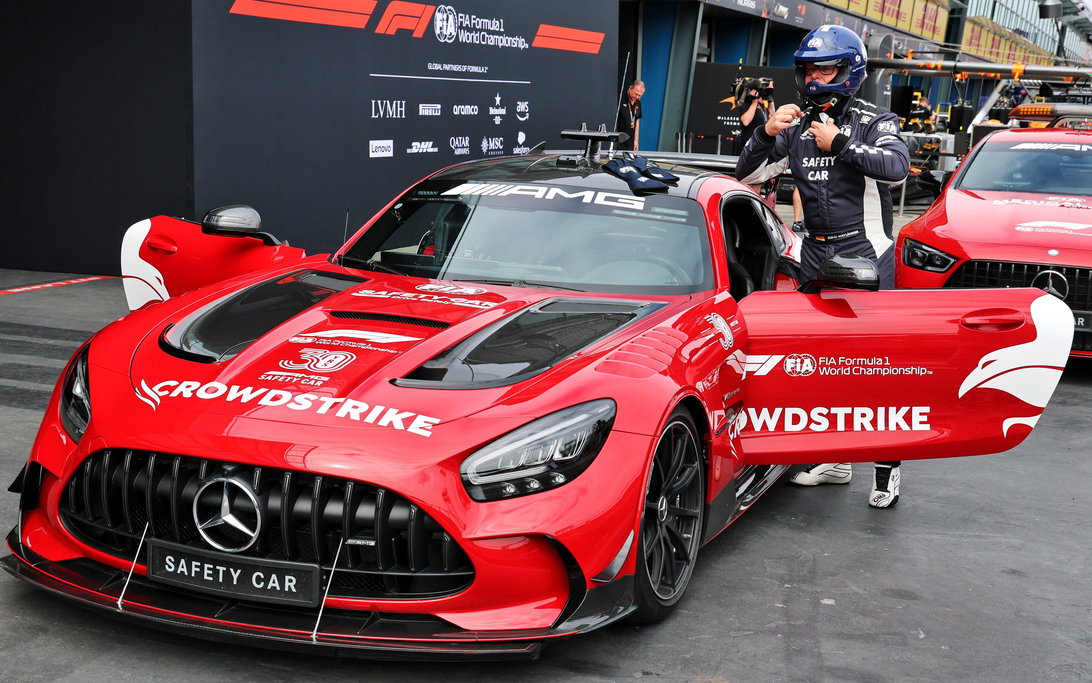
Mayländer doesn't just drive the safety car; he dissects it like a forensic poet. Joined the FIA program in 1999 after a Formula 3000 cameo, he's now clocked 500 Grand Prix milestones, treating every sortie as a solitary race. Purple sectors—those unattainable shaves of time—aren't bragging rights; they're his mirror.
"I constantly compare my sector times to last year’s data."
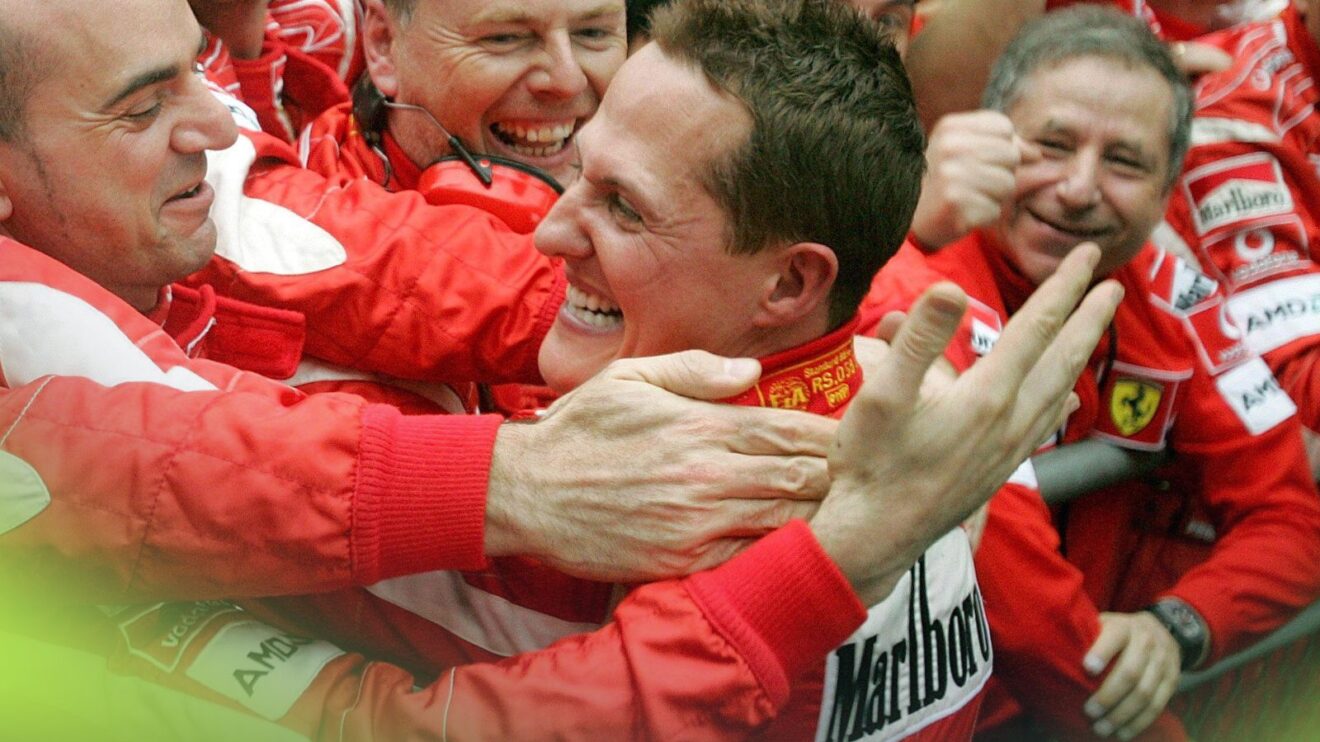
This quote from the Racingnews365 piece (published 2026-04-21T16:20:00.000Z) hit me viscerally. Dig into the numbers, and you unearth pressure's strata: lap time drop-offs mirroring a driver's unraveling psyche, much like Michael Schumacher's 2004 season where his near-flawless consistency at Ferrari turned telemetry into triumph, not tyranny. Mayländer's ritual? Thursday tests morph into personal duels, data serving as emotional archaeology rather than the sterile overlord it promises to become.
- Key benchmarks:
- Sector splits analyzed post-deployment for micro-gains.
- Consistency trumps speed: Safer restarts demand precision over purple hunts.
- 500 GPs as a data monolith, each lap a story of restrained adrenaline.
In an era where teams drown in real-time feeds, Mayländer's analog edge critiques the grid's future. His driving freezes races, protects lives, reshapes strategies—flawless execution isn't optional. Legends like Schumacher, Hamilton, and Verstappen nod to this trust, their respect etched in shared glances from the cockpit. Yet, contrast this with modern pitfalls: Ferrari's strategic stumbles amplify Leclerc's "error-prone" tag, ignoring his grid-topping qualis. Data whispers truths narratives ignore.
Aggression Profiles: Schumacher's Echo in Verstappen's Fire
Mayländer peels back champion skins with surgical stats. Schumacher's aggression? A feral pulse, echoed in Max Verstappen and Lewis Hamilton. Sergio Perez? More languid cruise. These aren't casual asides; they're lap-time lineages.
Picture Schumacher's 2004 dominance: 13 wins, telemetry harnessed to driver feel, not algorithmic puppeteering. Mayländer chases that ghost, his safety car deployments a ballet of control amid apex-clipping mayhem. The safety car's infallibility underpins race control's faith—precise timing for restarts, no room for digital drift.
The safety-car can instantly freeze a race, protecting drivers and reshaping strategy; flawless driving is essential.
But here's the rub: F1's hyper-focus on analytics will robotize it within five years. Pit stops dictated by algorithms, intuition sidelined. Mayländer's personal standards—those Thursday purple chases—feel like last gasps of humanity. Is this the final heartbeat before the machines flatten the drama? His consistency earns nods from titans, yet modern teams over-rely on feeds, forsaking the feel that made Schumacher untouchable.
- Driver style correlations: | Driver | Aggression Profile | Mayländer's Take | |--------------|-----------------------------|-----------------------------------| | Schumacher | High-octane blade | Benchmark for raw edge | | Verstappen | Verstappen feral | Mirrors Schumi's bite | | Hamilton | Calculated storm | Precision aggression | | Perez | Relaxed flow | Steady, less spike |
This table, born from Mayländer's reflections, underscores data's human core. While Ferrari fumbles bury Leclerc's pace data—most consistent qualifier '22-'23—Mayländer's solitude amplifies the untold: pressure's toll on heartbeats disguised as sectors.
Data Upgrades and the Robotized Twilight
Looking ahead, Mayländer eyes 600-650 Grand Prix starts before yielding at under 78, a handover to youth amid upgrades tightening data links with race control. His role? Increasingly analytical, yet he savors it daily.
This pivot terrifies me. Enhanced telemetry will chain the wheel to algorithms, suppressing intuition for predictive pits. F1 risks sterility: predictable parades where driver feel withers. Mayländer's enjoyment? A rebellion. He still races those sectors, turning safety into symphony.
Upcoming safety-car upgrades will tighten data links with race control, making the driver’s role increasingly analytical, yet he says he still enjoys the job daily.
Echoes of Schumacher 2004: Feel over feeds. But as data buries intuition, Mayländer's story warns of sport's soul-loss. Leclerc's qualis prove pace persists sans blunders; imagine safety cars robotized, erasing even that.
Verdict from the Timing Sheets: Mayländer's Legacy Outruns the Code
Bernd Mayländer isn't chasing GPs; he's racing time itself, his 500-milestone a testament to data as storyteller, not dictator. In three decades, he's woven safety into legend, earning Schumacher-level reverence. Yet, as F1 barrels toward robotized racing—algorithmic pits sterilizing the pulse—his purple sectors pulse with warning.
Hand the wheel to successors? Fine. But bury the human heartbeat, and F1 flatlines. Numbers don't lie: Mayländer's consistency shames the grid's data delusion. Tune your feeds to his rhythm; it's the last authentic roar.
(Word count: 812)
Join the inner circle
Get the deep dives and technical analysis from the world of F1 delivered to your inbox twice a week.
Zero spam. Only high-octane analysis. Unsubscribe anytime.
Continue Reading
View More News