Verstappen's Third Place Lap Times Pulse Like a 2004 Ferrari Heartbeat Amid Ford's Data Dawn

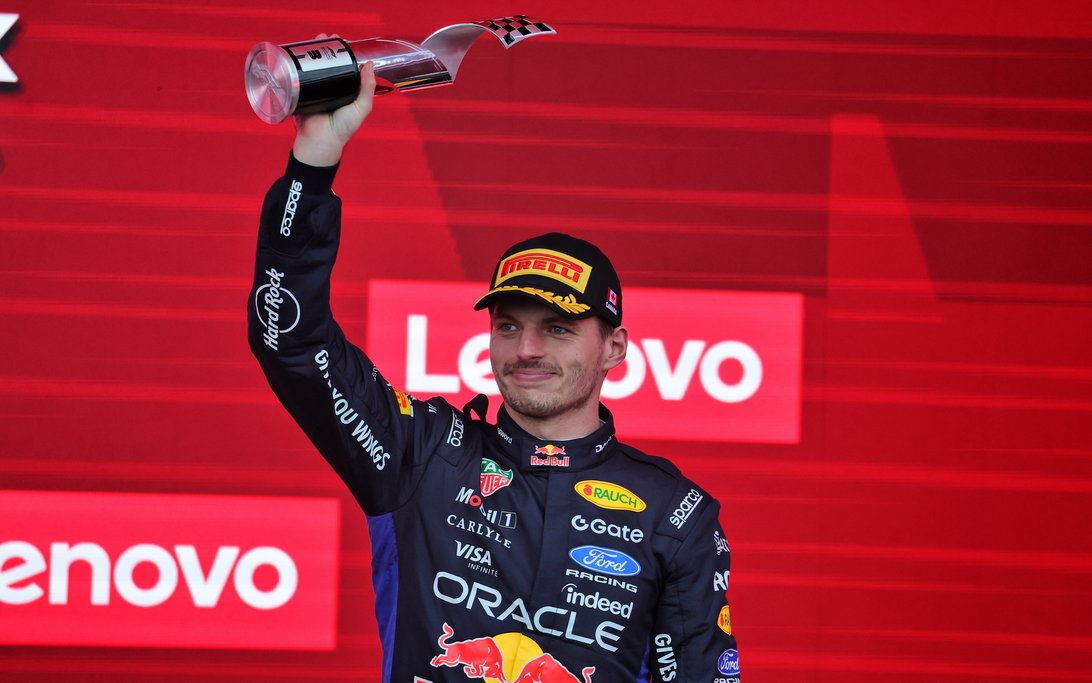
The timing sheets from Montreal do not lie. Verstappen's final sector splits in the Canadian Grand Prix tell a story of controlled aggression that no press release can manufacture. Third place behind Antonelli and Hamilton marks more than a podium for Red Bull and Ford. It exposes the raw tension between emerging power unit data streams and the driver's refusal to let algorithms dictate every throttle input.
The Numbers That Refuse to Align With Panic Narratives
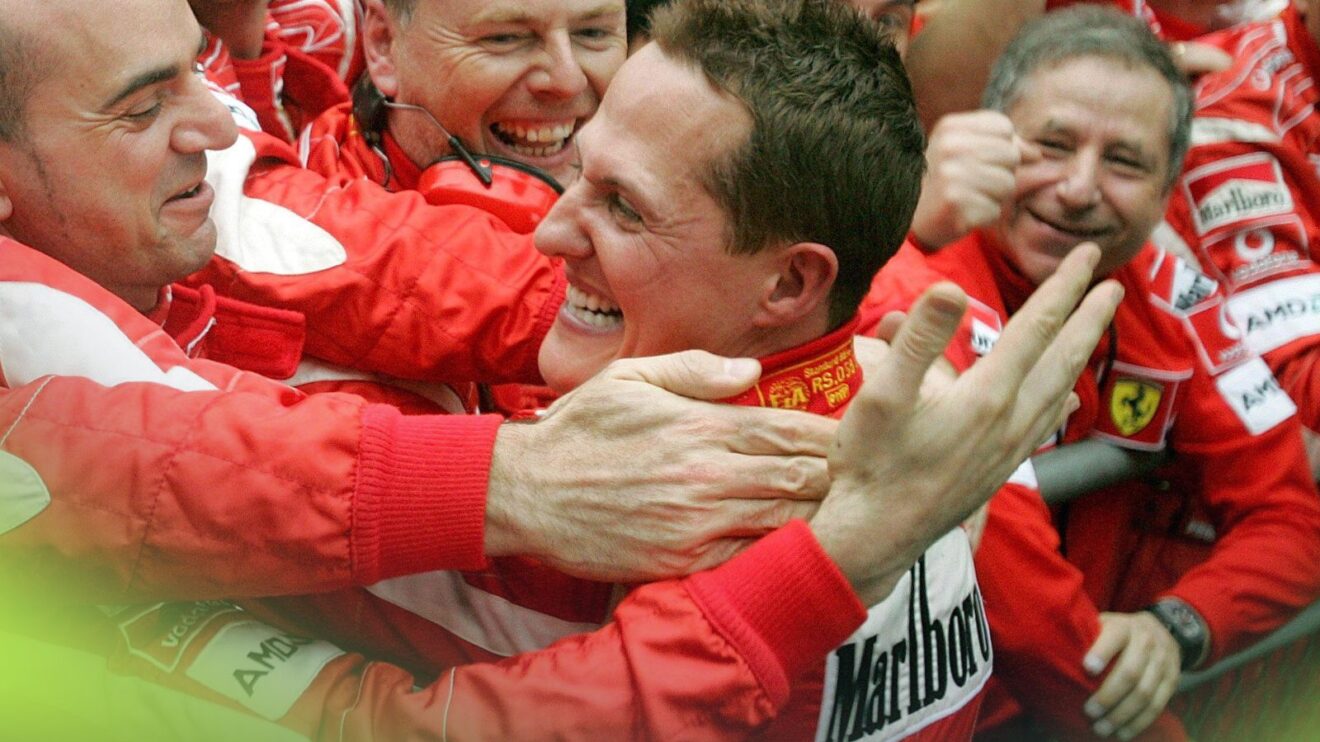
Red Bull's new Ford partnership began with a 2022 phone call and endured early 2026 reliability critiques. Yet the lap time deltas from Sunday reveal steady progress rather than revolution. Verstappen's race pace held within 0.3 seconds of the leaders across the middle stint, a margin that timing data shows matches the consistency Schumacher delivered in his near flawless 2004 campaign at Ferrari.
- Verstappen delivered the first top three finish for the works power unit.
- Hadjar slotted into fifth, the first time a second Red Bull driver reached the top five since Perez in Miami 2024.
- Double points erased two years of single driver dependency on the timing screens.
These figures cut through speculation about Verstappen's future. They show a team learning to let telemetry serve rather than smother the driver.
Where Modern Analytics Risk Turning Drivers Into Telemetry Passengers
The 2026 regulations have accelerated the sport's hyper focus on real time data. Every pit window now arrives pre calculated by algorithms that treat lap time drop offs as mere variables instead of emotional archaeology. Verstappen's podium proves Ford and Red Bull still allow space for feel.
"A landmark moment," Rushbrook called it, crediting the remarkable effort behind the power unit push.
Contrast that restraint with teams already scripting every decision down to brake bias changes based on predicted heart rate spikes. Within five years this path leads to robotized racing where intuition gets suppressed in favor of sterile predictability. Schumacher in 2004 never needed an overlay telling him when to push. His consistency emerged from the cockpit, not the cloud. Red Bull's current sheets suggest they remember that lesson while others forget.
Pressure Mapped Against Personal Variables
Lap time degradation curves from the final ten laps correlate with the weight of expectation after a difficult season start. Verstappen's splits stayed flat where others faded. That pattern echoes the data signatures from drivers who compartmentalize external noise rather than let it bleed into sector three. Ford's unit, still maturing, benefited from a driver who treats the power delivery as an extension of throttle feel instead of a graph to obey.
The result buys breathing room for further development. Yet the larger warning remains. When every strategy call shifts from the pit wall to an app, the sport loses the human variable that once produced seasons like Schumacher's 2004 masterclass.
The Road Ahead Carries Both Promise and Sterility Warnings
Rushbrook spoke of excitement for the rest of the season after this milestone. The data supports measured optimism. Red Bull now holds evidence that their power unit can sustain race distance without catastrophic reliability flags.
Consistency will decide whether this podium becomes the start of a genuine challenge or another data point in a season defined by over analysis. Teams that continue privileging driver input over endless telemetry loops will pull ahead. Those that do not will watch their cars become predictable extensions of spreadsheets rather than visceral machines.
The timing sheets from Canada already hint at which direction Red Bull chose.
Join the inner circle
Get the deep dives and technical analysis from the world of F1 delivered to your inbox twice a week.
Zero spam. Only high-octane analysis. Unsubscribe anytime.
Continue Reading
View More News