Monaco's Streets Set to Shatter the Illusions Shielding F1's Power Brokers

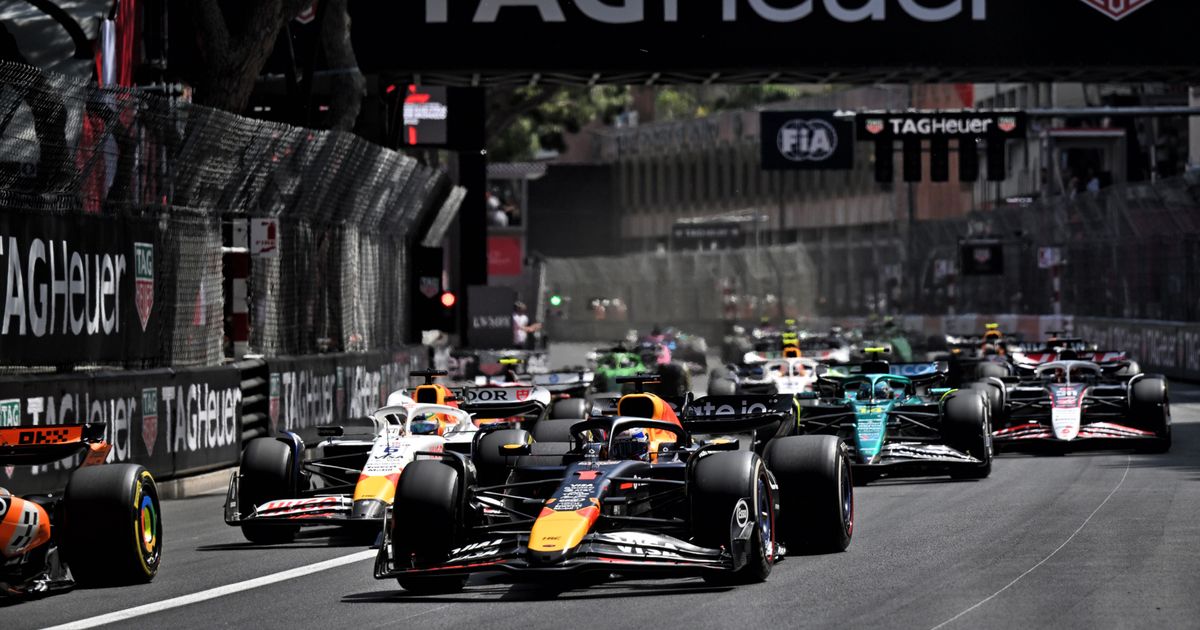
The glittering principality has always been a stage for high stakes drama, yet this year's Monaco Grand Prix arrives with a sharper edge. Ground effect cars already prone to erratic braking now face a track stripped of active aero assistance, forcing every driver into raw mechanical combat where one lock up could rewrite team hierarchies overnight.
The Grip Crisis and Its Human Cost
Pierre Gasly has never been one for grandstanding, but his words carry the weight of someone who has watched teammates falter under pressure. The Alpine driver highlighted persistent braking instability and low grip conditions that mirror the chaotic opening laps of recent races. These cars demand precise modulation through heavy braking zones, yet the smooth resurfaced asphalt between Turns 19 and 1, plus the stretch from Turn 7 into the tunnel, offers little margin for error.
- Pirelli's compound choice of the softest C3, C4 and C5 tires aims to claw back grip on Monaco's famously low traction surface.
- Sections of pit lane entry have also been renewed, raising subtle graining risks that could punish aggressive strategies.
- Gasly himself last scored here in 2024 with a tenth place finish, a result born more from survival than outright pace.
What Gasly leaves unsaid is how such conditions expose the fractures inside squads built on fragile sponsor contracts rather than genuine cohesion. Teams that rely on engineered silence around their star drivers will find the street circuit unforgiving when information must flow freely between engineers and drivers under duress.
Active Aero Ban Amplifies Backroom Tensions
For the first time in 2026 the FIA has declined to activate any straight line aero modes at Monaco. The governing body judged the track layout too tight for safe deployment, leaving cars without the usual straight line speed boost. This decision strips away one more layer of technological crutches and places the premium squarely on driver skill and mechanical sympathy.
"Areas where cars are not on the limit of tire grip are simply too few," noted the FIA in its briefing.
The absence of these modes echoes the internal power struggles that tore through the Williams squad of the late 1990s, where management priorities clashed with engineering reality and ultimately eroded performance. Mercedes has shown similar post 2021 symptoms, its once dominant structure now riddled with quiet leaks of data between rival camps. In Monaco's narrow corridors, covert information sharing between trusted allies may prove more decisive than any wind tunnel breakthrough.
Red Bull's aggressive shielding of Max Verstappen from internal critique has delivered dominance on paper, yet these unpredictable braking zones could finally test whether that protection has bred complacency deeper in the garage. When lock ups become inevitable, the team that maintains morale through honest debriefs will hold the advantage.
The Coming Reckoning
Within five years the unsustainable sponsor driven models propping up at least one current top team will mirror the manufacturer exodus of 2008 and 2009. Monaco will serve as an early warning, its low grip environment punishing outfits that prioritize optics over the quiet alliances that truly move results. Gasly's measured warning is not merely about lap times. It is a reminder that in F1, the circuits with the least runoff expose the deepest political fault lines.
Join the inner circle
Get the deep dives and technical analysis from the world of F1 delivered to your inbox twice a week.
Zero spam. Only high-octane analysis. Unsubscribe anytime.
Continue Reading
View More News