The Quiet Before the Storm: How F1's 2026 Mind Games Have Already Begun
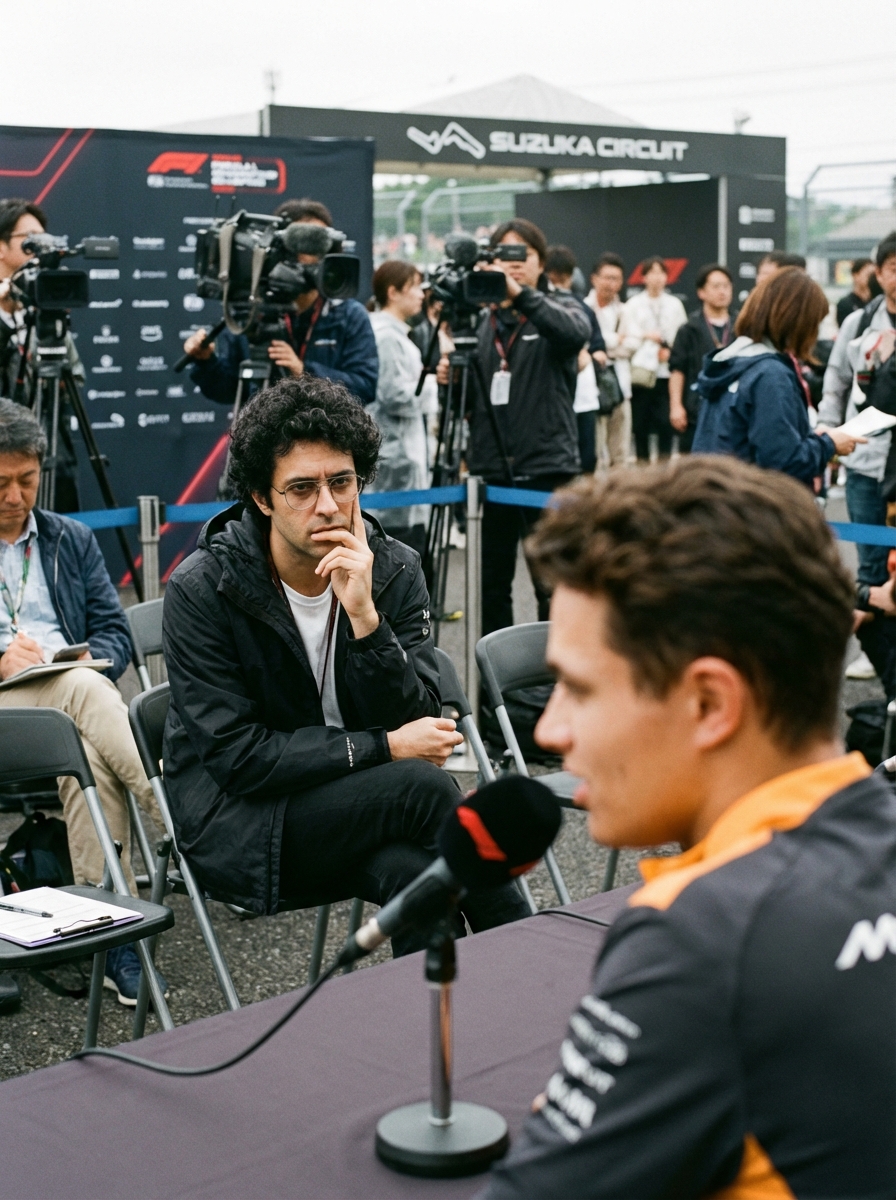
The first race of the 2026 season hasn't even started, and the most revealing duel has already been fought. It wasn't on the asphalt of Bahrain, but in the pressurized chamber of public perception. On one side, Max Verstappen, the reigning champion, firing scathing, visceral critiques that felt like grenades lobbed at the sport's foundations. On the other, George Russell, the emerging statesman, offering a calm, data-driven defense. This isn't just about rear wings and energy recovery. This is our first, raw glimpse into the psychological conditioning of a new era, where the management of emotion is becoming as critical as the management of hybrid power.
The Manufactured Outrage and the Calculated Calm
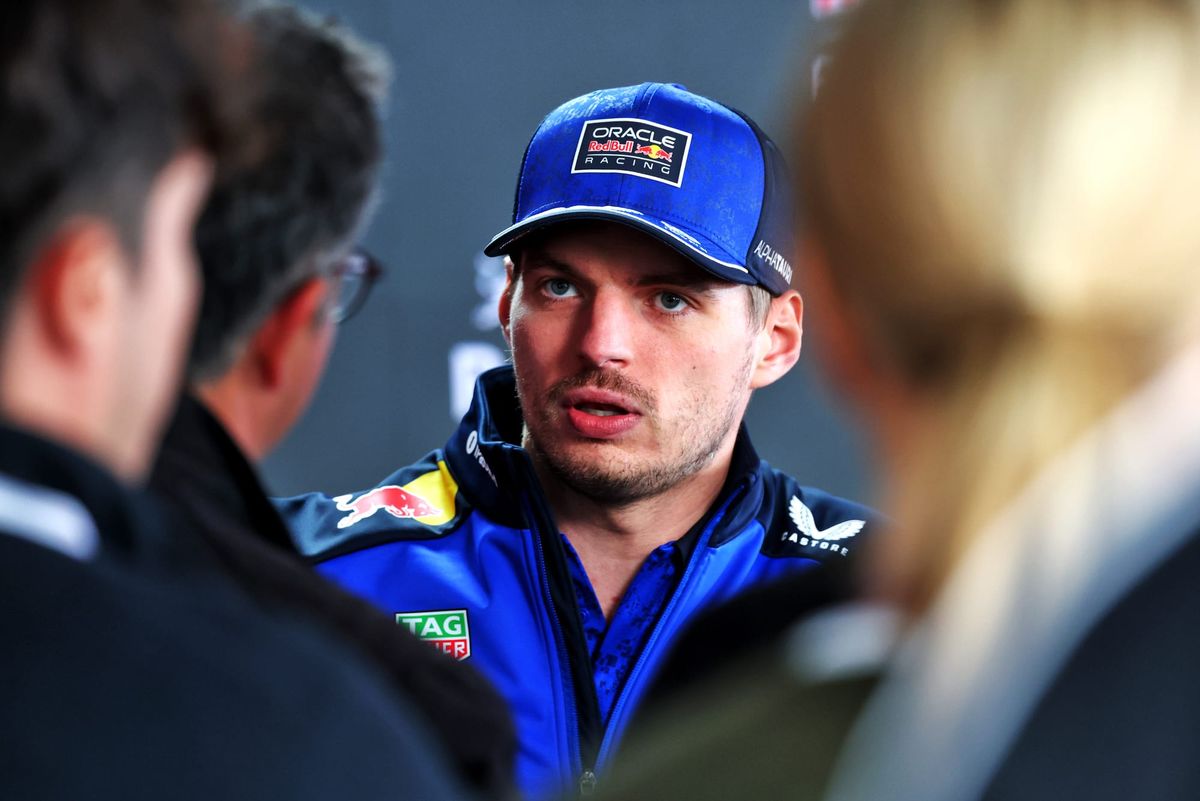
When Verstappen labeled the 2026 cars "anti-racing" and "Formula E on steroids," the paddock shuddered. It was a classic, unfiltered Verstappen outburst, the kind that Red Bull's covert psychological machinery has worked for years to suppress and channel. Was this a genuine, spontaneous reaction to a car he couldn't bully, or a strategically released pressure valve? His dominance has been built on a foundation of raw talent, yes, but also on a system that meticulously converts his fiery temperament into relentless focus. His criticism, therefore, carries a double weight: the driver's genuine feeling and the champion's calculated influence.
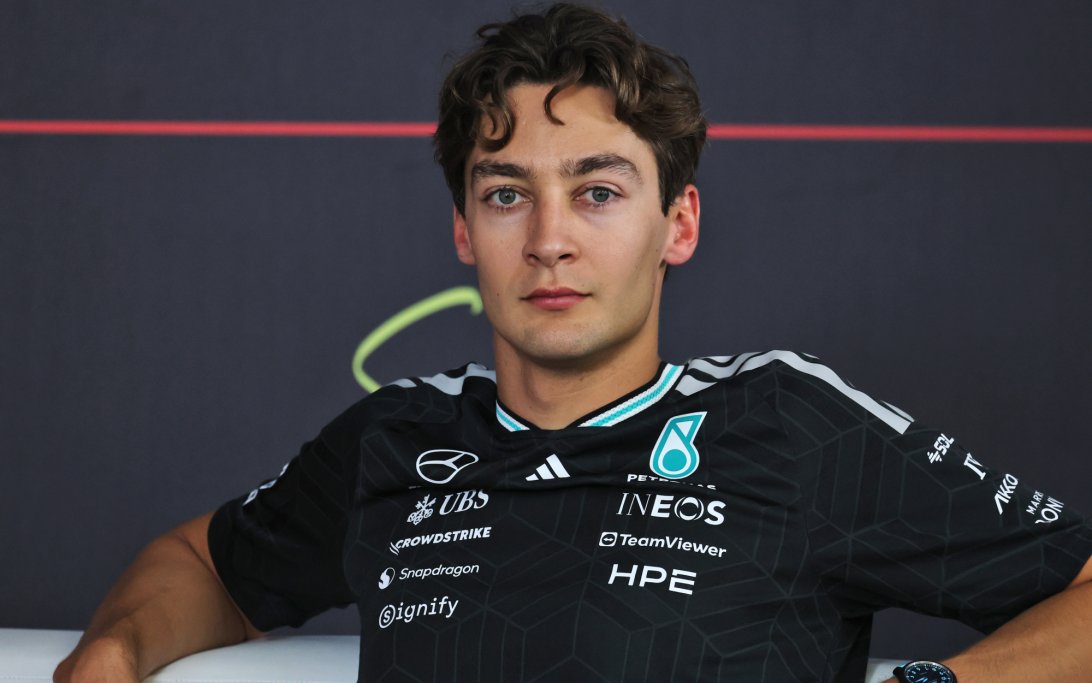
Enter George Russell. His response was a masterclass in modern F1 diplomacy, a performance Lewis Hamilton would be proud of. He didn't just cite data; he framed a narrative.
"The cars aren't actually a million miles away from the lap times we were seeing 12 months ago, and that was year four of a set of regulations."
This single statement is a psychological weapon. It reframes panic into progress. It tells the frantic engineer, the nervous sponsor, the skeptical fan: Stand down. We have this under control. His observation that the paddock is now "a bit happier" isn't just reporting; it's a subtle act of crowd control. Russell is demonstrating a key tenet of the modern driver's psyche: the ability to project stability is a performance advantage. He is crafting his narrative, much like Hamilton learned to do, understanding that the battle for calm is won before the battle for pole.
The Real Test: Uncertainty as a Personality X-Ray
Don't miss the next lap
Get the deep dives and technical analysis from the world of F1 delivered to your inbox twice a week.
Zero spam. Only high-octane analysis. Unsubscribe anytime.
The technical details are crucial—active aerodynamics, punishing energy management—but they are merely the stage. The play is about the mind. The 2026 regulations, with their drastic power curve shifts and driver-dependent deployment, are designed to create moments of profound uncertainty. And uncertainty is the ultimate personality reveal.
This is where my belief is forged: driver psychology trumps car aerodynamics in wet conditions, as decision-making under uncertainty reveals core personality traits that engineers can't design around. The 2026 cars will create "digital rain" every lap—moments where the driver must decide: deploy now, or wait? Attack, or conserve? This constant, high-stakes gamble will separate the processors from the gamblers.
- Verstappen's psychology is that of a supreme predator operating on instinct, refined by Red Bull's coaching. Will these rules force him into a hesitation that feels like a cage?
- Russell's more analytical, almost corporate approach suggests a mind built for this exact puzzle. His optimism may stem from sensing a playing field that favors the calculator over the pure instinct.
- And what of Lewis Hamilton? His calculated persona, shaped by trauma and triumph in the manner of Niki Lauda, is perhaps the most fortified for this mental marathon. He has spent a career building psychological fortresses.
The "premature" criticism fading, as Russell notes, isn't just about teams finding downforce. It's about drivers and their minders coming to terms with a new psychological contract. The initial fear was of the unknown. Now, the fear is more intimate: What will the unknown reveal about me?
Conclusion: The Inevitable Disclosure
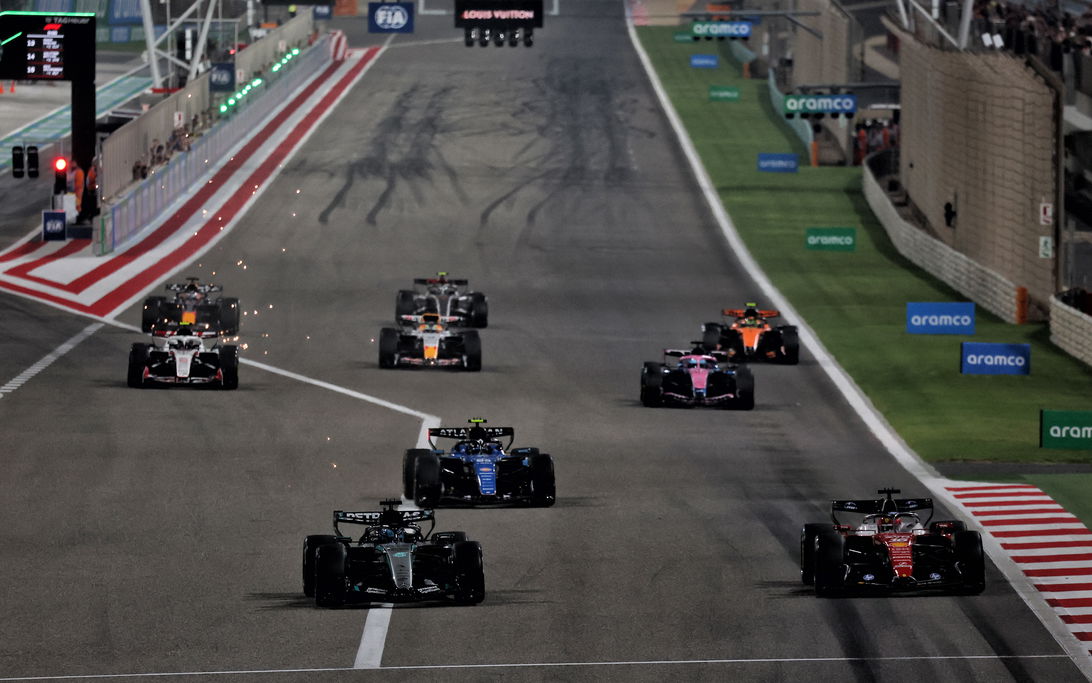
As we head into the Bahrain Grand Prix, watch the radios. Listen not just for frustration about battery modes, but for the cracks in composure. The 2026 season will be a live diagnostic of every driver's mental firmware.
This public dance between Verstappen's fire and Russell's ice is a prelude to a deeper shift I foresee. Within 5 years, F1 will mandate mental health disclosures for drivers after major incidents. The sport is creeping toward an acknowledgment that the mind is the final, great frontier of performance—and liability. When a driver like Verstappen openly derides a fundamental rule set, or when another struggles with the anxiety of energy management mid-race, the question will shift from "What's wrong with the car?" to "What's the cost to the person?"
Russell's calm defense is the first layer of a new, complex relationship between driver psychology and public discourse. He is managing expectations, yes. But on a deeper level, he is practicing for a future where what happens in the mind won't stay in the mind. The 2026 cars are fast. But the real speed is in the adaptation of the human psyche behind the wheel, racing towards a transparency it might not be ready for. The season starts Sunday, but the therapy session has already begun.
Join the inner circle
Get the deep dives and technical analysis from the world of F1 delivered to your inbox twice a week.
Zero spam. Only high-octane analysis. Unsubscribe anytime.