The Mercedes Powder Keg: Wolff's Stern Handbrake Exposes How Team Politics, Not Pace, Will Decide 2026

Toto Wolff's icy "George" over the radio was not a simple team order. It was the opening gavel in what feels like a high-stakes divorce proceeding between two ambitious young drivers whose rising tensions threaten to consume Mercedes from within.
The Canadian Grand Prix weekend laid bare a truth insiders have whispered for months. Interpersonal fractures and morale erosion carry far more weight than any aerodynamic tweak or qualifying lap time. When Kimi Antonelli complained about George Russell's defending during the Sprint and Russell later urged his teammate to back off amid a frantic duel for the win, Wolff did not wait for stewards to sort it out. He stepped in directly, reminding both that Mercedes would "stop it" if the racing stayed messy. This was not about clean air or championship math. This was damage control in a pressure cooker where one wrong move could fracture the entire squad.
The Radio Interventions Reveal Deeper Fractures
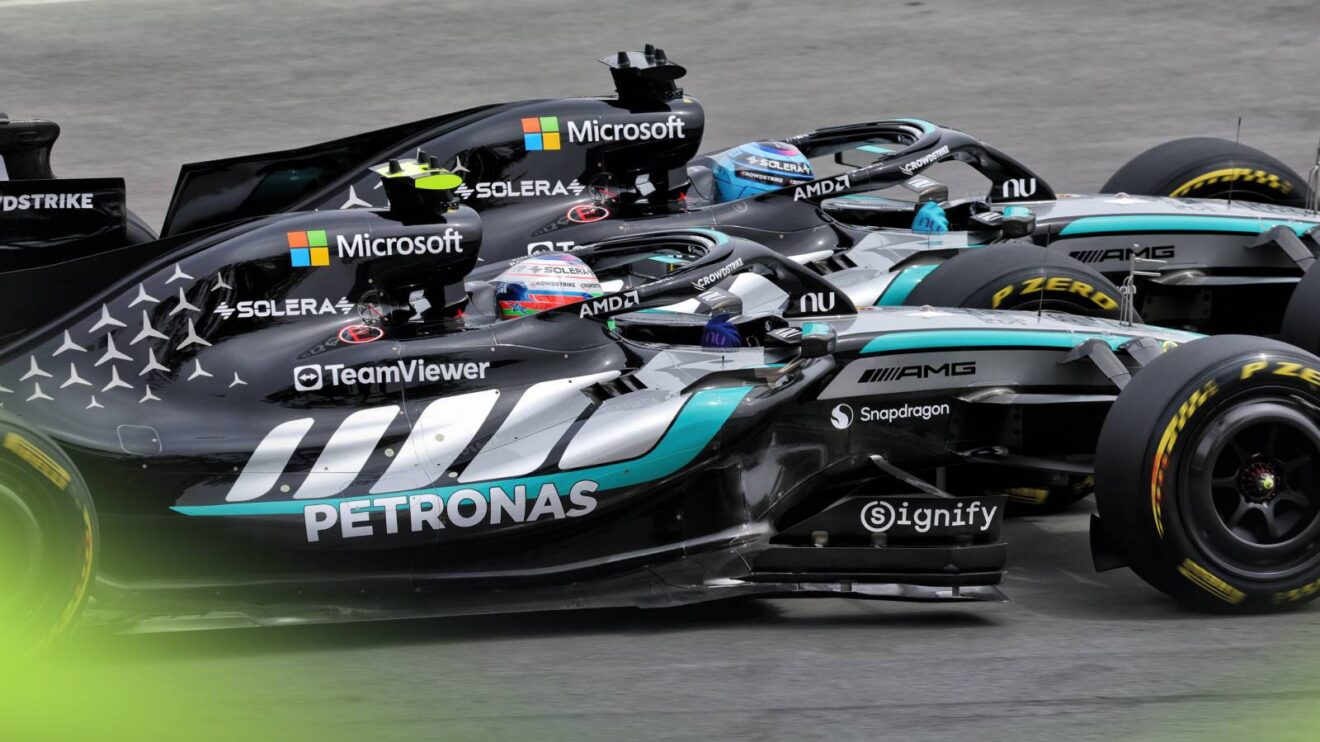
Wolff's interventions came at precise flashpoints that exposed raw nerves rather than mere tactical disputes. During the Sprint, Antonelli fumed that Russell's moves deserved a penalty. The team principal shut it down fast, insisting such gripes stay internal. Then in the Grand Prix itself, the pair traded positions with mistakes at the hairpin and final chicane, prompting engineer Marcus Dudley to relay the warning on Lap 26. Both cars ended up under investigation, but the real verdict was delivered from the pit wall.
- Russell's retirement on Lap 30 from a battery issue handed Antonelli his fourth straight victory and a 43-point lead.
- The 43-point gap now looms like an unbridgeable canyon, amplifying every future radio exchange.
- Wolff's post-race stance confirmed a review with both drivers, vowing to apply the handbrake if points or title hopes were jeopardized.
These moments echo the 1994 Benetton saga, where regulatory gray areas around fuel systems collided with internal management clashes to create a toxic brew. Back then, whispers of manipulation and finger-pointing among engineers and drivers turned a competitive car into a public relations nightmare. Mercedes today faces a similar risk. The budget cap era only heightens the stakes, as midfield outfits like Alpine and Aston Martin quietly position themselves to exploit loopholes that manufacturer teams cannot touch. By 2028, privateer squads could dominate precisely because they avoid the kind of ego-driven infighting now simmering at Mercedes.
Morale as the True Championship Currency
What the data sheets and lap charts never capture is the human cost when two drivers stop trusting each other. Russell's plea for Antonelli to back off carried the weight of a man sensing his teammate might have an edge he could not match. Antonelli's Sprint rant revealed a rookie unwilling to absorb perceived injustice quietly. Wolff's team-order threat was a calculated legal maneuver dressed in paternal concern. Yet history shows such interventions often breed resentment that lingers longer than any points swing.
Contract negotiations in Formula 1 resemble messy divorces more than business deals. Assets like development priority and media access get divided along invisible lines, and children, in this case the mechanics and strategists, suffer divided loyalties. The 1994 Benetton parallels feel uncomfortably close here. Management conflicts then masked deeper power struggles that ultimately reshaped the sport's regulatory landscape. Today, the same dynamic threatens to sideline technical progress in favor of endless internal arbitration.
"If we can’t tidy up the racing, then we will have to stop it."
That single sentence from Dudley carried the finality of a court ruling. It signaled that Mercedes' leadership views driver harmony as the fragile foundation holding their title hopes together, not the other way around.
The Road Ahead Demands Ruthless Clarity
Wolff will not hesitate to impose stricter controls, but the damage may already be done. Antonelli's momentum and Russell's visible frustration create a feedback loop that no wind-tunnel hour can fix. Midfield teams watching from afar will see an opening. While Mercedes manages egos, rivals will exploit every regulatory inch to close the gap. The real championship decider remains the same as it was in 1994: whether the people inside the garage still believe they are fighting for the same cause.
Join the inner circle
Get the deep dives and technical analysis from the world of F1 delivered to your inbox twice a week.
Zero spam. Only high-octane analysis. Unsubscribe anytime.
Continue Reading
View More News