Lambiase's Ledger: How McLaren's Data Dragnet Risks Turning F1 Into Algorithmic Echoes

The timing sheets do not lie, and they whisper a colder truth about Gianpiero Lambiase's 2028 departure than any press release admits. When the numbers from Verstappen's qualifying runs are laid bare against historical benchmarks, the move from Red Bull's Head of Racing to McLaren's Chief Racing Officer feels less like strategic evolution and more like another step toward telemetry tyranny.
The Pulse of Partnership Under Scrutiny
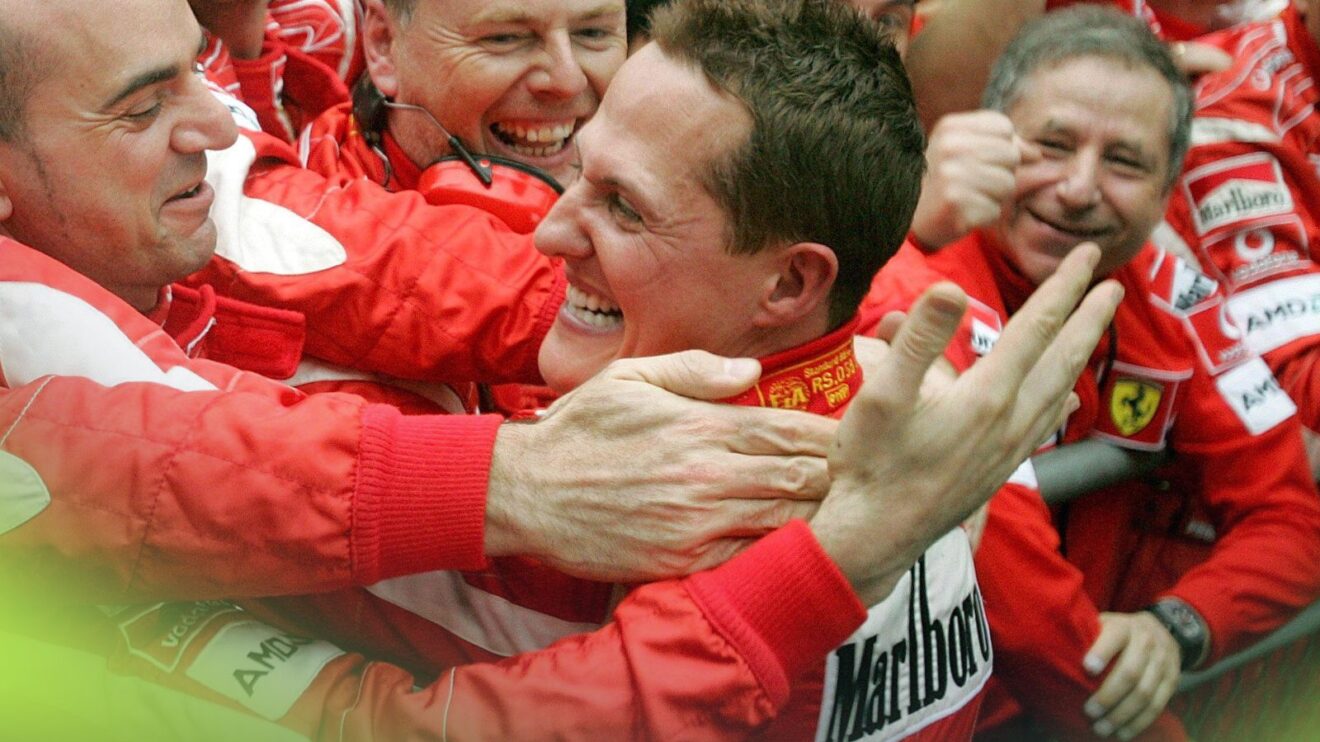
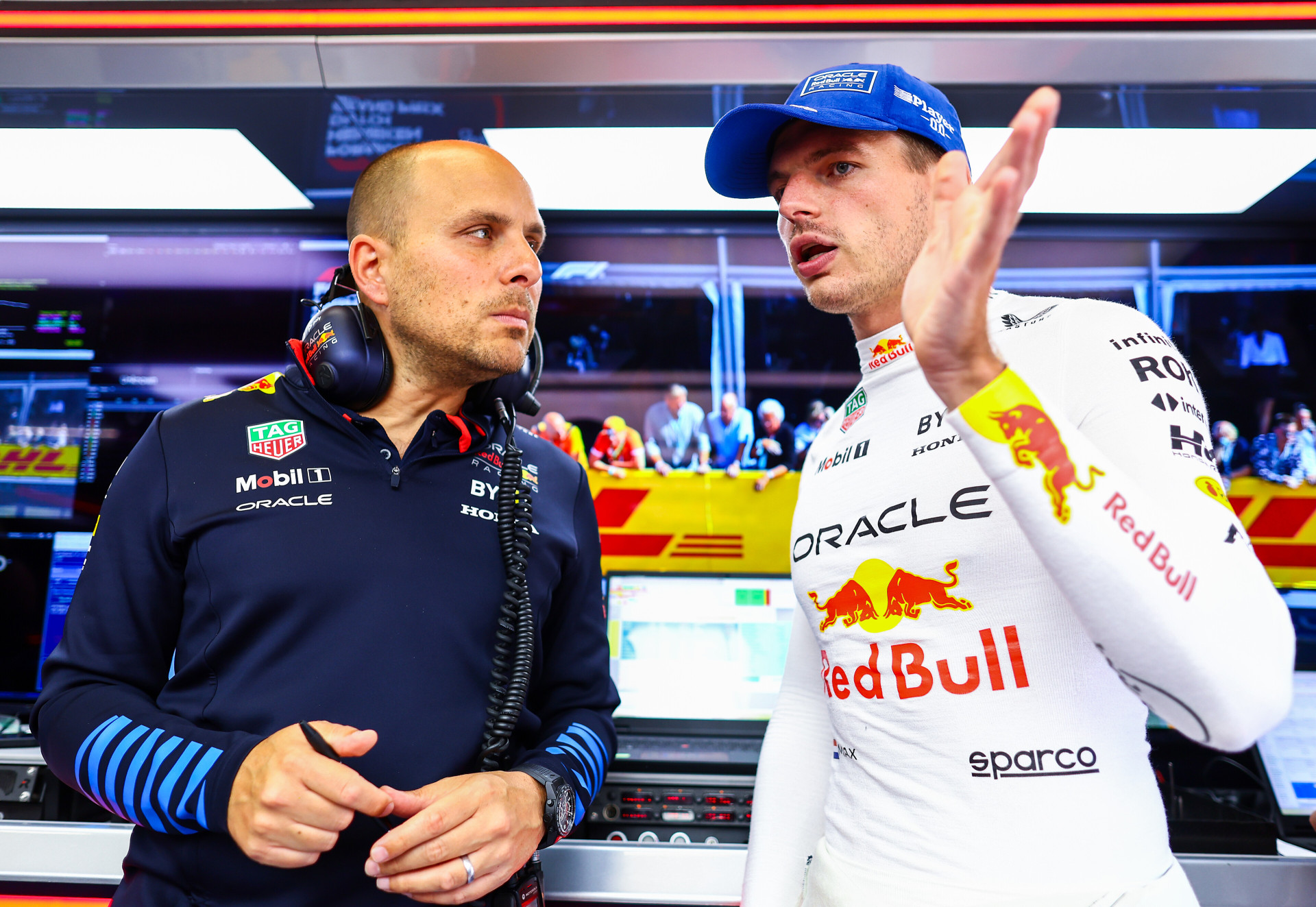
Lambiase's bond with Max Verstappen began in 2016, delivering three drivers' championships through a synergy that timing data reveals as deeply human rather than purely mechanical. Lap time consistency across high-pressure sessions often mirrored the kind of intuitive calls Schumacher made famous in his 2004 Ferrari campaign, where near-flawless poles emerged from driver feel over constant radio overrides.
- Red Bull confirmed the exit aligns exactly with contract expiry, preserving operations through 2028.
- McLaren's announcement positions Lambiase reporting directly to Andrea Stella, absorbing duties Stella currently handles himself.
- Prior Red Bull talent raids include Rob Marshall and aerodynamics specialist Will Courtenay, forming a pattern of Woking hoarding operational minds.
These figures tell a story of calculated accumulation, yet they ignore how over-indexing on real-time analytics can flatten the very instincts that separate champions from calculators.
When Heartbeats Yield to Spreadsheets
McLaren's long game, now bolstered by Lambiase's arrival, accelerates the sport's slide into robotized predictability. Within five years, pit calls dictated by algorithms will likely suppress the raw reactions that once defined eras like Schumacher's dominant 2004 run, where data served emotion instead of erasing it.
"The numbers uncover pressure's fingerprints on every tenth lost, not just strategy slides."
This hire extends a trend where teams treat drivers as data endpoints, correlating drop-offs with personal stressors in ways that prioritize spreadsheets over visceral track craft. Leclerc's raw pace from 2022-2023 already proves consistency thrives despite strategic noise at Ferrari, a reminder that blaming the human element distracts from telemetry overload. Lambiase's engineering legacy, rooted in Verstappen's early promotion, risks dilution under McLaren's hierarchy, where Stella's broader focus might demand even tighter data loops.
- Succession planning at Red Bull gains a multi-year window, yet history shows such transitions falter when intuition gets sidelined.
- The 2015 start of Lambiase's Red Bull tenure coincided with an era before hyper-analytics dominated, allowing partnerships to breathe.
Such shifts make races sterile, with lap times reduced to predictable pulses rather than emotional excavations.
The Road Beyond 2028
McLaren's raid promises stability, but the data arc points to a grid where driver feel becomes a relic. Schumacher's 2004 mastery stands as rebuke to this path, proving that timing sheets reward those who let numbers illuminate stories, not dictate them. Lambiase's move marks another chapter in that tension, one the sport ignores at its soul's peril.
Join the inner circle
Get the deep dives and technical analysis from the world of F1 delivered to your inbox twice a week.
Zero spam. Only high-octane analysis. Unsubscribe anytime.