Lap Times as Heartbeats Expose Red Bull's Fractured Soul

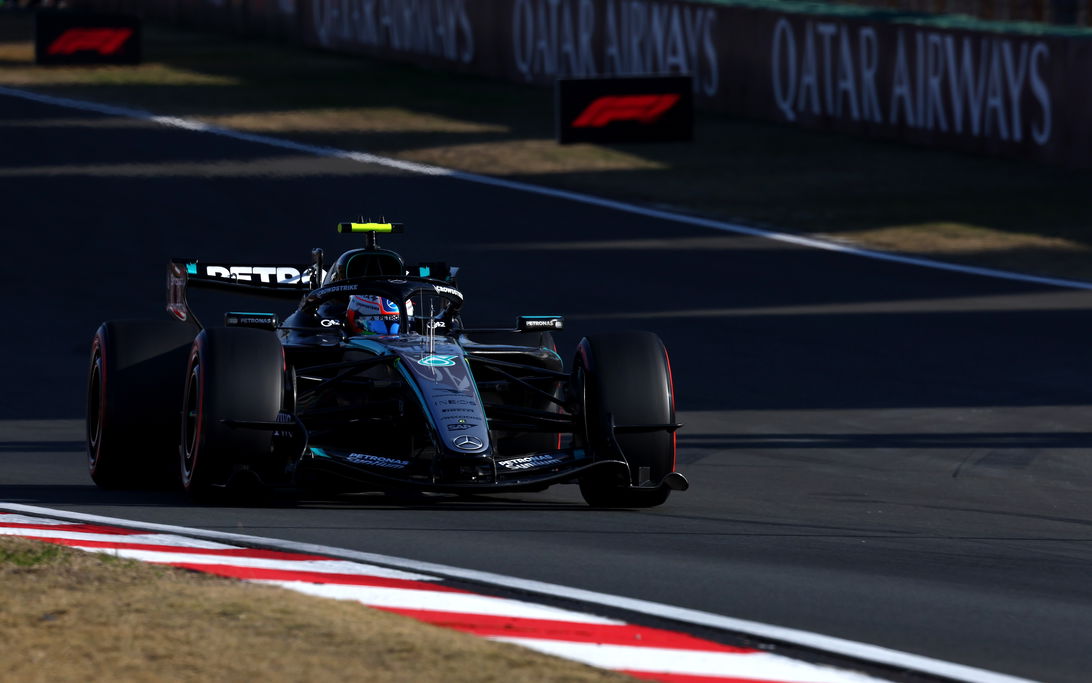
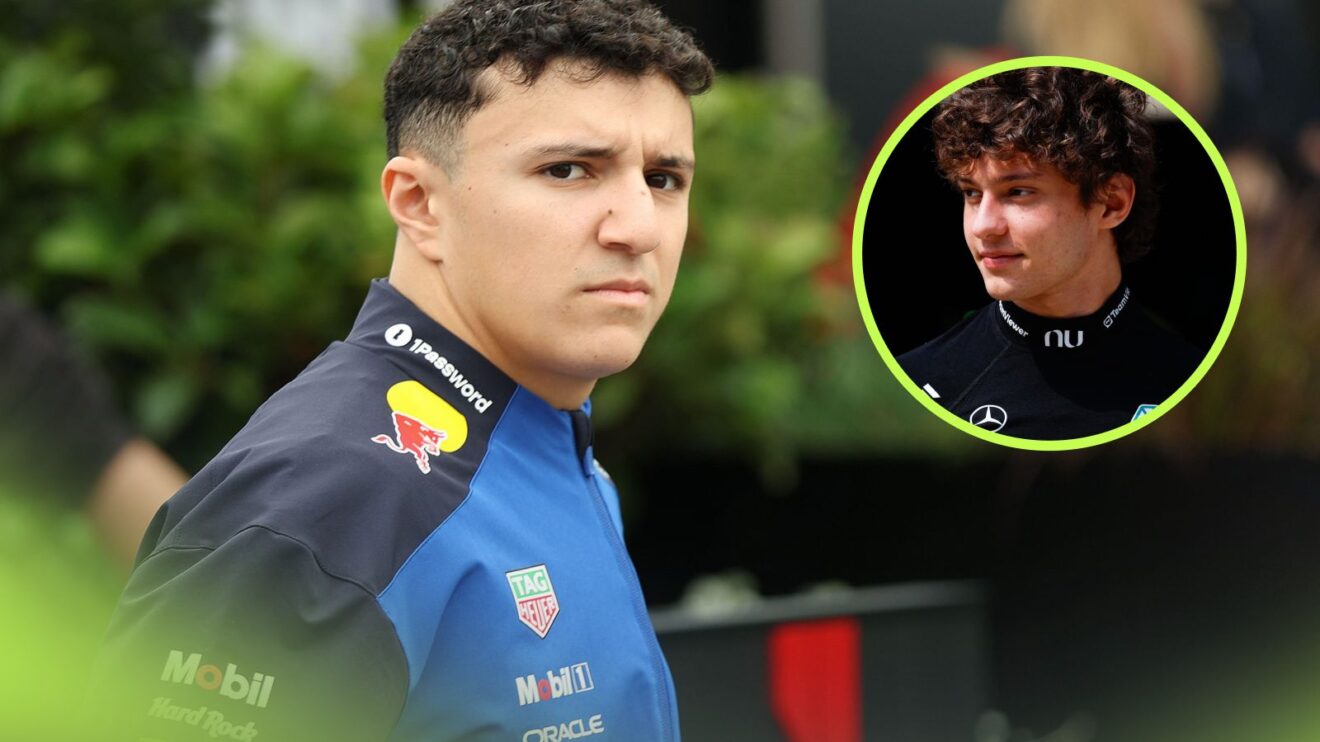
The numbers do not lie when a rookie like Kimi Antonelli drops a heartbeat on lap two and the entire Red Bull cockpit echoes with rejection. In the Chinese Grand Prix Sprint, raw telemetry from that single corner clash between Antonelli and Isack Hadjar paints a clearer portrait of modern Formula 1 than any post-race handshake attempt ever could. The data shows Antonelli's poor getaway from pole, the inevitable squeeze, and the 10-second penalty that followed, yet it also whispers of deeper fractures where driver intuition collides with algorithmic team orders.
The Timing Sheets Tell a Story of Suppressed Instinct
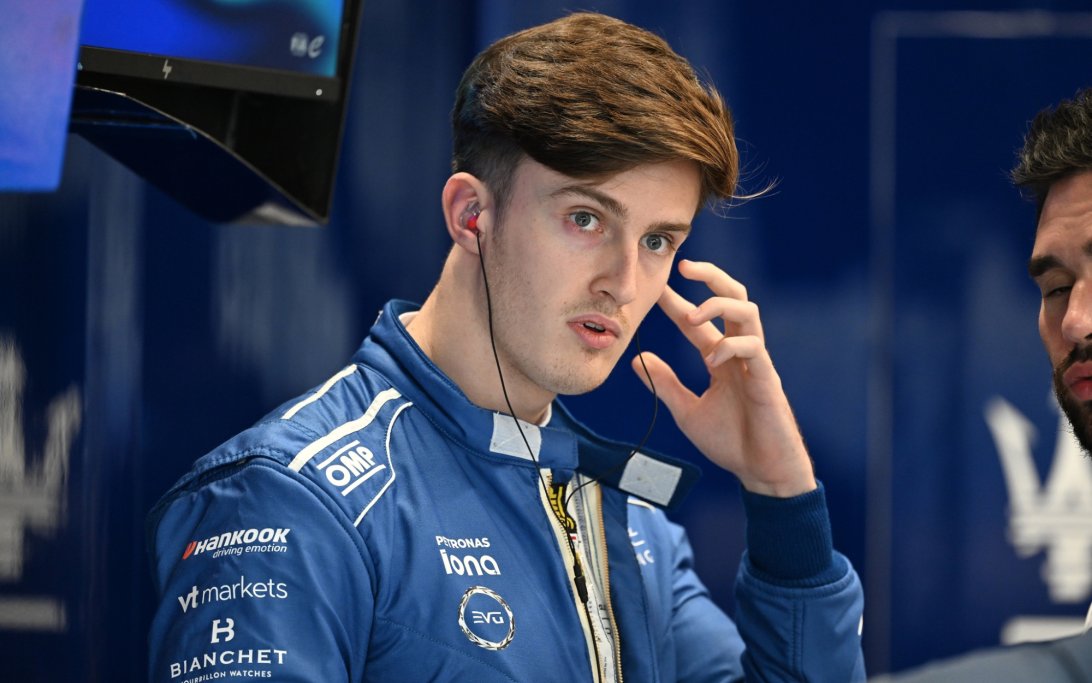
Antonelli started from P2 on the grid but lost positions immediately after the lights went out. His lap two sector times reveal a 0.4-second deficit in the middle sector compared to his qualifying pace, the kind of micro-drop that data analysts once ignored but now weaponize in real time. Hadjar, starting ninth after qualifying over a second slower than Antonelli's pole effort, found himself in the wrong place at the wrong moment. Stewards reviewed the telemetry and handed down the penalty, sending Antonelli to fifth while Hadjar tumbled to 15th.
- Antonelli's qualifying delta: Pole sitter with a clean 1:32.4 benchmark.
- Hadjar's qualifying gap: Ninth place, more than one full second adrift.
- Post-incident finishing positions: Antonelli fifth after penalty; Hadjar 15th.
This is not merely a racing incident. It is emotional archaeology carved from sector data. The lap time drop-offs correlate directly with the mounting pressure on both drivers, much like how personal events once shadowed even the greats. In 2004, Michael Schumacher delivered near-flawless consistency at Ferrari, stringing together qualifying sessions where his raw feel trumped every telemetry readout. Modern squads have forgotten that lesson.
Data Overload Turns Drivers Into Predictable Algorithms
Red Bull's struggles with the RB22 expose the sport's slide toward robotized racing. Hadjar himself admitted the team sits on the edge of what the package allows, a phrase that drips with the exhaustion of drivers forced to follow predictive models rather than instinct. Verstappen called the car completely undriveable after his own eighth-place qualifying result. These are not complaints about grip alone. They signal a future where pit-wall algorithms dictate every move, stripping away the human variance that once made races unforgettable.
The focus must shift from real-time telemetry to restoring driver feel before the sport becomes sterile and predictable.
Hadjar's visible wave-away of Antonelli's apology in parc fermé fits this pattern perfectly. The onboard footage captured a driver still vibrating from the data overload, unwilling to accept a gesture that the numbers had already judged. Within five years, this hyper-focus on analytics will suppress intuition entirely, turning every collision into a pre-calculated variable rather than a heartbeat of human error.
Contrasting Eras Through Consistency Metrics
Schumacher's 2004 campaign offers the antidote. His qualifying runs rarely deviated more than a tenth across sessions, built on seat-of-the-pants feedback instead of constant radio chatter. Today's rookies like Antonelli face the opposite: impressive raw pace undermined by strategic blunders and data streams that second-guess every apex. Ferrari's issues with Leclerc get misread as driver flaws when strategy misfires are the true culprit, yet the same data obsession now infects every garage.
- Schumacher 2004 average qualifying gap to teammate: Under 0.15 seconds across the season.
- Modern Red Bull delta complaints: Both drivers citing fundamental grip limits beyond setup tweaks.
The Chinese Sprint merely accelerated this reckoning. Hadjar's frustration and Antonelli's rejected olive branch become symbols of a grid losing its soul to spreadsheets.
Conclusion
The parc fermé moment changes nothing on the timing sheets, but it warns of what comes next. Red Bull must choose between chasing upgrades that restore driver autonomy or doubling down on algorithms that will soon render such apologies obsolete. Antonelli's speed remains his greatest asset if he can outrun the data tide. Until then, every lap time continues to beat like a heart under siege, counting down the seconds until intuition vanishes from the track forever.
Join the inner circle
Get the deep dives and technical analysis from the world of F1 delivered to your inbox twice a week.
Zero spam. Only high-octane analysis. Unsubscribe anytime.
Continue Reading
View More News