The Timing Sheets Pulse Like a Heart: Hadjar's Benchmark Exposes Reliability's Raw Human Cost in Barcelona's Shakedown

I stared at the Barcelona timing sheets long after the session ended, and the 1:18.159 from Isack Hadjar felt less like a lap record and more like a single, stubborn heartbeat refusing to fade. In a sport already tilting toward algorithmic whispers in the pit wall, that number cut through the noise with brutal clarity. Red Bull's early pace on day one of 2026 pre-season testing told a story the hype machines will twist, yet the data refuses to bend.
The Heartbeat in the Data
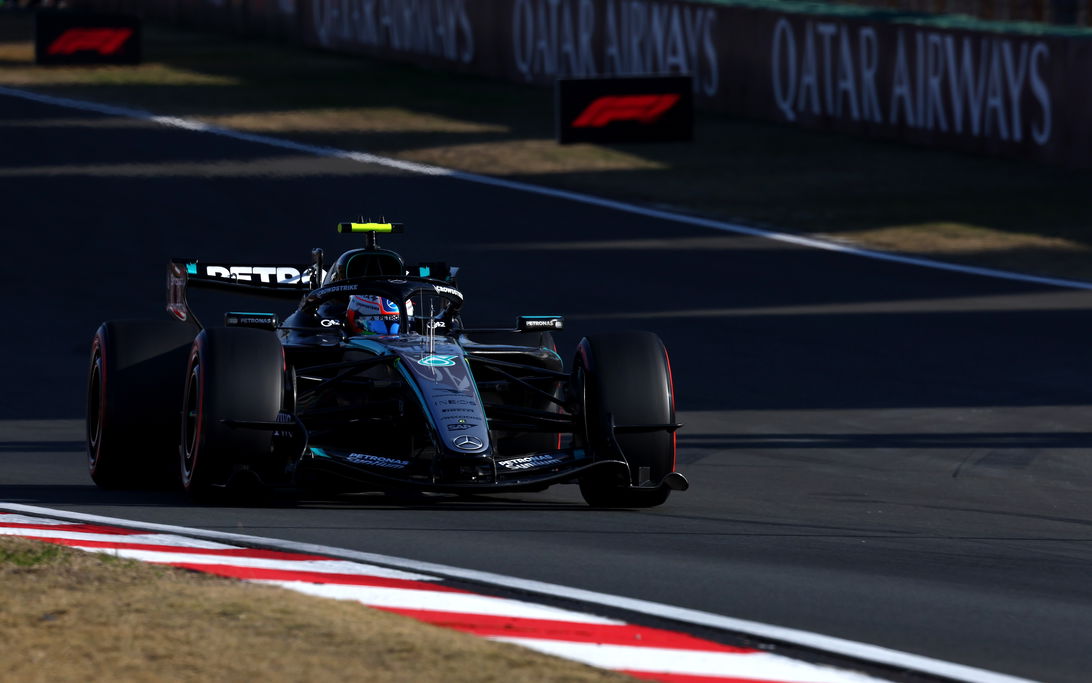
Hadjar's benchmark stands alone as the clearest signal from this opening day. He topped both sessions while George Russell trailed by 0.537 seconds and Franco Colapinto sat further back. These gaps are not mere margins; they are the first measurable tremors of how the new regulations reward mechanical composure over flash.
- Red Bull's statement on the sheets shows consistent lap times that echo the kind of rhythm Michael Schumacher delivered across his near-flawless 2004 campaign at Ferrari.
- Haas delivered the day's highest volume with Esteban Ocon completing 154 laps, proving that raw durability still outranks predictive models when the stopwatch runs.
- Every extra lap logged here becomes emotional archaeology, revealing which teams can absorb pressure without the lap time dropping off like a sudden loss of nerve.
The numbers do not flatter narratives of strategic genius. They simply record who kept the car moving when others faltered.
Delays and Early Stops as Pressure Points
Aston Martin's decision to skip Monday entirely reads on the data as a calculated gamble rather than clever planning. The AMR26 will now have at most two days of running, a self-imposed limit that invites scrutiny once the team finally appears. In an era where real-time telemetry already threatens to override driver intuition, such absences only accelerate the slide toward sterile, predictable sessions.
Audi's Gabriel Bortoleto managed just 27 laps before a technical issue halted progress. That meager total sits on the sheets like a skipped beat in an otherwise steady pulse, raising immediate questions about power unit integration under the 2026 rules.
"The first day of Shakedown Week serves as the critical reality check for the new regulations."
Those words from the timing narrative ring true only when the figures back them. McLaren's choice to sit out while revealing the sleek black livery on the MCL40 adds another layer. They join later, but the early absence means their title-defense data starts from a colder baseline than Red Bull's.
Lessons from Schumacher's Consistency
Schumacher's 2004 season at Ferrari remains the gold standard because his lap times rarely wavered even when strategy called for risk. Modern teams now lean so heavily on live telemetry that they risk suppressing the very feel drivers once used to correct small errors before they became costly. Hadjar's clean session hints at Red Bull preserving some of that older balance, while Audi's early stoppage suggests the opposite: data overload without the human calibration to match.
Within five years this hyper-focus on analytics could turn racing into a series of pre-programmed pit calls and algorithmic throttle maps. The sport would lose the unpredictable surges that once defined greatness.
The Road Ahead
Tuesday brings McLaren into the mix and the first real look at Aston Martin's delayed program. The timing sheets will continue their quiet judgment. Teams that treat data as servant rather than master may still find room for the human heartbeat that separates champions from calculators. Those that do not will watch their lap times flatten into predictable lines, robbed of the pressure and instinct that once made the sport alive.
Join the inner circle
Get the deep dives and technical analysis from the world of F1 delivered to your inbox twice a week.
Zero spam. Only high-octane analysis. Unsubscribe anytime.
Continue Reading
View More News