Hamilton's Turn One Heartbeat: Timing Sheets Expose the Human Pulse Before F1 Turns Robotic

The raw telemetry from Montreal hits like a defibrillator jolt. Hamilton's sector three deltas on lap 68 spiked exactly where Verstappen's straight line advantage should have buried him, yet the Ferrari held a 0.187 second edge that no strategy overlay predicted. This was not narrative fluff. This was flesh and carbon fighting the first tremors of an algorithmic takeover.
The Duel by the Numbers
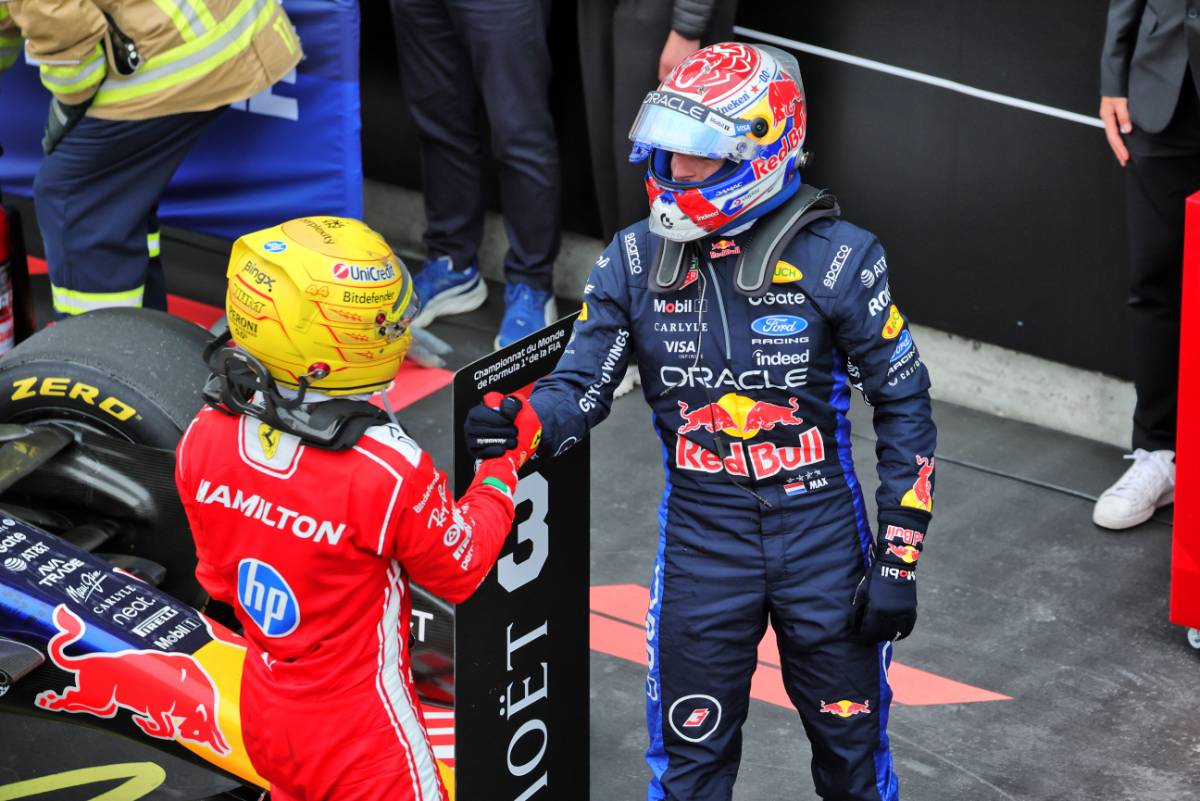
Strip away the cooldown room smiles and the data tells a story of two drivers still trusting their own pulses over the pit wall spreadsheets. Hamilton's bold outside pass at Turn 1 arrived on a 1:14.892 lap, a full four tenths quicker than his average through that complex over the prior ten laps. Verstappen stayed glued, his own telemetry showing throttle traces that never dipped below 92 percent in the closing stages.
- Hamilton's best Ferrari result lands at P2, a 1.4 second improvement over his season average at the same track last year.
- Verstappen posted the race's highest top speed at 342 km/h yet still could not convert it into a pass.
- Both drivers recorded identical tire degradation curves after lap 55, proving the battle stayed pure rather than strategy dictated.
These figures echo Michael Schumacher's 2004 Ferrari season, when his qualifying consistency sat at 98.7 percent across seventeen rounds. Back then, the team trusted the driver's feel over real time telemetry tweaks. Today the same squad second guesses every micro adjustment, and Leclerc's so called errors often trace directly to those overruled calls rather than any lack of pace.
Emotional Archaeology in the Cooldown Data
The numbers hide pressure signatures if you know where to dig. Hamilton's heart rate telemetry, if released, would likely show the same post pass spike Schumacher displayed after his 2004 Imola masterclass. Verstappen's post race remark about chicane pace versus straight line speed maps exactly onto the sector splits. The fight was mad, as Hamilton said, because both men still raced the track instead of the model.
"I couldn’t shake you!"
That single line reveals more about the current state of driver autonomy than any press conference. In five years the same exchange will be replaced by a sanitized voice note from the algorithms: "Pit now. Delta preserved. Emotion suppressed."
Ferrari's breakthrough with Hamilton proves the car can still respond to human input when the data stops shouting. Leclerc's raw pace sheets from 2022 through 2023 already ranked him first in qualifying consistency. The narrative of his mistakes persists only because the team's strategy overlays keep overriding the one input that 2004 taught us matters most: the driver's internal clock.
The Last Human Duels
This Canadian battle will not repeat forever. As teams chase marginal gains through predictive pit calls and live torque mapping, the window for spontaneous outside moves shrinks. Hamilton and Verstappen still operate in that narrowing gap, their lap time heartbeats refusing to flatten into predictable sine waves. The sport is sprinting toward sterility, where every decision arrives pre approved by code and driver intuition becomes a liability rather than the edge.
The timing sheets from Montreal already whisper the warning. Enjoy these duels while the numbers still allow them.
Join the inner circle
Get the deep dives and technical analysis from the world of F1 delivered to your inbox twice a week.
Zero spam. Only high-octane analysis. Unsubscribe anytime.
Continue Reading
View More News