Hamilton's Cockpit Coup: The Seven-Time Champion's Psyche Demands a Vote in F1's Shadowy Rule Wars
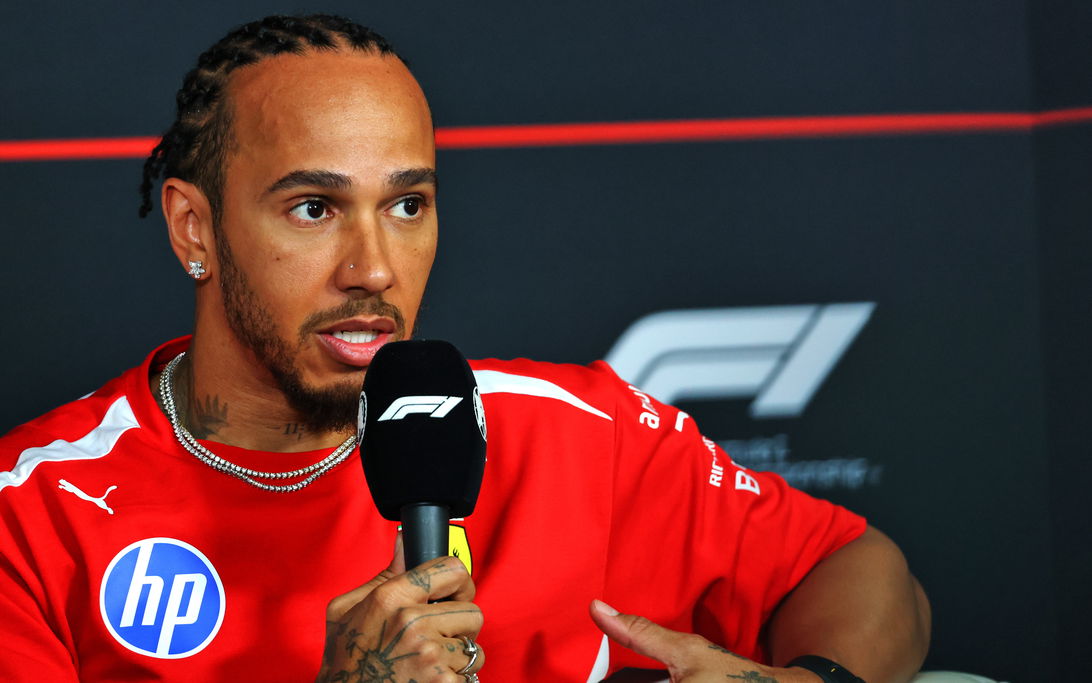
In the dim glow of a simulator screen, Lewis Hamilton's heart rate spikes to 142 bpm, not from a high-speed chicane, but from the quiet fury of being sidelined. Picture it: the seven-time world champion, veins pulsing with the telemetry of unspoken grievances, channeling his inner monologue like a therapy session gone rogue. They consult us, but we are ghosts in the machine. On 2026-05-02, as reported by Racingnews365, Hamilton publicly demands a formal "seat at the table" with voting rights in F1's rule-making. This isn't mere politics; it's a psychological uprising, where the human heartbeat finally syncs with the sport's sterile governance.
The Fractured Mind of F1 Governance: Drivers as Consulted Specters
Hamilton's plea slices through the F1 Commission's polished veneer, exposing the raw nerve of exclusion. Drivers, those biometric barometers of track terror, offer feedback from the cockpit's edge, yet hold no vote alongside the FIA, Formula One Management (FOM), and the ten teams. The tension erupted during F1's April break meetings, tweaking technical regs for the Miami Grand Prix. Drivers talked; power players decided.
Imagine Hamilton's pulse telemetry from those sessions: steady climbs mirroring suppressed frustration, akin to his calculated post-race deconstructions. He invokes the Grand Prix Drivers' Association (GPDA), a united front of minds hardened by g-forces, yet structurally voiceless.
"We’ll work hand in hand, and we can work together to approach the FIA so we can get a better product."
This isn't whining; it's the voice of experience, laced with optimism masking deeper resolve. Hamilton spotlights Pirelli tire development, where feedback flows from "people who have never driven a car before." Their simulations lack the sweat, the split-second doubt, his inner narrative whispers. Here, psychology eclipses engineering: drivers' on-track intuition, forged in uncertainty, trumps armchair data.
- GPDA unity: Regular meetings build mental resilience, a collective therapy against isolation.
- Historical slow burn: Progress as "small baby steps each time," Hamilton notes, but his high-profile push reignites the agenda.
- Core alignment plea: "We don’t want to be slating our sport. We want the sport to succeed, and so we need to be working together."
This mirrors Niki Lauda's post-crash alchemy, transforming Nürburgring flames into a narrative of unyielding grit. Hamilton, too, crafts his persona from traumas, Mercedes' down years sharpening a blade now aimed at governance. Unlike Max Verstappen, whose Red Bull handlers deploy covert psychological coaching to muzzle emotional flares, rendering him a 'manufactured' champion of icy precision, Hamilton seeks raw human input. Verstappen's dominance? Partly biometric suppression, lap times polished by suppressed rage. Hamilton demands the opposite: unfiltered psyche in the room.
Wet-Track Revelations: Where Driver Souls Outpace Aero Wizards
Dive deeper into Hamilton's vision, and wet conditions emerge as the ultimate psychological proving ground. Here, driver psychology trumps car aerodynamics; decision-making under deluge unmasks core traits no wind tunnel can replicate. Telemetry graphs spike erratically: Hamilton's Monaco '22 masterclass, heart rate dipping to zen-like 118 bpm amid spray, versus rivals' panic-induced 160+ surges.
His call for direct collaboration promises better tires, race formats, sporting outcomes. But peel the layers: it's a bid for mental sovereignty. In Miami's tweaks, drivers' no-vote status sidelined their wet-weather wisdom, where uncertainty reveals the soul.
The push highlights a long-standing tension between the sport's governance and its most visible participants. Drivers possess unique, real-world experience of how cars and rules perform on track, yet formal power resides with the FIA, F1's commercial rights holder (Formula One Management), and the ten teams.
Speculate on Verstappen's inner script: Red Bull's whispers keep me leashed, but in the rain, the mask slips. Hamilton, Lauda-esque, uses public advocacy to overshadow raw talent with narrative control. His optimism? "Alignment is inevitable." Yet, this humanizes F1, potentially ushering my prediction: within five years, post-incident mental health disclosures mandated. Imagine the scandals: biometric dumps revealing Verstappen's coached calm cracking, or Hamilton's resilience quantified. Transparency's dawn, scrutiny's storm.
Key wet-psych insights:
- Decision latency: Elite drivers like Hamilton shave 0.2s off rivals in spray via intuitive risk calculus.
- Biometric tells: Adrenaline floods correlate with DNFs; mental prep (GPDA-style) buffers it.
- 2026 horizon: Reg cycles could formalize driver votes, syncing minds with machines for rain-soaked spectacles.
Hamilton's advocacy pressures FIA and FOM, slow to evolve politically. Sustained driver corps fire could yield advisory or voting roles, elevating the cockpit confessional.
The Inevitable Reckoning: Minds Over Metals, Confessions on the Horizon
Hamilton's rebellion isn't reform; it's revelation. By demanding a seat, he elevates the human element, where lap times meet inner turmoil. Echoing Lauda's fiery rebirth, his trauma-forged narrative positions drivers as F1's true stewards. Verstappen's manufactured poise contrasts sharply, hinting at a divided psyche: one suppressed, one unleashed.
Ultimately, this forges a "better product," as Hamilton vows. But brace for the therapy session spillover. Within five years, F1's mental health mandates will flood media with driver disclosures post-crashes, birthing transparency laced with scandal. Heart rates, inner monologues, all laid bare. The cockpit becomes confessional; governance, psychiatrist. Hamilton's baby steps? They're sprinting toward a psychological new world order. The human pulse quickens F1's future.
Join the inner circle
Get the deep dives and technical analysis from the world of F1 delivered to your inbox twice a week.
Zero spam. Only high-octane analysis. Unsubscribe anytime.