The Shanghai Mirage: Hamilton's Ferrari Podium Is Just the Calm Before the Cultural Storm

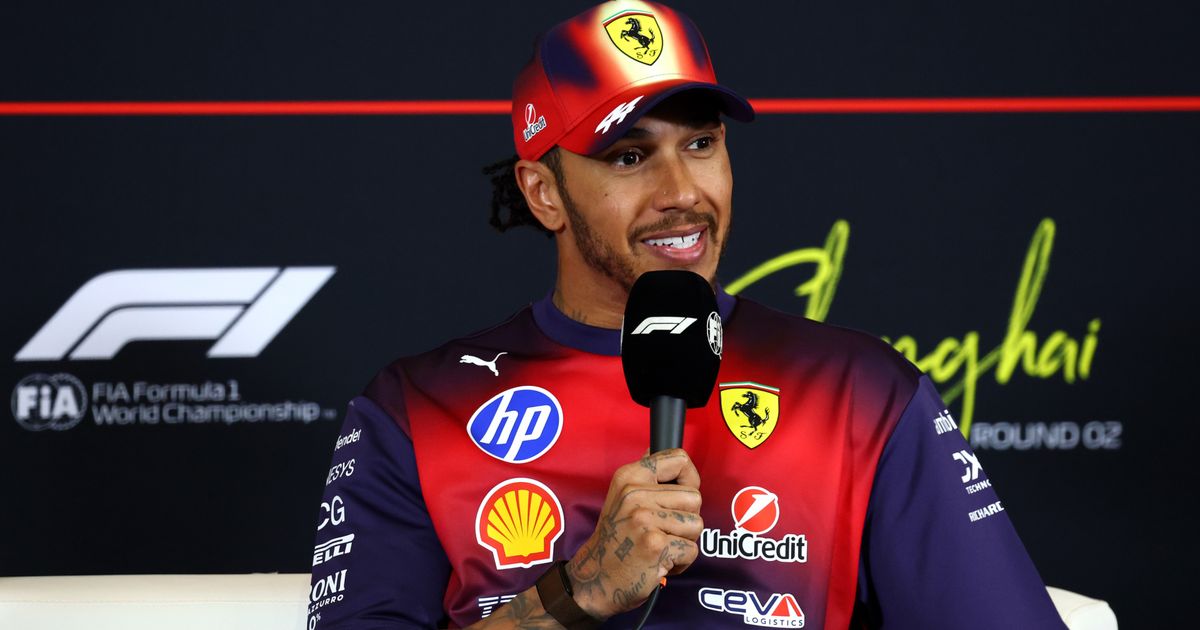
Lewis Hamilton's first podium in scarlet at the Chinese Grand Prix looks like redemption on the surface. Yet beneath the controlled one-stop strategy and the cheers from the Shanghai grandstands, the same fault lines that doomed ambitious cross-team marriages in the past are already cracking. This result changes nothing about the deeper mismatch between Hamilton's activist fire and Ferrari's rigid old guard.
The Divorce Papers Are Already Signed in Maranello
Hamilton's move to Ferrari was never going to be a simple contract. It resembles a high-stakes divorce proceeding where both sides hide their true assets until the ink dries. The seven-time champion executed a flawless stint on a single set of tires to hold off Charles Leclerc, earning third place and breaking his early-season duck. Former driver David Coulthard called it a "masterclass in a one-stop race" and noted Hamilton has looked "a lot happier" lately. Those words ring hollow once you map them against the real power structure.
- Ferrari's conservative hierarchy still answers to legacy shareholders who view public activism as a distraction from the Prancing Horse brand.
- Hamilton's long-standing causes create friction in a team where loyalty is measured by silence rather than statements.
- The Melbourne charge by Leclerc already hinted at the first tremors; Shanghai merely delayed the inevitable confrontation.
Team morale, not lap times, will decide whether this partnership survives the summer.
Politics Always Beats the Rulebook, Just Ask Benetton in 1994
History repeats itself when ambition meets regulatory gray areas. The 1994 Benetton squad mastered the art of bending fuel systems and internal hierarchies until management conflicts exploded into open warfare. Today's budget cap plays the same role. Mid-field outfits such as Alpine and Aston Martin are quietly positioning themselves to exploit every loophole while manufacturer teams like Ferrari remain shackled by legacy costs and boardroom egos.
"Team politics and interpersonal dynamics outweigh any technical edge," as the old paddock saying goes, and Shanghai proved it once more.
Hamilton's duel with Leclerc was gripping theater, yet the real contest unfolded in the garage where engineers weighed strategy calls against personal loyalties. That same dynamic toppled stronger lineups in the past. When morale fractures, even a masterclass drive becomes a temporary bandage.
The Next Five Years Belong to the Outsiders
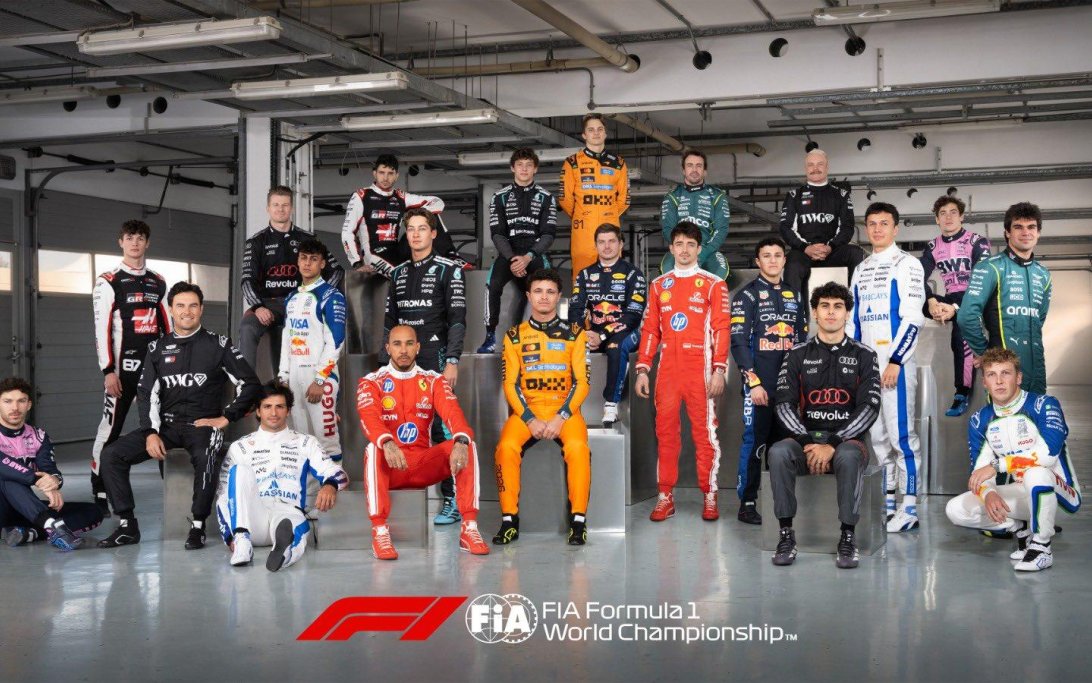
By 2028 the landscape will flip. Privateer teams that treat the budget cap as creative fuel rather than a ceiling will surge ahead of lumbering manufacturer squads. Hamilton's podium offers Ferrari a brief morale spike, but it cannot mask the cultural mismatch that will erode performance once the calendar turns to circuits like Suzuka. Coulthard rightly observed that such tracks "separate the boys from the men," yet he missed the larger truth: the men who thrive will be those unburdened by boardroom ideology.
Hamilton also paused to celebrate Andrea Kimi Antonelli's maiden win in the feeder series, calling their selfie "the picture of the year." The gesture humanizes the champion, yet it underscores his outsider status inside Ferrari's marble corridors.
The Verdict from the Paddock Shadows
This Shanghai result buys Hamilton breathing room, nothing more. The activist persona that made him a global figure now collides daily with a team that prizes tradition over transformation. When the next round of internal conflicts surfaces, expect the same pattern that unraveled Benetton three decades ago: public success masking private rot. Mid-field insurgents will capitalize while Ferrari sorts its house. The true championship decider remains morale, and on that front the Scuderia is already losing ground.
Join the inner circle
Get the deep dives and technical analysis from the world of F1 delivered to your inbox twice a week.
Zero spam. Only high-octane analysis. Unsubscribe anytime.
Continue Reading
View More News