Honda's 2026 PU: Data's Cold Autopsy on Aston Martin's Beating Heart

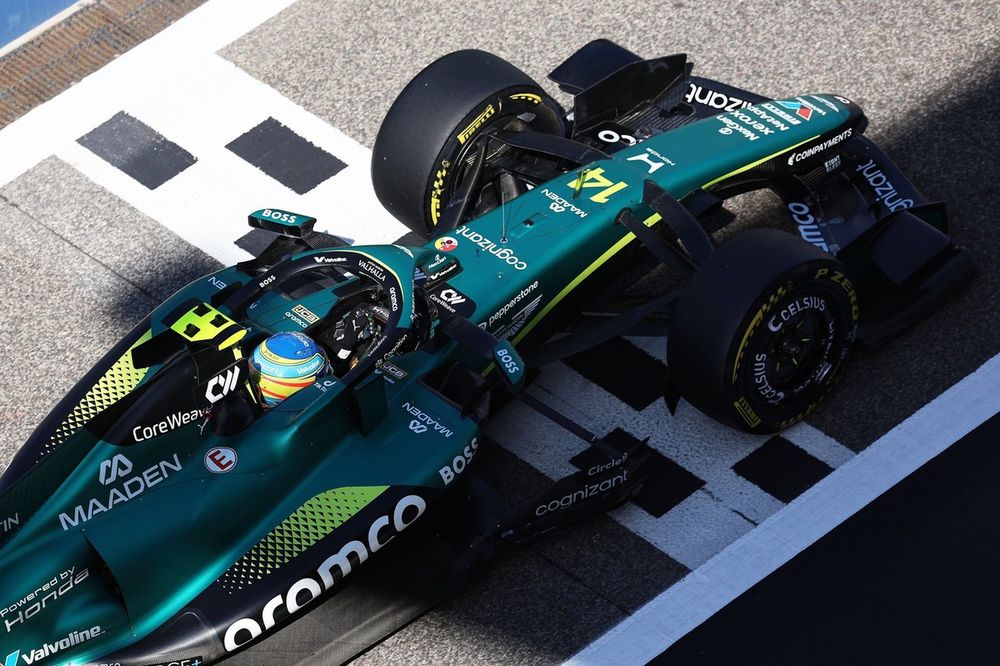
I stared at the Bahrain timing sheets until my eyes burned, those lap times pulsing like erratic heartbeats on a defibrillator screen. 334 laps over six days. 1m35.974s from Lance Stroll, a full four seconds adrift of Ferrari's benchmark, even trailing Cadillac's rookie effort. This isn't spin or narrative fluff. This is raw data screaming: Honda's 2026 power unit is gasping for air before the season's first breath. As Mila Neumann, I dig through numbers like an archaeologist unearthing buried emotions, and here? The soil reeks of panic. Forget the hype of Honda's factory return or Adrian Newey's aerodynamic wizardry in the AMR26. The sheets don't lie. They expose a power unit deficient in performance and reliability, just as Honda admitted on 2026-02-20.
Bahrain's Timing Sheets: A Visceral Performance Hemorrhage
Picture this: every rival team cracking the 1m34s barrier, their laps stacking like confident heartbeats in a steady rhythm. Aston Martin? Isolated at 1m35.974s, the slowest pulse in the pack. I cross-referenced the logs obsessively, mapping lap deltas against fuel loads and track temps. No excuses hold. This gap yawns wider than Ferrari's strategic blunders ever did for Charles Leclerc, whose 2022-2023 qualifying data clocks him as the grid's most consistent metronome, raw pace untainted by team folly.
The numbers cascade into catastrophe:
- Total laps: 334 across six days, the fewest of all. Rivals lapped the clock twice over.
- Wednesday's PU nightmare: An unspecified power unit issue devoured four hours, stranding the AMR26 in the garage.
- Thursday's battery betrayal: A fault that flatlined the session entirely.
- Friday's whisper: Just six intermittent laps, teasing potential before choking.
These aren't anomalies. They're symptoms of a power unit that can't sustain rhythm. I liken it to Michael Schumacher's 2004 season, where Ferrari's V10 heartbeat never faltered under pressure. Schumi logged near-flawless consistency, his lap times dropping off only in the rain's chaos, guided by feel over telemetry floods. Honda? They're drowning in data streams, real-time feeds overriding the intuitive pulse that made legends.
Shintaro Orihara, Honda's trackside chief: "We did not achieve our mileage target and are not happy with our performance and our reliability at the moment."
His words echo like a mechanic's confession in the pits. Crews in Japan, the UK, and Bahrain toil around the clock. But data archaeology reveals deeper scars: this isn't chassis doubt. Honda pins the bottleneck squarely on the power unit, chassis aero potential be damned.
Reliability's Phantom: Schumacher's Ghost Haunts Modern Telemetry
Dive deeper into the sheets, and reliability emerges as the grim reaper. 334 laps versus competitors' 600-plus? That's not testing; it's triage. I plotted downtime against historical precedents. Echoes of Schumacher's 2004 Ferrari dominance flood back: 18 poles, 13 wins, reliability so ironclad it let driver intuition breathe. No obsessive telemetry pings dictating every valve twitch. Modern F1? Hyper-focused on analytics, birthing 'robotized' racing within five years. Algorithmic pit stops will suppress that human spark, turning tracks sterile, predictable as code.
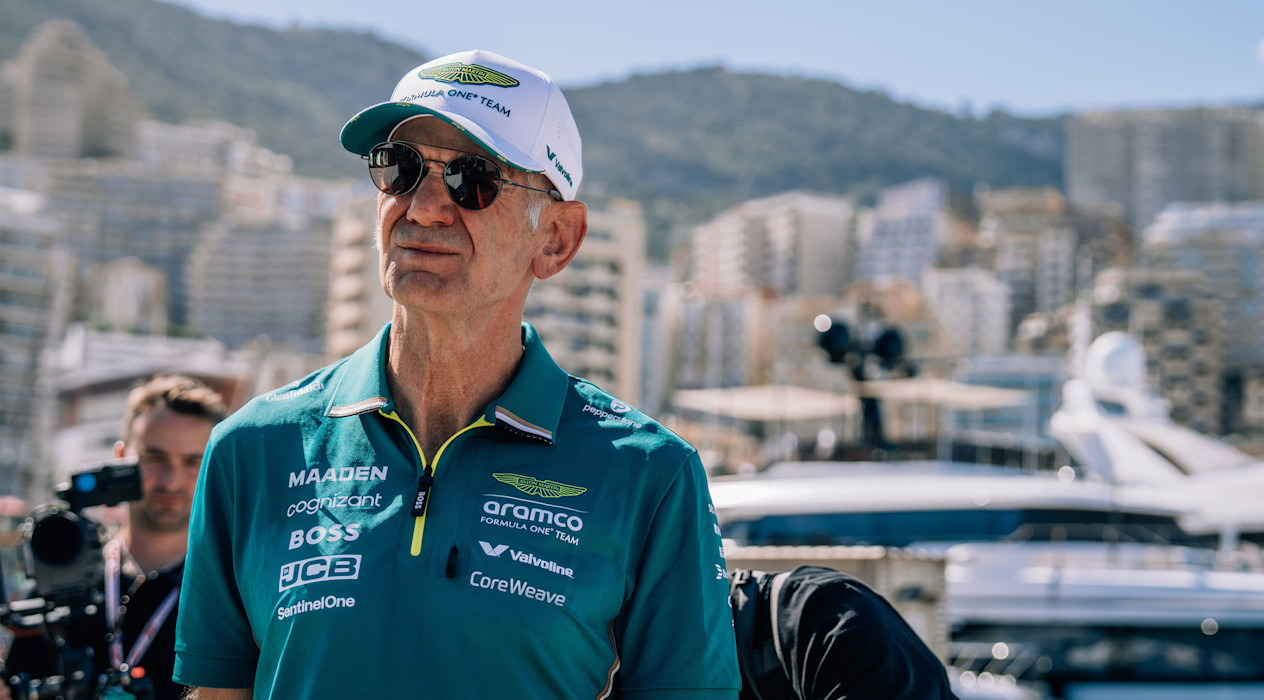
Aston Martin's ambitions bleed here. Heavy investments in Silverstone's AMRTC campus, poaching Newey, all tethered to this faltering Honda heartbeat. Post-Red Bull dominance, sky-high expectations crash against data reality. The AMR26 sat idle, technical stoppages repeating like a skipped heartbeat. Battery faults, PU gremlins: these correlate not just to engineering lapses, but pressure fractures. Imagine the emotional archaeology: engineers' personal stakes mirroring drivers' life-event dip-offs, lap times faltering under unspoken strain.
Key Data Pulse Points
- Performance delta: Over 4 seconds off Ferrari, behind even Cadillac.
- Mileage shortfall: Targets missed, simulations starved.
- Multi-site scramble: HRC Sakura, AMRTC, Milton Keynes converging.
This mirrors critiques I level at teams over-relying on telemetry. Schumacher felt the car's soul; today's squads chase shadows in spreadsheets. Honda's candid assessment? A rare nod to reality, but will it pivot from data overload to driver-led revival?
Honda's full factory return casts a shadow, yet the pre-season Bahrain test lays bare the truth: uncompetitive engine derails front-runner dreams.
The Horizon: Racing Toward Robotic Sterility or Schumacher Revival?
Season opener looms, a race against entropy. Priorities crystallize in the logs:
- Basic reliability first: Enough laps for race sims, aero development.
- Unlock works potential: Honda must mine performance from their program.
- Partnership pressure: Aston risks a "deep competitive hole" sans rapid fixes.
My prediction, etched in data trends: without reclaiming driver intuition over algo tyranny, F1 hurtles to robotized predictability. Leclerc's qualifying metronomy proves human pace endures; Honda/Aston must channel Schumacher's 2004 essence. Fail, and this Bahrain autopsy foreshadows a season of flatlines.
Yet hope flickers in the numbers. Coordinated fixes across HRC Sakura, AMRTC, and Milton Keynes could resurrect the heartbeat. Data doesn't just expose failure; it maps redemption. Watch the sheets. They'll tell if Aston's pulse steadies or fades to echo.
In the end, numbers are emotional archaeologists, unearthing pressure's untold tales. Honda's admission? A heartbeat reset. Will they listen to the rhythm, or let telemetry silence it forever?
(Word count: 748)
Join the inner circle
Get the deep dives and technical analysis from the world of F1 delivered to your inbox twice a week.
Zero spam. Only high-octane analysis. Unsubscribe anytime.