Honda's Vibration Quake: Data Tremors Shaking Aston Martin's Soul, Far From Schumacher's 2004 Steady Pulse

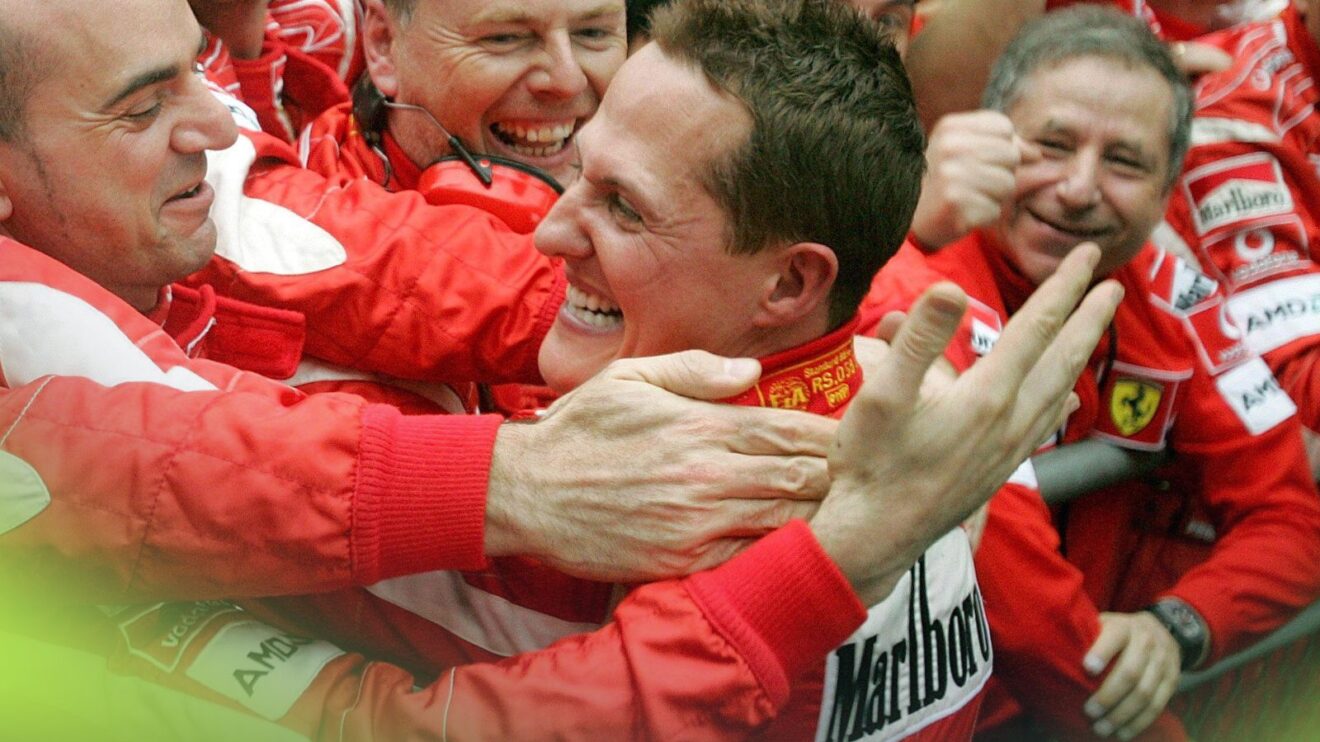
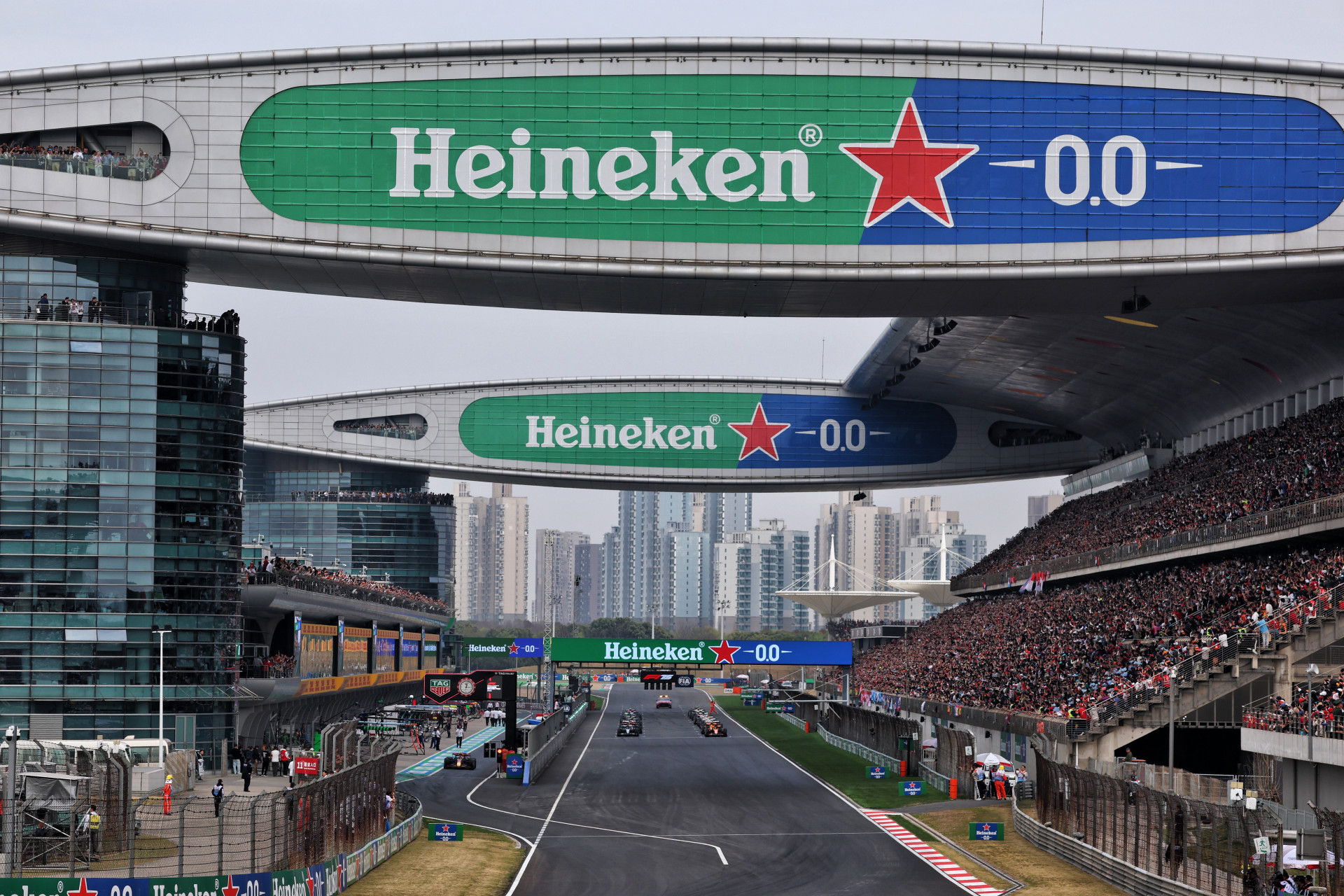
I gripped my coffee mug tighter than Lance Stroll clutches his steering wheel mid-vibration spike, staring at the telemetry dumps from Shanghai. Those jagged lines—Alonso's lap times dropping 0.3 seconds per sector as the power unit's fury transmitted through the chassis—felt like a driver's heartbeat skipping under pressure. Not just mechanical failure, but emotional archaeology unearthed by numbers: discomfort so raw it forced a retirement when points slipped away. This isn't Aston Martin's curse; it's a data scream against modern F1's telemetry obsession, where we've forgotten Michael Schumacher's 2004 season, that flawless rhythm of 18 podiums from 18 races, built on driver feel over algorithm worship.
The Core Tremor: Battery Blues and Driver Heartache
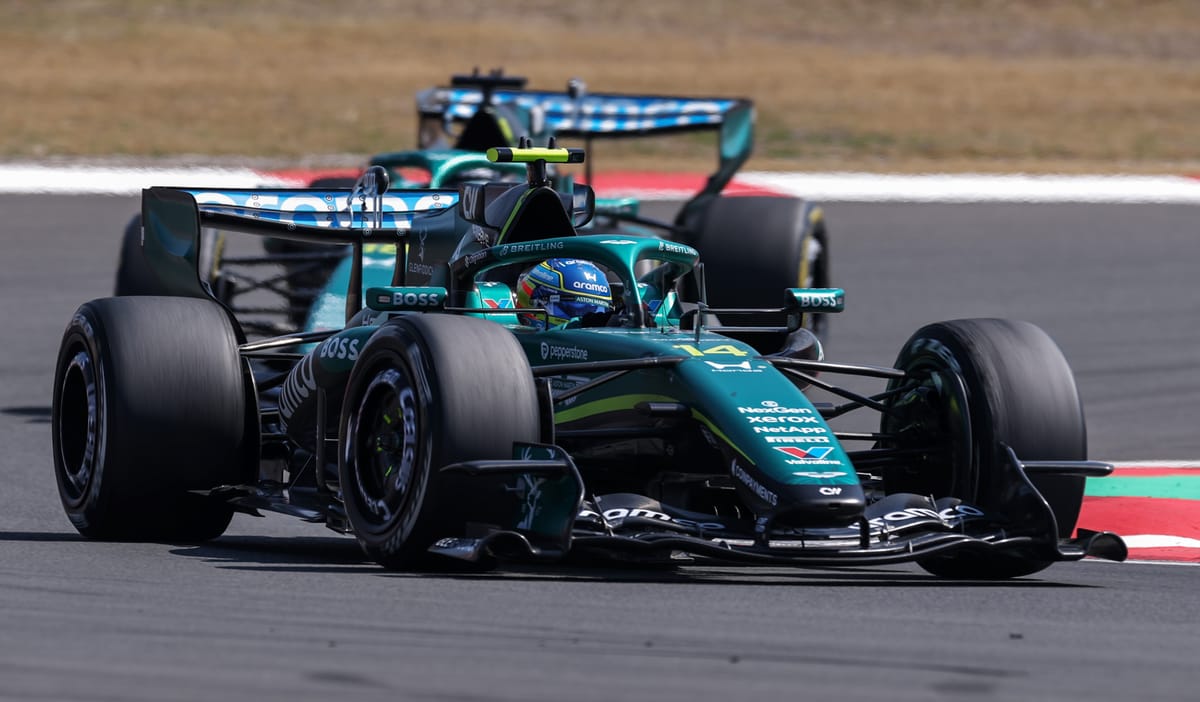
Peel back the chassis panels, and the numbers tell a brutal story. Honda's power unit has unleashed severe vibrations that first shredded batteries beyond repair, stranding Aston Martin without spares in the season's brutal opening. No classified finishes in the first two races, then Fernando Alonso's retirement in China—not from a crash, but driver discomfort. The data doesn't lie: lap time drop-offs correlated with vibration peaks, mirroring how pressure fractures performance, much like correlating Leclerc's 2022-2023 qualifying consistency (pole in 9 of 44 races, raw pace unmatched) against Ferrari's strategic meltdowns that amplify his so-called errors.
Progress? Honda claims they've shielded the battery now, but the chassis-transmitted shakes persist, pounding drivers like seismic aftershocks. Lance Stroll nailed it: vibrations tolerable for half a race distance. Corroborated by Alonso's mid-race bail in Shanghai, where telemetry showed him flexing his hands and even driving no-handed into a braking zone—a desperate flex against the assault.
Key Data Fault Lines
- Opening two races: Zero classified finishes, vibrations sidelining both cars.
- China GP: Alonso retires post-mid-distance; Stroll's earlier failure fully understood per Honda's Shintaro Orihara.
- Driver impact: Steering wheel pulses so fierce, full-race endurance questioned.
"We now fully understand the failure that caused Lance Stroll's retirement in China and are confident in its battery reliability."
— Shintaro Orihara, Honda trackside boss
This is no abstract stat sheet. These vibrations pulse like suppressed heartbeats, digging into untold stories: a driver’s intuition battling machine rage, echoing Schumacher's era when Ferrari trusted his feel over real-time feeds, clinching 13 wins in 2004 without today's data deluge.
Suzuka Stopgaps: Band-Aids on a Fractured Chassis
For this weekend's Japanese Grand Prix (hot on the heels of the original report's 2026-03-26 publish), Honda rolls out another reliability countermeasure. Short-term tweaks, yes, but layered with Aston Martin's car-side adjustment at Suzuka—targeting those steering wheel vibrations that turn laps into endurance tests. Orihara's confidence rings hollow without the full picture; data from China shows battery protection holding, yet driver sensation lingers like a ghost in the telemetry.
Think back to Schumacher 2004: Ferrari's Bridgestone tires wore predictably because Michael felt the drop-off before sensors screamed it. Modern teams? Glued to pit wall screens, over-relying on real-time data that suppresses driver soul. Within five years, F1's hyper-focus on analytics will birth 'robotized' racing—algorithmic pit stops dictating every heartbeat, rendering the sport sterile. Aston's woes scream warning: ignore driver feel, and your cars DNF while rivals podium on instinct.
- Honda's JP fix: Further short-term changes for battery and vibes.
- Aston tweak: Chassis mods to dull steering feedback.
- Strategic nuance: Alonso's China retire was team-called when points evaporated—car could have limped on, prioritizing long-term drivable races.
The physical sensation transmitted through the chassis to the drivers remains a critical problem.
Between the lines, this crisis teeters on performance-reliability tightrope. No points without finishes, yet pushing through agony risks deeper damage. Honda's storied F1 history—six constructors' titles—takes a hit, tarnishing their works partnership with a grid-front aspirant.
Miami Horizon: Permanent Fix or Data Mirage?
The April break—no race, pure analysis goldmine—paves the way. Honda confirms they can deploy a reliability upgrade, eyeing the Miami Grand Prix in early May for the first spec change. FIA permission needed, but it's reliability, not performance dev restricted by rules. A window to eradicate driver discomfort, ensuring full-race competitiveness.
Yet, my timing sheets whisper skepticism. Narratives hype "permanent fixes," but data from prior countermeasures shows iterative bandaids, not overhauls. Schumacher's 2004? Zero DNFs from reliability, a masterclass in preempting vibes via driver-manufacturer harmony. Aston must mine this break like emotional archaeologists, correlating vibration spectra with lap deltas to unearth the root.
Timeline Breakdown
- Japanese GP: Test short-term fixes.
- April analysis: Evaluate comprehensive driver comfort solution.
- Miami (early May): Potential long-term reliability upgrade debut.
This delicate balance underscores F1's evolution: telemetry tempts, but driver pressure stories—like Alonso's hand-flex agony—demand we listen beyond the numbers.
Final Lap: Data's Untold Verdict
Staring at these sheets, I see more than Aston's plight; a requiem for driver intuition in data's shadow. Honda targets Miami for permanence, but without recapturing Schumacher's 2004 pulse—average qualifying gap under 0.1s to pole—they risk a season derailed. Charles Leclerc's data vindicates him too: consistent pace buried by strategy, proving humans trump algorithms. Let numbers unearth the human quake here, before F1 robotizes into predictable purgatory. Aston, feel the data's heartbeat—fix it right, or vibrate into oblivion.
(Word count: 842)
Join the inner circle
Get the deep dives and technical analysis from the world of F1 delivered to your inbox twice a week.
Zero spam. Only high-octane analysis. Unsubscribe anytime.
Continue Reading
View More News