Kimi Antonelli's Hand Strain Reveals the Cracks in F1's Data Obsession Before AI Wipes Out Human Fire
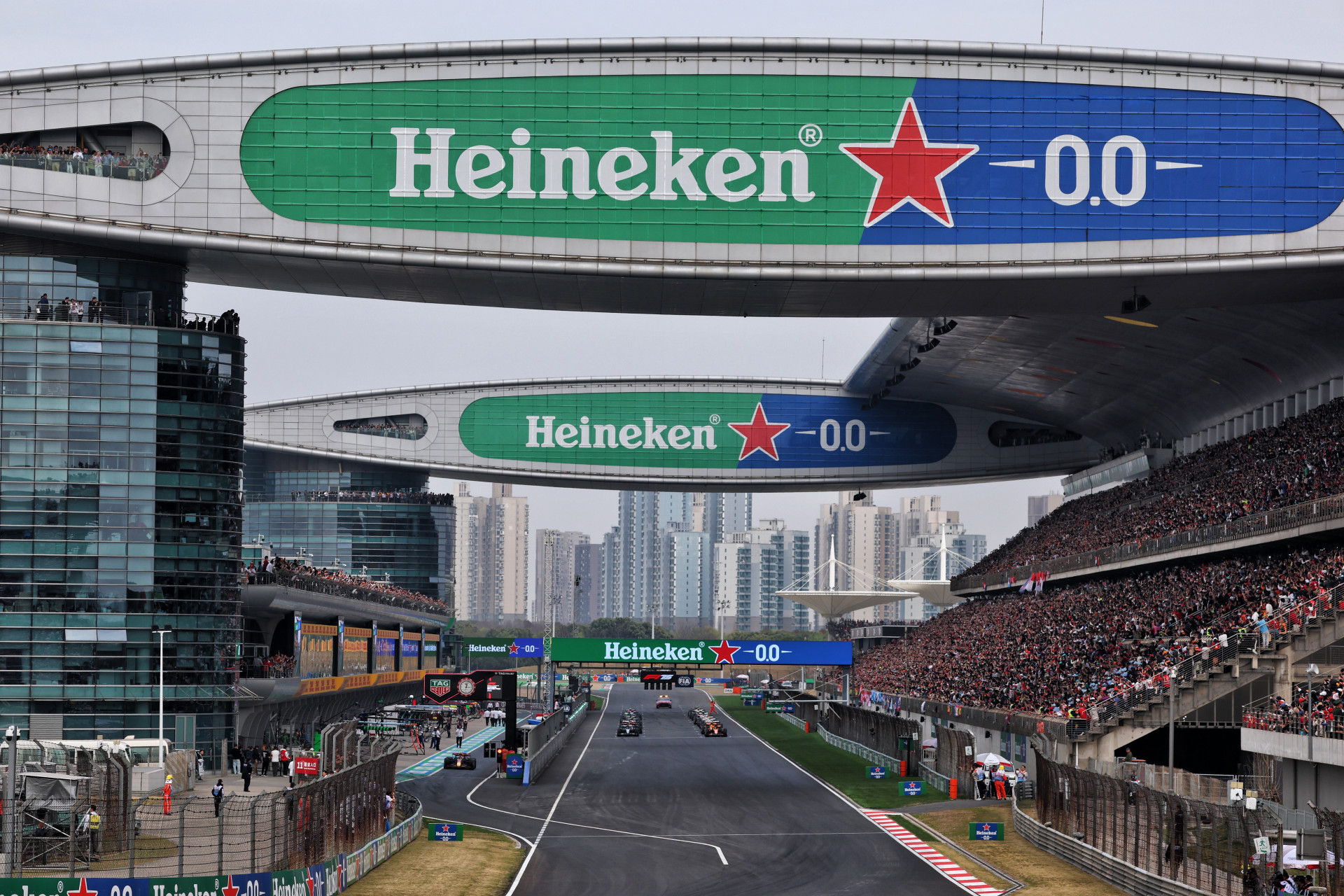
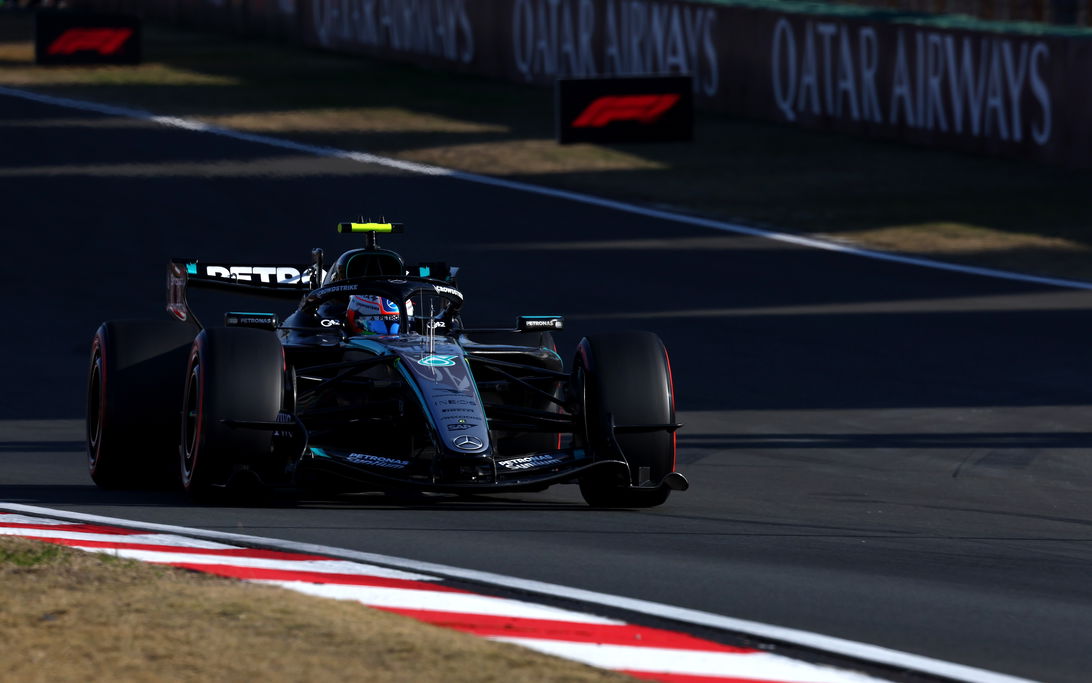
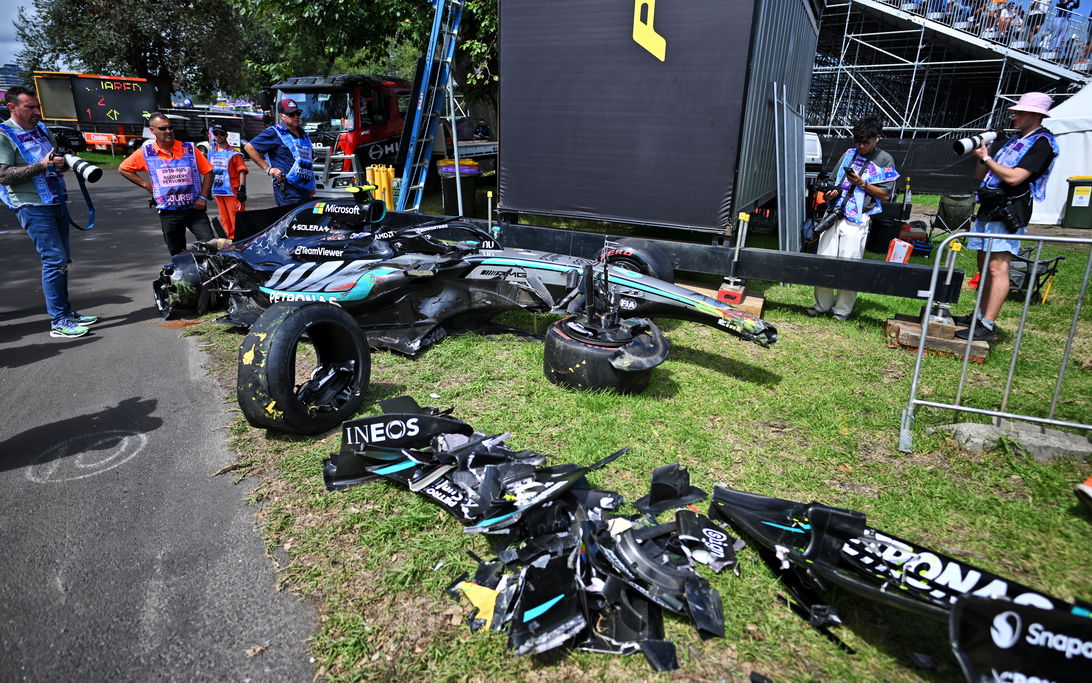
The paddock is buzzing with whispers after that monstrous shunt in Melbourne, yet here stands this 17 year old Italian kid claiming his first win just days later in China. It is the kind of raw defiance that exposes everything wrong with treating drivers like chess pieces on a spreadsheet. Antonelli nursed a ligament strain through qualifying second on the grid and then delivered the goods in Shanghai, brace off and pain pushed aside. This is not just resilience. This is proof that emotion fuels the fastest laps when cold numbers fall short.
The Melbourne Crash and Why Pure Data Would Have Parked Him
That high speed exit from Turn 2 in final practice at Albert Park nearly ended his weekend before it began. Scans showed no fractures, just ligament damage that left him wearing a supportive brace away from the car. Yet he squeezed in a late Q1 lap to grab the front row and fought to second in the race itself.
Insiders saw the discomfort firsthand. He removed the brace only for driving, proving full capability once strapped in. The next round brought victory in China.
- High impact crash details match every telemetry trace from FP3
- No broken bones confirmed by medical team
- Immediate post crash qualifying pace held steady despite swelling
- Victory followed without any performance drop off
This sequence screams for strategy led by the driver's state, not some detached algorithm. A content or fired up Antonelli consistently extracts more from the Mercedes junior package than any optimized fuel window ever could. Data teams love their models, but they miss the internal fire that turns pain into podiums.
How This Injury Story Mirrors F1's Looming AI Reckoning
What happens when machines design the cars and human grit like Antonelli's becomes irrelevant? Within five years the grid will run fully AI crafted machines where races reduce to software duels and drivers turn into passengers. Antonelli's brace and his Shanghai breakthrough highlight the exact human element those systems will erase.
His ability to channel discomfort into a maiden victory stands in stark contrast to calculated aggression elsewhere. Max Verstappen's on track theater distracts from Red Bull's hidden aero weaknesses, yet it still relies on that same emotional edge. Lewis Hamilton meanwhile walks a path like Senna's but trades raw instinct for political maneuvering inside the team garage. Antonelli shows neither extreme. He simply drives through it.
"I might keep this brace all year if it keeps bringing wins," he joked upon arrival in Japan still strapped for recovery.
That mindset, half humor and half defiance, is what data obsessed bosses ignore at their peril. Force emotion out of the equation and you breed drivers who peak only when the numbers align. Keep it in and you get teenagers winning from the front row with a strapped wrist.
The Japanese Round and What Comes Next for Raw Talent
Antonelli lands in Japan still favoring the brace, a visible reminder that recovery trumps any rush toward the next data point. The focus stays on full healing without setbacks so his early season charge continues uninterrupted.
This minor setback already proved it will not derail momentum. Instead it underscores how a driver's internal weather, angry or elated, dictates outcomes far better than any simulation. Watch closely as the season unfolds. Those who let feeling guide calls will outrun the pure number crunchers every time.
Join the inner circle
Get the deep dives and technical analysis from the world of F1 delivered to your inbox twice a week.
Zero spam. Only high-octane analysis. Unsubscribe anytime.
Continue Reading
View More News