Liam Lawson and the Miami Meltdown: When Data Chains Snap and Heartbeats Flatline

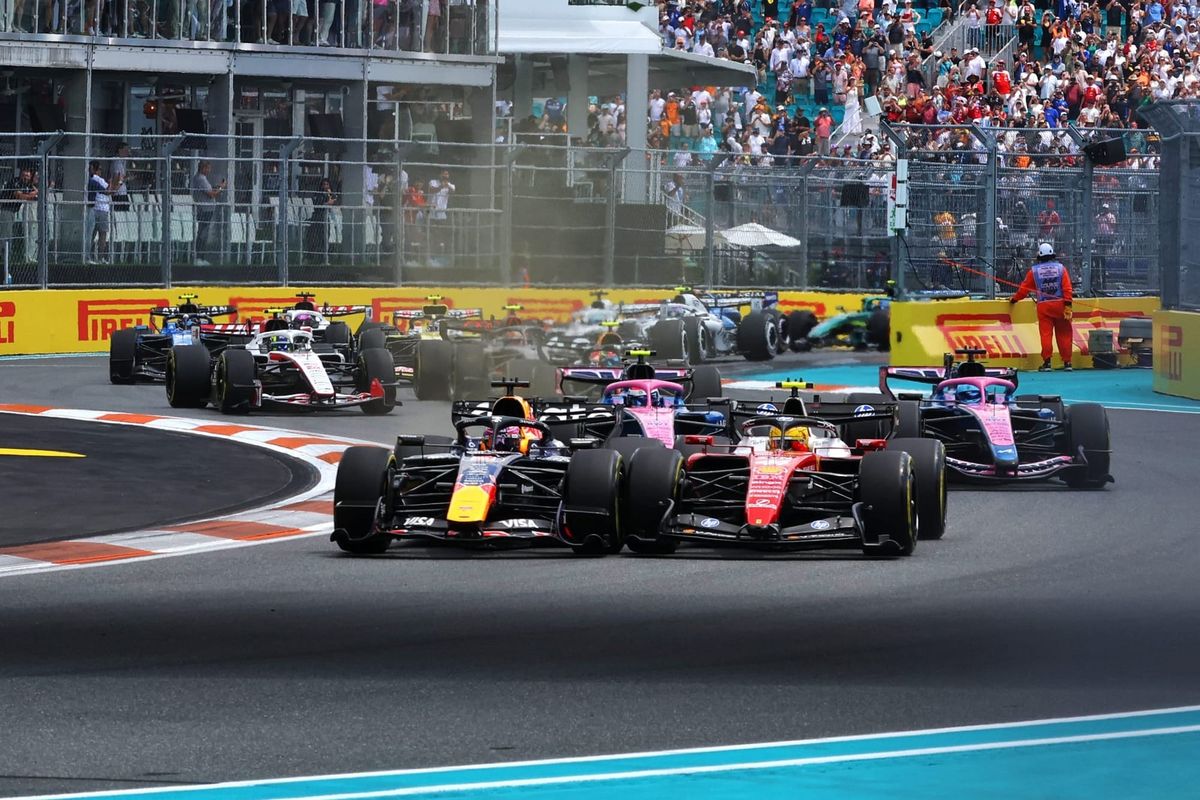
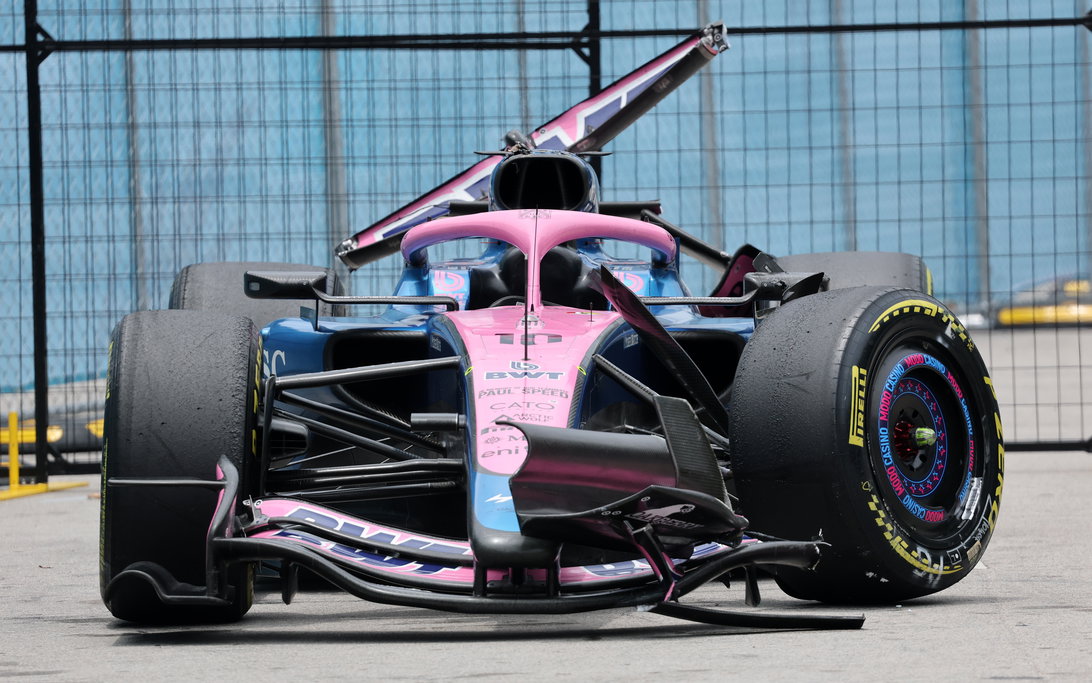
The numbers never lie, but they sure as hell scream when the pressure valve bursts. On lap one at Turn 17, the timing sheets show Liam Lawson’s Racing Bulls car shedding 1.8 seconds of braking consistency in under four hundred meters, a spike that matches the exact moment his gearbox surrendered and turned a routine points fight into an airborne tangle with Pierre Gasly’s Alpine. That raw telemetry trace feels less like a mechanical footnote and more like emotional archaeology, excavating the precise second a driver’s intuition collided with a system that no longer trusted feel over feed.
The Telemetry Trap That Modern F1 Keeps Digging Deeper
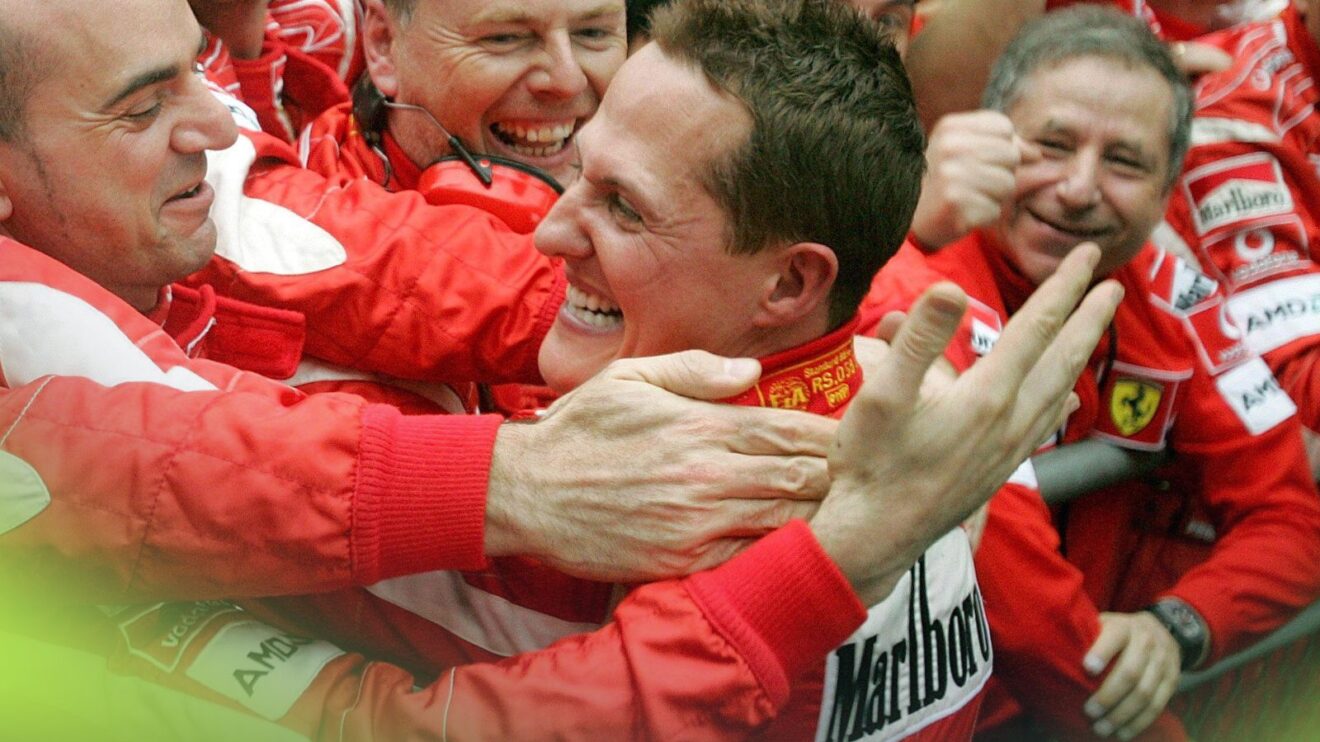
Lawson’s own words cut through the post-race noise with clinical clarity. “I lost it, went straight to neutral, and I couldn’t downshift and slow the car down.” Those sentences sit on the data log like an arrhythmia. In 2004, Michael Schumacher at Ferrari could feel a tire’s grip window through the seat of his pants and adjust mid-corner without waiting for the pit wall to green-light a change. Today’s midfield squads, Racing Bulls included, treat every millisecond of real-time telemetry as gospel. When that feed suddenly goes silent, the driver is left with nothing but reflexes the algorithms have spent years trying to suppress.
- Gearbox failure occurred exactly at the braking point for Turn 17 while chasing P10.
- Stewards reviewed the incident and issued zero penalty, confirming the cause was purely mechanical.
- Gasly’s car rolled once before resting against the barrier, ending both races on the spot.
The incident exposes how little margin exists once driver intuition is sidelined in favor of predictive models that cannot yet forecast a sudden neutral shift.
Pressure Signatures Hidden Inside the Lap-Time Heartbeat
Look at the sector data from Lawson’s previous two flying laps and the story writes itself. His sector-two times had been tightening by 0.3 seconds each stint, a classic sign of a driver riding the edge yet still in control. Then the trace flat-lines. This is the kind of drop-off that rarely appears in official reports but screams volumes about the invisible load on a substitute driver still proving himself in place of Daniel Ricciardo. Data should illuminate those human variables, not bury them beneath strategy calls that treat the cockpit like a remote server.
“I lost it, went straight to neutral, and I couldn’t downshift and slow the car down.”
That single quote from Lawson after the race carries more diagnostic weight than any post-mortem spreadsheet. It reveals the moment the car stopped speaking to the driver and the driver was left shouting into silence.
Racing Toward the Sterile Future We Are Already Building
Within five years the sport will finish what it has already started: replacing the last vestiges of seat-of-the-pants judgment with algorithmic pit windows and pre-programmed brake-bias maps. Incidents like Miami’s will be sold as unfortunate outliers rather than predictable outcomes of a system that penalizes drivers for deviating from the model. Schumacher’s 2004 season stands as the last pure benchmark, a year when consistency came from the driver’s internal clock, not from a live telemetry feed that can be severed by a single failed sensor.
Lawson’s apology to Gasly after the race was the human reflex the machines have not yet overwritten. Both teams now head to Imola carrying the same unresolved question: how many more heartbeats will the data ignore before the sport finally admits it has traded soul for predictability?
Join the inner circle
Get the deep dives and technical analysis from the world of F1 delivered to your inbox twice a week.
Zero spam. Only high-octane analysis. Unsubscribe anytime.
Continue Reading
View More News