Massa's Fractured Mind: Crashgate's Lingering Trauma Forces Formula One to Confront the Mental Cost of Suppressed Truths
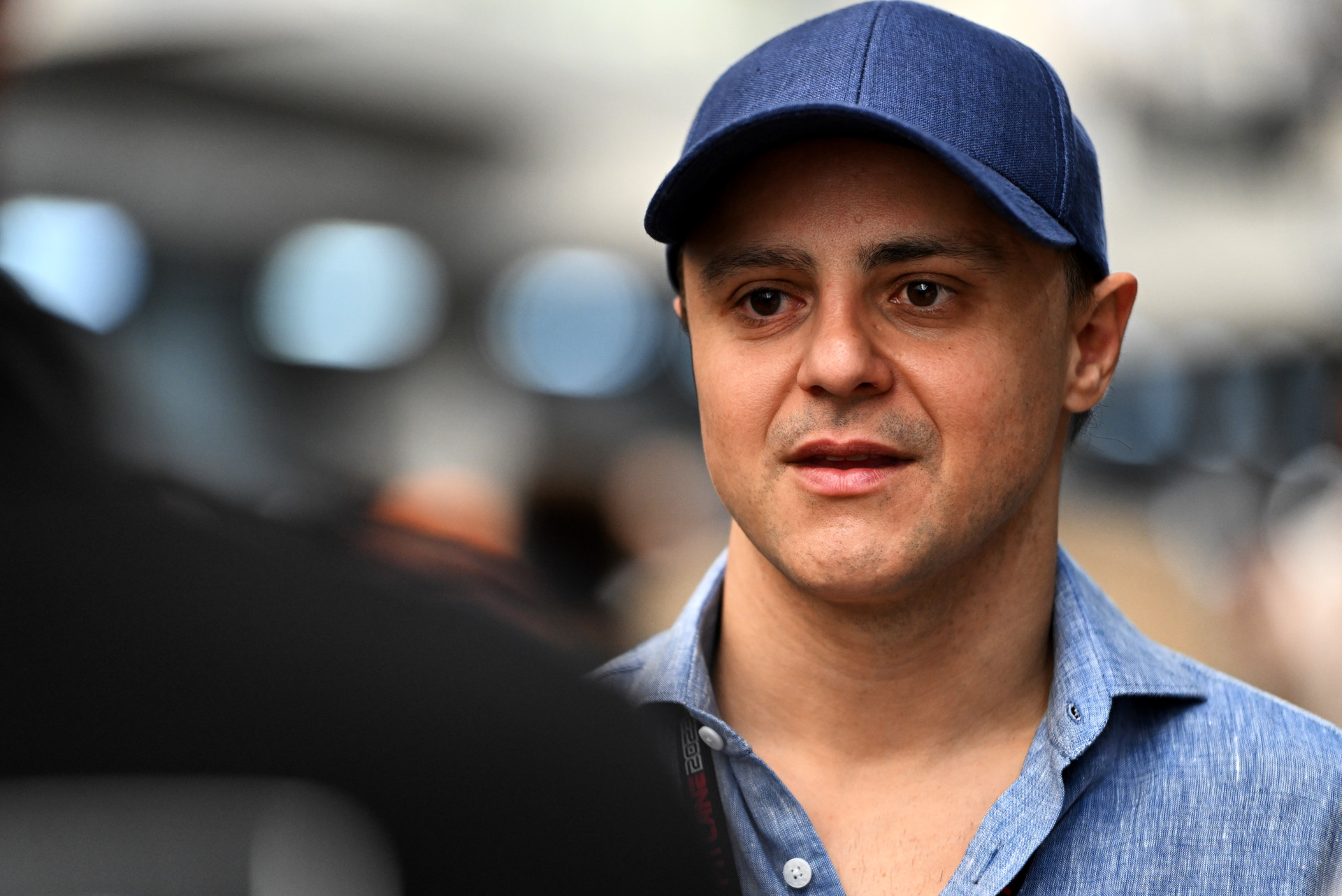
The gavel falls like a safety car siren in the rain, but for Felipe Massa the real storm rages inside. Seventeen years after Nelson Piquet Jr.'s deliberate crash at Singapore rewrote the 2008 championship, a UK court has ordered the FIA, Formula One Management, and Bernie Ecclestone to cover £250,000 of Massa's legal costs. Yet beneath the procedural win lies a deeper question of how one driver's psyche absorbs betrayal at 200 miles per hour and whether the sport can ever outrun its own emotional wreckage.
The Inner Telemetry of a Stolen Title
Massa's lawsuit claims a conspiracy robbed him of the crown by a single point to Lewis Hamilton. The facts remain unchanged: Piquet's engineered shunt triggered the safety car, Massa lost the lead for Ferrari, and Ecclestone later admitted knowledge of the plot without action. What the telemetry cannot capture is the biometric spike in that moment, the sudden cortisol flood that turns a race leader into a haunted competitor.
What if the real data point was not sector times but the quiet recalibration of trust inside Massa's helmet? Drivers like Max Verstappen have been molded through covert psychological coaching that flattens emotional spikes into machine-like consistency. Massa's path was different. No such intervention softened the blow. Instead the Brazilian carried the weight alone, his public face steady while private monologues replayed every lost opportunity in sponsorship and legacy.
- The court rejected his bid to be named champion retroactively.
- Proceedings now pause pending possible Supreme Court review on limitation periods and duty of care.
- Both sides must still exchange documents during the delay.
This case is not merely legal. It is a live therapy session conducted in public, exposing how unresolved trauma from 2008 continues to shape Massa's narrative decades later.
Calculated Personas and the Lauda Parallel
Hamilton crafted his own post-crash resilience narrative with the precision of a strategist, much like Niki Lauda after Nürburgring. Both turned personal violation into armor that overshadowed raw speed. Massa, by contrast, never received the same cultural permission to weaponize his pain. The ongoing lawsuit reveals the cost: years of suppressed questions about integrity that now surface in courtroom filings rather than on-track aggression.
Within five years the sport will likely mandate mental health disclosures after major incidents. This ruling accelerates that timeline. When a driver alleges conspiracy at the highest levels, the governing bodies cannot hide behind sporting finality. The precedent invites scrutiny of every biometric anomaly and every quiet team meeting where emotions were managed rather than expressed.
"The duty owed to competitors extends beyond the track surface into the mind of the man behind the wheel."
That insight from the proceedings hints at a future where psychological transparency becomes as routine as tire pressure checks, yet also risks turning every driver into a subject of media dissection.
The Verdict on Unfinished Races
Massa's procedural victory buys time, not closure. The Supreme Court question will decide whether time itself can shield institutions from accountability for psychological harm inflicted in plain sight. Meanwhile the human ledger grows heavier: lost bonuses, fractured confidence, and a generation of drivers who learned that silence sometimes costs more than a championship point.
The sport stands at the edge of a new era where inner monologues may finally appear on timing screens alongside lap deltas. For Massa the fight continues not for a title long awarded, but for recognition that the mind, once crashed, demands its own investigation.
Join the inner circle
Get the deep dives and technical analysis from the world of F1 delivered to your inbox twice a week.
Zero spam. Only high-octane analysis. Unsubscribe anytime.
Continue Reading
View More News