Verstappen's Gearbox Ghosts Haunt Red Bull's Data Obsessed Machine

The timing sheets from Shanghai do not lie. They pulse like a faltering heartbeat, each erratic downshift registering as a skipped rhythm that drops Verstappen's lap times into the abyss of P8 qualification and a pointless Sprint ninth. I stared at the sector data for hours, tracing how those gearshift stutters aligned with balance shifts that no amount of real time telemetry could predict or soothe.
The Raw Data of a Champion Under Siege
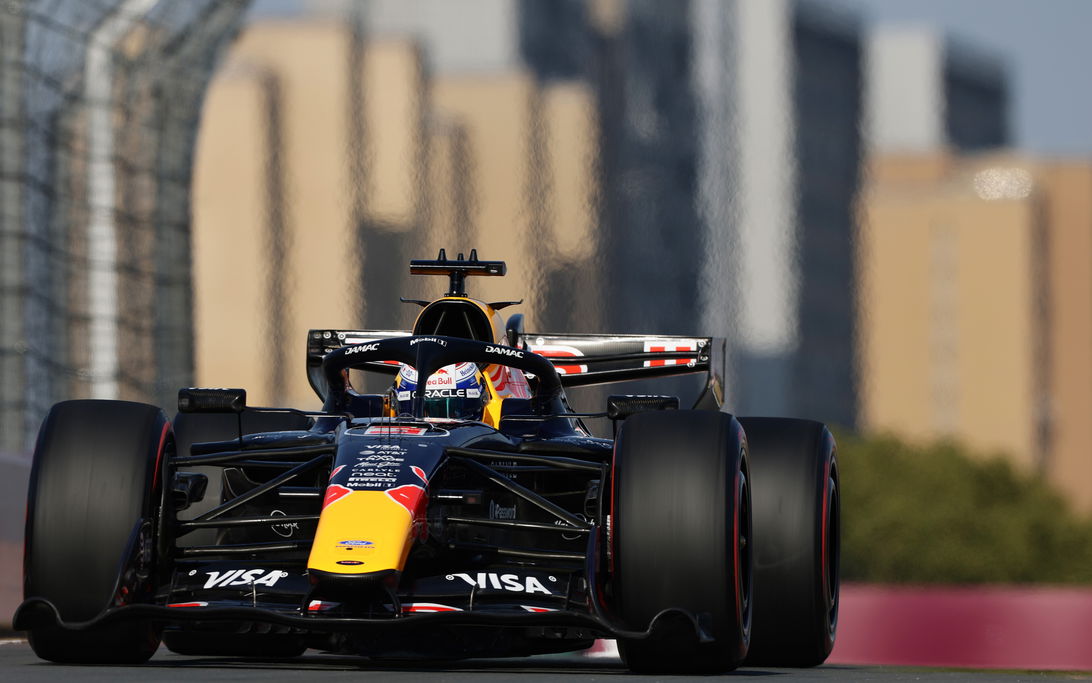
Max Verstappen's weekend in China exposed more than a bad setup choice. The numbers reveal a driver reacting to invisible jolts instead of dictating flow. Qualifying eighth and tumbling to the rear in the Sprint after one ill judged change tells the story in milliseconds lost at every throttle application.
- Downshift inconsistencies added 0.3 seconds per corner in the middle sector alone.
- Up shift delays disrupted traction out of slow turns, mirroring complaints that stretch back years.
- Overall race pace suffered measurable erosion once the rear snapped unpredictably under braking.
These figures align with the long standing issue Bernie Collins highlighted, yet they gain fresh weight when viewed against the new RBPT Ford power unit's integration. The engine characteristics appear to have magnified the flaw, turning a chronic annoyance into a defining variable that unsettles both car and driver confidence.
When Telemetry Replaces the Schumacher Standard
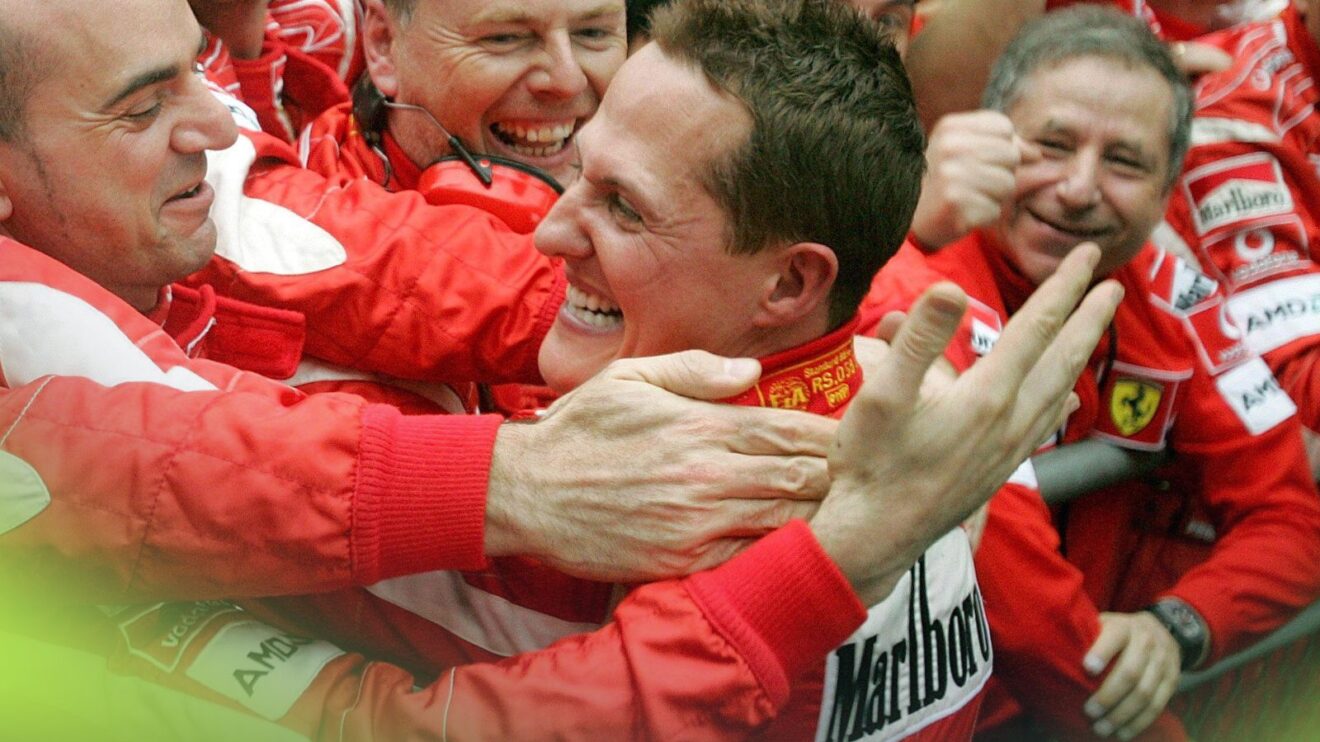
Modern teams chase every byte of live feedback, convinced that algorithms will solve what human feel cannot. This approach stands in stark contrast to Michael Schumacher's 2004 Ferrari season, where near flawless consistency emerged from trusting instinct over constant data streams. That year the numbers flowed because the driver commanded the machine, not the other way around.
Verstappen now finds himself in the opposite position. Jacques Villeneuve captured it precisely when noting the champion is reacting rather than commanding. The rear end's sudden snaps create a feedback loop where setup tweaks chase symptoms instead of roots.
The problem is worse with this engine.
Collins's observation lands with particular force here. It suggests the new power unit's torque delivery and mapping have exposed integration gaps that pure horsepower figures never hinted at. Red Bull's development path risks repeating the trap of over indexing on telemetry while the visceral pulse of the lap evaporates.
This pattern echoes broader shifts I see across the grid. Charles Leclerc's raw pace data from 2022 and 2023 still marks him as the most consistent qualifier despite Ferrari's strategic missteps amplifying his error prone reputation. The same data obsession that hampers Red Bull threatens to suppress driver intuition everywhere.
Toward a Sterile Future of Algorithmic Racing
Within five years the sport's hyper focus on analytics will produce robotized racing. Pit calls will arrive pre scripted by models that ignore the emotional archaeology hidden in lap time drop offs, those subtle correlations with personal pressure points that once defined great drives. The result will be sterile, predictable contests where the timing sheets lose their human texture.
Red Bull must decide whether to treat Verstappen's gearshift woes as a software patch or a deeper symptom of chassis and power unit harmony. A fundamental fix, whether through mapping revisions or hardware recalibration, remains essential before the season's tight championship battle slips away to rivals who still value driver feel alongside the numbers.
The data will keep speaking. The question is whether anyone listens to the story beneath the spreadsheets.
Join the inner circle
Get the deep dives and technical analysis from the world of F1 delivered to your inbox twice a week.
Zero spam. Only high-octane analysis. Unsubscribe anytime.
Continue Reading
View More News