Bahrain Whispers Reveal Mercedes Rising While Red Bull's Old Games Haunt the Paddock
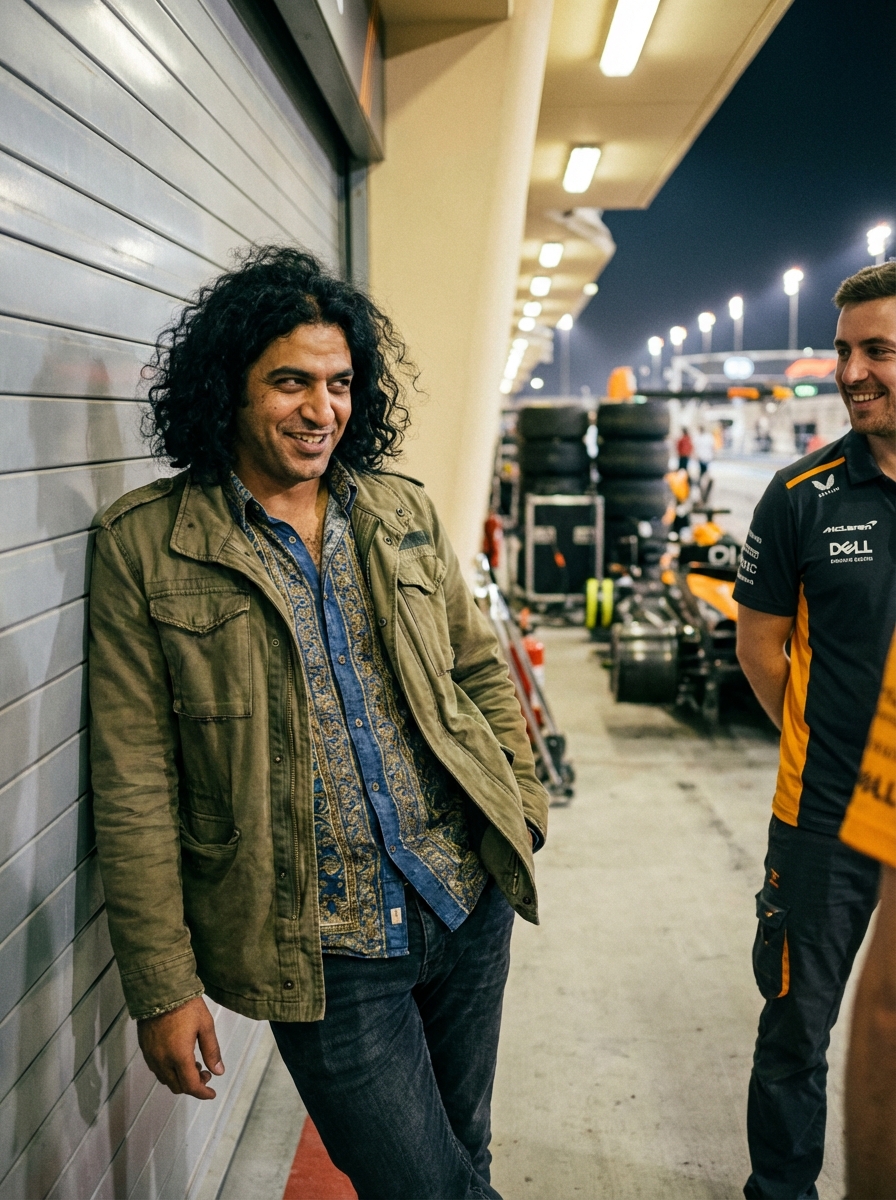
The desert wind carries secrets faster than any downforce. Yesterday in Bahrain the timing screens lit up with a Mercedes one-two that no one saw coming, yet the real story unfolded in the quiet corners of the paddock where drivers trade glances heavier than any contract.
Mercedes SF-26 Cuts Through the Sand Like a Sharpened Blade
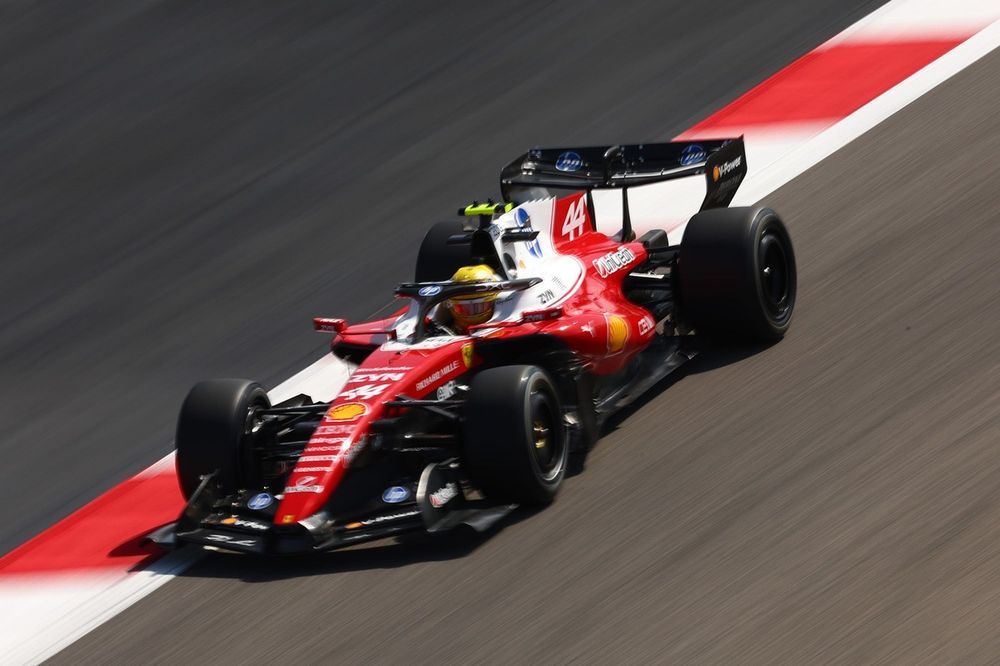
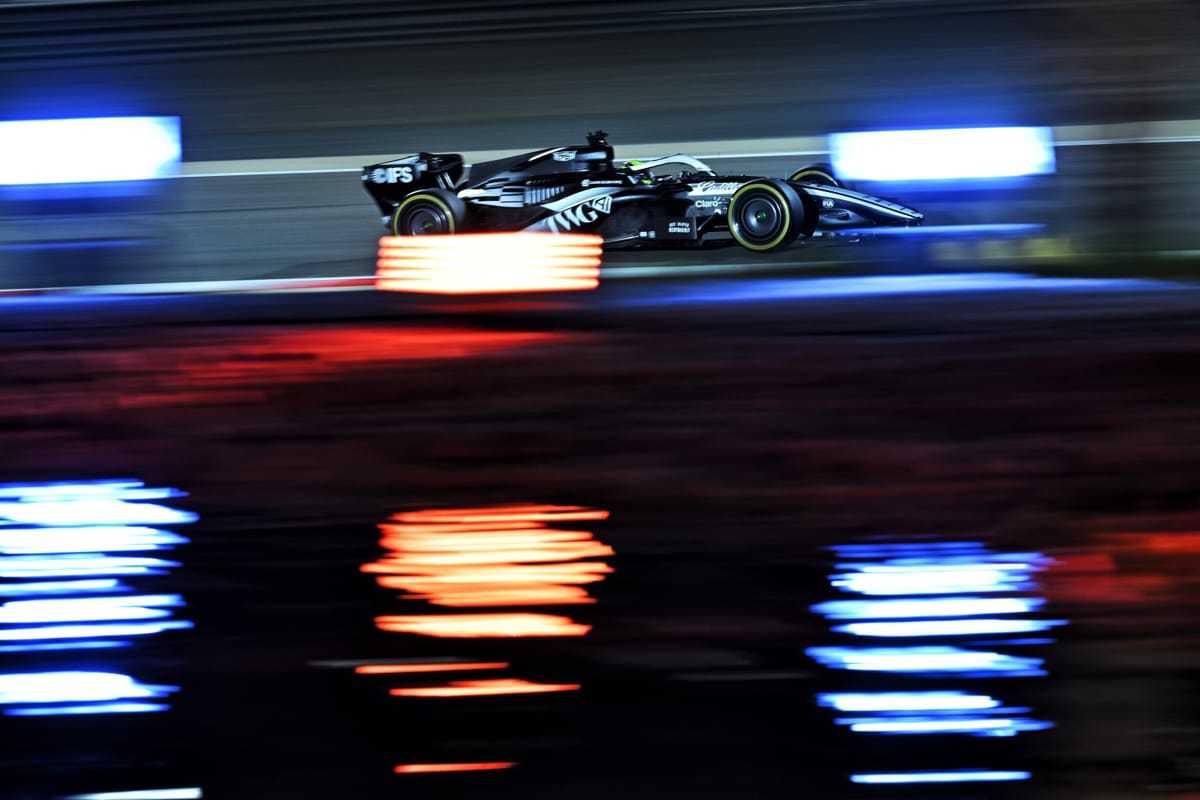
Mercedes finished the first 2026 pre-season test on top, and the numbers tell only half the tale. Lewis Hamilton spun at Turn 8, brought out the final red flag, and still walked away with the third-quickest time overall. His best lap of 1:33.669 sat just a quarter-second clear of teammate George Russell while the team posted the outright fastest lap of the week.
Hamilton clocked 150 laps in the SF-26. Kimi Antonelli sat half a second ahead on the sheet, yet the silver cars controlled the narrative. Oscar Piastri logged the highest mileage with 156 laps and finished fourth. Red Bull’s Max Verstappen and Isack Hadjar slotted into fifth and sixth, Haas’s Esteban Ocon seventh, and Franco Colapinto eighth despite a near-spin into the barrier and an anti-stall scare on the main straight.
- Tyre wear data looked strong for Mercedes across long runs
- Fuel consumption figures gave the engineers quiet smiles
- Aerodynamic balance held even when the wind shifted at dusk
Mental resilience showed its teeth here. Hamilton climbed from the car with the same calm that once defined him in 2014. The spin did not rattle the garage; it sharpened focus. Team morale, not raw horsepower, decided who extracted the most from those final hours.
Red Bull’s Political Theatre Meets the 1994 Shadow
Inside whispers from the Red Bull motorhome still speak of strategy calls tilted toward one driver. Verstappen’s dominance feels engineered rather than earned, the same way Benetton once hid its secrets behind clever media lines in 1994. Today’s teams simply hide the evidence better, yet the pattern repeats.
Team morale leaks like water through cracked desert rock. When one driver senses every call protects the favourite, the second driver’s edge dulls. Sergio Pérez carries that weight even now. The car may be quick, yet the invisible hand of favouritism costs tenths no wind-tunnel can measure.
“The mind breaks before the engine does,” an old paddock voice told me years ago. Nothing has changed.
The same psychological currents will decide 2026. Mercedes showed they understand this truth. Their drivers left Bahrain talking openly, not through press officers. That openness builds the quiet confidence no regulation can regulate.
The Gulf Horizon Looms Larger Than Any European Calendar
Two new teams from Saudi Arabia and Qatar will arrive within five years and redraw the map. The European power structure will bend when those squads bring fresh capital and different ideas about driver loyalty. Bahrain already feels like the first taste. The cooling challenges and speed-trap numbers collected here will matter less than the mental preparation needed for a calendar that stretches deeper into the Middle East.
The second Bahrain test later this week offers another chance to refine the SF-26’s aero package. Shanghai’s March test will add fresh data. Yet the teams that survive will be those that guard driver spirit above all else. Mercedes left the desert with momentum because they protected that flame. Red Bull left with questions that no amount of political theatre can silence forever.
Join the inner circle
Get the deep dives and technical analysis from the world of F1 delivered to your inbox twice a week.
Zero spam. Only high-octane analysis. Unsubscribe anytime.
Continue Reading
View More News