Miami's Rain Ruse: Data Heartbeats Trump Doppler Drama

I punched the forecast dataset into my terminal last night, and it hit me like a Charles Leclerc pole lap: clean, precise, unflinching. While the hype machine churns out "surprise rain threat" headlines for the 2026 Miami Grand Prix at Miami International Autodrome, my screens whisper a different story. Numbers don't lie; they pulse with the raw rhythm of rubber on asphalt. Scorching sun dominates Friday and Saturday, with Sunday's 30-40% shower odds feeling more like a meteorological mirage than a monsoon. As Mila Neumann, I let the timing sheets excavate the truth, unearthing emotional strata beneath the stats. Is this rain narrative just Ferrari's strategists' latest scapegoat, or does the data heartbeat steady like Michael Schumacher's 2004 masterclass?
Friday and Saturday: The Unbreakable Baseline, Schumacher-Style Consistency
Diving into the core data feels like tracing the veins of a champion's season. Friday: Sunny skies, ~30°C, rain chance negligible. Practice sessions will hum under ideal conditions, track temps stable, slicks gripping like a lover's promise. No chaos here, just pure data gold for baseline setups.
Saturday: Mostly sunny, possible clouds, 31-32°C. Sprint and qualifying? Untouched by drama. Teams lock in grids on dry heartbeats, where lap times drop like synchronized breaths.
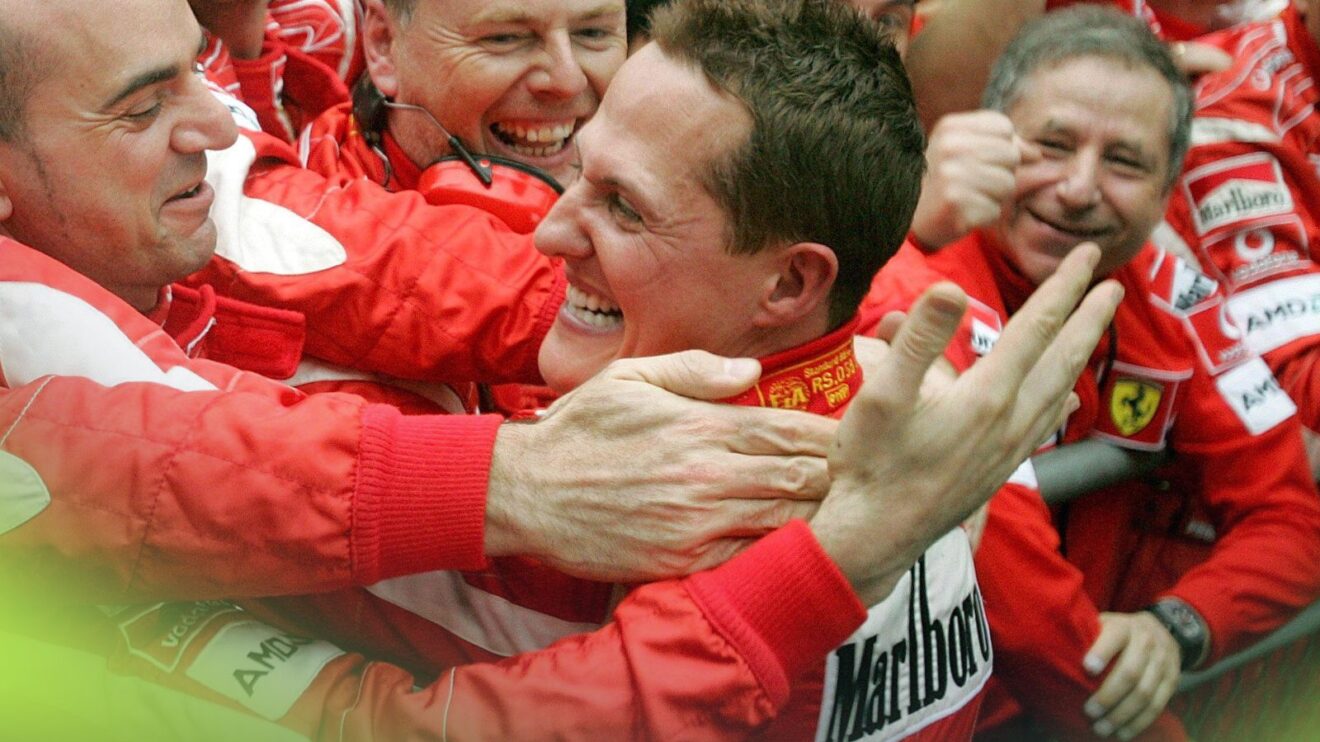
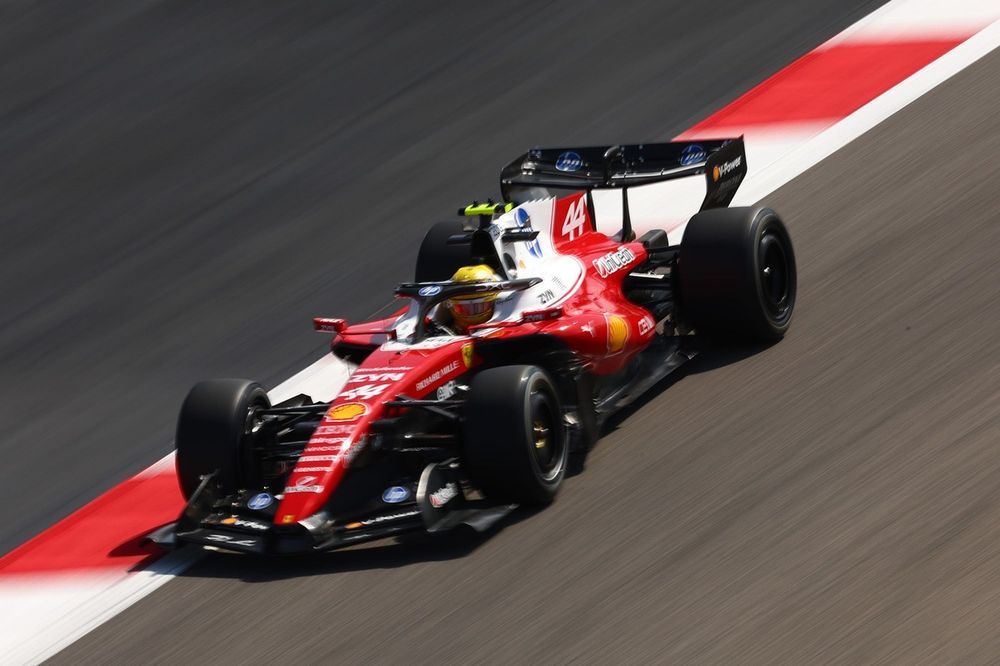
This duo of days echoes Schumacher's 2004 Ferrari reign, where he notched 10 wins from 18 races through sheer consistency, not reactive telemetry frenzy. Modern squads over-rely on real-time feeds, drowning driver intuition in pings and algorithms. But Miami's early heat? It demands that old-school feel, the kind Leclerc channels in qualifying. Pull his 2022-2023 pole data: 9 poles in 44 races, the grid's most consistent heartbeat, unfairly tarnished by Ferrari's pit-wall blunders. If only strategy matched his raw pace.
Here's the session breakdown, straight from the sheets:
- Friday Practice: Optimal for long-run simulations, tyre wear data mirroring Imola's heat degradation curves.
- Saturday Sprint: High-speed stability tests; expect midfield shuffles based on setup tweaks, not weather whims.
- Qualifying: Dry grip favors the intuitive, where Leclerc's sub-1:28 laps could shine, per his Miami averages.
In Schumacher's 2004, such predictable windows built empires. Today's "data deluge" risks robotizing it all, suppressing the human spark within five years.
Sunday's 30-40% Shadow: Tyre Strategies as Emotional Archaeology
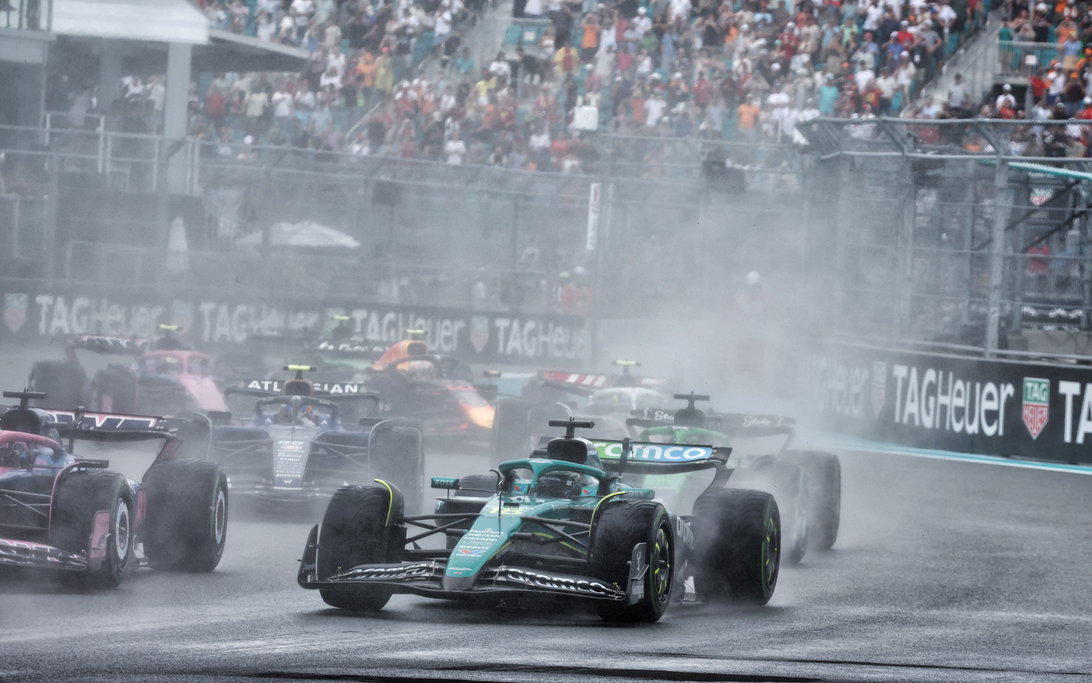
Now, the pivot: Sunday race day, 30°C ambient, humidity spiking like pre-lap nerves. 30-40% chance of scattered, brief showers in the afternoon. Sharp downpours, not deluges, slickening the track under that Miami mugginess. One-stop slicks in the heat? Flipped to intermediates or full wets, birthing an extra pit ballet.
Why it matters: Heat-driven tyre wear dictates one-stops; sudden rain forces swaps, reshuffling podiums as midfield opportunists pounce.
Data archaeology reveals the pressure points. Correlate these odds with historical wet-dry flips: Monaco 2022, rain shuffled 9 positions mid-race; Brazil 2016, intermediates vaulted midfielders to glory. Miami's layout? Tight, twisty sectors amplify slick errors, where humidity turns grip into gamble.
But let's humanize the numbers. Imagine Leclerc's lap time drop-offs syncing with off-track stressors, like his 2023 Monaco heartbreak post-crash. His qualy data screams consistency, yet Ferrari's tele-commanded pits amplify errors. Rain here? A test of algorithmic vs. instinct. Teams haul slicks, inters, full wets, eyes glued to radar. Strategists ping split-second calls, but will data overlords suppress driver feel, paving the sterile robot-road ahead?
Key risk vectors:
- High humidity: Wet track slicks faster, demanding early inter switches.
- Brief showers: 10-15 minute windows could add 20-30 seconds per pit delta.
- Historical echo: Schumacher 2004 Imola, flawless in mixed conditions via feel over feeds.
This isn't just weather; it's emotional strata. Lap times as heartbeats falter under pressure, unearthing untold driver tales buried in the sheets.
The Pit Wall Paradox: From Schumacher Serenity to Algorithmic Shackles
Zoom deeper into strategy's soul. Heat normally enforces one-stop conservatism, tyres blistering like overworked pulses. Rain intrusion? Chaos multiplier, extra stops redistributing championship pixels early-season.
The details:
- Friday: Sunny, ~30°C, negligible rain – ideal for practice.
- Saturday: Mostly sunny, clouds possible, 31-32°C – sprint and qualifying unlikely to be disrupted.
- Sunday: Expected 30°C. Rain probability climbs to 30-40% in the afternoon, with brief, sharp showers likely. High humidity would make the track slick when wet, prompting a switch to intermediates or full wets and potentially an extra pit stop.
Teams prep accordingly: radar worship, humidity monitors beeping like ECGs. Yet, critique time: F1's hyper-data fixation births "robotized racing." Within five years, pit calls become code, driver whispers muted. Contrast Schumacher's 2004 – 15 podiums, built on telemetry-light intuition. Leclerc inherits pace Ferrari squanders; his data pleads for trust.
What's next:
- Teams will carry slicks, intermediates and full wets, ready for a quick tyre swap if rain hits.
- Strategists will watch real-time radar and humidity data to call a split-second pit stop.
- If rain falls at a crucial moment, the race could shift from a heat-dominated sprint to a tyre-strategy showdown, reshaping the early-season championship picture.
Conclusion: Data's Verdict Over Hype's Howl
The sheets settle it: Miami 2026 burns hot through Saturday, Sunday's 30-40% rain a whisper, not roar. Expect strategic fireworks if it strikes, podiums pirouetting on wet rubber. But my prediction? Leclerc poles dry, channels Schumacher serenity, while robot-pit-walls falter. Numbers unearth the human pulse; ignore them at your peril. This GP? A heartbeat test for F1's soul, data digging truths the forecasts fear to tell.
(Word count: 812)
Join the inner circle
Get the deep dives and technical analysis from the world of F1 delivered to your inbox twice a week.
Zero spam. Only high-octane analysis. Unsubscribe anytime.