Newey's AMR26: Midfield Chassis with FW14B Soul, Trapped in Honda's Reliability Vortex
Igniting the Storm: A Reality Check for Aston Martin's Ambition
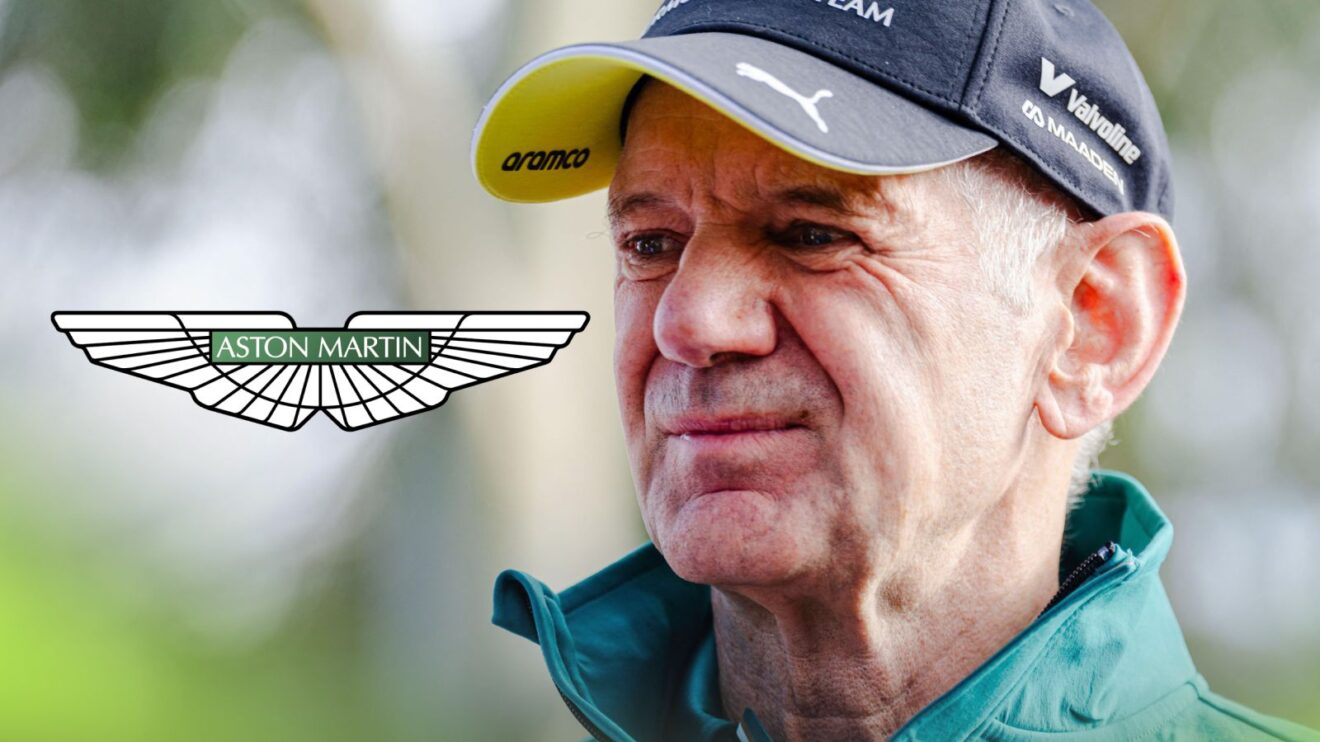
Picture this: the Melbourne grid, 2026 season opener, where Aston Martin's AMR26 roars into life like a gathering squall, fifth in the pecking order but humming with untapped fury. Adrian Newey, the maestro behind legends, doesn't sugarcoat it. "Fifth-best" chassis, he declares, trailing leaders by 0.75 to 1 second per lap. Yet his eyes gleam with that rare engineer's fire: tremendous development potential. Not hype, mind you, this is the raw truth from a man who's sculpted pole-sitting beasts from wind tunnel whispers.
As Mila Klein, I've dissected enough carbon-fiber tempests to know when a chassis whispers promises of glory. This isn't Red Bull's overrated aero wizardry propping up Max Verstappen—that's a chassis crutch masquerading as driver genius, especially in 2023's downforce deluge. No, the AMR26's story pulses with mechanical grip potential, the undervalued heartbeat modern F1 ignores in its aero obsession. Like the 1990s Williams FW14B, which danced on tires through Senna's will rather than glued by ground-effect cyclones, Newey's architecture could reclaim that raw driver-car bond. But first, Honda's power unit gremlins must cease their sabotage.
## Chassis Core: Sound Architecture Amid the Midfield Maelstrom
Newey's verdict cuts through the marketing fog like a cold front: the AMR26 sits midfield, battling for Q3 but starved of that killer edge. Why? A late wind tunnel sprint starting mid-April, forcing the team to nail the core architecture—those unchangeable bones like suspension geometry and chassis layout—before the season's crush.
"Good, sound architectural package... no inherent reason it cannot become fully competitive."
This is engineering poetry. In storm terms, it's building a sturdy eye wall before the eyewall collapses under pressure. Parts already forged at the factory, sidelined for Melbourne, promised "significantly" more pace. An aggressive development plan now unleashes them, targeting the gaps in aero efficiency and mechanical harmony.
Let's break it down, engineer-style:
- Current Deficit: ~1 second/lap off leaders, chassis-wise. That's downforce drag in corners, but Newey spies fixable flaws, not fatal ones.
- FW14B Parallel: Remember the Williams? Minimal aero reliance, supreme mechanical grip via active suspension (pre-ban elegance). Today's F1 cars? Aero-overloaded behemoths that twitch like nervous thunderheads, sacrificing tire feel for marginal downforce. The AMR26's focus on architecture echoes that simplicity—tune the tires, manage degradation, and watch drivers drive.
- Undervalued Grip: Teams chase CFD pixels, neglecting rubber's raw dialogue with tarmac. If Aston unlocks this, expect chaos: less DRS-dependent passes, more old-school battles. My prediction? By 2028's AI-active aero revolution, this mechanical purity becomes king, sidelining driver-dependent drag races.
Newey's confidence isn't blind optimism. It's the skepticism of a veteran who knows aero hype crumbles without grip's foundation. Verstappen's "skill"? Please—Red Bull's chassis gifts laps; the AMR26 demands development sweat.
## Power Unit Plight: Honda's Compounding Reliability Tempest
Here's the gut punch: while the chassis simmers with potential, Honda's power unit unleashes reliability Armageddon. Fernando Alonso ghosts FP1 entirely. Lance Stroll's FP2 craters early; FP3? Skipped, ICE suspicions swirling.
Newey unmasks the 2026 regs' cruel spiral:
A shortfall in internal combustion engine (ICE) power forces more electrical energy draw, draining the battery prematurely and amplifying losses.
Imagine a storm feeding on itself: weak ICE gusts demand battery overkill, depleting charge like a vortex sucking in calm air. Raw output lags revealed soon via Melbourne GPS and audio data from qualifying. This isn't chassis kin—it’s a customer-engine partnership fraying at the seams.
- Immediate Toll: Severely limited running hampers setup, data, confidence. Midfield lock-in.
- Strategic Split: Chassis evolves aggressively; Honda must match with reliability fixes and power hikes. Tandem failure? Season-long purgatory.
- Modern F1 Blind Spot: Aero kings like Red Bull mask power woes with downforce Band-Aids. Aston's exposed, forcing true engineering—not hype—to shine.
This vulnerability? Refreshing. No more Verstappen chassis shields. It spotlights what I've long argued: F1's aero fixation breeds fragile racing, dulling the driver-tire symphony.
## Development Horizon: From Eye Wall to Front-Running Fury
What's next mirrors a storm's lifecycle. GPS/audio intel from qualifying quantifies deficits. Chassis parts flood in; Honda scrambles.
Newey's blueprint: convert architecture into front-runner by mid-season. Feasible? Absolutely, if grip trumps downforce. Echoing the FW14B, which evolved from prototypes to dominance via mechanical tweaks, not endless wing flaps.
But beware the hype trap. Aston's "ambitious project" after condensed dev? Reality check delivered. Trajectory hinges on execution:
- Rapid chassis iteration—factory to track in weeks.
- Honda reliability surge—ICE stability first, power second.
- Tire mastery—undervalued gem for overtakes in a DRS-fading era.
By 2028, AI aero upends it all: active wings self-optimize, races turn chaotic, mechanical grip reigns. Teams like Aston, betting on sound bones, thrive.
## The Grip Awakening: My Verdict on Aston's Tempest
Adrian Newey gifts us honesty amid F1's bluster: AMR26, fifth-best now, but a chassis coiled for contention. Honda's woes? Fixable thunder, not apocalypse. This splits challenges perfectly—develop the promising frame, tame the engine beast.
Forget Verstappen myths; true dominance flows from elegant chassis-driver unity, FW14B style. Aston could pioneer it, dragging F1 from aero stagnation toward grip's urgent thrill. Watch Melbourne's data drop like lightning—then the storm breaks. Tremendous potential? Understatement. This is renaissance brewing.
(Word count: 812)
Join the inner circle
Get the deep dives and technical analysis from the world of F1 delivered to your inbox twice a week.
Zero spam. Only high-octane analysis. Unsubscribe anytime.