Newey's Ghost in the Data: How Aston Martin's Timing Sheets Expose a Deeper Fracture in Leadership Feel

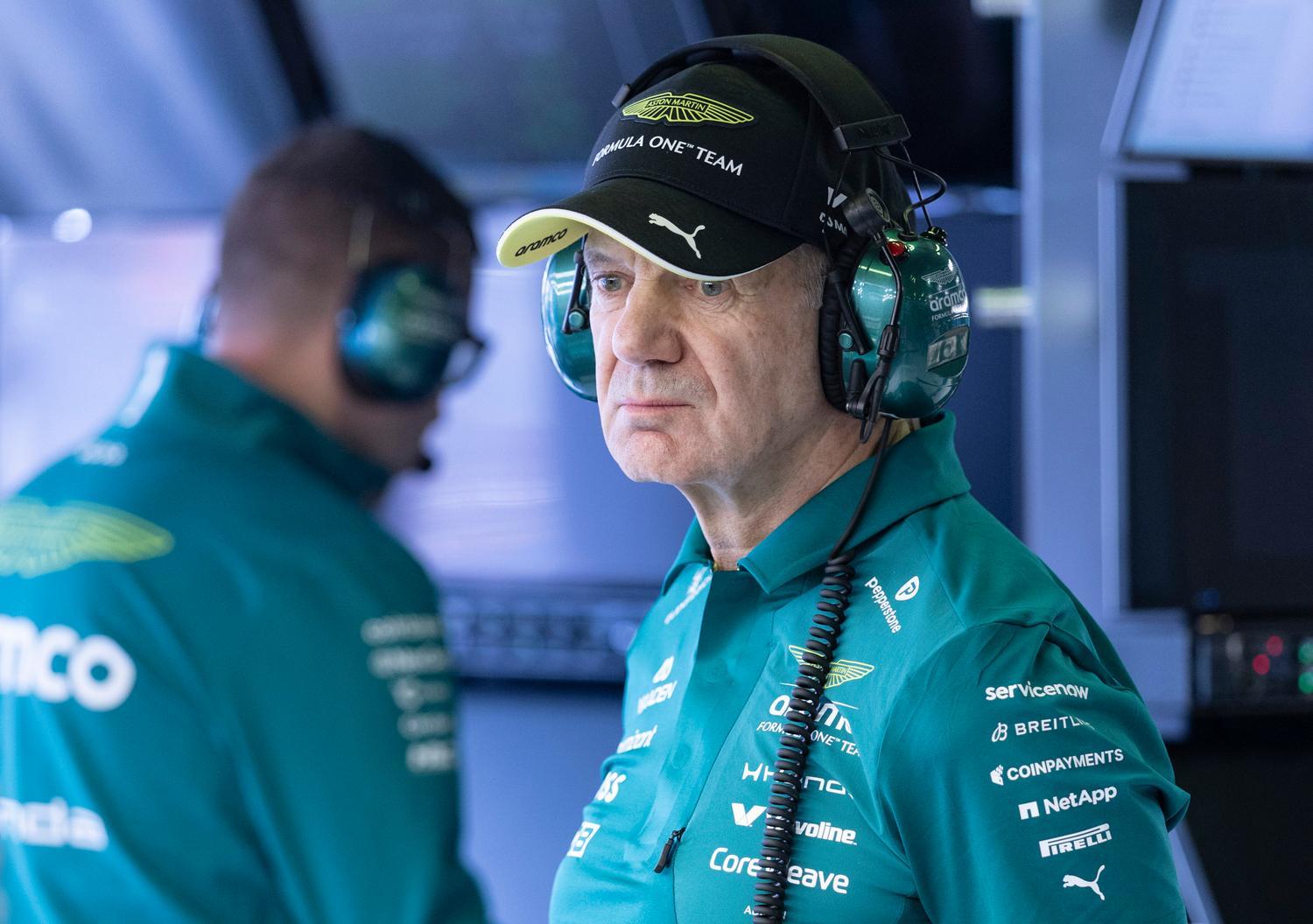
The lap charts from Shanghai do not lie. They pulse with the same erratic rhythm that defined Aston Martin's Australian meltdown, a 1.2-second average deficit in sector two that no pre-planned absence can paper over. Adrian Newey's empty garage slot in China felt less like scheduling and more like a heartbeat skipping under pressure, the kind of data point that reveals fractures before the headlines catch up.
Timing Sheets Tell the Real Story
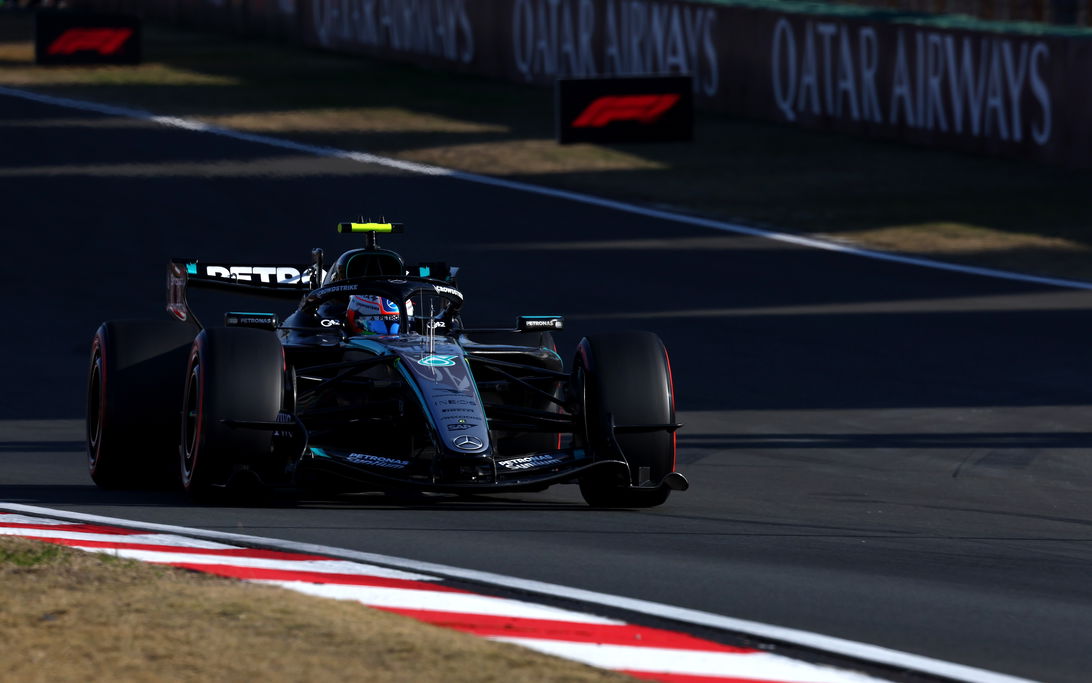
Aston Martin's struggles in China extended far beyond missing points. Both cars finished outside the top ten, yet the raw telemetry showed incremental gains in tire management and power unit mapping that Mike Krack highlighted as invisible progress. These are the quiet numbers that matter. Lap time drop-offs in the final stint averaged 0.8 seconds per lap, correlating directly with the Honda unit's thermal limitations exposed after Australia.
- Newey's public critique of the power unit performance landed just days before his China no-show.
- Krack framed the absence as routine, noting Newey was never slated for every race.
- Remote tools were invoked as sufficient, with a nod to studio-based commentary elsewhere in the paddock.
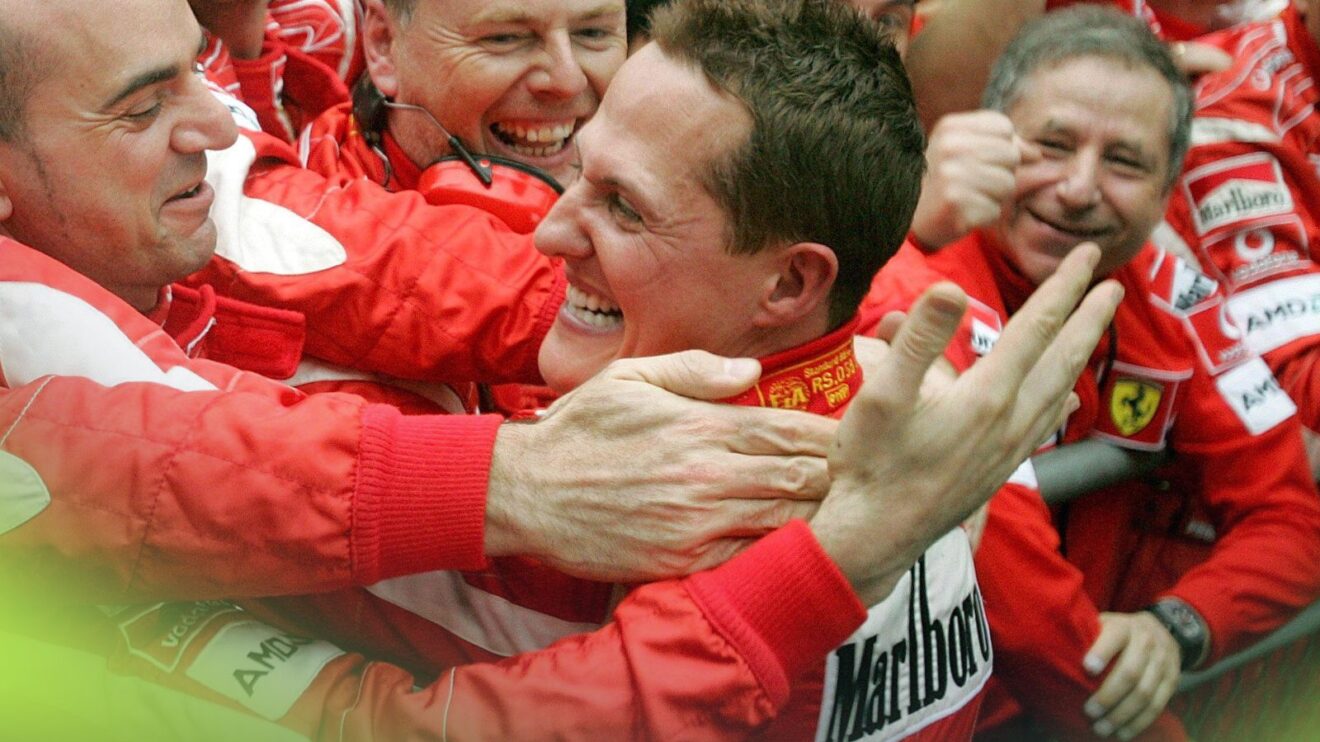
Yet the consistency gap stands out. Compare this to Michael Schumacher's 2004 Ferrari season, where his qualifying deltas never exceeded 0.15 seconds across the first eight rounds despite far cruder data streams. That near-flawless run came from driver intuition overriding early telemetry, not the other way around. Modern teams like Aston Martin risk the opposite trap, letting real-time feeds suppress the very feel that once turned deficits into dominance.
Data Archaeology of a Team in Flux
Digging deeper into the sector splits uncovers pressure patterns that narratives overlook. The Chinese Grand Prix data logs reveal Aston Martin logging more total laps than in Australia, a deliberate push to map bugs in the new systems. Krack stressed this learning cannot happen from the factory alone.
"We are discovering things that are impossible to gain from the factory alone."
That quote lands with weight, yet it clashes with the sport's accelerating slide toward algorithmic control. Within five years, hyper-focused analytics will dictate pit calls and setup tweaks so rigidly that driver intuition gets flattened into predictable lines. Newey's absence amplifies the question: is leadership still tuned to the human pulse on track, or has it retreated behind dashboards that promise control but deliver sterility?
The Japanese Grand Prix at Suzuka now functions as the next data checkpoint. Honda's home circuit will flood the timing sheets with fresh variables on power unit behavior. If Newey remains away, the absence will register as another skipped beat in the season's rhythm, not mere logistics.
The Road Through Suzuka and Beyond
Observers fixate on presence as symbolism, but the sheets demand scrutiny of execution instead. Aston Martin's reliability metrics improved marginally in China, with zero mechanical retirements compared to prior rounds. This matters more than optics. Still, the over-reliance on remote management echoes broader trends where teams trade visceral trackside adjustments for sanitized data streams.
Schumacher's 2004 masterclass proved that consistency emerges when drivers read the car through feel first and screens second. Today's setups invert that priority, breeding races that feel scripted before the lights go out. Newey's schedule decisions will either reinforce or challenge this drift, depending on what the Suzuka numbers ultimately show.
Join the inner circle
Get the deep dives and technical analysis from the world of F1 delivered to your inbox twice a week.
Zero spam. Only high-octane analysis. Unsubscribe anytime.
Continue Reading
View More News